
















Quick take: Tularemia is a bacterial infection caused by Francisella tularensis that can affect dogs, especially those that hunt or roam in endemic areas. Early signs include fever, swollen lymph nodes, and loss of appetite; the disease can be serious but is treatable with antibiotics. Prompt veterinary care, proper diagnosis, and supportive care are key to a full recovery.
It’s 9 p.m., and you’ve just noticed your usually‑energetic mixed‑breed terrier, Max, lagging behind on his evening walk. His ears are tucked, his gums look a pale pink, and a small, tender swelling is visible behind his right shoulder. You Google “dog swollen lymph node fever,” and the term “tularemia” pops up. The thought of a serious infection spikes your anxiety, but you’re not sure what to do next.
We’ve seen many owners in similar moments — a sudden fever, a lump that wasn’t there yesterday, or a dog that refuses food after a day of hunting. In most cases, early veterinary intervention makes the difference between a quick recovery and a prolonged illness. Below, we break down everything you need to know about bacterial infection (tularemia) in dogs: what it is, how dogs get it, the signs to watch for, how vets diagnose and treat it, costs, and how to keep your pup safe.
Read on for a clear, step‑by‑step guide, plus practical tips on nutrition, home care, and when to call your vet right away. If you need more personalized advice, our community forum is a supportive place to connect with other owners and experts.
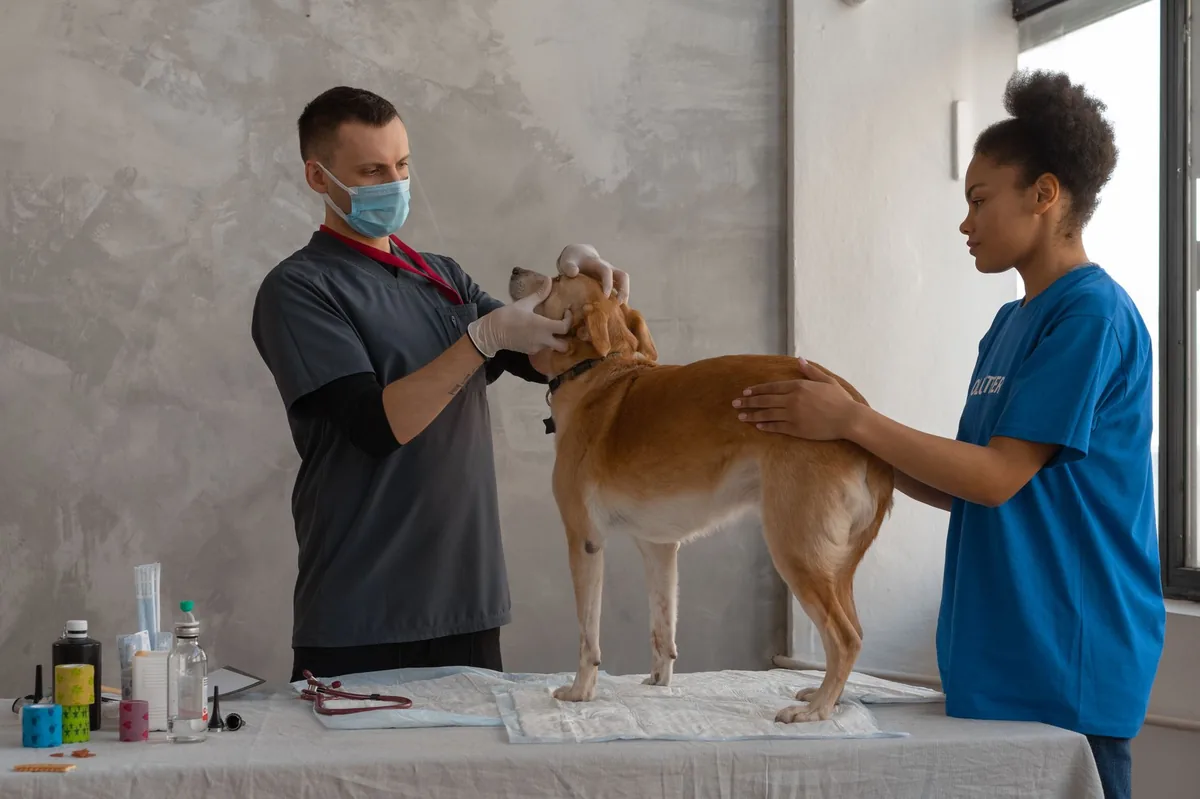
What is bacterial infection (tularemia) in dogs?
Tularemia, also called rabbit fever, is an infection caused by the bacterium Francisella tularensis. The organism is tiny, gram‑negative, and highly infectious. While wildlife such as rabbits, rodents, and hares are natural reservoirs, dogs can become accidental hosts when they bite, eat, or sniff infected animals or contaminated material.
In the United States, tularemia is most common in the central and western states, but cases have been reported worldwide. The disease is considered zoonotic, meaning it can spread from animals to humans, so both pet and public health are involved.
According to the Centers for Disease Control and Prevention (CDC) and the American Veterinary Medical Association (AVMA), tularemia is relatively rare in dogs, accounting for less than 1 % of bacterial infections seen in veterinary clinics. However, because the infection can progress quickly, awareness is essential, especially for dogs that hunt, chase wildlife, or live in rural settings.
What causes it?
Several pathways can introduce F. tularensis into a dog’s system. The most common are:
| Source | Typical Exposure | Risk Factors |
|---|---|---|
| Infected wildlife | Biting, chewing, or eating a rabbit, squirrel, or rodent | Hunting breeds, dogs that roam off‑leash |
| Tick or deer fly bites | Ticks or deer flies that have fed on infected animals | Dogs in tick‑endemic regions, especially during spring‑summer |
| Contaminated water or soil | Drinking from stagnant ponds or digging in moist soil | Dogs that play in wetlands or near farms |
| Direct contact with infected carcasses | Sniffing or licking a dead animal | Owners who bring home field‑caught game for dogs |
Age, immune status, and overall health also influence susceptibility. Younger dogs and those with compromised immunity (e.g., from chronic disease or recent vaccinations) may develop more severe disease.
Signs and symptoms
Early tularemia can mimic other bacterial infections, but a few clues help differentiate it:
| Stage | Typical Signs |
|---|---|
| Mild (1‑3 days) | Fever (101‑104 °F), lethargy, loss of appetite, mild cough |
| Moderate (4‑7 days) | Swollen lymph nodes (often behind the ear or shoulder), enlarged spleen, vomiting, diarrhea |
| Severe (8‑10+ days) | Severe anemia, jaundice, respiratory distress, seizures, sudden death if untreated |
Key red‑flag signs that set tularemia apart from a routine infection include:
- Rapidly enlarging, painful lymph node(s) that may ulcerate.
- Sudden onset of fever combined with a dry cough.
- Signs of systemic illness (pale gums, rapid breathing) after a known wildlife exposure.
Because tularemia can also cause eye inflammation (conjunctivitis) or skin lesions, any unexplained ocular discharge or ulcerated skin spot after a field trip should raise suspicion.
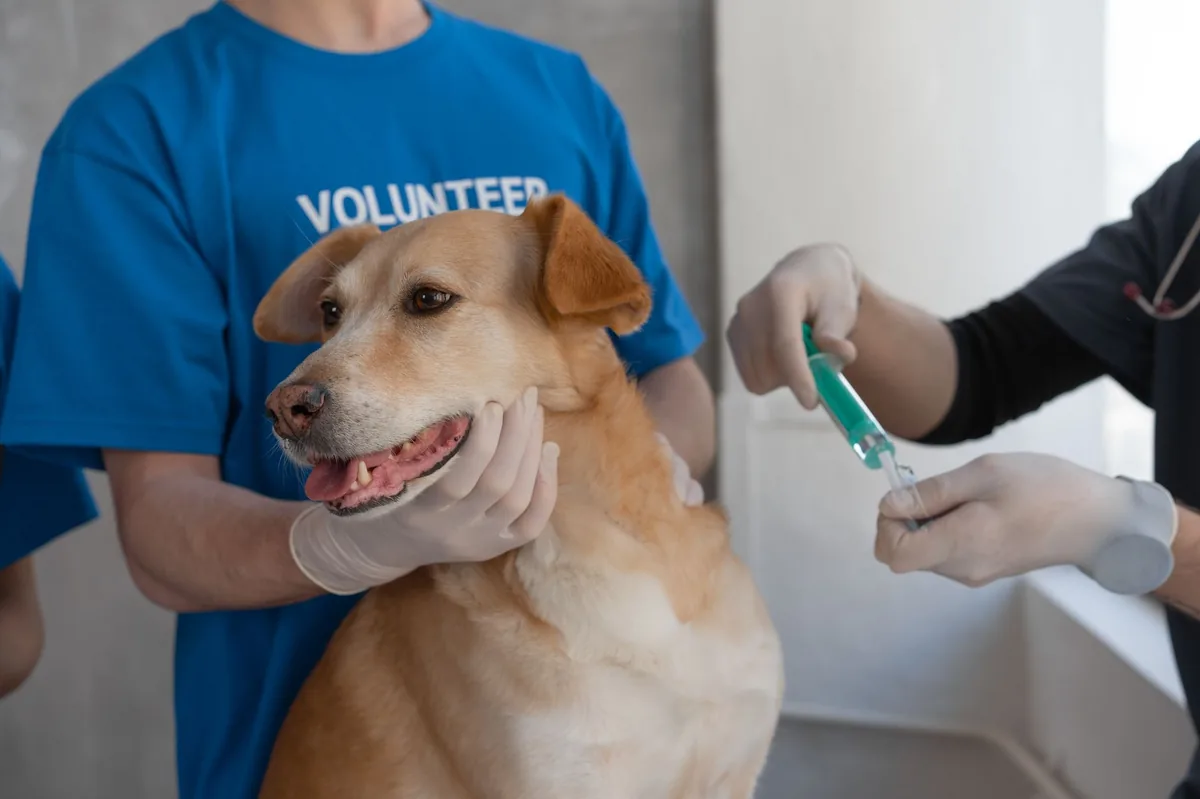
When to call your vet
Call your vet today if you notice any of the following:
- Fever above 103 °F (38.3 °C) lasting more than 24 hours.
- One or more swollen, painful lymph nodes.
- Loss of appetite or vomiting for more than 12 hours.
- Persistent coughing or breathing difficulty.
Go to an emergency veterinary hospital right now if you see any of these urgent signs:
- Severe weakness or collapse.
- Very pale or blue‑tinged gums (signs of anemia).
- Seizures, disorientation, or uncontrolled shaking.
- Rapid breathing or inability to keep the head up.
These symptoms can indicate rapid disease progression and require immediate supportive care.
This article provides general information and is not a substitute for professional veterinary advice.
How vets diagnose it
Diagnosing tularemia involves a combination of history, physical exam, and specific laboratory tests. Your vet will start by asking about recent wildlife exposure, tick bites, or outdoor activities.
- Physical exam: Palpation of lymph nodes, auscultation of lungs, and assessment of temperature, heart rate, and mucous membrane color.
- Blood work: A complete blood count (CBC) often shows anemia and a left shift (increased immature white cells). Biochemistry panels may reveal liver or kidney involvement.
- Serology: Antibody tests (e.g., microagglutination) detect immune response to F. tularensis. Positive results suggest exposure but may take weeks to develop.
- Polymerase chain reaction (PCR): PCR on blood, tissue, or lymph node aspirates can identify bacterial DNA quickly and is considered the gold standard.
- Culture: Growing the organism from samples is definitive but requires biosafety level 3 labs, so it’s rarely done in routine practice.
Because tularemia is a zoonotic disease, veterinary labs follow strict safety protocols, and results are usually communicated directly to the owner’s vet.
Treatment options
Medical treatment
The cornerstone of therapy is a course of antibiotics that are effective against F. tularensis. The most commonly used drugs, as recommended by the AAHA and Merck Veterinary Manual, include:
- Gentamicin – an injectable aminoglycoside, often given once daily for 7–10 days.
- Doxycycline – an oral tetracycline, typically prescribed for 14–21 days.
- Streptomycin – another injectable option, used when gentamicin is contraindicated.
All doses are weight‑based, and your vet will tailor the regimen to your dog’s size, kidney function, and severity of illness. Ask your vet about the best antibiotic option for your pup.
Supplements and supportive care
While antibiotics fight the bacteria, supportive measures help the body recover:
- IV fluids: To correct dehydration and maintain blood pressure, especially in dogs with fever and vomiting.
- Omega‑3 fatty acids (EPA/DHA): May reduce inflammation; a high‑quality fish‑oil supplement can be added once the dog is stable.
- Probiotics: Helpful after antibiotic therapy to restore gut flora; look for strains like Enterococcus faecium that are proven safe for dogs.
- Iron‑rich foods: If anemia persists, a diet with bioavailable iron (e.g., cooked lean beef) can support red blood cell production, but only under veterinary guidance.
Procedures or hospitalization
Severe cases may require hospitalization for:
- Intravenous antibiotic administration (e.g., gentamicin) when oral absorption is unreliable.
- Blood transfusions if anemia becomes life‑threatening.
- Oxygen therapy for respiratory distress.
Hospital stays typically range from 2 to 5 days, depending on how quickly the dog stabilizes. Costs vary by region and facility, as outlined below.
Diet and nutrition
Nutrition plays a supportive role in recovery from tularemia. While there is no “tularemia diet,” feeding a balanced, highly digestible diet helps the immune system and reduces stress on the liver and kidneys.
Foods to favor:
- High‑quality protein: Cooked chicken, turkey, or lean beef provides essential amino acids for tissue repair and red blood cell production.
- Digestible carbohydrates: White rice or sweet potato supplies energy without overloading the gut.
- Limited‑fat options: Too much fat can strain a recovering liver; choose moderate‑fat kibble or homemade meals with <10 % fat.
- Vitamin‑rich vegetables: Steamed carrots, green beans, and pumpkin add antioxidants and fiber.
Foods to limit or avoid:
- Raw meat or organ meats until the infection clears, to avoid re‑exposure to bacteria.
- High‑salt treats or processed snacks that can aggravate kidney function.
- Excessive dairy, which many dogs struggle to digest during illness.
For dogs with a significant anemia, a therapeutic diet formulated for “high‑energy, high‑protein” needs (often labeled “recovery” or “critical care” diets) can be beneficial. Brands such as Hill’s Prescription Diet a/d or Royal Canin Recovery are examples; consult your vet before switching.
When transitioning back to regular food after antibiotics, do it gradually over 5–7 days to avoid gastrointestinal upset. Mix a small amount of the regular kibble with the recovery diet, increasing the proportion daily.
Hydration is equally crucial. Offer fresh water frequently, and consider an electrolyte supplement (e.g., low‑sodium Pedialyte) if your dog is still vomiting or has diarrhea. A warm, low‑sodium broth can encourage fluid intake without adding excess sodium.
Finally, monitor your dog’s weight and stool quality daily. Any sudden weight loss, persistent diarrhea, or vomiting should prompt a call to your vet.

Cost and prognosis
Because tularemia is relatively uncommon, exact cost figures can vary widely. Below is a typical range for the United States and the United Kingdom, based on data from the American Animal Hospital Association (AAHA) and the Royal Veterinary College.
| Item | US Estimate | UK Estimate |
|---|---|---|
| Initial exam & blood work | $150–$250 | £80–£130 |
| PCR test for F. tularensis | $200–$350 | £120–£210 |
| Antibiotic course (gentamicin or doxycycline) | $100–$250 | £70–£150 |
| Hospitalization (IV fluids, monitoring, 3‑day stay) | $800–$1,200 | £500–£900 |
| Supportive care (fluids, transfusion if needed) | $300–$800 | £200–£600 |
Overall, most dogs recover fully when treated within the first week of illness. The prognosis is good in 80‑90 % of cases with prompt therapy, but delayed treatment can lead to severe organ damage or death.
Prevention and home care
Preventing tularemia centers on minimizing wildlife exposure and controlling vectors:
- Leash your dog in areas where rabbits or rodents are common, especially during spring and summer.
- Tick control: Use veterinarian‑recommended tick preventatives (e.g., fluralaner, afoxolaner) year‑round. Check paws and ears after walks.
- Avoid dead animal carcasses: Do not let your dog sniff or chew on found wildlife. Dispose of any carcasses safely.
- Limit access to stagnant water: Keep dogs from drinking from ponds or puddles that may harbor bacteria.
- Vaccination: Currently, there is no licensed tularemia vaccine for dogs in the U.S. or Europe, so environmental management is the primary strategy.
Routine veterinary wellness exams (every 12 months) give your vet a chance to discuss local disease risks and update preventive measures. For owners in high‑risk regions, the our experts page offers region‑specific guidance.
From our vet team: Early detection is the biggest advantage we have. If your dog has a fever and a swollen node after a hunting outing, call us right away. Even if the test comes back negative, we’ll treat the symptoms and keep you safe from a potential zoonotic threat.
Key takeaways
- Tularemia is a bacterial infection spread by wildlife, ticks, or contaminated water; it’s rare but can be serious.
- Watch for fever, loss of appetite, and especially painful swollen lymph nodes—these are early warning signs.
- Prompt veterinary care with antibiotics (gentamicin, doxycycline, or streptomycin) and supportive fluids leads to a good prognosis.
- Prevent exposure by leashing, using tick preventatives, avoiding dead animals, and limiting access to stagnant water.
- Recovery typically takes 2‑3 weeks after completing antibiotics, with gradual return to normal activity and diet.
Myth vs. fact
Myth: Tularemia can be caught from a single tick bite like Lyme disease.
Fact: While ticks can transmit F. tularensis, most canine cases stem from direct contact with infected wildlife or contaminated environments.
Myth: There’s a vaccine that protects dogs from tularemia.
Fact: No vaccine is currently approved for dogs; prevention relies on avoiding exposure and using tick control.
Myth: If a dog looks fine after a few days of antibiotics, the infection is cured.
Fact: Tularemia requires a full, vet‑prescribed course of antibiotics; stopping early can lead to relapse or resistance.
Frequently asked questions
Can tularemia be transmitted from dogs to humans?
Yes, tularemia is zoonotic. Direct contact with an infected dog’s blood, pus, or secretions can transmit the bacteria to people, especially if they have open wounds. Practice good hygiene—wash hands after handling your dog and wear gloves when cleaning wounds.
What antibiotics are effective for treating tularemia in dogs?
Gentamicin, doxycycline, and streptomycin are the primary antibiotics recommended by the AAHA and Merck Veterinary Manual. Your vet will choose the drug based on your dog’s weight, kidney function, and severity of illness.
How long does recovery take after a dog is treated for tularemia?
Most dogs start to improve within 48‑72 hours of starting antibiotics. Full recovery, including return to normal activity and appetite, usually takes 2‑3 weeks. Follow‑up blood work is advised to confirm the infection has cleared.
What is the cost of tularemia treatment for dogs?
In the U.S., total costs (exam, diagnostics, antibiotics, and possible hospitalization) range from $1,200 to $3,000. In the UK, expect £800–£2,000. Your vet can provide a detailed estimate based on your dog’s specific needs.
Is tularemia life‑threatening for dogs?
When caught early and treated promptly, the prognosis is good (80‑90 % survival). Delayed treatment can lead to severe organ damage, sepsis, and a higher risk of death.
How can I keep my family safe if my dog has tularemia?
Isolate the sick dog, avoid sharing food or water bowls, and wear gloves when cleaning up. Disinfect surfaces with a diluted bleach solution (1 part bleach to 9 parts water). Notify your local health department if human exposure is suspected.
Ask the PuppaDogs community
Have a question this article didn’t fully answer? Want to compare notes with other dog owners who’ve been through this? Our community forum is moderated by experienced owners and vets — and answers tend to come fast. Ask in the PuppaDogs community →
References
- Centers for Disease Control and Prevention (CDC). Tularemia (Rabbit Fever) Overview. 2023.
- American Veterinary Medical Association (AVMA). Zoonotic Diseases: Tularemia. 2022.
- American Animal Hospital Association (AAHA). Guidelines for Diagnosis and Treatment of Tularemia in Dogs. 2023.
- Merck Veterinary Manual. Tularemia in Dogs. 2024 edition.
- Cornell University College of Veterinary Medicine. Tularemia: Clinical Signs and Management. 2023.
- World Small Animal Veterinary Association (WSAVA). Zoonoses in Companion Animals. 2022.
- UK Royal Veterinary College. Tularemia – Veterinary Guidance. 2023.
- National Institute of Allergy and Infectious Diseases (NIAID). Francisella tularensis Pathogenesis. 2022.
- American College of Veterinary Internal Medicine (ACVIM). Antimicrobial Therapy for Tick‑Borne Infections. 2023.
- Veterinary Information Network (VIN). Case Studies: Tularemia in Dogs. 2024.


