












Quick take: Paraphimosis in dogs is a painful swelling of the penis that can become an emergency if the tissue dries out. Early recognition, gentle first‑aid, and prompt veterinary care usually lead to full recovery, though surgery may be needed in severe cases. Costs vary, but many owners can manage it with pet insurance or a modest out‑of‑pocket budget.
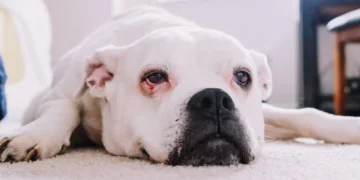
It’s 11 p.m.; you’re in the kitchen making a late‑night snack, and your usually‑spry French Bulldog, Milo, is sitting on the floor, staring at you with a low‑energy gaze. When you lift his hind leg to check his paws, you notice his penis is stuck out, bright pink, and looks swollen. A wave of panic hits you as you remember a vague vet warning about “penile problems.” You’re not sure if it’s an urgent emergency or something you can manage at home.
First, take a breath. You’re not alone—many dog owners discover paraphimosis in the middle of the night, and most cases resolve with proper care. In this article we’ll explain exactly what paraphimosis is, why it happens, how to spot it, when it’s an emergency, what you can do right now, what your vet will likely recommend, how much it might cost, and how to keep it from happening again.
We’ll also answer common follow‑up questions like “Is this painful?” “Can medication shrink the swelling?” and “What breeds are most at risk?” By the end you’ll have a clear, step‑by‑step plan for today and a roadmap for the weeks ahead.
What is paraphimosis in dogs?
Paraphimosis is a condition where the penis (the “phallus”) cannot retract back into the prepuce—the protective skin fold that normally covers it. When the penis stays exposed, the tissue can become swollen, inflamed, and eventually dry out (a process called “mummification”). This swelling reduces blood flow and can cause severe pain.
In dogs, paraphimosis is relatively uncommon but not rare. The American College of Veterinary Surgeons (ACVS) notes that it accounts for a small fraction of urologic emergencies seen in veterinary clinics. It can affect dogs of any age, but neutered males and certain brachycephalic (short‑nosed) breeds appear more frequently.
What causes it?
Paraphimosis usually results from a combination of mechanical, hormonal, and inflammatory factors. Common triggers include:
- Trauma or accidental pulling: Rough play, a sudden tug on a leash, or a dog’s own enthusiastic mounting can stretch the penis outward.
- Neutering complications: After castration, the loss of testosterone can reduce the tone of the penile muscles, making retraction harder.
- Breed‑related anatomy: Breeds with a tighter prepuce (e.g., French Bulldogs, Boston Terriers) or a naturally longer penis (e.g., German Shepherds) are predisposed.
- Infections or inflammation: Bacterial infections, allergic reactions, or dermatitis of the prepuce can cause swelling that traps the penis.
- Underlying health issues: Hormonal disorders, tumors, or neurologic problems that affect muscle control may contribute.
While any male dog can develop paraphimosis, the risk is higher in neutered dogs, brachycephalic breeds, and those that engage in frequent high‑energy play or mounting behaviors.
Signs and symptoms
Early signs are often subtle, but they progress quickly if left untreated. Recognize the spectrum:
| Stage | What you might see | What it means |
|---|---|---|
| Mild | Penis slightly protruding, pink, a little swollen; dog may be a bit uncomfortable. | Early paraphimosis – prompt at‑home care can often reverse it. |
| Moderate | Penis fully exposed, bright pink, noticeably swollen; dog may whine, lick the area, or avoid walking. | Increased risk of tissue drying; veterinary attention needed today. |
| Severe | Penis darkened, very swollen, may develop a crusty or dry surface; the dog shows marked pain, refuses to move, and may have a fever. | Emergency – tissue is at risk of necrosis; immediate veterinary care required. |
Other clues include:
- Licking or biting at the genital area.
- Swollen, reddened prepuce.
- Reduced appetite or lethargy (signs of pain).
- Blood‑tinged discharge if the tissue becomes ulcerated.
When to call your vet
Call your regular vet today if:
- The penis is protruding and pink but not yet dry.
- Swelling is moderate and your dog shows mild discomfort.
- You’re unsure whether you’re seeing paraphimosis or another issue.
Go to an emergency veterinary hospital right now if:
- The tissue looks dark, blackened, or dry (signs of mummification).
- Your dog is crying, trembling, or refusing to move.
- You notice a foul odor, bleeding, or a sudden increase in swelling.
These red flags indicate a risk of permanent damage. Prompt professional care dramatically improves the chance of a full recovery.
This article is for informational purposes only and does not replace a hands‑on examination by a licensed veterinarian.
How vets diagnose it
Veterinarians use a straightforward but thorough approach:
- History: They ask about recent injuries, neuter status, play habits, and any prior genital issues.
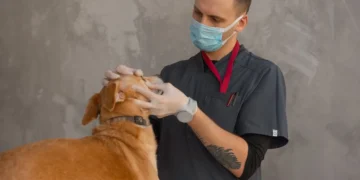
- Physical exam: Visual inspection of the penis and prepuce, checking for swelling, color changes, and signs of infection.
- Gentle manipulation: Under light sedation, the vet may try to manually reduce (re‑tuck) the penis back into the prepuce.
- Diagnostic tests (if needed): CBC and chemistry panels to rule out systemic infection; bacterial culture if discharge is present; ultrasound if a mass is suspected.
Most cases are diagnosed clinically—no imaging is required unless a tumor or deep infection is suspected.
Treatment options
Medical treatment
When the swelling is caught early, the veterinarian may:
- Manual reduction: Gently lubricating the penis with a sterile, water‑based gel and carefully guiding it back into the prepuce. This may be done under light sedation or a short‑acting anesthetic.
- Topical or systemic anti‑inflammatory medication: Drugs such as meloxicam or carprofen (both NSAIDs) are commonly prescribed to reduce swelling and pain. Ask your vet about this option.
- Antibiotics: If there’s evidence of bacterial infection, a broad‑spectrum antibiotic like amoxicillin‑clavulanate may be used. Ask your vet about this option.
- Local antiseptic care: Gentle cleansing with a diluted chlorhexidine solution helps prevent secondary infection.
Supplements and supportive care
While supplements are not primary therapy, they can aid healing when inflammation is present:
- Omega‑3 fatty acids (EPA/DHA): Found in fish‑oil supplements, they have modest anti‑inflammatory effects and support skin health.
- Probiotics: If antibiotics are prescribed, a probiotic (e.g., Enterococcus faecium) can help maintain gut flora.
These are optional and should be discussed with your vet to avoid interactions.
Procedures or surgery
If manual reduction fails, the swelling is severe, or the tissue has begun to dry out, surgical intervention may be required:
- Penile de‑gloving (circumcision‑type surgery): The veterinarian removes the outer layer of the swollen tissue, allowing the penis to retract.
- Partial penectomy: In very rare, end‑stage cases where necrotic tissue cannot be saved, a small portion of the penis may be removed.
- Post‑operative care: Typically includes pain medication (e.g., tramadol), a short course of antibiotics, and a protective Elizabethan collar.
Recovery after surgery usually takes 7‑14 days, with a follow‑up check to ensure proper healing.
Diet and nutrition
Nutrition plays a supportive role in healing any inflammatory condition. While there is no “paraphimosis‑specific” diet, feeding a balanced, high‑quality diet helps reduce systemic inflammation and supports tissue repair.
Here are practical guidelines for the weeks following a paraphimosis episode:
| Category | What to feed | What to limit/avoid |
|---|---|---|
| Do feed | Highly digestible protein sources (e.g., chicken, turkey, fish) and omega‑3‑rich foods. | – |
| Limit | Moderate amounts of low‑fat dairy or treats that can cause gastrointestinal upset. | High‑fat foods that may delay healing. |
| Avoid | Raw bones or hard chew toys that could irritate the genital area. | Spicy, salty, or heavily processed foods that increase inflammation. |
Key points to remember:
- Stay hydrated: Fresh water should be available at all times. Dehydration can worsen inflammation.
- Small, frequent meals: Offering 3‑4 smaller meals per day reduces the workload on the digestive system, which can be helpful if your dog is reluctant to eat.
- Prescription therapeutic diets: If your dog has concurrent conditions (e.g., kidney disease), a veterinarian‑recommended therapeutic diet may be appropriate. Discuss options such as a renal‑support formula or a hypoallergenic diet if an allergy is suspected.
- Transition gradually: When switching foods, blend the new diet with the old over 7‑10 days to avoid GI upset.
For owners seeking concrete meal ideas, the PuppaDogs Dog Questions Answered guide includes sample home‑cooked recipes that meet AAFCO nutritional standards.
Cost and prognosis
Expenses vary by region, severity, and whether surgery is needed. Rough estimates (in U.S. dollars) are:
- Initial veterinary exam & manual reduction: $100‑$250.
- Medication (NSAID + antibiotic 7‑day course): $30‑$80.
- Surgical correction (de‑gloving or partial penectomy): $800‑$1,500, including anesthesia and post‑op care.
- Follow‑up visits & labs: $75‑$150 each.
In the United Kingdom, similar procedures typically range from £80‑£120 for a basic reduction to £600‑£1,200 for surgery. Pet insurance often covers a portion of these costs, especially if the condition is listed as an “urinary system disorder.” Review your policy’s exclusions and deductible.
Prognosis is excellent when the condition is addressed promptly. Most dogs regain normal function within 1‑2 weeks after successful reduction. Surgical cases may need 2‑3 weeks of restricted activity, but long‑term quality of life remains high. Delayed treatment, however, can lead to permanent tissue damage, scarring, or loss of the penis.
Prevention and home care
Preventing paraphimosis is largely about managing risk factors and maintaining good genital hygiene:
- Gentle handling: When cleaning or examining your dog’s hindquarters, avoid pulling on the penis. Use a soft, damp cloth and support the prepuce.
- Leash control: Use a short leash or harness when walking dogs that are prone to mounting or overly enthusiastic play.
- Post‑neuter monitoring: After castration, watch for swelling or difficulty retracting the penis for the first few days. If the prepuce doesn’t close fully, contact your vet.
- Regular grooming: Keep the prepuce clean and dry. If you notice redness or discharge, schedule a check‑up.
- Weight management: Overweight dogs may have increased pressure on the perineal area, which can exacerbate swelling.
For dogs with a history of recurrent paraphimosis, some veterinarians recommend a prophylactic circumcision‑type procedure (partial prepuce removal) to reduce the chance of re‑occurrence. Discuss this option if your dog has had more than one episode.
Routine veterinary check‑ups (at least once a year) give your vet the chance to assess the genital area and catch early changes before they become emergencies.
From our vet team: “If you see the tip of your dog’s penis hanging out and looking pink, act quickly. A few minutes of gentle lubrication and a brief phone call to your vet can prevent a painful emergency. Most owners who bring their dog in early see a full recovery without surgery.”
Key takeaways
- Paraphimosis is a swollen, protruding penis that can become an emergency if the tissue dries out.
- Early signs include a pink, slightly protruding penis; moderate swelling needs same‑day vet care; dark, dry tissue requires immediate ER attention.
- First‑aid steps: keep the area moist with sterile saline or a water‑based lubricant and avoid pulling on the penis.
- Veterinary treatment may involve manual reduction, NSAIDs, antibiotics, or surgery if reduction fails.
- Recovery usually takes 1‑2 weeks with a balanced diet, hydration, and limited activity; surgery adds a few extra weeks.
- Prevent future episodes by handling the genital area gently, monitoring neutered dogs, and keeping the prepuce clean and dry.
Myth vs. fact
Myth: “Paraphimosis only happens in unneutered dogs.”
Fact: While intact males are at risk, neutered dogs actually have a higher incidence because the loss of testosterone can reduce penile muscle tone.
Myth: “If the swelling looks mild, it will resolve on its own.”
Fact: Even mild swelling can progress quickly; without timely intervention the tissue can become necrotic, requiring surgery.
Myth: “Home remedies like warm compresses cure paraphimosis.”
Fact: Warm compresses may provide comfort, but the definitive treatment is manual reduction or surgery performed by a veterinarian.
Frequently asked questions
What causes paraphimosis in dogs?
Paraphimosis is most often triggered by trauma (such as a sudden tug during play), complications after neutering, or an infection that causes swelling of the prepuce. Breed anatomy and hormonal changes also play a role.
How can I tell if my dog has paraphimosis?
The hallmark sign is a penis that stays out of the prepuce and appears swollen or pink. If the tissue looks dark, dry, or the dog is in obvious pain, it’s a severe case that needs urgent care.
Is paraphimosis painful for dogs?
Yes. The exposed tissue is sensitive, and the swelling can cause significant discomfort. Dogs may whine, lick the area, or avoid moving.
What is the emergency treatment for paraphimosis in dogs?
Veterinarians first attempt a manual reduction using a sterile lubricant, often under light sedation. If the tissue is already drying out, surgical correction may be required.
Can paraphimosis be prevented after neutering?
Yes. Monitoring the penis during the first few days after surgery, keeping the area clean, and avoiding rough play can reduce the risk. Some vets also recommend a prophylactic circumcision‑type procedure for dogs with recurrent episodes.
How much does it cost to fix paraphimosis in a dog?
Basic veterinary care (exam and manual reduction) typically costs $100‑$250. If surgery is needed, the total can rise to $800‑$1,500 in the United States, with similar ranges in the UK. Pet insurance often helps offset these expenses.
Ask the PuppaDogs community
Have a question this article didn’t fully answer? Want to compare notes with other dog owners who’ve been through this? Our community forum is moderated by experienced owners and vets — and answers tend to come fast. Ask in the PuppaDogs community →
References
- American College of Veterinary Surgeons (ACVS). “Urologic Emergencies in Small Animals.”
- Merck Veterinary Manual. “Paraphimosis” chapter.
- American Animal Hospital Association (AAHA). “Guidelines for Surgical Care of Dogs.”
- American Veterinary Medical Association (AVMA). “Neutering and Post‑operative Care.”
- World Small Animal Veterinary Association (WSAVA). “Best Practices for Canine Reproductive Health.”
- American Association of Feed Control Officials (AAFCO). “Nutrient Profiles for Companion Animals.”
- Cornell University College of Veterinary Medicine. “Canine Urology: Common Conditions.”
- UC Davis School of Veterinary Medicine. “Management of Penile Disorders.”
- Veterinary Drug Handbook (Plumb’s). “NSAIDs and Antibiotics for Dogs.”
- Pet Insurance Review. “Coverage for Surgical Emergencies.”


