














Quick take: Cold agglutinin disease is an immune‑mediated anemia where antibodies clump red blood cells at cooler temperatures. It can cause pale gums, weakness, and dark urine, but prompt veterinary care, temperature management, and appropriate medication often lead to a good recovery.
It’s 11 p.m., and your 9‑year‑old mixed‑breed Labrador isn’t hopping up to greet you at the door. Instead, she lies on the couch, her head drooping, and when you glance at her gums they look a shade paler than usual. You’re suddenly scrolling through articles, heart racing, wondering if the cold night air could be making her sick.
We’ve seen many owners describe that exact moment—the first sign is often a subtle drop in energy, followed by a worrying change in gum color or a faint reddish tint in the urine. The good news is that, with the right diagnosis and treatment, most dogs do well. Below we break down what “antibodies that attack blood cells at lower temperatures in dogs” really means, how to spot it, and what steps you can take right now.
In this guide we’ll cover the science behind cold agglutinin disease, its causes, warning signs, diagnostic work‑up, treatment options (including costs), diet tips, and everyday prevention strategies. If you’re reading this because you suspect your dog might have this condition, keep reading—your next steps are just a few paragraphs away.
What is cold agglutinin disease?
Cold agglutinin disease (CAD) is a form of immune‑mediated hemolytic anemia (IMHA) where antibodies bind to red blood cells (RBCs) when the blood temperature drops below normal body temperature, typically below 35 °C (95 °F). These “cold‑reactive” antibodies cause the RBCs to clump together (agglutinate) and break apart, leading to anemia.
In dogs, CAD is far less common than the “warm” form of IMHA, but it still accounts for a noticeable minority of autoimmune anemias—estimates from the American College of Veterinary Internal Medicine suggest roughly 10–15 % of IMHA cases involve cold‑reactive antibodies. The disease can affect any breed, though certain breeds (e.g., English Springer Spaniels, German Shepherds, and older Labrador Retrievers) appear more frequently in case series.
What causes it?
Cold agglutinin disease is usually secondary—meaning another condition triggers the production of cold‑reactive antibodies. The most common triggers in dogs include:
- Infections: Mycoplasma, Babesia, Ehrlichia, and certain viral infections can stimulate the immune system.
- Drugs or vaccines: Some antibiotics (e.g., penicillins) and vaccines have been linked to antibody formation.
- Neoplasia: Lymphoma or other cancers can produce abnormal immune proteins.
- Genetic or breed predisposition: Certain breeds may have a higher baseline risk, though the exact genetic factors are still under study.
- Cold exposure: Prolonged exposure to low ambient temperatures can exacerbate an existing low‑level antibody response.
Signs and symptoms
Because CAD destroys red blood cells, the clinical picture mirrors other anemias—pale gums, lethargy, and dark urine—but the timing often coincides with cooler environments.
| Severity | Typical signs |
|---|---|
| Mild | Pale pink gums, slight decrease in stamina, occasional shivering after being outside in the cold. |
| Moderate | Noticeable weakness, rapid breathing, dark reddish‑brown urine, reluctance to play, mild jaundice (yellowing of the whites of the eyes). |
| Severe | Collapse, very pale or white gums, severe dyspnea, bright yellow sclera, hemoglobinuria (visible blood in urine), and possible shock. |
When to call your vet
Call your vet today if you notice any of the following:
- Pale or pink‑gray gums that don’t turn bright red when you press them.
- Reduced energy, reluctance to go for walks, or sudden weakness.
- Dark brown or reddish urine.
- Shivering or trembling after being in a cool environment.
Go to an emergency veterinary hospital right now if your dog shows any sign of severe anemia:
- Very pale or white gums.
- Rapid breathing, collapse, or fainting.
- Bright yellow eyes or obvious jaundice.
- Uncontrolled bleeding or signs of shock (cold paws, weak pulse).
This article is for information only and does not replace professional veterinary care.
How vets diagnose it
Diagnosing cold agglutinin disease starts with a thorough history and physical exam, followed by targeted laboratory tests.
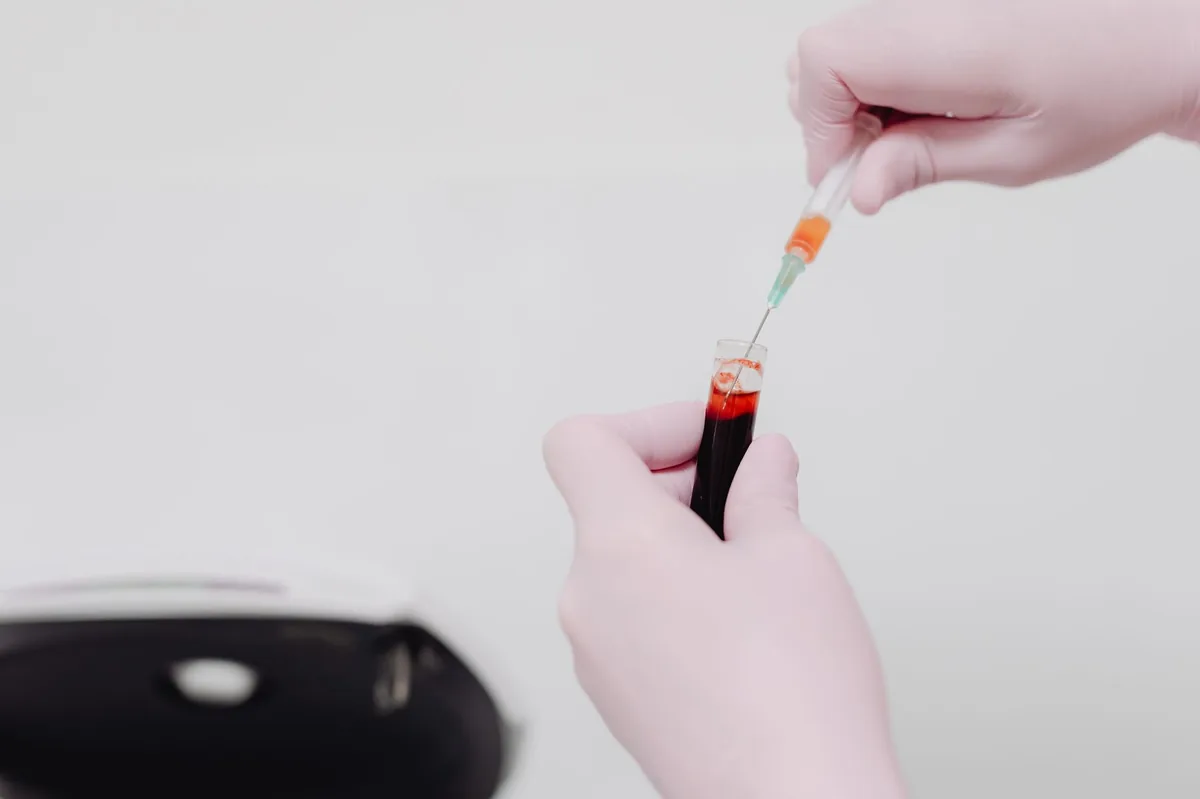
- Complete blood count (CBC): Reveals low hematocrit (PCV) and may show spherocytes or fragmented RBCs.
- Coombs test (direct antiglobulin test): Detects antibodies attached to the dog’s red cells. A positive result at colder temperatures suggests CAD.
- Thermal amplitude testing: Laboratory measurement of the temperature range where agglutination occurs; helps differentiate cold from warm IMHA.
- Blood smear review: A veterinary pathologist looks for clumped RBCs and signs of hemolysis.
- Additional screens: PCR or serology for Babesia, Mycoplasma, and other infectious agents; imaging (ultrasound or X‑ray) if a tumor is suspected.
Treatment options
Medical treatment
First‑line therapy focuses on suppressing the immune response and protecting the red cells.
- Glucocorticoids (e.g., prednisone): Reduce antibody production. Your vet will tailor the dose to your dog’s weight and severity.
- Immunosuppressants: Drugs like azathioprine, cyclosporine, or mycophenolate may be added if steroids alone aren’t enough.
- Blood transfusions: Provide immediate oxygen‑carrying capacity for severely anemic dogs. Warmed blood (kept at body temperature) is critical to avoid further agglutination.
- Temperature management: Keep your home warm (70–75 °F), use heated blankets, and avoid exposing your dog to cold water or drafts.
- Antibiotics: If an underlying infection is identified, targeted antibiotics are prescribed (e.g., doxycycline for Mycoplasma).
Always discuss each medication with your vet—dosages are weight‑specific and may need adjustment.
Supplements and supportive care
While supplements can’t replace prescription medication, a few have shown benefit in supporting recovery from hemolysis:
- Omega‑3 fatty acids (EPA/DHA): Anti‑inflammatory properties that may help modulate the immune response.
- Vitamin E and selenium: Antioxidants that protect red cell membranes from oxidative damage.
- Probiotics: Support gut health, especially if antibiotics are used.
- Hydration: Encourage fresh water; sub‑cutaneous fluids may be administered if the dog is dehydrated.
Ask your vet about these options; they’re most helpful when the primary disease is under control.
Procedures or surgery
In rare, refractory cases, splenectomy (removal of the spleen) has been reported as a last‑resort option because the spleen can be a site of antibody production and RBC destruction. Recovery from splenectomy typically requires a 2‑week hospital stay and a careful post‑operative monitoring plan. Most dogs, however, respond to medical therapy and never need surgery.
Diet and nutrition
Nutrition plays a supportive role in managing anemia and reducing the workload on the bone marrow. While no single “cure” diet exists for cold agglutinin disease, certain dietary principles can help your dog heal more efficiently.
High‑quality, highly digestible protein supplies the amino acids needed for new red blood cell production. Look for foods that list a named animal protein (e.g., chicken, turkey, or salmon) as the first ingredient and have a protein content of at least 22 % on a dry‑matter basis.
Iron‑rich ingredients (e.g., beef liver, fish, or fortified kibble) support hemoglobin synthesis. If your dog is on a prescription diet that is low in iron, your vet may recommend a supplemental iron chelate.
Omega‑3 fatty acids (EPA/DHA) from fish oil or algae can dampen the inflammatory cascade that fuels auto‑antibody production. A daily dose of 20–40 mg EPA per kilogram of body weight is typical, but ask your vet for the exact amount.
Antioxidants such as vitamin E, selenium, and vitamin C protect red cell membranes from oxidative stress, a common companion to hemolysis. Many senior‑dog formulas already include these nutrients.
Conversely, excessive copper (found in some organ meats) can be pro‑oxidant, and very high‑fat diets may exacerbate inflammation. Avoid feeding large amounts of raw bone marrow or greasy table scraps.
When transitioning to a new diet, do it gradually over 7–10 days to prevent gastrointestinal upset. Mix increasing portions of the new food with the current diet, monitoring stool consistency and appetite.
| Feed | Limit | Avoid |
|---|---|---|
| Highly digestible protein (chicken, salmon, turkey) | High‑fat treats, raw bone marrow | Excessive organ meats (liver >10 % of diet) |
| Omega‑3‑rich foods or supplements | Low‑quality kibble with fillers | Foods high in copper (e.g., unbalanced liver) |
| Antioxidant‑fortified senior formulas | Excessive sodium (processed snacks) | Any diet lacking a complete vitamin/mineral profile |
In addition to the base diet, ensure your dog always has fresh water. Warm water (room temperature) can be more inviting in colder months and encourages hydration.
For dogs with severe anemia, your vet may prescribe a therapeutic “renal” or “recovery” diet that is higher in calories but still balanced for protein and electrolytes. These diets are formulated to be easy on the gastrointestinal tract while delivering the nutrients needed for rapid erythropoiesis (new red blood cell production).
Cost and prognosis
The financial side of CAD varies widely based on diagnostics, treatment intensity, and geographic location.
- Diagnostic work‑up: CBC, Coombs test, thermal amplitude testing, and infectious disease panels typically cost between $200–$500 (US) or £150–£350 (UK).
- Initial treatment: Steroids and immunosuppressants (first month) range $100–$250. Blood transfusions add $300–$600 per unit of blood, plus a $150‑$250 facility fee.
- Hospitalization for severe cases: ICU care, temperature regulation, and monitoring can reach $1,000–$2,500 per 24‑hour stay.
- Long‑term management: Follow‑up labs every 2–4 weeks ($50–$100 each) and occasional medication refills may add $200–$400 per year.
Prognosis depends on how quickly the disease is caught and whether an underlying trigger (infection or cancer) can be addressed. Studies from the American College of Veterinary Internal Medicine indicate that 70–80 % of dogs with CAD survive beyond six months, and many live for years with proper immunosuppression and temperature control. Early detection and consistent veterinary monitoring are the biggest predictors of a positive outcome.
Prevention and home care
While you can’t always prevent the immune system from misbehaving, several everyday steps can reduce the risk of cold‑induced flare‑ups:
- Maintain a warm environment: Keep indoor temperature above 70 °F (21 °C), use heated pet beds, and avoid drafts near sleeping areas.
- Limit exposure to cold water: Dry your dog thoroughly after outdoor walks, especially in winter, and avoid swimming in icy ponds.
- Regular health checks: Annual wellness exams can catch early signs of infection or neoplasia that might trigger CAD.
- Vaccination and parasite control: Follow AAHA vaccination schedules and use tick preventatives appropriate for your region (e.g., Bravecto, NexGard).
- Monitor for early anemia signs: Check gum color weekly, watch for changes in energy, and track urine color.
- Weight management: Keeping your dog at a healthy weight reduces overall inflammation and improves immune regulation.
When you notice a subtle change—like a slight shiver after a short walk—note the time, temperature, and any other observations. This log can help your vet pinpoint patterns and adjust treatment before a crisis develops.
From our vet team: “Cold agglutinin disease can sound frightening, but it’s often manageable with vigilant temperature control and early immunosuppression. The most reassuring thing owners can do is act quickly on the first sign of pale gums or lethargy, and keep a close eye on any environmental triggers.”
Key takeaways
- Cold agglutinin disease is an immune‑mediated anemia triggered by antibodies that act at lower body temperatures.
- Early signs include pale gums, weakness, and dark urine—especially after exposure to cool environments.
- Prompt veterinary evaluation (CBC, Coombs test, thermal amplitude testing) is essential; severe anemia requires emergency care.
- Treatment combines steroids, possible immunosuppressants, warmed blood transfusions, and strict temperature management.
- Feed a high‑quality, iron‑rich diet with omega‑3s and antioxidants while avoiding excess copper and high‑fat treats.
- Regular monitoring, a warm home, and quick response to subtle changes give dogs the best chance for a full recovery.
Myth vs. fact
Myth: Cold agglutinin disease only affects dogs that live outdoors in winter.
Fact: While cold exposure can worsen the condition, CAD can develop in indoor dogs and may be triggered by infections, drugs, or cancers regardless of climate.
Myth: If my dog looks fine most of the time, the disease isn’t serious.
Fact: Anemia can progress rapidly; even subtle early signs warrant a vet check because early treatment dramatically improves outcomes.
Myth: Home remedies alone can cure CAD.
Fact: While supportive care (nutrition, warmth) helps, medical therapy from a veterinarian is required to control the immune response and prevent life‑threatening anemia.
Frequently asked questions
What are the typical costs of diagnosing and treating cold agglutinin disease?
Initial diagnostics (CBC, Coombs test, thermal amplitude) usually run $200‑$500, while treatment (steroids, immunosuppressants) adds $100‑$250 per month; blood transfusions cost $300‑$600 per unit, and hospitalization can exceed $1,000 per day.
Can cold weather alone trigger antibodies that attack my dog’s blood cells?
Cold exposure doesn’t create the antibodies, but it can activate existing cold‑reactive antibodies, leading to agglutination and hemolysis. Keeping your dog warm reduces the risk of flare‑ups.
How is cold agglutinin disease different from warm autoimmune hemolytic anemia?
Warm IMHA involves antibodies that act at normal body temperature (≈38 °C) and often respond well to steroids alone; cold agglutinin disease requires temperature management and may need additional immunosuppressants or transfusions.
Will my dog need blood transfusions for this condition?
Only dogs with severe anemia (hematocrit < 20 %) typically need transfusions. Your vet will monitor blood values and decide if a transfusion is necessary to stabilize your dog.
How long does recovery take after treatment begins?
Most dogs show improvement within 1‑2 weeks of starting steroids, but full red blood cell recovery can take 4‑6 weeks. Ongoing monitoring is essential to adjust medication doses.
Is cold agglutinin disease life‑threatening?
When caught early and treated appropriately, the majority of dogs survive and enjoy a good quality of life. Severe, untreated cases can lead to shock or organ damage, which is why rapid veterinary care is crucial.
Ask the PuppaDogs community
Have a question this article didn’t fully answer? Want to compare notes with other dog owners who’ve been through this? Our community forum is moderated by experienced owners and vets — and answers tend to come fast. Ask in the PuppaDogs community →
References
- American College of Veterinary Internal Medicine (ACVIM). “Immune‑Mediated Hemolytic Anemia in Dogs.” 2023 clinical guidelines.
- American Animal Hospital Association (AAHA). “Canine Anemia Diagnostic Protocols.” 2022.
- Merck Veterinary Manual. “Cold Agglutinin Disease (Canine).” 2021 edition.
- Veterinary Hematology and Oncology (Plumb’s). “Autoimmune Hemolytic Anemia.” 2020.
- American Veterinary Medical Association (AVMA). “Vaccination and Immunization Recommendations for Dogs.” 2023.
- University of California, Davis Veterinary School. “Management of Canine Autoimmune Diseases.” 2022.
- World Small Animal Veterinary Association (WSAVA). “Guidelines for Nutritional Management of Anemic Dogs.” 2021.
- British Veterinary Association (BVA). “Cost of Veterinary Care for Hematologic Disorders.” 2022.


