














Quick take: Tyzzer disease is a bacterial infection caused by Clostridium piliforme that can affect puppies and older dogs, often showing up as sudden diarrhea, vomiting, and lethargy. Prompt veterinary care—including fluids, antibiotics, and supportive care—is essential, because the disease can progress quickly and may be fatal if left untreated.
It’s 11 p.m., you’re half‑asleep on the couch, and your 2‑year‑old mixed‑breed dog, Milo, is lying still, eyes half‑closed, and not the usual “who’s ready for a walk?” greeting you hear every evening. You glance at his water bowl—no water, just a few splashes. Then you notice his gums are a pale pink, almost gray. Your heart jumps. A quick search for “pale gums and diarrhea in dogs” pulls up a page on Tyzzer disease, and you wonder: is this the dreaded Clostridium piliforme infection?
You’re not alone. Many owners first encounter Tyzzer disease when a sudden gastrointestinal upset turns into a full‑blown emergency. The good news is that early detection, proper fluid therapy, and the right antibiotics can turn a scary night into a manageable recovery. Below we walk through everything you need to know—what the infection is, why it happens, how to spot it, what the vet will do, and how you can help your dog heal and stay healthy.
In this guide we’ll cover the science behind Tyzzer disease, the common signs in puppies versus senior dogs, diagnostic steps, treatment options, diet tips for recovery, costs you might expect, and practical prevention strategies. By the end you’ll have a clear plan of action and the confidence to talk with your veterinarian.
What is Bacterial Infection (Tyzzer Disease) in Dogs?
Tyzzer disease is an infection caused by the obligate intracellular bacterium Clostridium piliforme. The organism lives inside the cells lining the intestines, liver, and sometimes the heart, leading to inflammation and tissue damage. Although the disease is most famously associated with rodents, it can cross species and affect dogs—especially puppies under 6 months and senior dogs with weakened immune systems.
Because C. piliforme cannot be cultured easily on standard media, the infection is considered rare and often under‑diagnosed. In the United States, the American Animal Hospital Association (AAHA) lists Tyzzer disease as an “uncommon bacterial enteritis” that veterinary clinicians should keep on their differential list when faced with acute gastrointestinal illness.
What causes it?
Transmission occurs when a dog ingests the bacterium from contaminated sources. The main routes and risk factors are:
| Transmission / Risk Factor | How it happens |
|---|---|
| Fecal‑oral exposure | Eating feces from infected rodents, other dogs, or wildlife |
| Contaminated water or soil | Drinking from puddles, ponds, or bowls that have not been cleaned |
| Stressful environments | Overcrowded kennels, shelter settings, or recent relocation |
| Immunosuppression | Senior dogs, dogs on steroids, or those with chronic disease |
| Rodent infestation | Presence of mice or rats in the home or yard, which are natural reservoirs |
Because the bacterium is hardy in the environment, good hygiene and rodent control are the most effective ways to block transmission.
Signs and symptoms
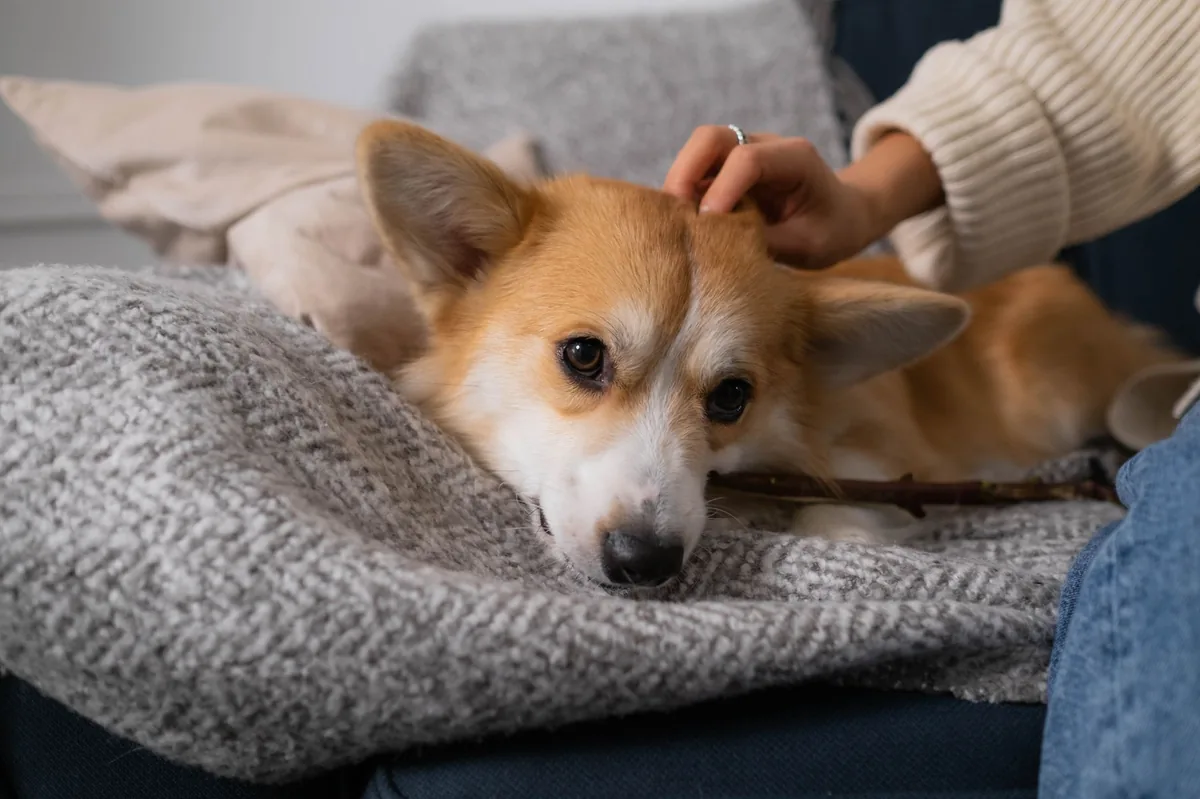
Symptoms vary with age and immune status. Early signs are often subtle, but they can progress rapidly.
| Stage | Puppies (≤6 mo) | Adult / Senior Dogs |
|---|---|---|
| Mild | Soft stool, occasional vomiting, reduced appetite | Occasional loose stool, mild lethargy, mild fever (≤103 °F) |
| Moderate | Watery diarrhea, dehydration, rapid weight loss, fever (≥103 °F) | Persistent diarrhea, vomiting, noticeable abdominal pain, pale gums |
| Severe | Bloody diarrhea, sudden collapse, shock, death within 24‑48 h if untreated | Severe dehydration, hemorrhagic enteritis, liver enzyme elevation, possible jaundice |
Key red‑flag signs that merit immediate veterinary attention include:
- Sudden onset of watery or bloody diarrhea
- Persistent vomiting (more than two episodes)
- Signs of dehydration—dry gums, skin tenting, sunken eyes
- Fever above 103 °F (38.3 °C)
- Rapid weight loss or a “listless” appearance
Because these signs overlap with other canine gastrointestinal diseases (like parvovirus or canine coronavirus), a definitive diagnosis requires laboratory testing.
When to call your vet
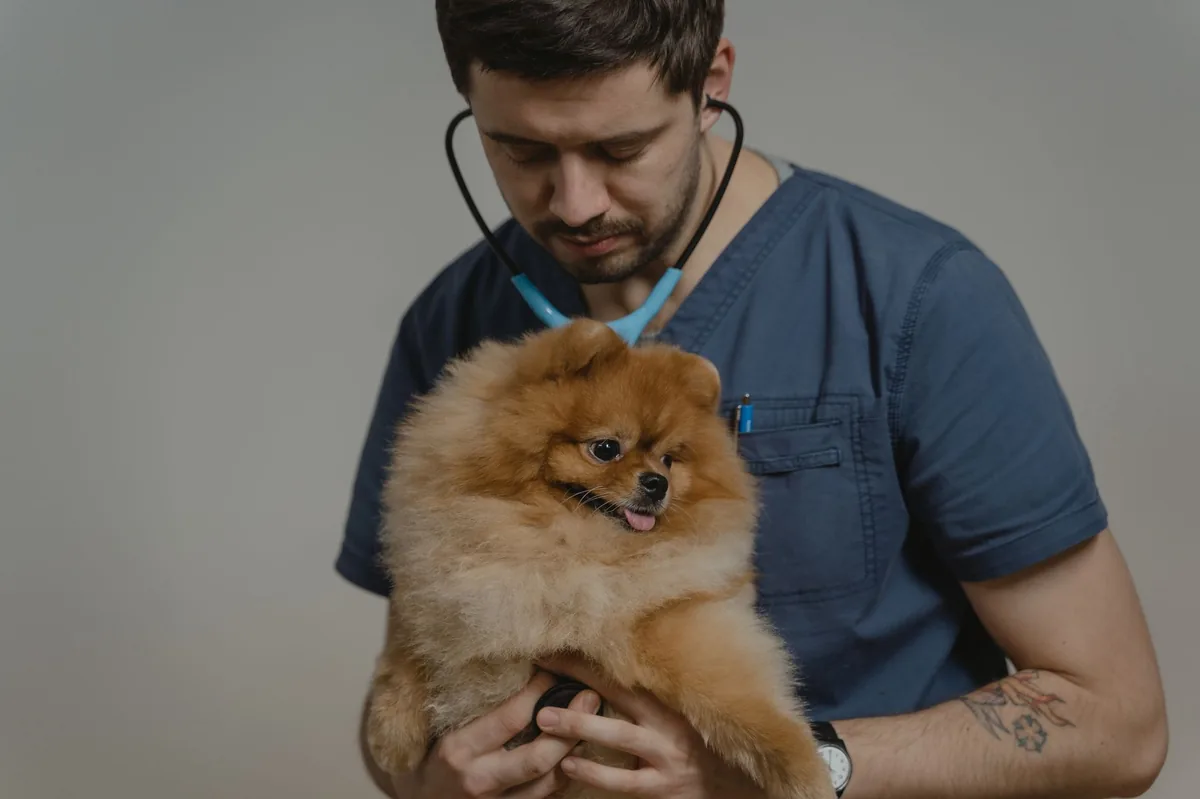
Call your vet today if you notice any of the moderate signs above—especially persistent diarrhea, vomiting, or a fever. These indicate that the infection is progressing and fluid therapy may be needed.
Go to an emergency veterinary hospital right now if you see any severe signs: bloody diarrhea, signs of shock (very weak pulse, rapid breathing, cold limbs), or if your dog collapses. These are life‑threatening emergencies that require IV fluids and possibly blood transfusions.
This article is for informational purposes only and does not replace a professional veterinary exam.
How vets diagnose it
Because C. piliforme cannot be grown on routine bacterial culture, veterinarians rely on a combination of history, physical exam, and advanced diagnostics.
- History & physical exam: The vet will ask about recent exposure to rodents, changes in environment, and vaccination status, then assess gum color, hydration, and abdominal pain.
- Blood work: A CBC often reveals a neutrophilic leukocytosis (high white blood cells) and sometimes anemia. Liver enzymes (ALT, ALP) may be elevated if the liver is involved.
- Fecal PCR: Polymerase chain reaction testing can detect C. piliforme DNA in stool samples. This is the most sensitive and specific test available.
- Fecal smear or histopathology: In rare cases, a tissue biopsy of the intestine (usually obtained via endoscopy) can show characteristic intracellular bacteria.
- Ultrasound: May reveal thickened intestinal walls or hepatic changes, helping to rule out other causes.
These tests together give the vet a clear picture of whether Tyzzer disease is present and how severe the infection has become.
Treatment options
Medical treatment
Supportive care is the cornerstone of therapy. Most dogs will need:
- Fluid therapy: Intravenous or subcutaneous fluids to correct dehydration and electrolyte imbalances.
- Antibiotics: Broad‑spectrum agents effective against anaerobic bacteria are standard. Common choices include metronidazole, clindamycin, and ampicillin‑sulbactam. Your vet will select the drug based on severity, age, and any known drug sensitivities. Ask our experts if you need clarification on the options.
- Antiemetics: Medications such as maropitant (Cerenia) help control vomiting and improve appetite.
- Probiotics: Strains like Enterococcus faecium can aid gut flora recovery, especially after antibiotics.
All drug choices should be discussed with your veterinarian; dosing is always weight‑based and tailored to your dog’s condition.
Supplements and supportive care
While antibiotics fight the bacteria, certain supplements can smooth the road to recovery:
- Omega‑3 fatty acids (EPA/DHA): Reduce intestinal inflammation and support skin health. A high‑quality fish oil added to meals can be beneficial.
- Vitamin B complex: Helps counteract any loss of appetite and supports energy metabolism during the convalescent phase.
- Electrolyte powders: For dogs that are still drinking but have ongoing diarrhea, a veterinarian‑approved electrolyte supplement can prevent further depletion.
These are adjuncts—never replacements for antibiotics and fluid therapy.
Procedures or surgery
Surgery is rarely needed for Tyzzer disease because the infection is primarily intestinal and resolves with medical management. In extreme cases where intestinal necrosis has occurred (very uncommon), a surgical intervention might be required, but this is a last‑resort scenario and carries a high cost and recovery time.
Diet and nutrition
Nutrition plays a pivotal role in both the acute phase and the recovery period. The goal is to provide a highly digestible, low‑fat diet that eases the gut while delivering enough calories to prevent weight loss.
During the first 24‑48 hours of treatment, many vets recommend a bland, easily digestible diet such as:
- Boiled chicken (no skin, no bones) mixed with plain white rice
- Cooked sweet potato puree
- Low‑fat, low‑fiber commercial “gastrointestinal” formulas (e.g., Hill’s i/d, Royal Canin Gastrointestinal, Purina HA)
Feed small, frequent meals (3–4 times a day) and gradually increase portion size as stool consistency improves. Avoid any treats, table scraps, or high‑fat foods until the veterinarian gives the green light.
Once the acute episode subsides, transition to a maintenance diet that continues to support gut health:
| Do feed | Limit | Avoid |
|---|---|---|
| Highly digestible protein (boiled chicken, turkey, low‑fat cottage cheese) | Medium‑fat foods (lean beef, fish) | High‑fat treats (bacon, cheese) |
| Complex carbohydrates (white rice, pumpkin puree, sweet potato) | Raw meat (unless previously tolerated) | Spicy or heavily seasoned foods |
| Prescription GI diet if recommended by vet | Large amounts of fiber (bran, wheat) | Dairy products (may worsen diarrhea) |
Hydration is equally important. Offer fresh water at all times, and consider adding a teaspoon of low‑salt broth to encourage drinking. For dogs reluctant to drink, a syringe‑fed water or electrolyte solution can be used under veterinary guidance.
During recovery, monitor body condition score (BCS) weekly. If weight loss exceeds 5 % of body weight, contact your vet—additional caloric supplementation may be needed.
Finally, remember that any diet change should be introduced over 5–7 days to avoid upsetting the gut. Mix a small amount of the new food with the old, gradually increasing the proportion.

Cost and prognosis
Because Tyzzer disease is uncommon, exact cost figures vary by region, but we can give you a realistic range based on typical veterinary pricing.
| Item | US estimate | UK estimate |
|---|---|---|
| Initial exam & blood work | $80–$150 | £60–£120 |
| Fecal PCR test | $120–$250 | £90–£180 |
| IV fluid therapy (24 h) | $150–$400 | £100–£250 |
| Antibiotics (course) | $30–$100 | £20–£80 |
| Hospitalization (if needed) | $500–$1,500 | £300–£900 |
| Total typical cost | $800–$2,400 | £560–£1,630 |
Prognosis hinges on age, speed of treatment, and overall health. Puppies caught early have a good chance of full recovery—up to 80 % survival in reported cases. Senior dogs or those with concurrent illnesses may have a more guarded outlook, with recovery times ranging from 2 weeks to several months. Even after clinical signs resolve, some dogs may retain mild gastrointestinal sensitivity for weeks.
Prevention and home care
Because there is no vaccine for Tyzzer disease, prevention focuses on hygiene and environmental control:
- Rodent control: Use sealed bait stations and keep food stored in airtight containers. Regularly inspect basements, garages, and outdoor sheds for signs of mice or rats.
- Clean water sources: Provide fresh water daily and clean bowls with hot, soapy water. Avoid allowing dogs to drink from puddles or stagnant ponds.
- Sanitation: Pick up feces promptly, especially in multi‑dog households or kennels. Disinfect surfaces with a 1 % bleach solution (1 part bleach to 99 parts water) and let it sit for at least 10 minutes before rinsing.
- Stress reduction: Maintain a calm routine, avoid sudden changes in diet or environment, and provide a quiet, comfortable resting area.
- Regular veterinary check‑ups: Senior dogs benefit from annual health screens that can catch early immune issues before they become serious.
If your dog has recovered from Tyzzer disease, continue monitoring for any recurring GI signs for at least three months. A follow‑up fecal PCR can confirm clearance, especially in multi‑dog homes where another pet might be an asymptomatic carrier.
From our vet team: “Owners often panic when they see pale gums or sudden diarrhea, but remember that Tyzzer disease responds well to prompt fluid therapy and the right antibiotics. Keep a close eye on hydration, and don’t hesitate to call your vet the moment you notice any red‑flag signs—early intervention is the key to a happy recovery.”
Key takeaways
- Tyzzer disease is a bacterial infection caused by Clostridium piliforme, most often affecting puppies and senior dogs.
- Watch for sudden watery or bloody diarrhea, vomiting, fever, and pale gums—these are signs to call your vet immediately.
- Diagnosis relies on fecal PCR, blood work, and a thorough history; culture alone is rarely helpful.
- Treatment includes IV fluids, antibiotics such as metronidazole or clindamycin, and supportive care like bland diets and probiotics.
- Good hygiene, rodent control, and regular vet visits are the best ways to prevent infection.
- Costs can range from $800 to $2,400 in the US, with a generally favorable prognosis when caught early.
Myth vs. fact
Myth: Tyzzer disease is the same as parvovirus.
Fact: While both cause severe diarrhea, Tyzzer disease is caused by a bacterial pathogen (C. piliforme) and is diagnosed with PCR, whereas parvovirus is viral and requires a different vaccine and treatment protocol.
Myth: You can treat Tyzzer disease at home with over‑the‑counter meds.
Fact: Effective treatment requires prescription antibiotics and often intravenous fluids—only a veterinarian can safely manage dosing and monitor complications.
Myth: Once a dog recovers, it will never get Tyzzer disease again.
Fact: Dogs can be re‑exposed if environmental contamination persists; ongoing hygiene is essential to prevent recurrence.
Frequently asked questions
What causes Tyzzer disease in dogs?
The infection comes from ingesting Clostridium piliforme, usually via contaminated feces, water, or soil that has been exposed to infected rodents.
What symptoms should I watch for with Tyzzer disease?
Key signs include sudden watery or bloody diarrhea, vomiting, fever, lethargy, pale gums, and rapid weight loss. Any of these warrant a veterinary call.
How quickly does Tyzzer disease progress in a dog?
In puppies, the disease can become critical within 24–48 hours; in adult dogs, progression is often a few days but can still lead to severe dehydration if untreated.
Can I treat Tyzzer disease at home or do I need a vet?
Veterinary care is essential. You’ll need fluids, antibiotics, and possibly hospitalization—things that can’t be safely managed at home.
Is Tyzzer disease preventable with vaccination or hygiene?
There is no vaccine, so prevention centers on strict hygiene, rodent control, and proper sanitation of water and food bowls.
Will my dog fully recover after treatment for Tyzzer disease?
Most dogs that receive prompt treatment recover fully. Some seniors may have lingering mild GI sensitivity, but with proper diet and follow‑up care most return to normal activity.
Ask the PuppaDogs community
Have a question this article didn’t fully answer? Want to compare notes with other dog owners who’ve been through this? Our community forum is moderated by experienced owners and vets — and answers tend to come fast. Ask in the PuppaDogs community →
References
- American Animal Hospital Association (AAHA). 2023 Canine Infectious Disease Guidelines.
- Merck Veterinary Manual. “Clostridial Enteritis” chapter.
- World Small Animal Veterinary Association (WSAVA). “Guidelines for Management of Bacterial Gastroenteritis in Dogs.”
- Cornell University College of Veterinary Medicine. “Tyzzer Disease (Clostridium piliforme) in Companion Animals.”
- American College of Veterinary Internal Medicine (ACVIM). “Consensus Statement on Antimicrobial Therapy for Canine Gastrointestinal Infections.”
- AVMA. “Fecal PCR Testing for Enteric Pathogens.”
- UC Davis School of Veterinary Medicine. “Rodent‑Associated Zoonoses and Prevention in Pets.”
- Cost.puppadogs.com. “Typical Veterinary Service Costs – 2024 Update.”
- PuppaDogs community forum. “Owner experiences with Tyzzer disease.”


