












Quick take: Jaw paralysis in dogs—often caused by facial nerve injury or disease—shows up as a drooping mouth, difficulty chewing, and drooling. Prompt veterinary evaluation is essential; many cases improve with medical therapy, but surgery may be needed for tumors or severe trauma.
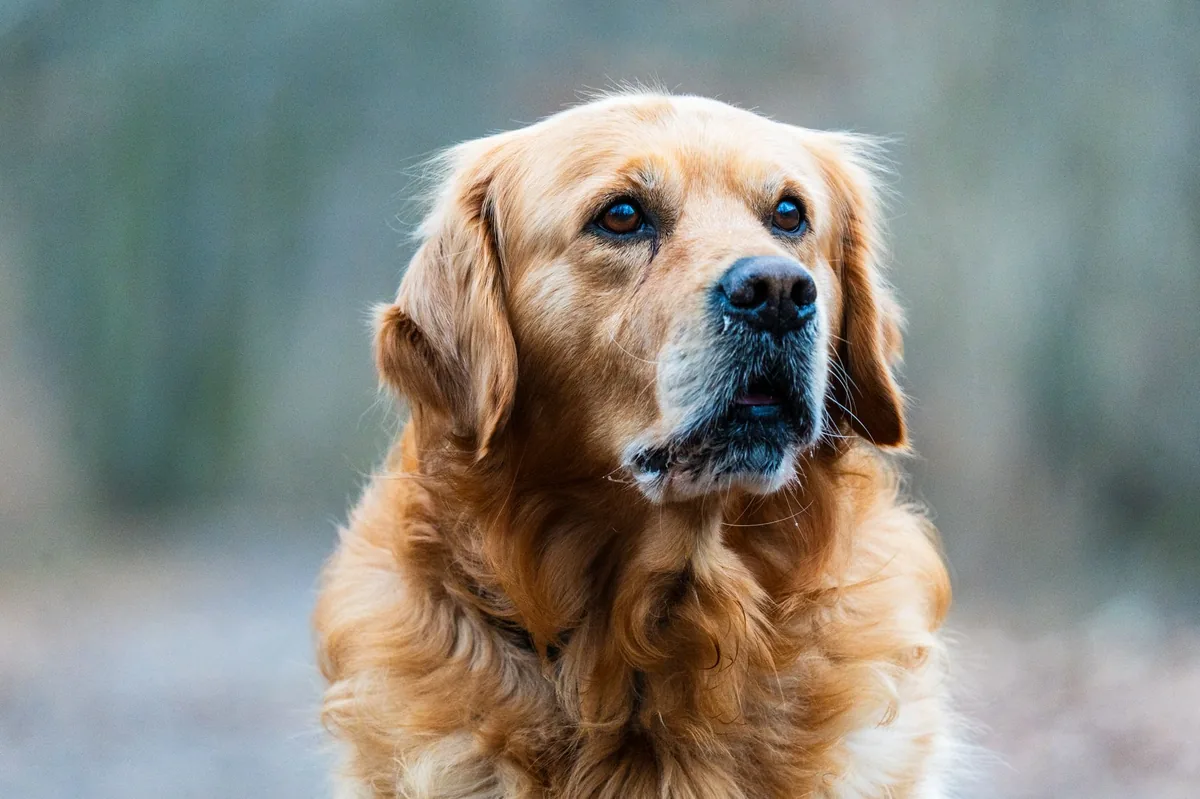
It’s 9 p.m., the house is quiet, and your normally enthusiastic Golden Retriever doesn’t even lift his head to greet you. Instead, his lower jaw hangs loosely, and a thin stream of saliva drips from the corner of his mouth. Your heart races as you search “dog jaw droop” on your phone, wondering if this could be something you can fix at home.
We understand how unsettling this looks. Jaw paralysis—technically facial nerve (cranial nerve VII) dysfunction—can stem from a range of issues, from a simple bite wound to a brain tumor. While the condition can be serious, many dogs regain function with proper care.
In this guide we’ll explain what jaw paralysis is, why it happens, what signs to watch for, how vets diagnose it, treatment options (including costs), nutrition tips for recovery, and ways to prevent it in the future. By the end you’ll know exactly what steps to take tonight and how to support your dog’s healing journey.
What is paralysis of the jaw in dogs?
Paralysis of the jaw in dogs refers to loss of movement in the muscles that open and close the mouth, most often because the facial nerve (cranial nerve VII) is damaged or impaired. The facial nerve controls not only the jaw muscles but also the whisker muscles, tear production, and some facial expression. When it’s compromised, the lower jaw may droop, the dog may have trouble chewing, and drooling can increase.
Although any breed can be affected, studies from the American College of Veterinary Neurology (ACVN) indicate that facial nerve paralysis accounts for roughly 5‑10 % of all canine neurologic cases seen in referral hospitals. The condition can be temporary (lasting days to weeks) or permanent, depending on the underlying cause.
What causes jaw paralysis in dogs?
The underlying cause determines the treatment plan and prognosis. Common categories include:
- Trauma: Bite wounds, blunt force injuries, or surgical complications that damage the nerve.
- Neoplasia: Tumors (e.g., mast cell tumor, schwannoma) that compress or invade the facial nerve.
- Infections & inflammation: Ear infections (otitis media), tick‑borne diseases (e.g., Ehrlichiosis), or autoimmune disorders.
- Neurologic disease: Degenerative conditions such as idiopathic facial nerve paralysis (similar to Bell’s palsy in humans) or central nervous system lesions.
- Post‑surgical complications: After dental extractions or maxillofacial surgery, swelling or scar tissue can affect nerve function.
Signs and symptoms
Early signs are often subtle, while severe cases become unmistakable. Below is a quick guide to what you might notice:
| Stage | Typical signs |
|---|---|
| Mild | Slight mouth droop on one side, occasional drooling, reluctance to chew hard kibble. |
| Moderate | Pronounced jaw droop, difficulty picking up treats, facial asymmetry, reduced tear production on the affected side. |
| Severe | Complete inability to close the mouth, excessive drooling, loss of whisker movement, possible ear pain, and difficulty swallowing. |
Because the facial nerve also influences tear production, a dry eye on the affected side can develop, leading to corneal irritation if left untreated.
When to call your vet
Call your regular vet today if you see any of the following:
- Jaw droop or asymmetry lasting more than 12 hours.
- Drooling that is new or worsening.
- Reluctance to eat or chew, even soft foods.
- Visible swelling or pain around the jaw or ear.
Go to an emergency veterinary hospital right now if you notice:
- Severe drooling with signs of choking or difficulty breathing.
- Sudden onset after a traumatic event (e.g., hit by a car).
- Bleeding from the mouth or face.
- Signs of a stroke‑like event (collapse, unresponsiveness).
These recommendations are for information only and do not replace a hands‑on veterinary exam.
How vets diagnose jaw paralysis
Diagnosing facial nerve paralysis involves a stepwise work‑up:
- History and physical exam: Your vet will ask when the signs began, any recent injuries, surgeries, or tick exposure.
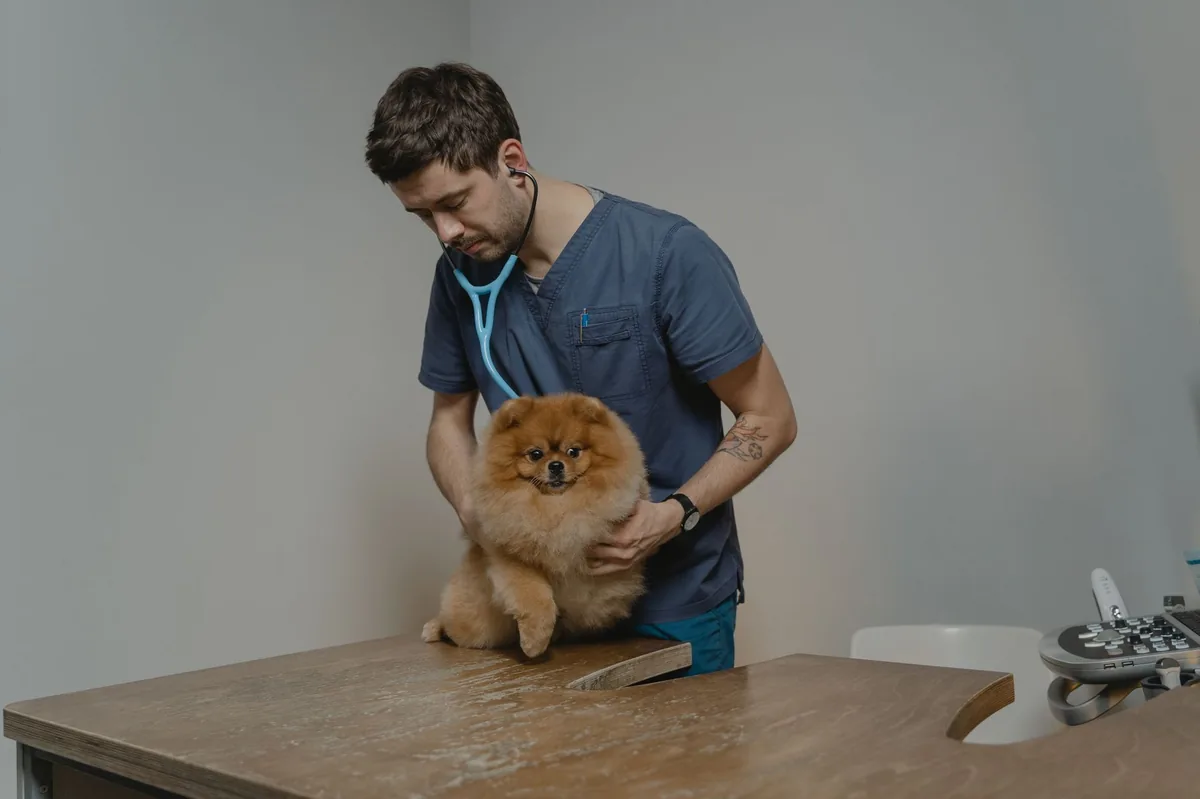
- Neurological exam: The vet assesses facial symmetry, ear flick, blink reflex, and ability to close the mouth.
- Imaging: Radiographs rule out fractures; advanced imaging (CT or MRI) visualizes tumors, abscesses, or nerve compression.
- Electromyography (EMG): Measures electrical activity in jaw muscles to confirm nerve dysfunction.
- Laboratory tests: Blood work screens for infectious diseases, inflammation, or metabolic disorders that could affect nerves.
These tests help pinpoint the cause, which guides the treatment plan.
Treatment options
Medical treatment
When the cause is inflammatory or infectious, medications are first‑line:
- Anti‑inflammatories: Steroids such as prednisone are commonly used to reduce nerve swelling.
- Antibiotics or antiparasitics: For bacterial ear infections or tick‑borne diseases (e.g., doxycycline for Ehrlichiosis).
- Antiviral or immunosuppressive drugs: In cases of autoimmune facial nerve paralysis, drugs like azathioprine may be prescribed.
- Ask your vet about these options; dosing will depend on your dog’s weight and severity.
Supplements and supportive care
While supplements can’t replace medical therapy, they may aid recovery:
- Omega‑3 fatty acids (EPA/DHA): Support nerve health and reduce inflammation.
- Vitamin B‑complex: May help nerve regeneration, especially B12 (cobalamin) in cases of neuropathy.
- Probiotics: Useful if the dog is on antibiotics to maintain gut health.
Discuss any supplement with your vet to avoid interactions.
Procedures or surgery
Surgical intervention is considered when a tumor, severe trauma, or chronic compression is identified:
- Tumor excision: Removal of a mast cell tumor or schwannoma can relieve pressure on the facial nerve.
- Decompression surgery: In cases of bone fracture or scar tissue, the surgeon may free the nerve.
- Physical therapy: Targeted facial muscle exercises, often guided by a veterinary rehabilitation specialist, improve function.
Recovery from surgery can take 4‑12 weeks, and post‑operative care includes pain management, wound monitoring, and gradual re‑introduction of normal diet.
Diet and nutrition
Feeding a dog with jaw paralysis requires a focus on easy‑to‑chew or soft foods while maintaining balanced nutrition. The goal is to keep caloric intake high enough to support healing without forcing the dog to chew.
| Food category | Recommendations |
|---|---|
| Do feed | Wet dog food, low‑fat canned meat, soft‑cooked chicken or turkey (skinless), scrambled eggs, pumpkin puree, low‑sodium broth. |
| Limit | Dry kibble (unless softened), raw bones, chewy treats, foods high in sodium or fat that could exacerbate inflammation. |
| Avoid | Hard biscuits, rawhide, tough jerky, foods that require extensive chewing, and any diet high in artificial additives. |
Most owners find success by soaking dry kibble in warm water or low‑sodium broth for 10‑15 minutes until it softens. This makes the food easier to lap and reduces the effort required to close the mouth.
If your dog is already on a therapeutic diet (e.g., renal or hypoallergenic), continue it—just soften the kibble. For dogs without a special diet, aim for a protein‑rich, highly digestible formula that meets AAFCO nutrient profiles. Adding a spoonful of plain Greek yogurt can provide probiotics and extra calories.
Transition gradually: start with 75 % softened food mixed with 25 % pureed meat, then increase the softened portion over 3‑4 days. Monitor weight daily; a loss of more than 5 % of body weight in a week warrants a call to your vet.
Hydration is critical. Encourage water intake with a shallow bowl or a pet‑friendly water fountain. If your dog can’t drink, your vet may place a feeding tube (esophagostomy) temporarily.
For more detailed feeding calculations, try our dog health calculator to estimate daily calorie needs based on weight and activity level.
Cost and prognosis
Expenses vary widely based on the cause, diagnostics, and treatment chosen. Below are typical ranges (U.S. and U.K. estimates):
| Service | U.S. estimate | U.K. estimate |
|---|---|---|
| Initial exam & basic bloodwork | $80‑$150 | £60‑£120 |
| Advanced imaging (CT/MRI) | $800‑$2,200 | £600‑£1,500 |
| EMG testing | $300‑$500 | £250‑£400 |
| Medical management (meds 2‑4 weeks) | $100‑$400 | £80‑£300 |
| Surgical tumor removal | $2,500‑$6,500 | £2,000‑£5,000 |
| Post‑op rehab (6‑8 weeks) | $500‑$1,200 | £400‑£900 |
Prognosis depends on the underlying cause. Idiopathic facial nerve paralysis often resolves within 4‑6 weeks, with a good to excellent outcome in 80‑90 % of cases. Trauma‑related paralysis may improve over months if nerve fibers regenerate. Tumors or severe nerve damage can lead to permanent dysfunction, but even then supportive care can maintain quality of life.
Prevention and home care
While some causes (e.g., tumors) aren’t preventable, many risk factors are manageable:
- Dental surgery care: Follow post‑operative instructions meticulously—keep the mouth clean, monitor for swelling, and limit hard treats for 2‑3 weeks.
- Tick control: Use veterinarian‑recommended tick preventatives year‑round; many infections that affect nerves are tick‑borne.
- Safe environment: Prevent head injuries by supervising dogs during play, especially around stairs, fences, and traffic.
- Regular check‑ups: Annual wellness exams can catch early signs of ear infections or neurologic disease.
- Facial muscle exercises: After vet clearance, gentle chewing on soft toys can stimulate nerve recovery.
During recovery, keep your dog’s head elevated with a soft pillow, and offer meals in a shallow dish to reduce the effort needed to lift the jaw.
From our vet team: “When facial nerve paralysis is caught early, many dogs bounce back with just medication and supportive care. The key is to act quickly—don’t wait for the droop to get worse. Ask your vet about a soft‑food diet and a short course of steroids, and keep an eye on tear production to protect the eye.”
Key takeaways
- Jaw paralysis usually signals facial nerve injury; early veterinary evaluation is crucial.
- Common causes include trauma, tumors, infections, and post‑surgical swelling.
- Watch for drooping jaw, difficulty chewing, and excessive drooling; seek care promptly.
- Diagnostics may involve blood work, imaging, and EMG to identify the underlying problem.
- Treatment ranges from anti‑inflammatories and antibiotics to surgery and rehabilitation.
- Provide soft, nutrient‑dense foods and maintain hydration while the jaw heals.
Myth vs. fact
Myth: Jaw paralysis always means a tumor.
Fact: While tumors are a serious cause, many cases are due to trauma or temporary inflammation, which can improve with medical therapy.
Myth: Dogs with facial nerve paralysis can’t eat at all.
Fact: Most dogs can manage softened foods or wet diets; feeding tubes are only needed in severe cases.
Myth: The condition is always permanent.
Fact: Idiopathic facial nerve paralysis often resolves within weeks to months, especially with prompt treatment.
Frequently asked questions
What are the early signs of jaw paralysis in a dog?
Early signs include a subtle droop on one side of the mouth, mild drooling, and reluctance to chew hard kibble. Owners often notice the dog taking longer to eat or preferring softer foods.
Can a dog recover from facial nerve paralysis without surgery?
Yes—many dogs improve with anti‑inflammatory medication, antibiotics (if an infection is present), and supportive care. Surgery is reserved for tumors, severe fractures, or chronic compression that doesn’t respond to medical therapy.
Is jaw paralysis in dogs usually caused by trauma or disease?
Both are common. Trauma accounts for about 30‑40 % of cases, while neoplasia and infectious/inflammatory diseases make up the remainder. The exact proportion varies by region and breed.
How much does treatment for canine jaw paralysis typically cost?
Overall costs range from $500‑$1,200 for simple medical management to $2,500‑$6,500 for surgical tumor removal, plus additional expenses for imaging, rehab, and follow‑up visits.
What breeds are most at risk for jaw paralysis?
Medium‑to‑large breeds such as Golden Retrievers, Labrador Retrievers, and German Shepherds appear more frequently in reports, likely due to their size and propensity for head injuries. However, any breed can be affected.
Will my dog be able to eat normally after jaw paralysis treatment?
Most dogs return to a normal diet once the nerve function recovers, which can take weeks to months. During recovery, soft or wet foods are recommended, and a gradual re‑introduction of kibble is advised.
Ask the PuppaDogs community
Have a question this article didn’t fully answer? Want to compare notes with other dog owners who’ve been through this? Our community forum is moderated by experienced owners and vets — and answers tend to come fast. Ask in the PuppaDogs community →
References
- American College of Veterinary Neurology (ACVN). “Facial Nerve Disorders in Dogs.” 2022.
- American Animal Hospital Association (AAHA). “Canine Neurologic Examination Guidelines.” 2023.
- Merck Veterinary Manual. “Facial Nerve Paralysis.” Updated 2024.
- American Veterinary Medical Association (AVMA). “Tick‑borne Diseases in Dogs.” 2023.
- World Small Animal Veterinary Association (WSAVA). “Pain Management in Dogs.” 2022.
- American Kennel Club (AKC). “Breed Predispositions to Neurologic Conditions.” 2023.
- UC Davis Veterinary Medicine. “Canine Facial Nerve Anatomy.” 2021.
- Plumb’s Veterinary Drug Handbook. “Common Medications for Canine Neurologic Disorders.” 2023.
- AAHA/AVMA. “Guidelines for Post‑Dental Surgery Care.” 2022.


