
















Quick take: Antibiotic‑resistant bacterial infections in dogs are infections caused by bacteria that no longer respond to one or more commonly used antibiotics. They’re becoming more common worldwide, especially in dogs that have been on repeated antibiotics or have frequent hospital visits. Prompt veterinary care, culture‑based testing, and prudent use of antibiotics are key to managing these infections and protecting your dog’s health.
It’s 9 p.m., and you’ve just noticed your 7‑year‑old golden retriever, Max, is coughing more than usual and seems unusually lethargic. A quick glance at his gums reveals a faint pink instead of the vibrant red you’re used to. You remember a recent stint of ear infections that required a three‑week course of antibiotics, and a quick search on your phone brings up headlines about “superbugs” in pets. Your heart races, and the urge to panic is strong—but you’re not alone. Many owners face this same moment, and the good news is that with the right steps, most dogs recover fully.
In this guide, we’ll explain exactly what antibiotic‑resistant bacterial infections are, why they happen, and how you can spot them early. We’ll walk through what your vet will do to diagnose the problem, the treatment options—including the role of culture‑based therapy and supportive care—cost considerations, and practical ways to prevent resistance from developing in the first place. By the end, you’ll have a clear plan for protecting Max (and any other canine family members) from these challenging infections.
What is antibiotic‑resistant bacterial infection in dogs?
Antibiotic‑resistant bacterial infection in dogs occurs when bacteria that normally cause disease evolve mechanisms that let them survive despite the presence of antibiotics that would normally kill them or stop their growth. This resistance can develop naturally over time, but misuse or overuse of antibiotics accelerates the process. According to the American Veterinary Medical Association (AVMA), resistant infections are now a leading cause of treatment failure in companion animals, especially in dogs with recurrent or chronic infections.
What causes antibiotic resistance in dogs?
Resistance arises from several overlapping factors. Below are the most common contributors:
- Repeated or inappropriate antibiotic use: Giving antibiotics for viral infections, using the wrong drug, or stopping a course early can leave surviving bacteria to adapt.
- Hospital exposure: Veterinary clinics, especially those with intensive care units, can harbor resistant strains that spread between patients.
- Environmental reservoirs: Contaminated water, soil, or surfaces can carry resistant bacteria, which dogs pick up during walks or play.
- Compromised immunity: Dogs with underlying conditions (e.g., diabetes, cancer) are more likely to develop infections that require antibiotics, increasing exposure risk.
Signs and symptoms
Early signs of a resistant infection often mimic a regular bacterial infection, making it easy to miss the resistance component until treatment fails. The table below outlines typical progression.
| Stage | Signs |
|---|---|
| Mild | Localized redness, mild discharge, low‑grade fever, reduced appetite. |
| Moderate | Persistent cough, pus‑filled wounds, vomiting, noticeable lethargy, pale gums. |
| Severe | High fever (>103 °F), rapid breathing, organ dysfunction, septic shock, refusal to eat or drink. |
Key red flags that suggest resistance include lack of improvement after 48–72 hours of appropriate antibiotics, worsening symptoms despite treatment, or recurrent infections at the same site.

When to call your vet
Call your vet today if you notice any of the mild or moderate signs listed above, especially if symptoms persist beyond three days or worsen after a short course of antibiotics.
Go to an emergency veterinary hospital now if your dog shows severe signs—high fever, rapid breathing, seizures, or signs of shock (cold limbs, weak pulse, collapsed demeanor). These are life‑threatening and require immediate IV fluids, supportive care, and possibly broad‑spectrum antibiotics while awaiting culture results.
This article is for information only and does not replace a hands‑on examination by a qualified veterinarian.
How vets diagnose antibiotic‑resistant infections
Diagnosis starts with a thorough history: previous antibiotic courses, recent surgeries, and any exposure to other sick animals. The physical exam focuses on the infection site, temperature, heart rate, and gum color.
Key diagnostic tools include:
- Culture and sensitivity testing: A sample (e.g., wound swab, urine, or blood) is grown in a lab to identify the bacterial species and test which antibiotics it remains susceptible to.
- Complete blood count (CBC) and chemistry panel: These blood tests reveal systemic effects like anemia or organ stress that can guide treatment intensity.
- Imaging (X‑ray, ultrasound): Helps locate hidden abscesses or assess organ involvement.
- Polymerase chain reaction (PCR) panels: In some cases, rapid molecular tests can detect resistance genes, especially for common pathogens like MRSA (methicillin‑resistant Staphylococcus aureus).
Treatment options
Medical treatment
Once a culture identifies the culprit, the vet will prescribe a targeted antibiotic—often a drug the bacteria have not yet resisted. Common classes used for resistant infections include:
- Fluoroquinolones (e.g., enrofloxacin) – broad‑spectrum, often reserved for serious infections.
- Third‑generation cephalosporins (e.g., cefovecin) – injectable options for owners who struggle with oral dosing.
- Oxazolidinones (e.g., linezolid) – used in rare, multi‑drug‑resistant cases, typically under specialist guidance.
Ask your vet about these options; dosing is always weight‑based and adjusted for kidney or liver function.
Supplements and supportive care
While supplements don’t replace antibiotics, they can aid recovery:
- Omega‑3 fatty acids (EPA/DHA): Anti‑inflammatory properties that may help tissue healing.
- Probiotics (e.g., Enterococcus faecium): Support gut flora during and after antibiotic therapy, reducing diarrhea risk.
- Vitamin C and E: Antioxidants that may mitigate oxidative stress from infection.
Only introduce supplements after discussing them with your vet, especially if your dog has kidney disease or is on other medications.
Procedures or surgery
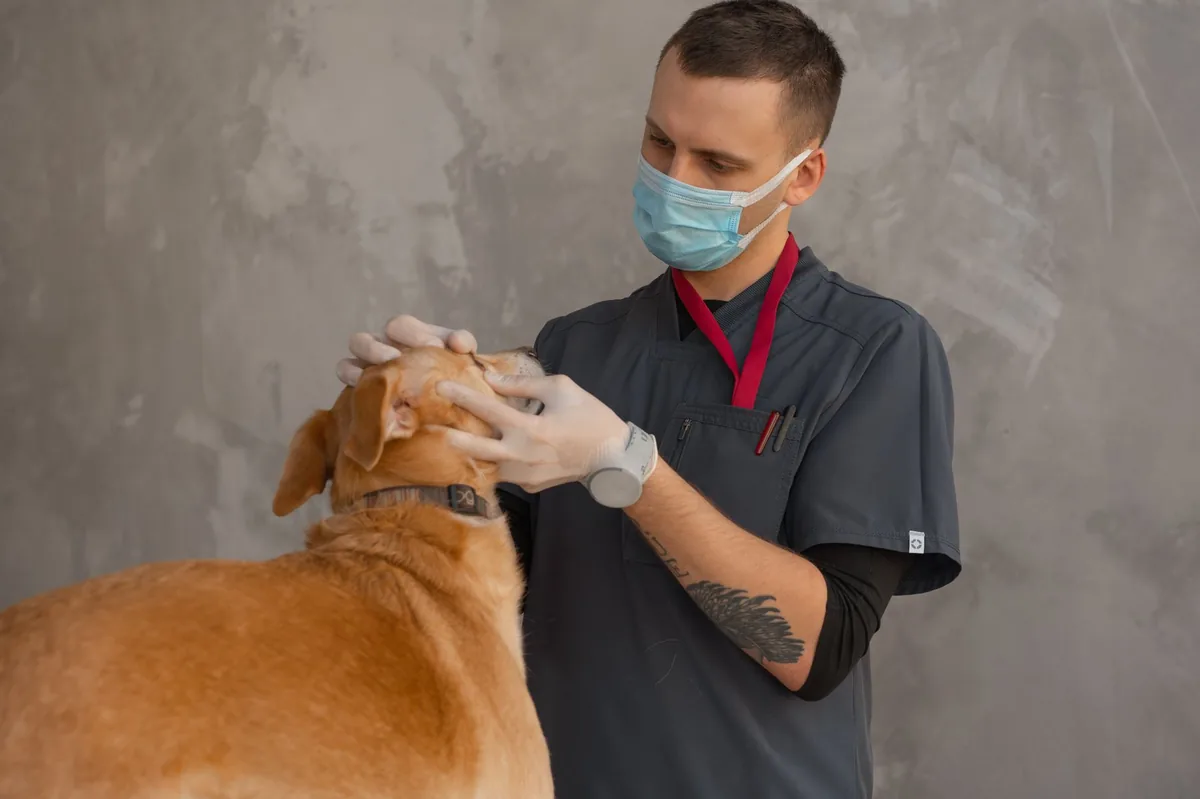
Some resistant infections form abscesses or infected implants that need drainage or removal. Surgical debridement, combined with targeted antibiotics, often yields the best outcomes. Recovery can take 2–4 weeks, with follow‑up cultures to ensure clearance. Costs vary widely, typically ranging from $1,200 to $3,500 USD for a standard procedure, plus hospital stay and medication fees.
Diet and nutrition
Nutrition plays a supportive role in fighting infection and preventing recurrence. While no single “superfood” can cure resistance, feeding a balanced, highly digestible diet helps the immune system stay strong and reduces stress on vital organs.
Foods to favor
- High‑quality protein: Easily digestible animal proteins (chicken, turkey, fish) provide the amino acids needed for immune cells and tissue repair.
- Complex carbohydrates: Sweet potatoes, pumpkin, and brown rice supply steady energy without spiking blood sugar, which can impair immunity.
- Omega‑3 enriched foods: Commercial diets enriched with fish oil or flaxseed can reduce inflammation and support skin and coat health.
- Limited sodium: Excess salt can strain kidneys, especially when they’re already taxed by infection‑related toxins.
Foods to limit or avoid
- Highly processed kibble with artificial additives: May increase gut permeability and inflammation.
- Raw meat diets that are not properly handled: Can introduce additional resistant bacteria, especially if sourced from high‑risk animals.
- Excessive treats or fatty foods: Can impede recovery by promoting weight gain and metabolic stress.
When an infection affects the gastrointestinal tract, veterinarians may recommend a therapeutic diet formulated for easy digestibility, such as a “moderate‑calorie, low‑fat, highly digestible” prescription diet. These diets are not brand‑specific; they focus on nutrient density and reduced antigen load.
Feeding schedule matters too. Small, frequent meals (3–4 times daily) can improve nutrient absorption, especially if the dog is anorexic. Gradual transition—mixing 25 % new food with 75 % old for 3 days, then 50/50, and so on—helps prevent gastrointestinal upset.
Hydration is critical. Offer fresh water constantly, and consider adding a low‑sodium broth or water‑enhanced gel to encourage intake, especially if the dog is reluctant to drink.
Finally, discuss any dietary changes with your vet. They can tailor the plan based on your dog’s weight, age, kidney and liver function, and the specific pathogen involved.
| Dietary recommendation | Do feed | Limit | Avoid |
|---|---|---|---|
| Protein source | Cooked chicken, turkey, fish | Ground meat with high fat | Raw pork, unpasteurized dairy |
| Carbohydrate | Sweet potato, pumpkin, brown rice | White rice (excess) | Highly processed grain fillers |
| Fats | Omega‑3 enriched oil, modest animal fat | Excessive butter or lard | Fried foods |
Cost and prognosis
The financial impact of a resistant infection varies with the infection’s location, severity, and required diagnostics. Below are typical U.S. and U.K. cost ranges (estimates only):
| Item | U.S. (USD) | U.K. (GBP) |
|---|---|---|
| Initial vet exam | $50–$100 | £40–£80 |
| Culture & sensitivity | $120–$250 | £90–£200 |
| Targeted antibiotic (2‑week course) | $80–$200 | £60–£150 |
| Surgical drainage (if needed) | $1,200–$3,500 | £900–£2,500 |
| Hospitalization (IV fluids, monitoring) | $500–$1,500 per day | £350–£1,000 per day |
Prognosis depends on early detection and appropriate therapy. For many skin or urinary tract infections, cure rates exceed 85 % when culture‑guided antibiotics are used. More invasive infections (e.g., septic arthritis) have lower success rates, ranging from 60–75 %.
Long‑term outlook is generally good if the infection is fully cleared and your dog’s immune system remains robust. However, recurrent resistant infections can become a chronic issue, emphasizing the need for preventive measures.
Prevention and home care
Preventing resistance starts with responsible antibiotic use and good hygiene:
- Only give antibiotics when prescribed: Never use leftover meds or human antibiotics for your dog.
- Complete the full course: Even if your dog seems better after a few days, finishing the prescribed duration reduces survival of partially resistant bacteria.
- Regular wellness exams: Early detection of underlying conditions (diabetes, immune disorders) reduces the need for frequent antibiotics.
- Clean environments: Disinfect bowls, bedding, and grooming tools with pet‑safe cleaners after each use.
- Vaccinations and parasite control: Keeping your dog up‑to‑date with core vaccines and flea/tick preventatives reduces secondary bacterial infections.
Monitor your dog’s health daily—watch for changes in appetite, energy, or skin condition. If you notice any of the mild signs listed earlier, schedule a vet appointment promptly. For ongoing guidance, our Dog Questions Answered page offers quick references, and the cost calculator can help you plan financially.
From our vet team: “The biggest weapon against resistant infections is communication. Let your vet know every antibiotic your dog has ever taken, and don’t be afraid to ask for a culture before starting a new drug. It may cost a little more upfront, but it saves both money and your dog’s health in the long run.”
Key takeaways
- Antibiotic‑resistant infections happen when bacteria survive standard drugs; they’re more common after repeated antibiotic use.
- Early signs include persistent cough, pus‑filled wounds, pale gums, and lack of improvement after 48 hours of treatment.
- Culture and sensitivity testing is the gold standard for identifying the right drug and avoiding further resistance.
- Targeted antibiotics, supportive supplements, and, when needed, surgical drainage are the main treatment pillars.
- Feed a high‑quality, easily digestible diet rich in protein and omega‑3s, while limiting processed foods and raw meat from uncertain sources.
- Prevent resistance by using antibiotics only when prescribed, completing the full course, and keeping your dog’s environment clean.
Myth vs. fact
Myth: “If my dog looks better, I can stop the antibiotics early.”
Fact: Stopping early leaves behind partially resistant bacteria, increasing the chance of recurrence and future resistance.
Myth: “All infections can be treated with over‑the‑counter human antibiotics.”
Fact: Human antibiotics may be ineffective against canine pathogens and can cause harmful side effects; always use vet‑prescribed drugs.
Myth: “Resistant infections only happen in shelter or stray dogs.”
Fact: Any dog, especially those with frequent vet visits or prior antibiotic courses, can develop resistant infections.
Frequently asked questions
Can antibiotic‑resistant infections spread to other dogs?
Yes, resistant bacteria can be transmitted through close contact, shared water bowls, or contaminated environments. Good hygiene and isolation of an infected dog until cleared by a vet reduce spread.
How much will treatment typically cost?
In the United States, expect $300–$1,000 for basic diagnostics and medication, while more complex cases involving surgery or hospitalization can exceed $3,000. UK costs are roughly 70–80 % of U.S. figures. Use our cost calculator for a personalized estimate.
Are there any home remedies that work?
While some natural products (e.g., honey, coconut oil) have mild antibacterial properties, they cannot replace prescribed antibiotics for resistant infections. Supportive care—hydration, rest, and a balanced diet—helps recovery, but always discuss any home treatments with your vet first.
How long does recovery take?
Most uncomplicated skin or urinary infections resolve within 2–3 weeks after starting the correct antibiotic. More severe infections, especially those requiring surgery, may need 4–6 weeks of monitoring and follow‑up cultures.
Can my dog be vaccinated against resistant bacteria?
Vaccines protect against specific pathogens (e.g., Bordetella, canine influenza) but do not prevent resistance itself. Maintaining up‑to‑date vaccinations, however, reduces the overall need for antibiotics.
What preventive steps can I take at home?
Practice diligent hand‑washing after handling your dog, keep feeding bowls and bedding clean, avoid unnecessary antibiotic use, and schedule regular wellness exams. For detailed preventive guidelines, see our Our Experts page.
Ask the PuppaDogs community
Have a question this article didn’t fully answer? Want to compare notes with other dog owners who’ve been through this? Our community forum is moderated by experienced owners and vets — and answers tend to come fast. Ask in the PuppaDogs community →
References
- American Veterinary Medical Association (AVMA). “Antimicrobial Resistance in Veterinary Medicine.” 2022.
- American Animal Hospital Association (AAHA). “Guidelines for Antimicrobial Use.” 2023.
- Merck Veterinary Manual. “Bacterial Infections—Diagnosis and Treatment.” Updated 2023.
- World Small Animal Veterinary Association (WSAVA). “Best Practices for Antibiotic Stewardship.” 2021.
- Cornell University College of Veterinary Medicine. “Culture and Sensitivity Testing in Dogs.” 2022.
- UC Davis School of Veterinary Medicine. “Managing Multi‑Drug‑Resistant Infections in Companion Animals.” 2023.
- American College of Veterinary Internal Medicine (ACVIM). “Guidelines for Treatment of Resistant Skin Infections.” 2022.
- Veterinary Partner. “Probiotics for Dogs on Antibiotics.” 2021.
- PetMD. “Omega‑3 Fatty Acids and Canine Immune Health.” 2022.
- AVMA. “Principles of Antimicrobial Stewardship.” 2021.


