
















Quick take: Parasitic blood infection (haemobartonellosis) in dogs is caused by tiny bacteria that cling to red blood cells, leading to anemia and other systemic signs. Prompt veterinary care with antibiotics and supportive care usually resolves the infection, but severity varies with age, health status, and tick exposure.
It’s 11 p.m., you’re scrolling through your phone, and your senior golden retriever, Bella, is lying flat on the couch, eyes half‑closed, and her gums look unusually pale. You’ve never seen her so low‑energy, and you wonder if she’s “just tired” or something more serious. Your heart races as you type “pale gums dog” into the search bar, and the first result mentions a “parasitic blood infection (haemobartonellosis).” You’re not a vet, but you need to know: is this life‑threatening, and what can you do tonight?
We understand how unsettling these moments feel. Haemobartonellosis—also called canine hemoplasmosis—is a tick‑borne infection that can cause anemia, fever, and lethargy, especially in puppies and senior dogs. In this guide we’ll explain what the disease is, how it spreads, the signs to watch for, how vets diagnose it, treatment options, costs, diet tips, and ways to prevent future infections. By the end you’ll have a clear plan of action and know exactly when to call your vet.
What is Parasitic Blood Infection (Haemobartonellosis) in dogs?
Haemobartonellosis is an infection of the red blood cells caused by two related bacteria: Mycoplasma haemocanis and Mycoplasma haematoparvum. These organisms are tiny, lack a cell wall, and attach themselves to the surface of red blood cells, interfering with the cells’ ability to carry oxygen. When the immune system attacks the infected cells, the dog can develop anemia—a shortage of healthy red blood cells.
In the United States, studies from the American College of Veterinary Internal Medicine (ACVIM) suggest that up to 5 % of dogs tested for tick‑borne diseases carry hemoplasma DNA, though many remain asymptomatic. In Europe, prevalence rates are similar, with higher rates in regions where the brown dog tick (Rhipicephalus sanguineus) is common.
While the infection can be subclinical, certain dogs—especially puppies, senior dogs, or those with weakened immune systems—are more likely to develop clinical disease. The condition is not a vaccine‑preventable disease, but it is treatable with antibiotics and supportive care.
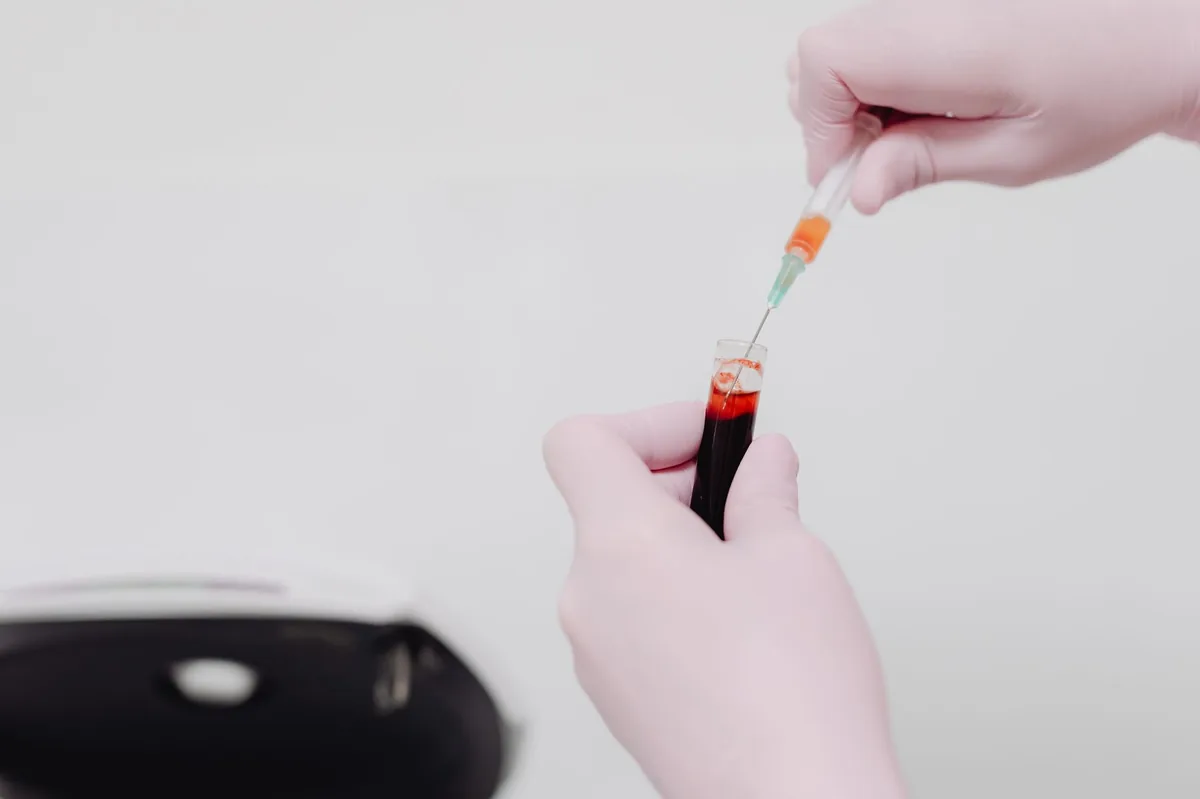
What causes it?
Haemobartonellosis spreads primarily through blood‑feeding arthropods, especially ticks. The brown dog tick is the most common vector, but fleas and biting flies can also transmit the bacteria. Direct blood contact—such as through fighting, sharing needles, or mother‑to‑puppy transmission during birth—can spread the infection as well.
| Transmission route | Typical risk factors |
|---|---|
| Tick bite (Rhipicephalus sanguineus) | Outdoor dogs, multi‑dog households, warm climates |
| Flea bite | Dogs with poor flea control, indoor/outdoor mix |
| Direct blood contact (fights, mother‑to‑pup) | Puppies, dogs in kennels, aggressive breeds |
Environmental factors also play a role. Dogs living in homes with heavy tick infestations, or those that spend time in barns, kennels, or heavily wooded areas, have a higher chance of exposure. Immunocompromised dogs—whether from chronic disease, chemotherapy, or advanced age—are less able to control the infection, leading to more severe clinical signs.
Signs and symptoms
Clinical presentation varies with age, immune status, and bacterial load. Early signs are often subtle, while severe disease can progress rapidly.
| Stage | Typical signs |
|---|---|
| Early / mild | Reduced appetite, slight lethargy, pale gums, mild fever (101‑102 °F) |
| Moderate | Noticeable anemia (pale or white gums), increased heart rate, weight loss, occasional vomiting |
| Severe | Profound weakness, collapse, jaundice, dark urine, respiratory distress |
Puppies often show rapid onset of fever, lethargy, and loss of appetite within days of infection. Senior dogs may develop anemia slowly, with subtle signs like decreased stamina on walks or a reluctance to play. In all ages, owners may notice that the dog’s gums appear pink‑white rather than the normal bright red, and the dog may seem unusually warm to the touch.
When to call your vet
Call your vet today if you notice any of the following:
- Pale or white gums
- Loss of appetite lasting more than 24 hours
- Lethargy that interferes with normal activity
- Fever (temperature above 103 °F) or shivering
Go to an emergency veterinary hospital right now if your dog shows:
- Sudden collapse or inability to stand
- Rapid breathing or difficulty breathing
- Dark, tar‑colored urine or visible blood in urine
- Severe jaundice (yellowing of the eyes or gums)
These signs indicate a possible life‑threatening anemia that needs immediate blood transfusion or intensive care. Remember, this article is for information only; it does not replace professional veterinary assessment.
How vets diagnose it
Veterinarians start with a thorough history—asking about tick exposure, recent fights, or recent travel—and a complete physical exam. Blood work is the cornerstone of diagnosis.
- Complete blood count (CBC): Reveals low red blood cell count (anemia), low hematocrit, and sometimes regenerative changes indicating the bone marrow is trying to replace lost cells.
- Blood smear microscopy: Under a microscope, the hemoplasma appear as tiny basophilic dots attached to red blood cells. This method is quick but less sensitive than molecular testing.
- Polymerase chain reaction (PCR): Detects bacterial DNA in the blood and can differentiate between M. haemocanis and M. haematoparvum. PCR is considered the gold standard by the American Veterinary Medical Association (AVMA).
- Serum chemistry panel: Assesses organ function, especially the liver and kidneys, which can be affected by severe anemia.
In some cases, a vet may also perform a rapid tick test or skin scrape to rule out concurrent tick‑borne diseases such as ehrlichiosis or babesiosis.
Treatment options
Medical treatment
First‑line therapy is a course of antibiotics that target the hemoplasma bacteria. The most commonly used agents include:
- Doxycycline (a tetracycline antibiotic) – often given for 4‑6 weeks.
- Enrofloxacin (a fluoroquinolone) – used when doxycycline is contraindicated.
- Azithromycin – an alternative, especially in dogs with gastrointestinal sensitivity.
All of these drugs are prescription‑only; ask your vet about which option fits your dog’s health profile. In severe anemia, blood transfusions may be necessary to stabilize the patient while antibiotics take effect.
Supplements and supportive care
Supportive care helps the body recover while the infection is cleared. Evidence‑based supplements include:
- Omega‑3 fatty acids (EPA/DHA) – reduce inflammation and support red blood cell membrane health.
- Iron‑rich foods or a low‑dose iron supplement – only if the vet confirms iron deficiency, as excess iron can worsen infection.
- Probiotics – maintain gut health, especially if the dog is on antibiotics.
These supplements should be introduced after discussing dosage and suitability with your veterinarian.
Procedures or surgery
Procedural intervention is rarely needed for haemobartonellosis itself. However, if a dog develops severe anemia, a blood transfusion performed in a veterinary hospital may be required. The transfusion process involves matching blood types (DEA‑1.1 negative or positive) and monitoring for reactions. Recovery from a transfusion typically takes 1‑2 days, after which antibiotic therapy continues.

Diet and nutrition
Nutrition plays a supportive role in recovery from haemobartonellosis. The goal is to provide highly digestible, iron‑rich protein while avoiding foods that could exacerbate anemia or stress the liver.
| Do feed | Limit | Avoid |
|---|---|---|
| Cooked lean meats (chicken, turkey), low‑fat cottage cheese, pumpkin puree | High‑fat treats, excessive dairy | Raw bone‑in meat, organ meats high in copper |
| Commercial therapeutic renal diet (if kidney involvement) | High‑salt canned foods | Highly processed kibble with artificial additives |
| Omega‑3 enriched fish oil supplement (as advised) | Excessive fruits high in sugar | Table scraps, especially fatty or spicy foods |
For most dogs, a high‑quality commercial diet formulated for adult maintenance works well, provided it meets AAFCO nutrient profiles. If your dog is anemic, you might opt for a diet with higher biologically available iron (e.g., a “high‑iron” kibble) and moderate calcium to aid red blood cell production.
Transition to a new diet gradually over 5‑7 days to avoid gastrointestinal upset. Offer small, frequent meals (3‑4 times daily) rather than one large meal, which can help maintain steady energy levels. Hydration is also critical—fresh water should be available at all times, and electrolyte‑balanced solutions can be offered under vet guidance if the dog is vomiting.
When your dog is recovering, watch for any signs of decreased appetite or vomiting, and contact your vet promptly. A balanced diet combined with the prescribed antibiotics usually leads to full recovery within 4‑6 weeks.
Cost and prognosis
The financial impact of haemobartonellosis depends on the severity of anemia, need for transfusions, and length of antibiotic therapy. Below is a typical cost range for the United States and the United Kingdom (prices are estimates and can vary by clinic and region).
| Service | US (USD) | UK (GBP) |
|---|---|---|
| Initial exam & CBC | $80‑$120 | £60‑£90 |
| PCR test for hemoplasma | $150‑$250 | £120‑£200 |
| Antibiotic course (doxycycline 4‑6 weeks) | $30‑$70 | £25‑£55 |
| Blood transfusion (if needed) | $300‑$600 | £250‑£500 |
| Follow‑up CBCs (2‑3 visits) | $70‑$180 | £55‑£150 |
Overall, uncomplicated cases typically cost between $300 and $600 (≈£250‑£450) in the U.S., while severe cases requiring transfusions can exceed $1,000. Prognosis is generally good when treatment begins early; most dogs recover fully within a month. Older dogs or those with concurrent illnesses may have a more guarded outlook, but many still achieve a good quality of life with proper care.
For a quick estimate of medication costs based on your dog’s weight, you can use our medication cost calculator. If budgeting is a concern, discuss payment plans with your clinic; many practices offer options for multi‑dog households.
Prevention and home care
Preventing haemobartonellosis hinges on controlling tick and flea exposure and maintaining good hygiene.
- Tick prevention: Use a veterinarian‑approved monthly spot‑on product (e.g., fipronil, selamectin) or a collar containing permethrin. In hot climates, daily checks after walks are essential.
- Flea control: Keep indoor environments clean, wash bedding regularly, and use a year‑round flea preventative.
- Screen high‑risk dogs: Puppies and dogs that live in multi‑dog homes, kennels, or boarding facilities should be screened annually with a CBC and PCR if they show any signs of anemia.
- Hygiene: Avoid sharing needles, syringes, or grooming tools between dogs. Disinfect surfaces and toys regularly with a diluted bleach solution.
- Regular veterinary check‑ups: Annual wellness exams help catch early blood work changes before clinical signs appear.
By integrating these steps into your routine, you can dramatically reduce the chance of infection. For additional tips on managing tick‑borne diseases, see our Dog Questions Answered guide.
From our vet team: “If you notice pale gums or a sudden drop in energy, don’t wait for the next appointment—call your vet right away. Early antibiotics can prevent a mild infection from becoming a severe anemia, and most dogs bounce back quickly with proper care.”
Key takeaways
- Haemobartonellosis is a tick‑borne bacterial infection that attaches to red blood cells and can cause anemia.
- Early signs include pale gums, lethargy, and loss of appetite; severe signs require immediate emergency care.
- Diagnosis relies on CBC, blood smear, and PCR testing; treatment is typically doxycycline or another appropriate antibiotic.
- Supportive care, including iron‑rich diet and omega‑3 supplements, helps recovery, and most dogs improve within 4‑6 weeks.
- Prevent infection with consistent tick/flea control, regular vet screening, and good hygiene in multi‑dog households.
Myth vs. fact
Myth: Haemobartonellosis is the same as “kennel cough.”
Fact: Haemobartonellosis is a blood infection caused by hemoplasma bacteria, whereas kennel cough is a respiratory disease caused by viruses or bacteria.
Myth: Dogs can’t get haemobartonellosis from humans.
Fact: The bacteria are not zoonotic; humans do not contract the infection from dogs, but pets can still spread it to other animals via ticks or direct blood contact.
Myth: If a dog looks fine, it can’t have haemobartonellosis.
Fact: Many infected dogs are asymptomatic carriers; routine blood work is the only way to detect a subclinical infection.
Frequently asked questions
What does haemobartonellosis look like in a dog’s blood work?
Blood work typically shows a low red blood cell count (anemia), low hematocrit, and often a regenerative response where the bone marrow releases immature red cells. A PCR test will specifically identify hemoplasma DNA.
Can a dog survive haemobartonellosis without medication?
Some healthy adult dogs can carry the bacteria without obvious illness, but untreated infections can progress to severe anemia, especially in puppies or senior dogs. Prompt antibiotics greatly improve outcomes.
How quickly do symptoms appear after infection?
Symptoms may develop within a few days to several weeks after a tick bite, depending on the bacterial load and the dog’s immune status. Puppies often show signs faster than adult dogs.
Is there a vaccine for haemobartonellosis in dogs?
Currently, no vaccine exists for haemobartonellosis. Prevention relies on effective tick control, regular health screenings, and good hygiene practices.
What follow‑up tests are needed after treatment?
Vets usually repeat a CBC 2‑3 weeks after completing antibiotics to ensure anemia has resolved. Some may also run a PCR test to confirm the bacteria are no longer detectable.
Can tick prevention products reduce the risk of haemobartonellosis?
Yes. Monthly tick preventatives that contain fipronil, selamectin, or permethrin dramatically lower the chance of tick bites, thereby reducing the risk of haemobartonellosis.
Ask the PuppaDogs community
Have a question this article didn’t fully answer? Want to compare notes with other dog owners who’ve been through this? Our community forum is moderated by experienced owners and vets — and answers tend to come fast. Ask in the PuppaDogs community →
References
- American College of Veterinary Internal Medicine (ACVIM). “Guidelines for Diagnosis and Management of Canine Hemoplasma Infections.” 2023.
- American Animal Hospital Association (AAHA). “Tick‑Borne Diseases in Dogs.” 2022.
- Merck Veterinary Manual. “Hemotropic Mycoplasmas (Hemoplasmas) in Dogs.” Updated 2023.
- Cornell University College of Veterinary Medicine. “Canine Hemoplasma Infections.” 2022.
- World Small Animal Veterinary Association (WSAVA). “Guidelines for Antimicrobial Use in Companion Animals.” 2023.
- UC Davis School of Veterinary Medicine. “Tick Prevention Products and Efficacy.” 2021.
- American Veterinary Medical Association (AVMA). “PCR Testing for Hemoplasmas.” 2022.
- Royal College of Veterinary Surgeons (RCVS). “Canine Hemoplasma Infections.” 2023.
- AAFP (American Academy of Family Physicians). “Zoonotic Potential of Mycoplasma Species.” 2021.
- Plumb’s Veterinary Drug Handbook. “Doxycycline Use in Dogs.” 2022.


