













Quick take: Granulomatous liver inflammation in dogs is a type of hepatitis where the liver tissue is infiltrated by clusters of immune cells. It can be caused by infections, immune‑mediated disease, or toxins, and may range from mildly uncomfortable to life‑threatening. Prompt veterinary evaluation, targeted medication, and a liver‑supportive diet give many dogs a good chance at recovery.
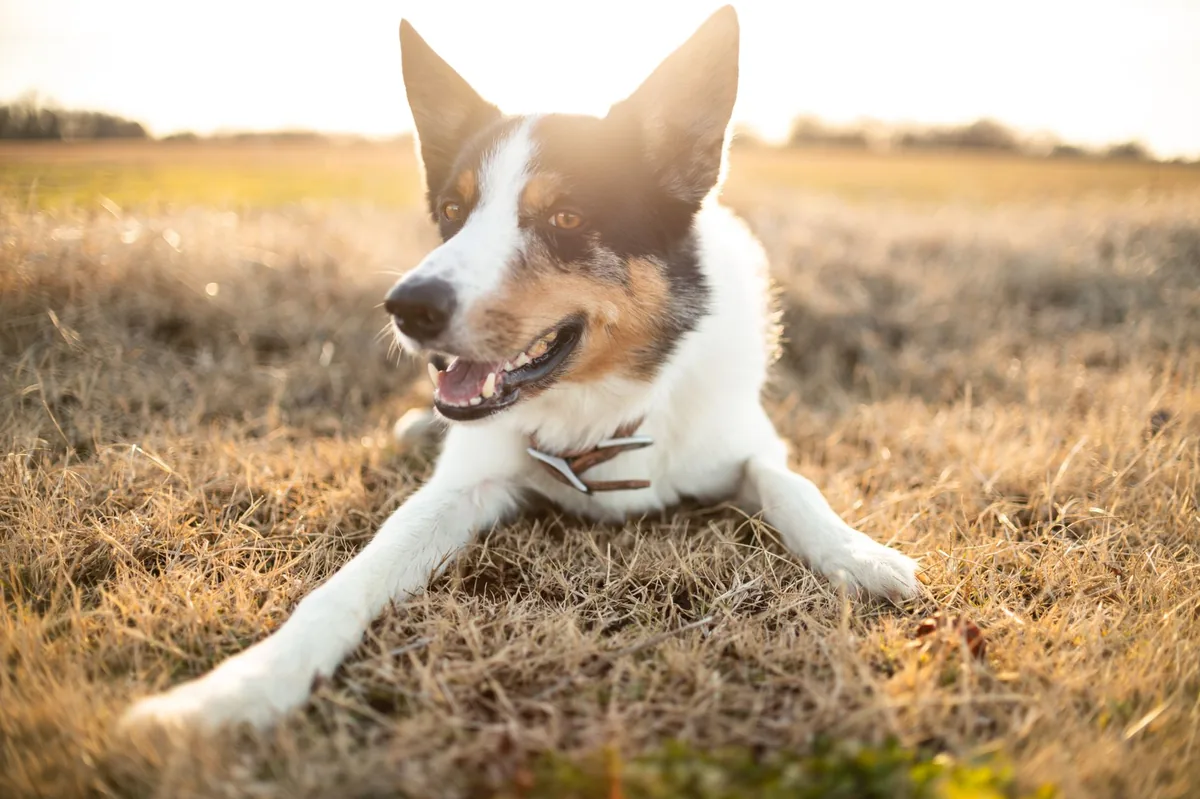
It’s 9 p.m., you’ve just noticed that your normally spry Border Collie, Max, is dragging his hind legs to the kitchen and his gums look a shade paler than usual. You feel a knot in your stomach as you stare at the empty food bowl and wonder if something is seriously wrong. You’re not alone—many owners first spot a change in energy or appetite before the underlying liver issue becomes clear.
Granulomatous liver inflammation, also called granulomatous hepatitis, is a relatively uncommon but important condition. In the next few minutes we’ll explain what it is, why it happens, which signs should set off alarm bells, how vets figure it out, and what you can do at home to support your dog’s recovery.
We’ll also cover typical costs, expected prognosis, and practical steps to keep liver disease from returning. Throughout, we’ll link to helpful tools like our dose and cost calculators and the FAQ hub for quick reference.
What is granulomatous liver inflammation in dogs?
Granulomatous liver inflammation (or granulomatous hepatitis) is a form of liver disease where the organ’s normal tissue is replaced by granulomas—small, organized collections of immune cells such as macrophages, lymphocytes, and sometimes eosinophils. These granulomas develop when the immune system reacts to a persistent irritant, an infectious organism, or an autoimmune trigger.
In dogs, granulomatous hepatitis accounts for roughly 5–10 % of all chronic liver disease cases, according to the Merck Veterinary Manual. It can affect dogs of any age, but middle‑aged to senior dogs are seen more often.
What causes it?
Granulomatous hepatitis can be primary (the immune system attacks the liver without an obvious external trigger) or secondary (the liver reacts to something else). The main categories are:
| Cause type | Typical examples |
|---|---|
| Infectious agents | Leptospira spp., Bartonella henselae, fungal organisms (e.g., Histoplasma), mycobacteria |
| Immune‑mediated / autoimmune | Canine autoimmune hepatitis, drug‑induced hypersensitivity (e.g., sulfonamides) |
| Toxins / drugs | Heavy metals (copper overload), certain herbal supplements, chronic exposure to hepatotoxic chemicals |
| Neoplastic mimics | Hepatocellular carcinoma that can provoke granulomatous reaction |
Breed predisposition is modest but some breeds—such as the West Highland White Terrier, Miniature Schnauzer, and Labrador Retriever—have been reported more often in case series (AKC breed data).
Signs and symptoms
Because the liver performs many vital functions, early signs can be subtle. Below is a quick guide from mild to severe:
| Severity | Typical signs |
|---|---|
| Mild | Reduced appetite, slight lethargy, occasional vomiting, pale gums on close inspection |
| Moderate | Noticeable weight loss, jaundice (yellowing of eyes or gums), increased thirst and urination, abdominal distension from fluid |
| Severe | Severe weakness, collapse, hemorrhage (easy bruising), encephalopathic signs (head tilt, disorientation), rapid breathing |
Other red‑flag clues include a sudden change in stool color (dark, tar‑like) or a foul odor from the mouth, which suggest bile buildup.
When to call your vet
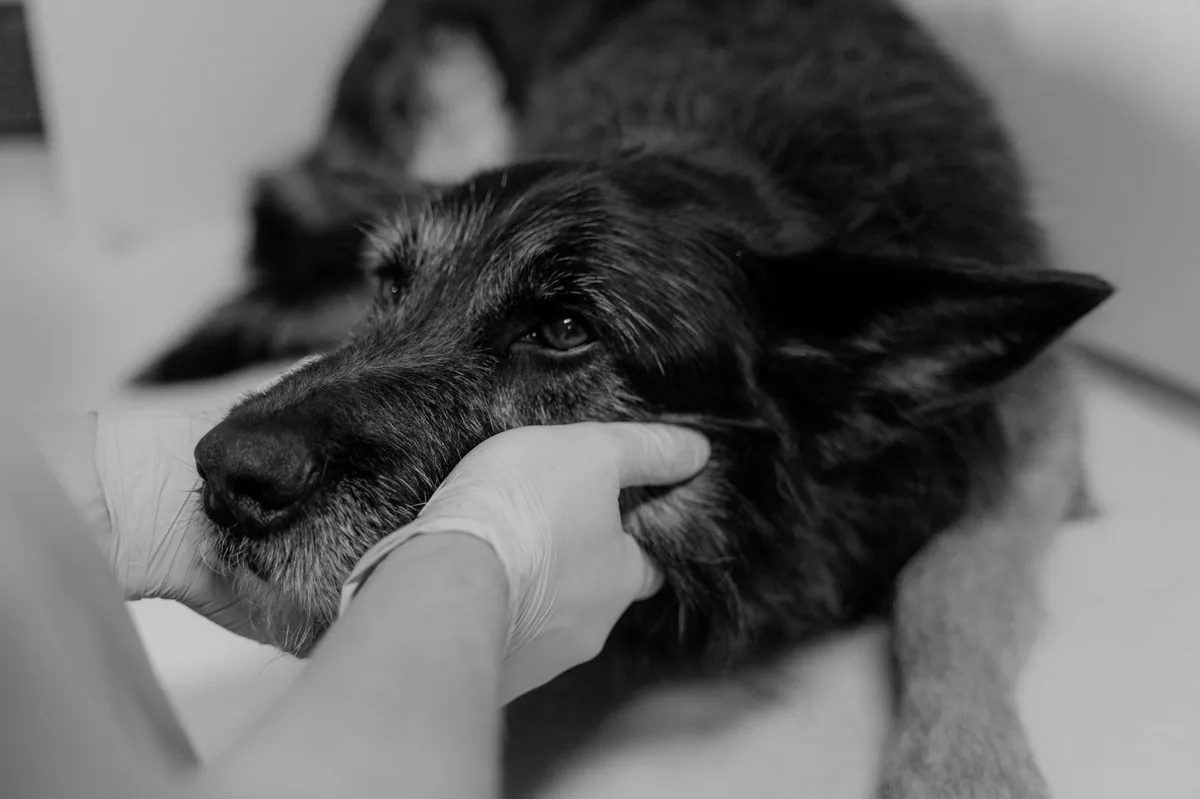
Call your vet today if you notice any of the mild‑to‑moderate signs listed above—especially loss of appetite, pale gums, or vomiting that lasts more than 24 hours.
Go to an emergency veterinary hospital right now if your dog is collapsing, has severe jaundice, is bleeding excessively, or shows neurological signs such as disorientation or seizures. These are life‑threatening emergencies.
Remember, this article is for information only; it does not replace a hands‑on exam. When in doubt, call your veterinarian.
How vets diagnose it
Diagnosing granulomatous hepatitis is a stepwise process:
- History and physical exam: The vet records diet, travel, toxin exposure, and checks for jaundice, abdominal pain, and organ enlargement.
- Blood work: A complete blood count (CBC) may show anemia; a biochemistry panel often reveals elevated liver enzymes (ALT, ALP, GGT) and bilirubin. The AAHA liver panel guidelines recommend measuring serum bile acids for functional assessment.
- Imaging: Abdominal ultrasound can reveal a heterogeneous liver surface, nodules, or fluid accumulation. It also guides needle placement for biopsy.
- Liver biopsy: The definitive test. A small core of liver tissue is taken (usually ultrasound‑guided) and examined under a microscope. Pathologists look for granulomas and may use special stains to identify infectious agents.
- Additional tests: Depending on suspicion, serology for leptospirosis, PCR for Bartonella, or fungal cultures may be ordered.
Treatment options
Medical treatment
Once the underlying cause is identified—or if it remains idiopathic—vets typically start with one or more of the following drug classes:
- Glucocorticoids (e.g., prednisolone): Reduce inflammation and immune activity. Your vet will tailor the dose to your dog’s weight and disease severity.
- Immunosuppressants (e.g., azathioprine or mycophenolate): Used when steroids alone are insufficient or when long‑term control is needed.
- Antibiotics or antifungals: If a bacterial (e.g., Leptospira) or fungal infection is confirmed, drugs such as doxycycline or fluconazole may be prescribed. Ask your vet about these options.
- Supportive medications: Hepatoprotectants like ursodeoxycholic acid (UDCA) help improve bile flow; N‑acetylcysteine (NAC) can aid antioxidant defense.
Supplements and supportive care
Evidence‑based adjuncts include:
- Omega‑3 fatty acids (EPA/DHA): Anti‑inflammatory and may improve liver blood flow.
- S‑adenosyl‑L‑methionine (SAMe): Supports liver cell regeneration and antioxidant capacity.
- Milk thistle (silymarin): Often used for mild hepatoprotection; benefits are modest but generally safe.
- Probiotics: Help maintain gut barrier function, which can be compromised in liver disease.
All supplements should be discussed with your vet to avoid interactions.
Procedures or surgery
In most cases, surgery isn’t required. However, if a granuloma forms a large mass or if a concurrent tumor is identified, surgical removal may be considered. Recovery from liver surgery typically involves a 7‑10 day hospital stay, pain management, and close monitoring of blood work. Costs can range from $4,000–$8,000 USD in the United States, depending on facility and region.
Diet and nutrition
While no single “cure‑all” diet exists, feeding a liver‑supportive diet can lessen the organ’s workload and improve recovery. Here’s a practical guide:
- Choose highly digestible protein: Foods with chicken, turkey, or fish protein that are easy for the liver to process.
- Limit copper: Some dogs have copper accumulation (e.g., Bedlington Terriers). Look for diets labeled “low copper” or ask your vet about a therapeutic renal/hepatic diet that meets AAFCO standards.
- Moderate fat: 8–12 % of calories from fat provides energy without overloading the liver. Avoid very high‑fat treats.
- Include omega‑3 sources: Add a fish‑oil supplement or choose a commercial diet enriched with EPA/DHA.
- Avoid raw hepatotoxic ingredients: Certain herbs (e.g., pennyroyal) and large amounts of raw liver can be harmful.
Transition the new food slowly over 5–7 days to prevent gastrointestinal upset. Offer small, frequent meals (3–4 times daily) rather than one large meal, which helps stabilize blood glucose and reduces liver strain.
| Food type | Do feed | Limit | Avoid |
|---|---|---|---|
| Commercial therapeutic liver diet | Yes – as main meal | — | — |
| Home‑cooked chicken & rice | Yes (lean protein, low fat) | Fatty cuts | Added salt, onions, garlic |
| Raw liver treats | — | — | Yes – high copper, vitamin A overload |
| High‑fat table scraps | — | — | Yes – can trigger pancreatitis |
For a quick, personalized feeding plan, try our nutritional calculator. It factors in weight, activity level, and liver condition to suggest daily caloric targets.
Cost and prognosis
Financial considerations can be a worry. Below are typical U.S. and U.K. cost ranges (estimates only):
| Service | U.S. (USD) | U.K. (GBP) |
|---|---|---|
| Initial blood panel & chemistry | $150–$300 | £80–£150 |
| Abdominal ultrasound | $300–$600 | £150–£300 |
| Ultrasound‑guided liver biopsy (incl. pathology) | $800–$1,500 | £400–£800 |
| Hospitalization (first 24 h) | $500–$1,200 | £250–£600 |
| Medications (first month) | $100–$400 | £70–£250 |
Prognosis depends on cause and how quickly treatment starts. Dogs with an infectious trigger that respond to antibiotics often have a good outcome (80 % survival). Autoimmune cases may require lifelong immunosuppression; about 60–70 % achieve stable remission. Early detection and supportive care dramatically improve quality of life.
Prevention and home care
- Keep vaccinations up to date—especially leptospirosis, which can cause granulomatous hepatitis.
- Use tick and flea preventatives recommended by the AAHA for your region.
- Avoid feeding unknown herbs, raw liver, or unapproved supplements without veterinary guidance.
- Regularly monitor weight, appetite, and gum color; note any changes in your dog’s bathroom habits.
- Schedule follow‑up blood work every 4–6 weeks during the first few months of treatment, then every 3–6 months long‑term.
Good home hygiene—clean water bowls, prompt removal of feces, and a low‑stress environment—helps keep the immune system balanced.
From our vet team: “Granulomatous hepatitis can sound scary, but most owners see the biggest difference when they combine targeted medication with a liver‑friendly diet. Even if a lifelong drug is needed, regular blood checks and adjusting the dose keep your dog comfortable and active.”
Key takeaways
- Granulomatous liver inflammation is an immune‑cell infiltrate that can stem from infection, autoimmunity, or toxins.
- Early signs are subtle—watch for pale gums, reduced appetite, and mild lethargy.
- Immediate veterinary care is crucial if your dog shows jaundice, severe weakness, or neurological signs.
- Diagnosis hinges on blood work, ultrasound, and a liver biopsy; treatment often includes steroids, immunosuppressants, and disease‑specific antibiotics.
- Feeding a highly digestible, low‑copper diet enriched with omega‑3s supports recovery and reduces liver strain.
- Prognosis varies; many dogs improve with prompt therapy, but some may need lifelong medication and regular monitoring.
Myth vs. fact
Myth: Granulomatous hepatitis is always caused by a severe infection.
Fact: While infections are common triggers, many cases are autoimmune or drug‑induced, and some remain idiopathic.
Myth: Once diagnosed, a dog will need a liver transplant.
Fact: Liver transplants are extremely rare in veterinary medicine; most dogs are managed medically and nutritionally.
Myth: All liver diets are the same.
Fact: Therapeutic diets differ in protein quality, copper content, and added nutrients; choosing the right one based on your vet’s recommendation matters.
Frequently asked questions
What are the symptoms of granulomatous liver inflammation in dogs?
Typical signs include decreased appetite, pale or yellow gums, mild vomiting, weight loss, and increased thirst; severe disease can cause jaundice, abdominal fluid buildup, and neurological changes.
How is granulomatous hepatitis diagnosed in dogs?
Diagnosis starts with blood chemistry and a CBC, followed by abdominal ultrasound and finally a liver biopsy, which provides the definitive microscopic confirmation of granulomas.
Can granulomatous liver disease be cured in dogs?
“Cured” depends on the cause: infectious forms often resolve with antibiotics, while autoimmune cases usually require lifelong immunosuppression, though many dogs achieve long‑term remission.
What is the cost of treating granulomatous liver inflammation in dogs?
Overall costs range from $1,500 to $3,500 for diagnostics and initial therapy in the U.S., with ongoing medication and monitoring adding $100–$400 per month; UK figures are roughly 60–70 % of the U.S. amounts.
Which dog breeds are prone to granulomatous liver disease?
Breed predisposition is modest, but West Highland White Terriers, Miniature Schnauzers, Labrador Retrievers, and Bedlington Terriers have appeared more frequently in case reports.
How long does recovery take after a liver biopsy for granulomatous hepatitis?
Most dogs recover within 7–10 days, though full clinical improvement from treatment may take 4–6 weeks; repeat blood work is usually scheduled at 4‑week intervals to track progress.
Ask the PuppaDogs community
Have a question this article didn’t fully answer? Want to compare notes with other dog owners who’ve been through this? Our community forum is moderated by experienced owners and vets — and answers tend to come fast. Ask in the PuppaDogs community →
References
- American Animal Hospital Association (AAHA) 2023 Canine Liver Disease Guidelines.
- American College of Veterinary Internal Medicine (ACVIM) Consensus Statement on Canine Autoimmune Hepatitis, 2022.
- Merck Veterinary Manual, “Granulomatous Hepatitis” entry.
- Cornell University College of Veterinary Medicine, “Liver Disease in Dogs” online resource.
- World Small Animal Veterinary Association (WSAVA) – Infectious Disease Recommendations, 2021.
- UC Davis School of Veterinary Medicine, “Canine Hepatitis” clinical overview.
- American Veterinary Medical Association (AVMA) – Guidelines for Hepatic Biopsy and Sampling.


