












Quick take: Mushroom poisoning in dogs can be life‑threatening, but early recognition and prompt veterinary care dramatically improve the odds of recovery. Look for vomiting, diarrhea, lethargy, or tremors within a few hours of a suspected ingestion, and call your vet or an emergency clinic right away.
It’s 7 p.m., and you just noticed your golden‑retriever, Max, sitting stiffly on the porch, his tail tucked low and his eyes glazed. A few minutes earlier, you spotted a cluster of wild mushrooms near the garden fence and, thinking they were harmless, let Max sniff them before pulling him away. Now his gums look pale, and he’s whimpering as you gently press his belly. Your heart races, and the search bar on your phone is already open.
We get it—seeing a beloved pup act like this is terrifying. The good news is that mushroom toxicity is treatable when caught early, and most owners who act quickly see their dogs get back to their playful selves. In this guide we’ll explain exactly what mushroom poisoning in dogs looks like, why some mushrooms are dangerous, how vets diagnose and treat it, what you can expect cost‑wise, and concrete steps you can take to keep your dog safe on hikes and in your backyard.
Read on for a step‑by‑step roadmap: from spotting the first signs, to the emergency care your vet may provide, to feeding a recovering dog, and finally to preventing future incidents.
What is mushroom poisoning in dogs?
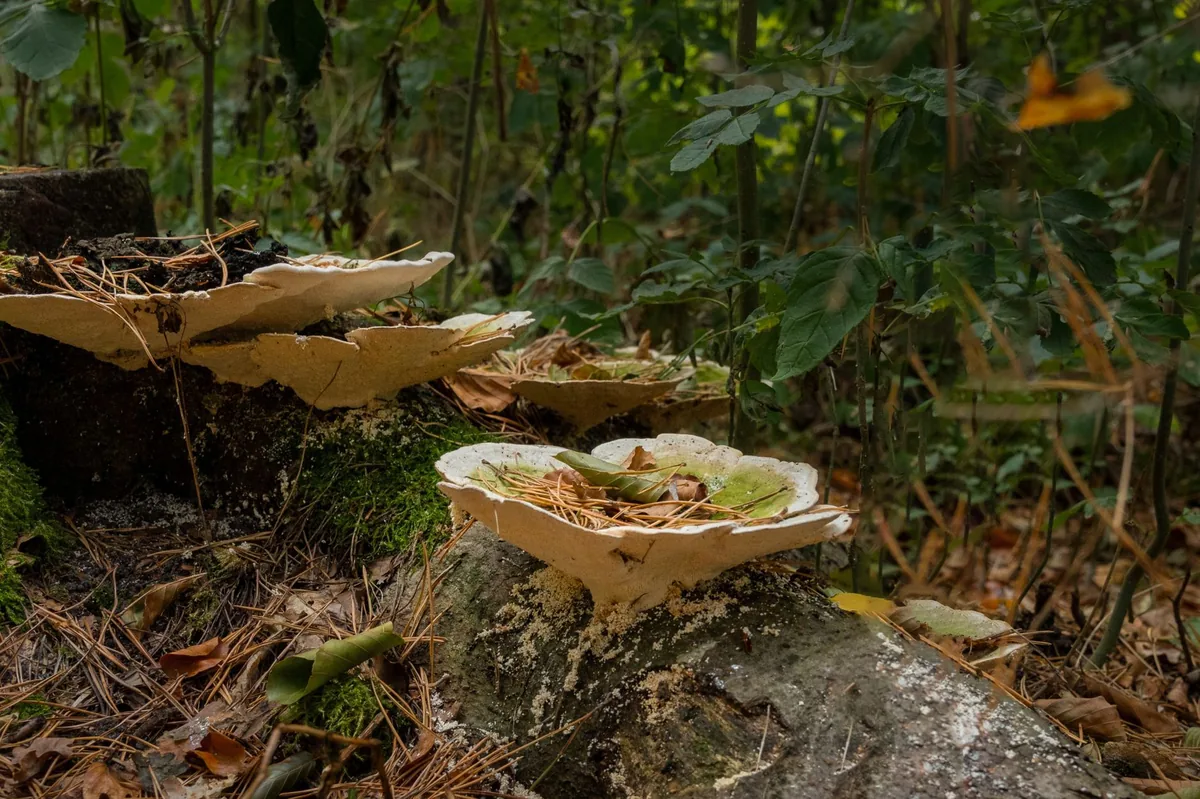
Mushroom poisoning occurs when a dog eats a fungus that contains toxic compounds. These toxins can damage the liver, kidneys, blood, or nervous system, depending on the species. While many mushrooms are benign, a relatively small group—often called “deadly” or “toxic” mushrooms—can cause severe, sometimes fatal, illness. In dogs, the most common toxic genera are Amanita (e.g., death cap, destroying angels), Orellanus (e.g., the dreaded Orellanus* spp.), and Gyromitra (false morels). According to the Merck Veterinary Manual, mushroom toxicoses represent roughly 5–10 % of all canine poisoning cases reported to poison control centers.
Because the toxins are invisible to the naked eye, a dog’s curiosity can turn a harmless‑looking mushroom into a medical emergency. The severity of poisoning depends on the type of mushroom, the amount ingested, and the individual dog’s size, age, and health status.
What causes it?
Toxic mushroom poisoning in dogs is usually the result of accidental ingestion during outdoor adventures, garden foraging, or even indoor exposure to contaminated mulch. Below is a quick overview of the most common culprits and the toxins they contain.
| Mushroom genus | Typical toxic species | Key toxin | Organ system affected |
|---|---|---|---|
| Amanita | Death cap (A. phalloides), Destroying angel (A. virosa) | Amatoxins | Liver (acute hepatic failure) |
| Orellanus | Foxy amanita (O. olearius) | Orellanine | Kidneys (renal failure) |
| Gyromitra | False morel (G. esculenta) | Gyromitrin | Brain and liver (neurotoxicity, hepatic necrosis) |
| Cortinarius | Deadly webcap (C. orellanus) | Orellanine | Kidneys |
| Inocybe | Various species | Muscimol & ibotenic acid | Nervous system (seizures) |
Even a small bite can deliver enough toxin to cause illness. Dogs that love to dig, chew, or chase wildlife are at higher risk, as are breeds with a strong foraging instinct such as Labrador Retrievers, Beagles, and Spaniels.
Signs and symptoms
The clinical picture varies with the toxin, but most toxic mushroom ingestions follow a similar timeline: an initial “latent” phase (no signs), a “gastrointestinal” phase (vomiting, diarrhea), and a “organ‑failure” phase (liver or kidney dysfunction). Below is a concise severity chart.
| Phase | Time after ingestion | Typical signs |
|---|---|---|
| Latent | 0–6 hrs | No obvious changes; dog may act normal |
| Gastrointestinal | 6–12 hrs | Vomiting, watery diarrhea, abdominal pain, loss of appetite |
| Organ‑failure | 12–48 hrs (or later) | Lethargy, pale gums, jaundice, increased thirst, tremors, seizures, coma |
Early signs you can spot at home include:
- Sudden vomiting or “dry heaving” after a walk.
- Loose, bloody, or foul‑smelling stools.
- Drooling, pawing at the mouth, or refusal to eat.
- Unusual lethargy or stumbling.
Severe signs that demand immediate emergency care:
- Bright yellow or brown gums (jaundice).
- Muscle tremors, seizures, or unsteady gait.
- Excessive thirst with little urine output.
- Rapid breathing or difficulty breathing.
When to call your vet
Call your regular vet today if you notice any gastrointestinal signs (vomiting, diarrhea) within 12 hours of a possible mushroom exposure, even if your dog seems otherwise okay.
Go to an emergency animal hospital right now if you see any of the severe signs listed above—especially jaundice, seizures, or rapid breathing. Time is critical for liver‑protective therapy.
This article is for information only and does not replace professional veterinary advice. If you suspect mushroom poisoning, seek veterinary care immediately.
How vets diagnose it
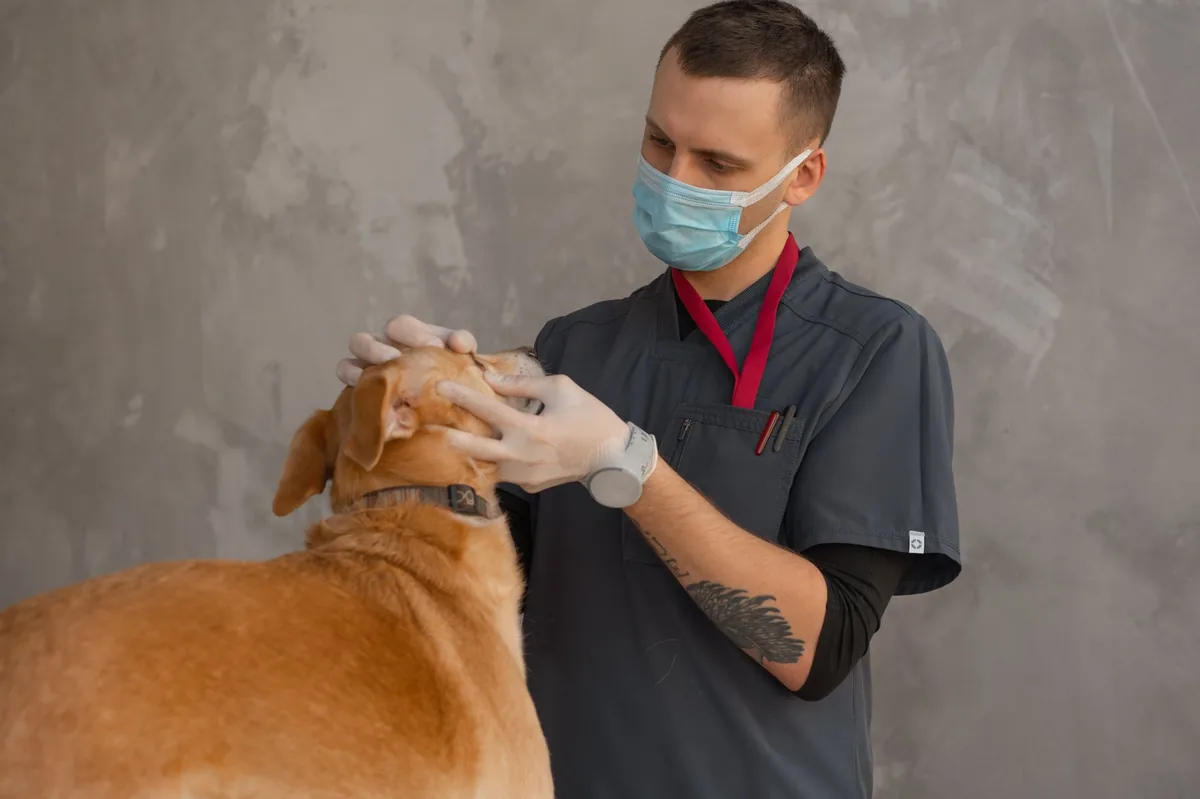
Diagnosing mushroom poisoning relies on a combination of history, physical exam, and targeted tests. Your vet will ask:
- When and where the suspected ingestion occurred.
- What the mushroom looked like (photos are extremely helpful).
- Any changes in behavior or appetite.
Key diagnostic tools include:
- Blood work: A complete blood count (CBC) and chemistry panel reveal liver enzymes (ALT, AST), kidney values (BUN, creatinine), and electrolyte imbalances.
- Urinalysis: Detects early kidney damage or myoglobinuria.
- Imaging: Abdominal ultrasound can show liver swelling or fluid accumulation.
- Toxin testing: In some regions, specialized labs can assay for amatoxins or orellanine in blood or urine, though results often take hours.
The AAHA’s guidelines emphasize that a thorough history and early blood chemistry are the most reliable indicators, because visual identification of the mushroom is often impossible for owners.
Treatment options
Medical treatment
Once toxicity is suspected, the veterinary team moves quickly to limit absorption and support organ function. Standard emergency protocols, as outlined by the Merck Veterinary Manual, include:
- Decontamination: Inducing vomiting (if within 2 hrs) and administering activated charcoal to bind remaining toxins.
- IV fluids: Large‑volume crystalloid fluids maintain blood pressure and promote renal clearance.
- Liver‑protective drugs: N‑acetylcysteine (NAC) and silymarin (milk thistle extract) are commonly used to mitigate hepatic injury. Ask your vet about these options.
- Antioxidants: Vitamin E and vitamin C may be added to reduce oxidative stress.
- Seizure control: If neurologic signs appear, benzodiazepines or phenobarbital are administered.
In severe cases of amatoxin poisoning, some clinics may consider plasma exchange or liver transplantation, though the latter is rare in veterinary medicine.
Supplements and supportive care
While supplements never replace veterinary drugs, they can aid recovery when used under guidance:
- Omega‑3 fatty acids (EPA/DHA): Help reduce inflammation and support liver cell membranes.
- Probiotics: Restore gut flora after diarrhea and antibiotic use.
- Milk thistle (silymarin): Often incorporated into liver‑support formulas; discuss dosing with your vet.
These adjuncts are most beneficial after the acute phase, once the dog is stable and eating again.
Procedures or surgery
In rare instances where a mushroom fragment causes an intestinal blockage, surgery may be required to remove the obstruction. Recovery from gastrointestinal surgery typically involves 5–7 days of hospitalization, pain management, and a gradual return to normal diet. Costs can rise substantially, so early detection is key to avoiding this scenario.
Diet and nutrition
Feeding a dog recovering from mushroom poisoning is a balancing act: you want highly digestible, low‑fat foods that don’t stress the liver or kidneys, while also providing enough calories to prevent muscle wasting.
Here are the nutrition principles we recommend:
- Start with a bland, easily digestible diet: Boiled skinless chicken breast or lean turkey mixed with white rice or plain pumpkin puree (½ cup protein to 1 cup carbohydrate). This combo supplies protein without overwhelming the liver.
- Introduce a therapeutic “liver‑support” commercial diet: Look for products labeled “renal‑diet” or “liver‑support” that contain highly bioavailable protein, antioxidants, and reduced copper. Brands vary, but the nutrient profile is consistent with AAHA’s liver disease guidelines.
- Avoid high‑fat or heavy meals: Fatty foods increase hepatic workload and can trigger vomiting.
- Limit sodium and phosphorus: Especially important if the kidneys are affected. Opt for low‑sodium kibble or homemade meals with limited dairy.
- Hydration is essential: Offer fresh water frequently; consider low‑sodium broth if your dog is reluctant to drink.
- Gradual transition: After 24–48 hours of fasting (as directed by your vet), introduce the bland diet in small, frequent meals (4–6 times/day) and increase portion size over 3–5 days.
Sample 3‑day recovery menu:
| Day | Meal | Ingredients |
|---|---|---|
| 1 | Morning & Evening | ¼ cup boiled chicken, ½ cup cooked white rice, 1 Tbsp canned pumpkin |
| 2 | Four small meals | ¼ cup ground turkey, ½ cup sweet potato mash, 1 tsp olive oil |
| 3 | Two meals | ½ cup commercial liver‑support kibble, water mixed in |
Always discuss any dietary changes with your vet, especially if your dog has pre‑existing kidney or liver disease. If your dog is a picky eater, warming the food slightly (to ~37 °C) can enhance aroma and encourage intake.
For owners who feed raw or homemade diets, ensure the meals meet AAFCO nutrient profiles and avoid organ meats high in copper, which can exacerbate liver stress.
Cost and prognosis
Expenses vary widely based on the severity of poisoning, the required diagnostics, and the length of hospitalization. Below are typical cost ranges (average estimates, not guarantees):
- Initial emergency evaluation: $150 – $250 (exam, basic blood work).
- Advanced diagnostics (toxin assay, ultrasound): $200 – $600.
- IV fluid therapy (24‑48 hr): $300 – $800.
- Medications (NAC, activated charcoal, liver protectants): $100 – $250.
- Hospitalization (including monitoring): $500 – $1,500 per day.
- Surgery (if needed): $2,000 – $5,000.
Overall, a moderate case typically costs $1,000 – $2,500 in the United States. In the United Kingdom, similar care averages £800 – £1,800. Many pet insurance plans cover a portion of these expenses; checking your policy’s “toxic ingestion” coverage can help offset the bill.
Prognosis hinges on the mushroom type and how quickly treatment begins. For amatoxin (death‑cap) ingestions, early aggressive therapy yields a survival rate of 60–80 % according to recent AAHA data. Orellanine‑related kidney injury has a lower survival rate (≈50 %), but many dogs recover with supportive care. Dogs that receive prompt IV fluids and liver‑protective drugs generally have the best outcomes.
Prevention and home care
Preventing mushroom poisoning is mostly about managing the environment and educating yourself before each adventure.
- Teach your dog “leave it” command: A reliable “leave it” can stop a curious snout before it reaches the ground.
- Supervise on hikes: Keep dogs on a leash in mushroom‑prone areas, especially after rain.
- Clear your yard: Regularly remove dead wood, leaf litter, and any wild mushrooms you spot.
- Know the local toxic species: In the Pacific Northwest, for example, Amanita phalloides is common; in the Midwest, false morels are more frequent.
- Carry a mushroom identification guide: Apps or field guides can help you quickly determine if a mushroom is safe.
- Educate family members and guests: Make sure everyone knows not to feed wild mushrooms to the dog.
After a suspected exposure, even if your dog looks fine, call your vet. Early decontamination (inducing vomiting, activated charcoal) is most effective within the first two hours.
Vet’s note
From our vet team: “Mushroom toxicoses can masquerade as a simple upset stomach, but the hidden danger lies in the organ damage that follows. If you catch the problem within the first six hours, we can often prevent irreversible liver or kidney injury. Don’t wait for your dog to look “really sick”—call us as soon as you suspect a mushroom bite.”
Key takeaways
- Any sudden vomiting, diarrhea, or lethargy after a dog might have eaten wild mushrooms warrants a vet call.
- Life‑threatening toxins are found in only a few mushroom genera; the most dangerous are Amanita, Orellanus, and Gyromitra.
- Early treatment—inducing vomiting, activated charcoal, and IV fluids—greatly improves survival odds.
- Recovery diets should be bland, low‑fat, and gradually transition to a liver‑support formula.
- Prevent exposure by supervising outdoor time, keeping your yard clean, and teaching “leave it.”
Myth vs. fact
Myth: All mushrooms are poisonous to dogs.
Fact: Most wild mushrooms are harmless; only a small subset contain toxins that affect dogs.
Myth: If a dog looks fine after eating a mushroom, it’s safe.
Fact: Toxic effects often have a delayed onset; a dog can appear normal for hours before organ failure begins.
Myth: Home remedies like milk or vinegar can neutralize mushroom toxins.
Fact: Only veterinary‑administered activated charcoal and appropriate antidotes are proven to bind toxins effectively.
Frequently asked questions
What are the signs of mushroom poisoning in dogs?
The first signs are usually gastrointestinal—vomiting, diarrhea, and loss of appetite—followed by lethargy, pale or yellow gums, tremors, and possibly seizures within 12–48 hours.
Can a dog survive mushroom poisoning?
Yes, especially if treatment begins within the first few hours. Survival rates range from 50 % to 80 % depending on the toxin and how quickly care is provided.
How quickly do symptoms appear after a dog eats mushrooms?
Symptoms can start as early as 30 minutes for some neurotoxic species, but most toxic mushrooms show signs between 6 and 12 hours after ingestion.
What is the treatment for mushroom poisoning in dogs?
Emergency care includes inducing vomiting (if recent), giving activated charcoal, IV fluid therapy, liver‑protective medications like N‑acetylcysteine, and supportive monitoring of blood work.
Do all mushrooms poison dogs or only certain types?
Only a handful of mushroom species contain dangerous toxins. The most harmful genera for dogs are Amanita, Orellanus, Gyromitra, Cortinarius, and Inocybe.
How much does emergency care for mushroom poisoning cost?
Typical emergency expenses range from $1,000 to $2,500 in the U.S., covering diagnostics, IV fluids, medications, and monitoring. Costs can rise if intensive care or surgery is required.
Ask the PuppaDogs community
Have a question this article didn’t fully answer? Want to compare notes with other dog owners who’ve been through this? Our community forum is moderated by experienced owners and vets — and answers tend to come fast. Ask in the PuppaDogs community →
References
- American Animal Hospital Association (AAHA) 2023 Guidelines on Toxic Ingestions in Dogs.
- Merck Veterinary Manual, “Mushroom Toxicity” chapter, 12th edition.
- World Small Animal Veterinary Association (WSAVA) Consensus on Liver Disease Management, 2022.
- American College of Veterinary Internal Medicine (ACVIM) Consensus Statement on Acute Kidney Injury, 2021.
- American Veterinary Medical Association (AVMA) Pet Poison Helpline data, 2023.
- University of California, Davis Veterinary Medicine, “Mushroom Poisoning in Dogs” resource.
- American Association of Feed Control Officials (AAFCO) Nutrient Profiles for Therapeutic Diets, 2022.
- Veterinary Emergency and Critical Care Society (VECCS) Guidelines for Fluid Therapy, 2021.


