
















Quick take: A sudden drop in your dog’s activity can be a sign of anything from a simple change in routine to a serious health issue. If your pet is unusually lethargic, check for red‑flag symptoms like pale gums, vomiting, or difficulty breathing, and call your vet right away. Most cases are treatable, but a prompt veterinary exam is the safest first step.
It’s 11 p.m., the house is quiet, and you notice your normally‑bouncy Golden Retriever lying on the couch, eyes half‑closed, barely moving to sip water. You’ve Googled “my pet is moving less—what’s up?” and a flood of answers scroll past your screen. The worry that something might be wrong feels heavy, but you’re not alone—many owners notice a dip in energy before the problem becomes obvious.
In the next few minutes we’ll walk you through exactly what “lethargy” means in dogs, why it happens, which signs demand an urgent call, how vets figure out the cause, and what you can do at home to help your dog feel like itself again. By the end you’ll know when to seek care, what to expect cost‑wise, and how to keep your senior (or any) dog lively for years to come.
What is lethargy in dogs?
Lethargy is a medical term for a noticeable decrease in activity or enthusiasm. In plain language, it means your dog is unusually tired, sluggish, or uninterested in things that normally spark joy—like walks, play, or meals. It’s not a disease itself; rather, it’s a symptom that can stem from many underlying issues.
How common is it? According to the American Veterinary Medical Association (AVMA), lethargy is among the top three reasons owners bring dogs to primary‑care clinics, especially in senior dogs (7 years and older). While occasional “couch‑potato” days happen, persistent low energy should always be investigated.
What causes lethargy?
Lethargy can arise from medical, environmental, or behavioral factors. Below is a quick overview of the most frequent categories.
| Category | Typical Causes |
|---|---|
| Medical | Pain (arthritis, injury), infections, endocrine disorders (hypothyroidism, diabetes), heart or lung disease, anemia, kidney or liver failure, parasites, toxic exposure. |
| Nutrition | Undernutrition, obesity, sudden diet change, low‑quality kibble, food intolerances. |
| Environment & Lifestyle | Extreme heat or cold, lack of mental stimulation, excessive stress, over‑exercise, boredom. |
| Behavioral | Depression‑like states, separation anxiety, grief after loss of a companion. |
Even a seemingly minor issue—like a sore paw or a tiny urinary tract infection—can tip a borderline‑active dog into lethargy.

Signs and symptoms
Spotting lethargy early can make a big difference. Below is a guide to what you might observe, from mild to severe.
| Severity | What you might see |
|---|---|
| Mild | Reduced play, slower walks, less interest in treats, occasional yawning. |
| Moderate | Reluctance to get up, panting after minimal activity, mild vomiting or diarrhea, dull coat. |
| Severe | Pale gums, rapid breathing, collapse, uncontrolled shaking, seizures, inability to stand. |
When to call your vet
Call your vet today (non‑emergency) if you notice any of the following:
- Persistent mild‑to‑moderate lethargy lasting more than 24 hours.
- Loss of appetite or drinking more water than usual.
- Vomiting, diarrhea, or change in stool consistency.
- Weight loss or noticeable muscle wasting.
Go to an emergency clinic right now if you see any red‑flag signs:
- Pale or white gums, indicating possible anemia or shock.
- Labored breathing, rapid heart rate, or collapse.
- Seizures, uncontrolled trembling, or severe vomiting.
- Sudden inability to urinate or defecate.
These warnings signal that your dog could be in a life‑threatening situation and needs immediate care. Remember, this article is informational only—your vet’s judgment is essential.
How vets diagnose lethargy
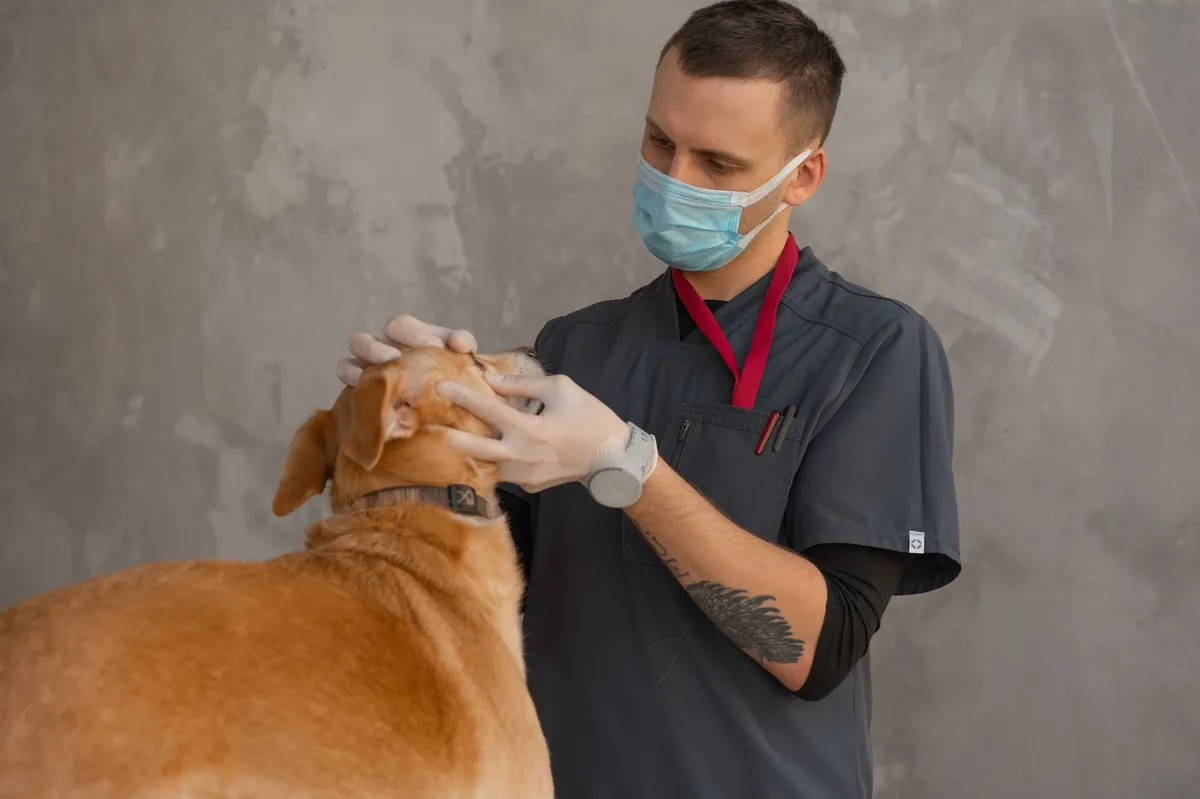
Diagnosing the root cause is a step‑by‑step process. Your vet will start with a thorough history: when the lethargy began, any recent diet changes, travel, medication, or injuries.
- Physical exam: Palpation of joints, listening to heart and lungs, checking gum color, temperature, and hydration.
- Blood work: Complete blood count (CBC) and chemistry panel reveal anemia, organ function, glucose, and electrolyte balance.
- Urinalysis: Detects infections, kidney issues, or endocrine disorders.
- Imaging: X‑rays or ultrasound may uncover arthritis, masses, or internal fluid accumulation.
- Specific tests: Thyroid panels, heartworm antigen tests, or tick‑borne disease panels when indicated.
All these pieces help the veterinarian narrow down the cause and tailor a treatment plan.
Treatment options
Medical treatment
Once a cause is identified, the most common drug classes include:
- NSAIDs (e.g., carprofen, meloxicam) for inflammatory pain such as arthritis.
- Antibiotics (e.g., amoxicillin‑clavulanate) when bacterial infection is present.
- Antiparasitics (e.g., ivermectin, milbemycin) for heartworm or intestinal parasites.
- Immunosuppressants (e.g., prednisone) for autoimmune or allergic conditions.
Ask your vet about these options; dosing will depend on your dog’s weight, age, and severity of disease.
Supplements and supportive care
Evidence‑based adjuncts can help restore energy:
- Omega‑3 fatty acids (EPA/DHA): Reduce inflammation and support joint health; especially useful in arthritic dogs.
- Probiotics: Helpful when gastrointestinal upset contributes to lethargy; look for strains like Enterococcus faecium.
- Vitamin B‑complex: May aid dogs with metabolic disorders, but only under veterinary guidance.
Supplements should never replace prescription medication but can complement a vet‑approved plan.
Procedures or surgery
When pain from joint disease or a spinal issue is the primary driver, surgical options such as tibial plateau leveling osteotomy (TPLO) or spinal decompression may be recommended. Recovery typically involves 4–8 weeks of restricted activity, physical therapy, and follow‑up radiographs. Costs vary widely—ranging from $2,500 USD to $6,000 USD in the United States, and £2,000 GBP to £4,500 GBP in the United Kingdom.
Diet and nutrition
Nutrition is a cornerstone of recovery and long‑term vitality. While there is no one‑size‑fits‑all diet for “lethargy,” tailoring food to address the underlying cause can make a noticeable difference.
Foods to favor
- Highly digestible protein: Chicken, turkey, or whitefish with minimal additives ease the workload on the liver and kidneys.
- Complex carbohydrates: Sweet potatoes, pumpkin, or brown rice provide steady energy without spiking blood glucose.
- Healthy fats: Omega‑3 rich fish oil supports joint health and reduces inflammation.
- Low‑sodium formulas: For dogs with heart or kidney concerns, limiting salt helps prevent fluid overload.
Foods to limit or avoid
- High‑fat table scraps or greasy meats—can cause pancreatitis and exacerbate lethargy.
- Excessive carbohydrates (e.g., corn‑heavy kibble) that may trigger insulin spikes in diabetic dogs.
- Artificial additives, preservatives, or colorings that can irritate the gastrointestinal tract.
Prescription or therapeutic diets
When a specific organ system is compromised, veterinarians often recommend a therapeutic diet:
- Renal diets: Reduced protein and phosphorus, supplemented with omega‑3s—ideal for chronic kidney disease.
- Cardiac diets: Low sodium, added taurine and L‑carnitine for heart support.
- Digestive formulas: Pre‑biotic fiber and easily digestible proteins for gastrointestinal upset.
These diets are formulated to meet AAFCO nutrient profiles while addressing the disease process. Always transition gradually over 7–10 days to avoid GI upset.
Feeding schedule and portion control
Senior or medically compromised dogs often benefit from smaller, more frequent meals (2–3 times daily) to maintain steady blood glucose and reduce digestive load. Measure portions using a calibrated cup or kitchen scale; over‑feeding can worsen lethargy.
| Category | Do feed | Limit | Avoid |
|---|---|---|---|
| Protein | High‑quality chicken, turkey, fish | Moderate‑fat beef | Processed meats, organ meats (excess) |
| Carbohydrate | Sweet potato, pumpkin, brown rice | White rice | Corn, wheat, soy‑heavy kibble |
| Fats | Fish oil, flaxseed oil | Butter, lard | Fried foods, high‑fat treats |
| Supplements | Omega‑3, probiotics (vet‑approved) | Vitamin B‑complex (only if indicated) | Human multivitamins |
Hydration matters, too. Fresh water should always be available, and for dogs with kidney issues, wet food can boost fluid intake.
For personalized guidance, try our dog health calculators to estimate daily calorie needs based on breed, age, and activity level.
Cost and prognosis
Financial planning helps reduce stress during a health scare. Below are typical cost ranges for common diagnostics and treatments in the United States and United Kingdom (prices are estimates and can vary by region and clinic).
| Service | US (USD) | UK (GBP) |
|---|---|---|
| Initial exam | $45–$75 | £35–£55 |
| CBC + chemistry panel | $100–$150 | £80–£130 |
| Urinalysis | $30–$50 | £25–£45 |
| Thoracic X‑ray (2 views) | $150–$250 | £120–£200 |
| Ultrasound | $300–$500 | £250–£400 |
| NSAID prescription (30 days) | $25–$60 | £20–£45 |
| Joint surgery (e.g., TPLO) | $2,500–$6,000 | £2,000–£4,500 |
Prognosis depends heavily on the underlying cause. Dogs with treatable infections or mild arthritis often return to normal activity within weeks. Chronic conditions like advanced kidney disease may require lifelong management, but many dogs maintain a good quality of life with proper diet and medication.
Prevention and home care
- Regular wellness exams: Yearly (or twice‑yearly for seniors) exams catch early changes in blood work or organ function.
- Weight management: Keep your dog at an optimal body condition score; obesity strains joints and the heart.
- Exercise routine: Short, low‑impact walks for senior dogs; mental enrichment toys to avoid boredom.
- Dental health: Brush teeth weekly or use dental chews approved by the Veterinary Oral Health Council (VOHC) to reduce systemic inflammation.
- Parasite control: Follow AAHA recommendations for year‑round heartworm and flea/tick preventatives.
- Environmental comfort: Provide a cool, shaded area in summer and a warm bedding spot in winter.
If your dog’s energy levels dip again after treatment, schedule a follow‑up exam within 2–4 weeks. Early re‑evaluation helps adjust therapy before a new problem develops.
From our vet team: “A single change—like a new joint supplement or a small tweak in feeding schedule—can rekindle a dog’s spark. But always run any change past your vet first, especially if your dog is on medication, to avoid unwanted interactions.”
Key takeaways
- Lethargy is a symptom, not a disease; it signals that something inside your dog needs attention.
- Red‑flag signs such as pale gums, rapid breathing, or collapse require immediate veterinary care.
- Common medical causes include pain, infections, endocrine disorders, and organ disease; nutrition and environment also play big roles.
- Diagnosis typically involves a physical exam, blood work, urinalysis, and possibly imaging.
- Treatment ranges from simple NSAIDs and diet changes to surgery for severe joint disease; costs vary widely.
- Preventive measures—regular check‑ups, weight control, dental care, and consistent exercise—help keep your dog energetic for life.
Myth vs. fact
Myth: Older dogs naturally become lazy and don’t need a vet check.
Fact: While activity can decline with age, sudden or severe lethargy is not normal and often indicates treatable disease.
Myth: “My dog just needs more sleep; I’ll give extra treats.”
Fact: Over‑feeding can worsen lethargy, especially if the underlying issue is metabolic or cardiac.
Myth: “If my dog drinks a lot of water, it must be fine.”
Fact: Polyuria (excessive drinking) can be a sign of diabetes, kidney disease, or Cushing’s syndrome—conditions that require veterinary evaluation.
Frequently asked questions
What are the most common reasons a dog becomes less active?
The most frequent culprits are pain from arthritis, infections (especially urinary or respiratory), endocrine disorders like hypothyroidism, and heart or kidney disease. Environmental factors such as extreme weather or insufficient mental stimulation can also contribute.
When should I be concerned about my dog’s lethargy?
If lethargy lasts more than 24 hours, is accompanied by vomiting, diarrhea, loss of appetite, or any red‑flag signs (pale gums, difficulty breathing, collapse), call your vet immediately. Persistent mild lethargy still warrants a vet visit to rule out hidden disease.
How do vets diagnose low energy in dogs?
Vets start with a detailed history and physical exam, then run blood work (CBC, chemistry), urinalysis, and possibly imaging (X‑ray or ultrasound). Specific tests—like thyroid panels or heartworm antigen—are ordered based on the initial findings.
Can diet changes improve a dog’s activity level?
Yes. Feeding high‑quality, digestible protein, balanced carbs, and healthy fats (especially omega‑3s) can boost energy. For dogs with organ disease, therapeutic diets tailored to kidney, heart, or digestive health are often essential.
Is lethargy in dogs ever life‑threatening?
While many causes are treatable, lethargy can signal serious conditions such as severe anemia, heart failure, or sepsis. Prompt veterinary assessment is the safest way to determine severity.
What home care can I provide to help a sluggish dog?
Ensure fresh water, maintain a calm temperature, offer small, frequent meals of easily digestible food, limit stressful stimuli, and provide gentle, regular walks. Monitoring weight and gum color daily helps you spot changes early.
Ask the PuppaDogs community
Have a question this article didn’t fully answer? Want to compare notes with other dog owners who’ve been through this? Our community forum is moderated by experienced owners and vets — and answers tend to come fast. Ask in the PuppaDogs community →
References
- American Veterinary Medical Association (AVMA). “Common Reasons for Veterinary Visits.”
- American Animal Hospital Association (AAHA). “Wellness Examination Guidelines, 2023.”
- Merck Veterinary Manual. “Lethargy in Dogs” chapter.
- World Small Animal Veterinary Association (WSAVA). “Pain Management in Dogs.”
- American College of Veterinary Internal Medicine (ACVIM). “Guidelines for Diagnosis of Endocrine Disorders.”
- Veterinary Oral Health Council (VOHC). “Approved Dental Chews List.”
- Cornell University College of Veterinary Medicine. “Nutrition for Senior Dogs.”
- UC Davis Veterinary Medicine. “Heartworm Prevention Recommendations.”


