














Quick take: Liver fibrosis in young dogs is a progressive scarring of the liver that can cause vague symptoms like poor growth, vomiting, or lethargy. Early detection, targeted medical therapy, and a liver‑supportive diet can stabilize many puppies, but the condition often requires lifelong management and can be costly.
It’s 9 p.m., the lights are dim, and you’ve just noticed that your 5‑month‑old Labrador mix isn’t as eager to chase the ball as she was yesterday. Her tummy feels slightly swollen, and when you gently lift her lip, the gums look a shade paler than usual. Your mind races through every online article you’ve ever read about “puppy liver problems.” You wonder: could this be liver fibrosis? How serious is it, and what can you do tonight?
We understand that a diagnosis like liver fibrosis can feel overwhelming, especially when it involves a young, energetic puppy. The good news is that many owners catch the disease early, and with the right veterinary care, dietary adjustments, and regular monitoring, a good quality of life is often achievable. In this guide we’ll explain what liver fibrosis is, why it shows up in puppies, the signs to watch for, how vets confirm the diagnosis, treatment options, cost expectations, and practical steps you can take at home to support your dog’s liver.
Read on to learn the full picture—from the cellular changes in the liver to the foods that help protect it—so you can feel confident in the next conversation with your veterinarian.
What is liver fibrosis in young dogs?
Liver fibrosis is the formation of excess scar tissue (fibrous connective tissue) within the liver. Normally, the liver can repair minor damage, but when injury is repeated or severe, fibroblasts lay down collagen faster than the organ can remodel it. Over time, the scar tissue replaces healthy liver cells, reducing the organ’s ability to filter toxins, produce proteins, and store energy.
In puppies, fibrosis is less common than in older dogs, but when it does occur it often signals an underlying disease—such as congenital metabolic disorders, infections, or toxin exposure—that is damaging the liver early in life. According to the American College of Veterinary Internal Medicine (ACVIM), hepatic fibrosis accounts for roughly 5‑10 % of liver disease cases in dogs under two years of age.
What causes it?
Several distinct factors can trigger liver fibrosis in puppies. The most common categories are:
| Cause | Typical trigger | Notes for owners |
|---|---|---|
| Infectious agents | Canine adenovirus type 1, Leptospira, Hepatozoon | Often linked to contaminated water or wildlife exposure. |
| Congenital metabolic diseases | Copper storage disease (e.g., Bedlington Terrier), glycogen storage disease | Genetic screening recommended for at‑risk breeds. |
| Toxins & medications | Ingestion of pesticides, certain antibiotics, or excessive vitamin A | Keep chemicals and human meds out of reach. |
| Chronic inflammation | Persistent biliary obstruction, inflammatory bowel disease | May require long‑term anti‑inflammatory therapy. |
| Idiopathic | Unknown; appears without clear trigger | Diagnosis of exclusion after other causes ruled out. |
Breeds with a known predisposition include Bedlington Terriers (copper storage), English Cocker Spaniels (copper accumulation), and certain Labrador lines with inherited metabolic quirks. Even mixed‑breed puppies can develop fibrosis if exposed to the right combination of risk factors.
Signs and symptoms
Because the liver performs many functions, early fibrosis often produces vague, non‑specific signs. Recognizing the pattern can help you seek veterinary care before extensive scarring occurs.
| Severity | Typical signs |
|---|---|
| Mild | Reduced appetite, slight weight loss, occasional vomiting, mild lethargy. |
| Moderate | Visible abdominal distension (ascites), pale or yellowish gums, increased thirst, more frequent vomiting. |
| Severe | Marked jaundice, severe lethargy or collapse, neurological signs (hepatic encephalopathy), bleeding tendencies. |
Other clues include a “musty” odor on the breath, a change in stool color (pale or tar‑colored), and a noticeable change in behavior—such as reluctance to play or a sudden preference for sleeping.

When to call your vet
Call your vet today if you notice any of the following:
- Loss of appetite lasting more than 24 hours.
- Persistent vomiting (more than two episodes in a day).
- Noticeable abdominal swelling or a change in gum color.
- Unexplained weight loss or failure to thrive.
Go to an emergency veterinary hospital right now if your puppy shows:
- Severe lethargy or collapse.
- Bright yellow gums or skin (jaundice).
- Signs of confusion, disorientation, or seizures (possible hepatic encephalopathy).
- Bleeding from gums or nose without obvious injury.
These red‑flag signs indicate that the liver’s ability to detoxify the blood is compromised and immediate care is needed. This article is for educational purposes only and does not replace a hands‑on veterinary exam.
How vets diagnose it
Diagnosing liver fibrosis involves a stepwise approach:
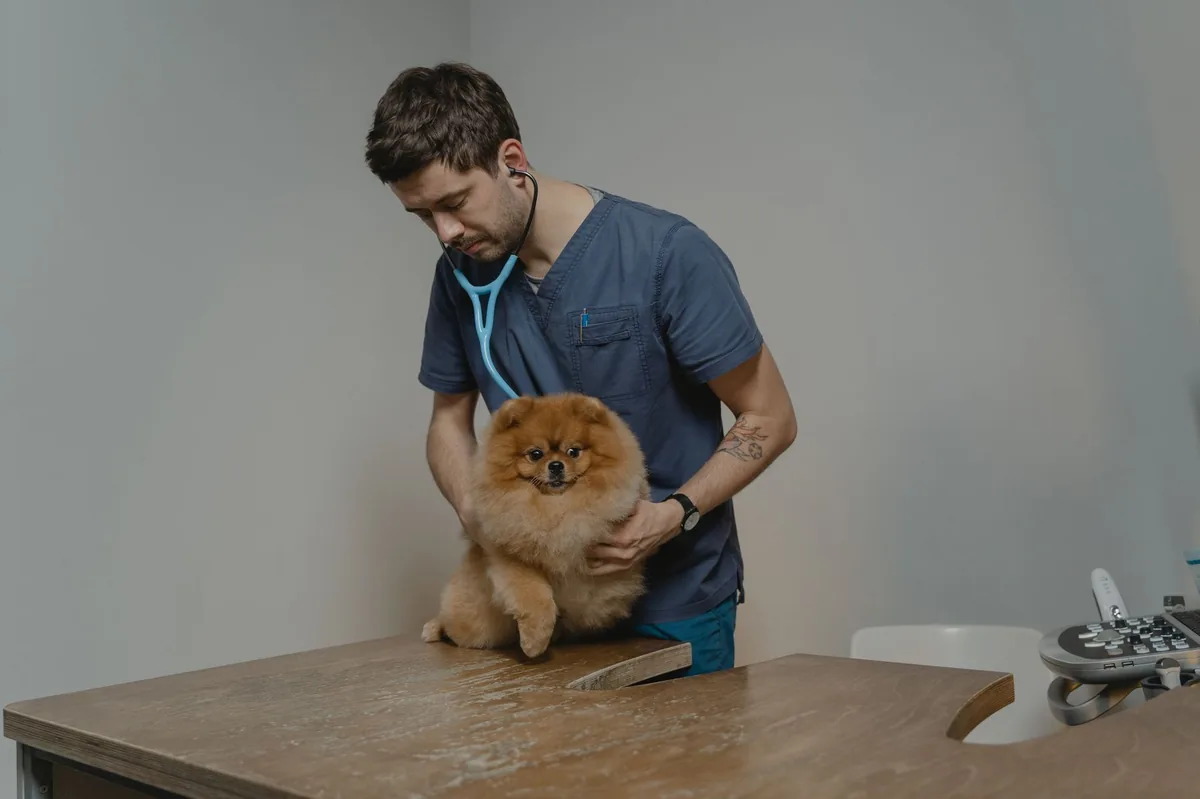
- History & physical exam: The vet will ask about diet, possible toxin exposure, and any breed‑related concerns, then palpate the abdomen for liver size and consistency.
- Blood work: A complete blood count (CBC) and serum chemistry panel reveal elevated liver enzymes (ALT, ALP), low albumin, and possible bilirubin spikes. The AAHA recommends a baseline liver panel for any puppy with persistent gastrointestinal signs.
- Imaging: Abdominal ultrasound can visualize liver texture, size, and any fluid accumulation. It can also guide a needle biopsy.
- Liver biopsy: The most definitive test. A small sample of liver tissue is examined under a microscope for fibrosis stage (graded I‑IV). The ACVIM notes that histopathology remains the gold standard for confirming fibrosis.
- Special tests: For suspected copper storage, a copper quantification assay or genetic test (e.g., for Bedlington Terriers) may be ordered.
Based on these results, the veterinarian will stage the disease, discuss prognosis, and outline a treatment plan.
Treatment options
Medical treatment
Therapy focuses on slowing scar formation, reducing inflammation, and supporting liver function. Common drug classes include:
- Anti‑inflammatory agents: Steroids such as prednisolone or non‑steroidal options like carprofen (used cautiously). Ask your vet about this option.
- Immunosuppressants: Cyclosporine or mycophenolate may be recommended if an autoimmune component is suspected.
- Antioxidants: S‑adenosyl‑methionine (SAMe) and vitamin E help protect liver cells from oxidative damage.
- Copper‑chelators: For copper‑associated fibrosis, drugs like D‑penicillamine or trientine are used to bind excess copper.
- Supportive fluids: Intravenous crystalloids can correct dehydration and help flush toxins.
All medications are dosed by your veterinarian based on your puppy’s weight and disease severity. Never start, stop, or change a dose without veterinary guidance.
Supplements and supportive care
Evidence‑based adjuncts can improve liver health when paired with a proper diet:
- Omega‑3 fatty acids (EPA/DHA): Reduce inflammation and may slow fibrosis progression. A fish‑oil supplement formulated for dogs is a common choice.
- Milk thistle (silymarin): Has antioxidant properties; several studies in the Merck Veterinary Manual note modest benefit in chronic liver disease.
- Probiotics: Maintaining gut health can lessen toxin load on the liver. Look for strains such as Enterococcus faecium that are proven in canine studies.
Supplements should be introduced gradually and discussed with your vet to avoid interactions.
Procedures or surgery
Most cases of hepatic fibrosis in puppies are managed medically; however, surgery may be needed if an underlying structural problem (e.g., biliary obstruction) is identified. Procedures can include:
- Shunting surgery to relieve abnormal blood flow.
- Partial liver lobectomy if a focal lesion is causing extensive inflammation.
Recovery from liver‑related surgery typically requires 2‑4 weeks of confinement, pain control, and close monitoring of blood work. Costs can range from $3,500 USD to $7,000 USD in the United States, depending on the facility and complexity.
Diet and nutrition
Feeding a liver‑supportive diet is one of the most impactful steps you can take for a puppy with fibrosis. The goal is to provide highly digestible protein, moderate calories, and nutrients that reduce hepatic workload.
What to feed
- Highly digestible protein sources: Boiled chicken, turkey, or white‑fish (no skin or bones). Aim for 18‑22 % of calories from protein.
- Complex carbohydrates: Cooked rice, sweet potato, or pumpkin provide energy without taxing the liver.
- Limited fat: About 8‑12 % of calories from fat; include omega‑3‑rich fish oil for anti‑inflammatory benefit.
- Supplemental nutrients: A vitamin E‑rich supplement, SAMe, and a low‑copper therapeutic diet (if copper overload is a concern).
What to limit
- High‑copper foods such as organ meats (liver, kidney) and certain legumes.
- Excessive treats, especially those high in fat or sugar.
- Raw diets that are not balanced for copper content unless specifically formulated for liver disease.
What to avoid
- Alcohol or foods containing xylitol, which are toxic to the liver.
- High‑sodium canned foods that can worsen fluid retention.
- Commercial foods with artificial preservatives that may increase hepatic stress.
Many pet food manufacturers offer a “therapeutic liver diet” that meets AAHA and AAFCO standards. While we won’t endorse a specific brand, look for products labeled “low copper” or “renal‑support” that also meet the protein and calorie needs of a growing puppy.
Feeding schedule and transition
Feed small, frequent meals (3‑4 times daily) to avoid overloading the liver at once. When switching to a new diet, do it gradually over 7‑10 days: mix 25 % new food with 75 % old food, then increase the new portion every two days. This reduces gastrointestinal upset and helps your puppy adjust.
Hydration is crucial. Fresh water should always be available, and low‑sodium broth can encourage intake if the puppy is reluctant to drink.
| Dietary action | Reason |
|---|---|
| Feed highly digestible protein | Reduces ammonia production and supports liver regeneration. |
| Limit copper‑rich foods | Prevents further accumulation that accelerates fibrosis. |
| Include omega‑3 fatty acids | Anti‑inflammatory effect helps slow scar formation. |
| Avoid high‑fat treats | Prevents hepatic lipidosis, a secondary fatty liver condition. |
For families on a budget, a home‑cooked diet using boiled chicken, rice, and a splash of fish oil can be as effective as commercial therapeutic foods, provided it’s balanced with a vitamin‑mineral supplement approved by your vet.
Cost and prognosis
Financial considerations are an important part of planning long‑term care. Below are typical cost ranges (estimated, US & UK) for a young dog diagnosed with liver fibrosis:
| Service | US estimate | UK estimate |
|---|---|---|
| Initial blood panel & chemistry | $150‑$250 | £80‑£130 |
| Abdominal ultrasound | $300‑$500 | £150‑£250 |
| Liver biopsy (incl. pathology) | $1,200‑$2,000 | £800‑£1,200 |
| Medical therapy (first 3 months) | $400‑$900 | £250‑£500 |
| Supplements (yearly) | $150‑$300 | £100‑£200 |
| Follow‑up rechecks (every 3‑6 months) | $100‑$200 each | £60‑£120 each |
Many pet insurance plans cover diagnostics and medication, but coverage for liver biopsies and long‑term supplements varies. Check your policy details and ask your insurer about “chronic liver disease” clauses.
Prognosis depends on the underlying cause, stage at diagnosis, and how well the liver responds to treatment. Early‑stage fibrosis (stage I–II) can be stabilized for years, with many puppies living a normal lifespan. Advanced fibrosis (stage III–IV) carries a guarded prognosis; quality of life may decline despite aggressive therapy. Your veterinarian will discuss expected survival rates based on your puppy’s specific situation.
Prevention and home care
While some causes (genetic copper storage) can’t be eliminated, many risk factors are modifiable:
- Limit toxin exposure: Store chemicals, pesticides, and human medications out of reach. Use pet‑safe flea and tick products (e.g., those approved by the AVMA).
- Vaccinate and deworm: Regular vaccinations and parasite control reduce the chance of infectious liver disease. Follow AAHA vaccination guidelines for puppies.
- Breed‑specific screening: If you own a Bedlington Terrier or a breed prone to copper accumulation, consider genetic testing early (recommended by the AKC).
- Balanced nutrition: Feed a diet low in copper and high in digestible protein from the start, especially if your vet identifies a predisposition.
- Routine check‑ups: Schedule a wellness exam at least every six months during the first two years of life; early blood work can catch subtle liver enzyme changes before clinical signs appear.
At home, monitor your puppy’s weight, energy level, and stool consistency. Keep a simple log of any vomiting episodes, changes in water intake, or behavior shifts. This record helps your vet spot trends and adjust treatment promptly.
Diet and nutrition
Feeding a liver‑supportive diet is one of the most impactful steps you can take for a puppy with fibrosis. The goal is to provide highly digestible protein, moderate calories, and nutrients that reduce hepatic workload.
What to feed
- Highly digestible protein sources: Boiled chicken, turkey, or white‑fish (no skin or bones). Aim for 18‑22 % of calories from protein.
- Complex carbohydrates: Cooked rice, sweet potato, or pumpkin provide energy without taxing the liver.
- Limited fat: About 8‑12 % of calories from fat; include omega‑3‑rich fish oil for anti‑inflammatory benefit.
- Supplemental nutrients: A vitamin E‑rich supplement, SAMe, and a low‑copper therapeutic diet (if copper overload is a concern).
What to limit
- High‑copper foods such as organ meats (liver, kidney) and certain legumes.
- Excessive treats, especially those high in fat or sugar.
- Raw diets that are not balanced for copper content unless specifically formulated for liver disease.
What to avoid
- Alcohol or foods containing xylitol, which are toxic to the liver.
- High‑sodium canned foods that can worsen fluid retention.
- Commercial foods with artificial preservatives that may increase hepatic stress.
Many pet food manufacturers offer a “therapeutic liver diet” that meets AAHA and AAFCO standards. While we won’t endorse a specific brand, look for products labeled “low copper” or “renal‑support” that also meet the protein and calorie needs of a growing puppy.
Feeding schedule and transition
Feed small, frequent meals (3‑4 times daily) to avoid overloading the liver at once. When switching to a new diet, do it gradually over 7‑10 days: mix 25 % new food with 75 % old food, then increase the new portion every two days. This reduces gastrointestinal upset and helps your puppy adjust.
Hydration is crucial. Fresh water should always be available, and low‑sodium broth can encourage intake if the puppy is reluctant to drink.
| Dietary action | Reason |
|---|---|
| Feed highly digestible protein | Reduces ammonia production and supports liver regeneration. |
| Limit copper‑rich foods | Prevents further accumulation that accelerates fibrosis. |
| Include omega‑3 fatty acids | Anti‑inflammatory effect helps slow scar formation. |
| Avoid high‑fat treats | Prevents hepatic lipidosis, a secondary fatty liver condition. |
For families on a budget, a home‑cooked diet using boiled chicken, rice, and a splash of fish oil can be as effective as commercial therapeutic foods, provided it’s balanced with a vitamin‑mineral supplement approved by your vet.
Vet’s note
From our vet team: “Early detection of liver fibrosis changes the game. If your puppy is under two years old and shows any combination of poor growth, vomiting, or a swollen belly, ask for a liver panel and ultrasound right away. Even if the disease can’t be fully reversed, the right combination of medication, supplements, and a low‑copper diet can keep your dog comfortable and active for years.”
Key takeaways
- Watch for subtle signs—poor appetite, mild abdominal swelling, or pale gums—in puppies under two years old.
- Prompt blood work, ultrasound, and possibly a liver biopsy are needed to confirm fibrosis and its cause.
- Medical therapy (anti‑inflammatories, antioxidants, copper chelators) plus a low‑copper, high‑digestibility diet can stabilize many cases.
- Cost can range from a few hundred dollars for diagnostics to several thousand for advanced care; pet insurance often helps with medication but may limit biopsy coverage.
- Preventive steps include toxin avoidance, regular vaccinations, breed‑specific genetic testing, and feeding a liver‑supportive diet from the start.
- Even if fibrosis isn’t fully reversible, quality of life can be maintained with diligent home care and regular veterinary monitoring.
Myth vs. fact
Myth: Liver fibrosis only affects senior dogs.
Fact: While more common in older dogs, fibrosis can develop in puppies due to genetic disorders, infections, or toxin exposure.
Myth: A liver‑friendly diet can cure fibrosis.
Fact: Nutrition supports liver function and can slow progression, but it’s part of a broader medical management plan.
Myth: All liver disease is the same as cirrhosis.
Fact: Fibrosis is scarring that may lead to cirrhosis (advanced scarring). Early‑stage fibrosis is still potentially reversible with treatment.
Frequently asked questions
What are the symptoms of liver fibrosis in puppies?
Early signs include reduced appetite, mild weight loss, occasional vomiting, and a slightly swollen abdomen. As the disease advances, you may see pale or yellow gums, noticeable jaundice, severe lethargy, or neurological changes.
Can liver fibrosis be cured in young dogs?
Complete reversal is rare, but early‑stage fibrosis can be stabilized and sometimes improved with medication, antioxidants, and a liver‑supportive diet. The goal is to preserve liver function and quality of life.
How is liver fibrosis diagnosed in dogs?
Diagnosis typically involves a blood chemistry panel, abdominal ultrasound, and a liver biopsy to grade scar tissue. Additional tests for copper levels or infectious agents may be performed based on the suspected cause.
What treatments are available for liver fibrosis in dogs?
Therapies include anti‑inflammatory steroids or NSAIDs, immunosuppressants, copper‑chelating drugs for copper‑associated cases, antioxidants like SAMe, omega‑3 supplements, and, rarely, surgical correction of structural problems.
Is liver fibrosis life‑threatening for a puppy?
Yes, severe fibrosis can compromise the liver’s detoxifying ability, leading to life‑threatening complications such as hepatic encephalopathy. Early detection and treatment are crucial to improve outcomes.
What foods should I feed a dog with liver fibrosis?
Offer highly digestible proteins (boiled chicken, turkey, white fish), low‑copper carbohydrates (rice, sweet potato), moderate healthy fats (fish oil), and avoid organ meats, high‑fat treats, and excessive sodium. A therapeutic low‑copper diet can also be beneficial.
Ask the PuppaDogs community
Have a question this article didn’t fully answer? Want to compare notes with other dog owners who’ve been through this? Our community forum is moderated by experienced owners and vets — and answers tend to come fast. Ask in the PuppaDogs community →
References
- American College of Veterinary Internal Medicine (ACVIM) – “Guidelines for the Diagnosis and Management of Hepatic Fibrosis in Dogs,” 2022.
- American Animal Hospital Association (AAHA) – “Canine Liver Disease Guidelines,” 2023.
- Merck Veterinary Manual – “Liver Fibrosis” entry, updated 2023.
- World Small Animal Veterinary Association (WSAVA) – “Nutritional Management of Chronic Liver Disease,” 2021.
- American Kennel Club (AKC) – Breed health surveys for copper storage disease, 2022.
- Veterinary Partner – “Liver Biopsy Technique,” 2020.
- Plumb’s Veterinary Drug Handbook – “Copper Chelators and Antioxidants,” 9th edition, 2020.
- University of California, Davis Veterinary Medicine – “Canine Hepatic Encephalopathy,” 2021.


