














Quick take: Lung cancer in dogs is a serious, often metastatic disease that usually presents with coughing or breathing changes. Early signs can be subtle, so any new respiratory symptoms merit a veterinary check right away. Treatment may involve surgery, chemotherapy, or palliative care, and costs vary widely. Your vet will guide you through diagnosis, options, and supportive care tailored to your dog’s needs.
It’s 11 p.m., and you’ve just noticed your senior Golden Retriever, Max, is panting more than usual and seems reluctant to climb the stairs. You glance at his gums and see a faint bluish tint. Your heart races as you scroll through search results, hoping for a quick answer. You’re not alone—many owners feel the same panic when a beloved dog shows unexpected breathing changes.
We understand how unsettling this can be. Lung cancer in dogs is a complex condition, but with early detection and a clear plan, you can make informed decisions about Max’s care. Below, we break down everything you need to know: what lung cancer is, why it happens, how to spot it, how vets diagnose it, treatment pathways, costs, nutrition, and ways to support your dog at home.
What is lung cancer in dogs?
Lung cancer, also called pulmonary carcinoma, is a malignant tumor that starts in the tissue of the airways or lung parenchyma. The most common type in dogs is bronchogenic carcinoma, which arises from the cells lining the bronchi. Less frequently, dogs develop adenocarcinoma (originating from glandular cells) or mesothelioma (from the lining of the chest cavity). While any breed can develop lung cancer, the overall incidence is low—roughly 1–2 % of all canine cancers, according to the American Veterinary Medical Association (AVMA).
Because the lungs are highly vascular, cancer cells often spread (metastasize) to other organs such as the liver, brain, or bones early in the disease. This tendency makes early detection especially important, even though many dogs appear healthy until the tumor grows large enough to affect breathing.
What causes it?
Lung cancer in dogs is multifactorial. While the exact cause is often unknown, several risk factors have been identified:
- Age: Most cases occur in dogs over 8 years old.
- Breed predisposition: German Shepherds, Boxers, and Golden Retrievers show a slightly higher incidence.
- Environmental exposure: Secondhand smoke, industrial chemicals, and asbestos have been linked to higher risk in studies from the University of California, Davis School of Veterinary Medicine.
- Chronic lung disease: Dogs with long‑standing bronchitis or pneumonia may have an increased risk.
- Genetic mutations: Certain oncogenes (e.g., KRAS) have been identified in canine lung tumors, mirroring findings in human oncology research.
Signs and symptoms
Early lung cancer can be easy to miss because symptoms often mimic less serious conditions. Below is a progression guide to help you recognize when a cough or breathing change is more than a simple cold.
| Severity | Typical Signs |
|---|---|
| Mild | Occasional dry cough, slight increased respiratory rate after exercise, mild lethargy. |
| Moderate | Frequent hacking cough, audible wheezing, reduced appetite, subtle weight loss, occasional gagging. |
| Severe | Persistent cough with blood-tinged sputum, labored breathing at rest, blue‑tinged gums, noticeable pain or reluctance to move. |
Other red‑flag signs include: coughing up blood, sudden collapse, or a noticeable change in your dog’s demeanor (e.g., increased anxiety or depression). Because these signs overlap with heart disease, a thorough veterinary exam is essential for accurate differentiation.
When to call your vet
Call your vet today if you notice any of the following:
- New or worsening cough, especially if dry or hacking.
- Increased respiratory rate after mild activity.
- Loss of appetite or subtle weight loss.
- Changes in behavior such as increased fatigue.
Go to an emergency veterinary clinic right now if your dog shows any of these urgent signs:
- Labored breathing at rest or visible effort to inhale.
- Blue‑tinged gums or tongue.
- Coughing up blood or large amounts of mucus.
- Sudden collapse or inability to stand.
This article is for informational purposes only and does not replace a hands‑on veterinary exam. If you’re unsure, call your vet or an emergency clinic immediately.
How vets diagnose it
Diagnosing lung cancer involves a stepwise approach:
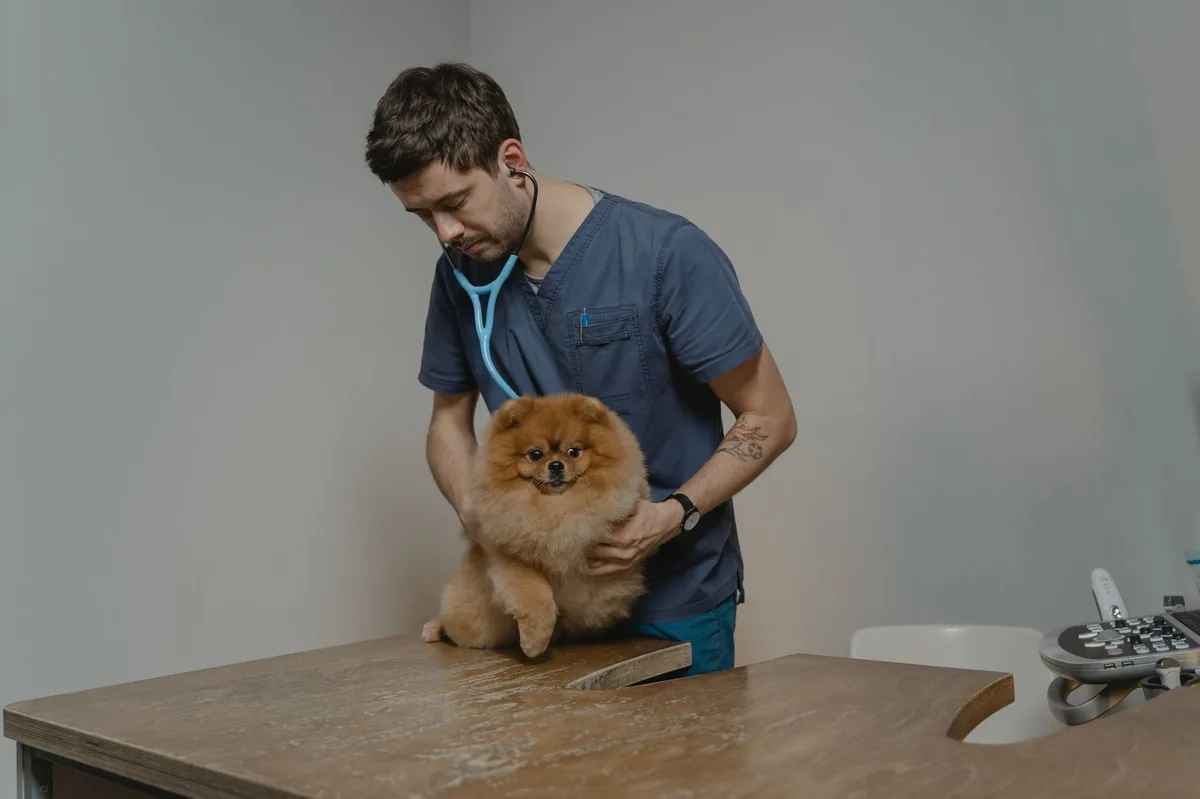
- History and physical exam: Your vet will ask about cough characteristics, duration, and any exposure risks, then listen to the chest with a stethoscope.
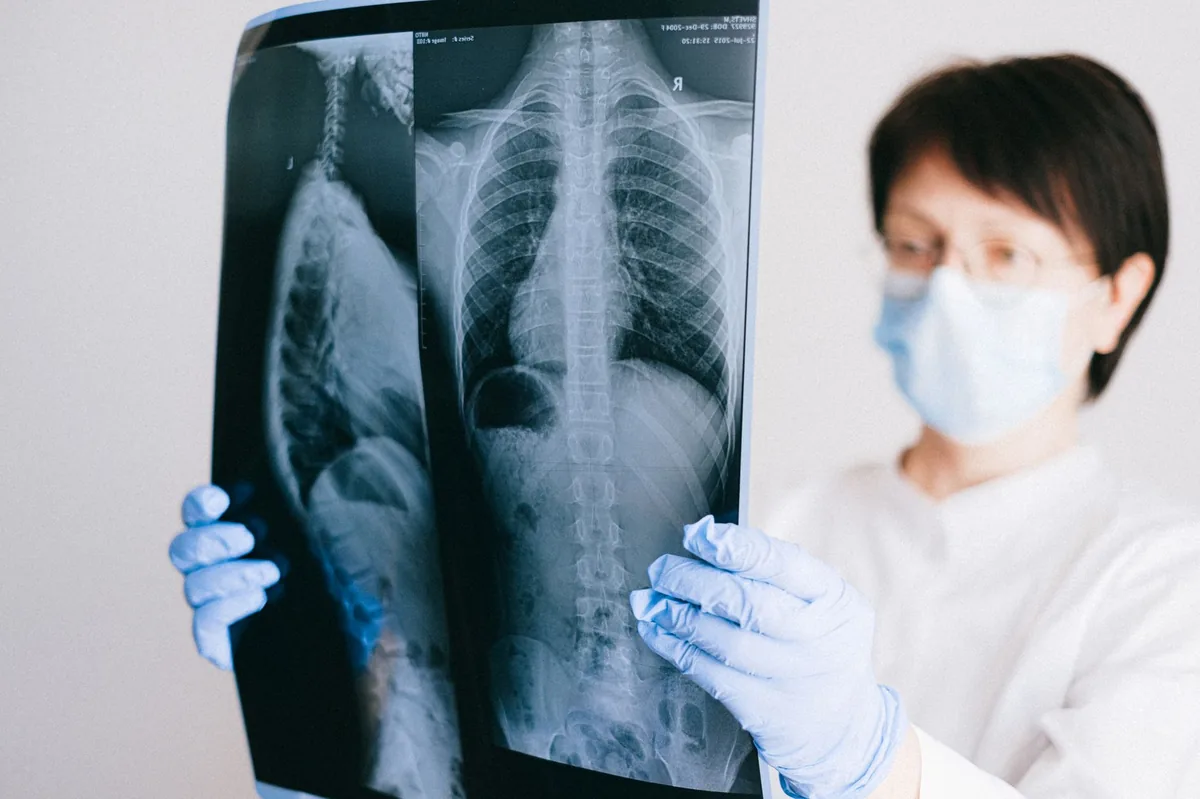
- Thoracic radiographs (X‑rays): Front‑ and side‑view images can reveal masses, nodules, or fluid accumulation. According to the AAHA, X‑rays are the first imaging tool for suspected pulmonary disease.
- Advanced imaging: CT (computed tomography) provides a three‑dimensional view, helping assess tumor size, location, and possible metastasis. CT is the gold standard for staging, per the American College of Veterinary Internal Medicine (ACVIM) guidelines.
- Fine‑needle aspiration (FNA) or core biopsy: Using a thin needle, the vet collects cells from the mass for cytology. If results are inconclusive, a surgical biopsy may be performed.
- Blood work: CBC, chemistry panel, and sometimes a thoracic fluid analysis help evaluate overall health and rule out other causes.
Treatment options
Medical treatment
When surgery isn’t possible or as an adjunct, medical therapy focuses on slowing tumor growth and managing symptoms. Common drug classes include:
- Chemotherapy: Agents such as carboplatin or doxorubicin are often used. Your vet will tailor protocols based on tumor type and your dog’s health.
- Targeted therapy: Tyrosine‑kinase inhibitors (e.g., toceranib) have shown activity against certain lung carcinomas. Ask your vet about eligibility.
- Pain management: NSAIDs (e.g., carprofen) or opioids (e.g., tramadol) are prescribed to keep your dog comfortable. Always discuss dosing with your vet.
Supplements and supportive care
Evidence supports a few adjuncts that may improve quality of life:
- Omega‑3 fatty acids (EPA/DHA): Anti‑inflammatory properties can help reduce tumor‑related inflammation. A high‑quality fish‑oil supplement is a safe option for most dogs.
- Antioxidant blends: Ingredients like vitamin E and selenium may support immune function, but they should not replace conventional therapy.
- Probiotics: Maintaining gut health can aid appetite and reduce side‑effects from chemotherapy.
Always ask your vet before adding any supplement, especially if your dog is receiving chemotherapy.
Procedures or surgery
For isolated lung tumors, surgical removal (lobectomy or segmentectomy) offers the best chance for long‑term control. The procedure involves removing the affected lung lobe through a thoracotomy or minimally invasive thoracoscopy. Recovery typically includes 10–14 days of restricted activity and chest tube management. Hospital stay can range from 2–4 days, and total costs (including anesthesia, imaging, and postoperative care) often fall between US $5,000–$12,000 and UK £4,000–£9,000, depending on location and facility.
Diet and nutrition
Nutrition plays a pivotal role in supporting a dog fighting lung cancer. While no single “cancer diet” cures the disease, certain feeding strategies can help maintain weight, boost immunity, and ease treatment side‑effects.
Here are practical guidelines for daily feeding:
- High‑quality protein: Choose foods with digestible animal proteins (chicken, turkey, fish) to preserve lean muscle mass. Aim for at least 20–25 % protein on a dry‑matter basis.
- Calorie density: Cancer can increase metabolic demands. If your dog is losing weight, offer calorie‑dense meals—adding a spoonful of canned pumpkin or a drizzle of olive oil can help.
- Moderate fat: Omega‑3‑rich fish oils support inflammation control, but excessive fat can exacerbate coughing. A balanced 10–15 % fat content is usually ideal.
- Limited simple carbohydrates: High‑glycemic carbs may fuel tumor growth. Opt for complex carbs like sweet potato or brown rice in moderate amounts.
- Hydration: Ensure fresh water is always available. If your dog is reluctant to drink, adding water or low‑sodium broth to kibble can improve intake.
- Avoid foods that irritate the lungs: Very salty treats, smoked meats, or heavily seasoned human foods can increase inflammation.
Prescription therapeutic diets, such as those formulated for “oncologic support,” often contain enhanced antioxidants and omega‑3s. While we don’t endorse specific brands, you can discuss options like a veterinary‑approved “cancer diet” with your vet. Transition slowly—mix new food with the current diet over 7–10 days to avoid gastrointestinal upset.
| Food Category | Do Feed | Limit | Avoid |
|---|---|---|---|
| Proteins | Cooked chicken, turkey, white fish | Red meat (high fat) | Processed meats, smoked foods |
| Carbohydrates | Sweet potato, quinoa, brown rice | White rice (large amounts) | High‑sugar treats, table scraps |
| Fats | Fish oil, olive oil (moderate) | Excessive butter/oil | Fried foods |
| Supplements | Omega‑3 (EPA/DHA), probiotic powder | High‑dose antioxidants without vet guidance | Unregulated “herbal” blends |
Feeding tips for a dog with lung cancer:
- Offer small, frequent meals if appetite is low.
- Warm the food slightly to enhance aroma and encourage eating.
- Monitor weight weekly; a loss of more than 5 % body weight warrants a vet check.
- Ask your vet about a “tube feeding” plan if oral intake drops dramatically.
Cost and prognosis
Financial planning is an essential part of cancer care. Below are typical cost ranges (average estimates, may vary by region and clinic):
- Diagnostic work‑up: X‑rays $150‑$300, CT scan $800‑$1,500, biopsy $300‑$600.
- Surgical removal: $5,000‑$12,000 (US) / £4,000‑£9,000 (UK).
- Chemotherapy: $200‑$500 per session; a full protocol often involves 4–6 sessions.
- Palliative care (pain meds, supplements): $50‑$150 per month.
Prognosis depends heavily on tumor type, stage at diagnosis, and treatment choice. For dogs with localized disease that undergo successful surgery, median survival can extend to 12–24 months, with some dogs living beyond three years. Advanced or metastatic disease carries a poorer outlook, with median survival often under 6 months despite therapy. Quality of life remains the primary goal; many owners opt for palliative care to keep their pets comfortable.
Prevention and home care
While you can’t eliminate all risk, certain habits may lower the chance of developing lung cancer:
- Smoke‑free environment: Keep your home and car free of tobacco smoke.
- Limit exposure to pollutants: Avoid areas with heavy traffic or industrial fumes, and use air purifiers indoors if possible.
- Routine veterinary exams: Annual check‑ups allow early detection of respiratory changes.
- Vaccinations: Keeping core vaccines up to date helps prevent chronic infections that could predispose to cancer.
- Balanced diet and weight management: Maintaining a healthy weight reduces overall inflammation.
At home, monitor your dog’s breathing, cough, and activity level daily. Keep a simple log (date, description of cough, any triggers) to share with your vet. If your dog is undergoing treatment, follow medication schedules meticulously and watch for side‑effects such as vomiting, loss of appetite, or changes in behavior.
From our vet team: “If your dog receives a new cough, don’t wait for it to worsen. Early imaging can catch a tumor when surgical removal is still an option. Even when cure isn’t possible, we focus on keeping your companion comfortable, well‑fed, and loved.”
Key takeaways
- Any new or worsening cough in a dog over 8 years old should prompt a veterinary exam.
- Chest X‑rays are the first step; a CT scan gives the most accurate picture of tumor size and spread.
- Surgery offers the best chance for long‑term control, but chemotherapy and palliative care are valuable when surgery isn’t feasible.
- High‑quality protein, omega‑3 fatty acids, and calorie‑dense meals help maintain weight and support recovery.
- Costs vary widely; discuss a detailed estimate and payment options with your clinic before starting treatment.
- Keeping your home smoke‑free and scheduling regular wellness visits are practical ways to reduce risk.
Myth vs. fact
Myth: Lung cancer only affects dogs that smoke.
Fact: While secondhand smoke increases risk, most cases arise in dogs with no smoke exposure, often linked to age, genetics, or unknown factors.
Myth: All lung cancers are instantly fatal.
Fact: Early‑stage tumors that can be surgically removed may lead to months or years of good quality of life.
Myth: Home remedies can cure canine lung cancer.
Fact: No alternative therapy has been proven to eradicate lung cancer; evidence‑based veterinary care remains essential.
Frequently asked questions
What are the most common symptoms of lung cancer in dogs?
The most frequent sign is a persistent dry cough, often accompanied by wheezing or increased respiratory effort. Weight loss, reduced appetite, and occasional gagging can also appear as the disease progresses.
How do vets confirm a diagnosis of lung cancer in a dog?
Diagnosis begins with thoracic X‑rays, followed by a CT scan for detailed imaging. A fine‑needle aspiration or tissue biopsy then provides cellular confirmation, allowing the vet to differentiate cancer from infections or heart disease.
What treatment choices are available for dogs with lung cancer?
Options include surgical removal of isolated tumors, chemotherapy (commonly carboplatin or doxorubicin), targeted therapies like tyrosine‑kinase inhibitors, and palliative care focusing on pain control and quality of life.
Is lung cancer in dogs usually fatal?
Prognosis depends on stage at diagnosis. Dogs with localized, surgically removable tumors can live 12–24 months or longer. Advanced or metastatic disease often has a shorter lifespan, but palliative care can keep dogs comfortable for weeks to months.
How much does treatment for canine lung cancer typically cost?
Diagnostic work‑up averages $1,000–$2,500. Surgery ranges from $5,000–$12,000, while chemotherapy protocols add $800–$3,000. Ongoing palliative medication and supplements may cost $50–$150 per month.
Can diet or supplements help a dog with lung cancer?
While no diet cures cancer, feeding high‑quality protein, calorie‑dense meals, and omega‑3 fatty acids can support weight maintenance and reduce inflammation. Always discuss supplements with your vet to avoid interactions with chemotherapy.
Ask the PuppaDogs community
Have a question this article didn’t fully answer? Want to compare notes with other dog owners who’ve been through this? Our community forum is moderated by experienced owners and vets — and answers tend to come fast. Ask in the PuppaDogs community →
References
- American Veterinary Medical Association (AVMA). “Cancer in Dogs.” 2023.
- American Animal Hospital Association (AAHA). “Thoracic Radiography Guidelines.” 2022.
- American College of Veterinary Internal Medicine (ACVIM). “Staging of Pulmonary Carcinoma.” 2021.
- University of California, Davis School of Veterinary Medicine. “Environmental Risk Factors for Canine Lung Cancer.” 2020.
- Merck Veterinary Manual. “Neoplasia of the Lung.” 2022 edition.
- World Small Animal Veterinary Association (WSAVA). “Nutrition for Dogs with Cancer.” 2021.
- Veterinary Oncology Society. “Chemotherapy Protocols for Canine Lung Carcinoma.” 2023.
- American College of Veterinary Surgeons (ACVS). “Lobectomy in Dogs.” 2022.


