











Quick take: Nail infections in dogs—also called paronychia or onychomycosis—are usually treatable with proper cleaning, medication, and good grooming. Early signs include redness, swelling, or discharge around the nail. If you notice severe pain, rapid spread, or a foul odor, seek veterinary care right away.
It’s 9 p.m., and you’re sitting on the couch when your usually energetic Jack‑Russell Terrier limps toward you, nudging his front paw against your leg. You glance down and see his nail looking swollen, red, and a little oozing. Your heart skips a beat—what’s wrong? You’ve Googled “nail infection” before, but the flood of medical jargon is overwhelming, and you’re not sure if this is something you can handle at home or if it needs urgent professional help.
We get it. A painful paw can make any dog owner feel helpless, especially when the problem is hidden beneath a coat of fur. The good news is that most nail infections respond well to timely treatment, and with the right prevention plan, they’re often avoidable. Below we break down everything you need to know about nail infections in dogs—from what they are, to how to spot them, what your vet will do, and how you can keep your pup’s paws healthy for life.
What is nail infections in dogs?
Nail infections in dogs refer to inflammation and microbial invasion of the tissue surrounding the nail (the nail fold) or the nail itself. The two most common medical terms are:
- Paronychia – a bacterial infection of the nail fold, often caused by Staphylococcus or Streptococcus species.
- Onychomycosis – a fungal infection of the nail plate, usually due to dermatophytes like Microsporum canis or yeast such as Malassezia pachydermatis.
Both conditions can cause pain, swelling, and discharge. While exact prevalence is hard to pin down, the American Veterinary Medical Association (AVMA) notes that nail disorders are among the top ten reasons owners bring dogs to the clinic for paw-related concerns.
What causes it?
Several factors can open the door for bacteria or fungi to invade a dog’s nail:
- Trauma – cuts, splinters, or a nail torn off during play or rough grooming.
- Underlying skin conditions – allergies, dermatitis, or chronic licking can weaken the skin barrier.
- Moisture and poor hygiene – damp paws after swimming, walking in wet grass, or living in a humid environment.
- Foreign bodies – thorns, burrs, or tiny splinters lodged under the nail.
- Breed predisposition – breeds with thick, curly nails (e.g., Pugs, Bulldogs) or those prone to pododermatitis (e.g., Cocker Spaniels) may be at higher risk.
Signs and symptoms
Early detection is key. Here’s what most owners notice first, followed by signs that indicate a more serious infection:
| Stage | Typical signs |
|---|---|
| Early / mild | Redness around the nail, slight swelling, occasional clear or yellowish discharge, mild licking. |
| Moderate | Visible pus, foul odor, noticeable pain when touching the nail, limping, crusty debris. |
| Severe | Severe swelling, ulceration, necrotic nail tissue, fever, loss of appetite, refusal to walk. |
Distinguishing bacterial from fungal infection isn’t easy at home—both can look similar. However, fungal infections often develop more slowly and may be associated with a dry, flaky nail surface, whereas bacterial infections can appear suddenly after trauma.
When to call your vet
Call your vet today if you notice:
- Redness, swelling, or discharge that doesn’t improve after 24 hours of gentle cleaning.
- Limping or reluctance to bear weight on the affected paw.
- Foul odor coming from the nail area.
- Any signs of fever (lethargy, shivering) or loss of appetite.
Go to an emergency veterinary hospital right now if you see:
- Severe swelling that spreads rapidly.
- Bleeding that won’t stop.
- Visible necrosis (black, dead tissue) of the nail.
- Sudden collapse, vomiting, or difficulty breathing (rare but can accompany severe infection).
This article is for informational purposes only and does not replace a hands‑on veterinary exam.
How vets diagnose it
When you bring your dog in, the veterinarian will:
- Take a history – ask about recent injuries, grooming habits, and any underlying skin issues.
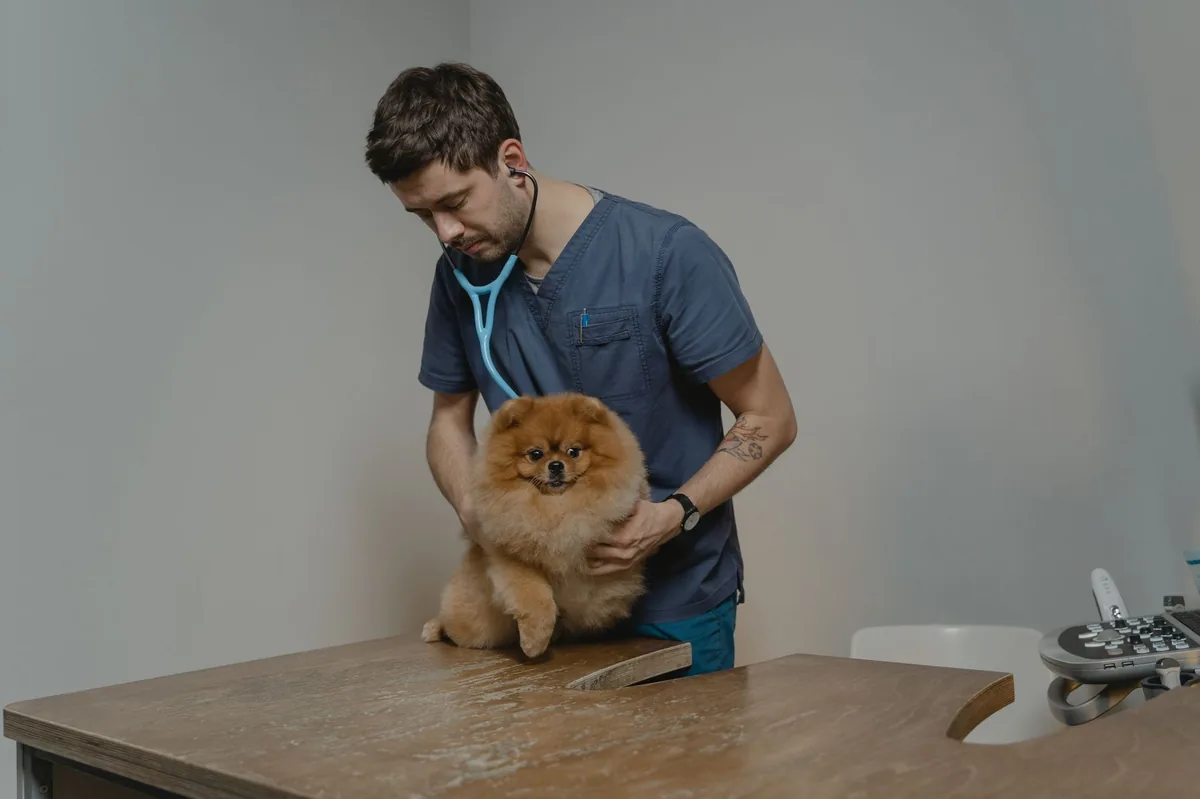
- Perform a physical exam – palpate the nail, look for discharge, and assess pain response.
- Collect samples – a swab of the discharge for bacterial culture and a nail clipping for fungal culture (often sent to a lab).
- Run blood work if the infection appears severe, to rule out systemic illness.
- Use imaging (radiographs or ultrasound) when bone involvement is suspected, such as osteomyelitis.
These tests help your vet choose the most effective medication and determine whether surgery is needed.
Treatment options
Medical treatment
Most nail infections respond to a combination of cleaning and medication. Common drug classes include:
- Oral antibiotics – such as amoxicillin‑clavulanate or cephalexin, targeting bacterial pathogens.
- Topical antiseptics – chlorhexidine or povidone‑iodine solutions applied twice daily.
- Antifungal agents – oral itraconazole or terbinafine for confirmed fungal infections, and topical miconazole or clotrimazole creams.
- Anti‑inflammatories – NSAIDs like carprofen can reduce pain and swelling, prescribed after the vet confirms no contraindications.
Always ask your vet about the best option for your dog’s specific infection. Dosages are weight‑based and should never be guessed.
Supplements and supportive care
While supplements can’t replace antibiotics or antifungals, they may aid recovery:
- Omega‑3 fatty acids (EPA/DHA) – help reduce inflammation and support skin health.
- Probiotics – maintain a balanced gut flora, especially if your dog is on oral antibiotics.
- Vitamin C – an antioxidant that can support tissue repair, but discuss the appropriate amount with your vet.
These are optional and should be introduced only after your vet approves them.
Procedures or surgery
When infection has damaged the nail matrix or bone, more invasive measures may be required:
- Nail trimming or debridement – a clean cut to remove dead tissue and allow medication to penetrate.
- Partial nail removal – sometimes the entire affected nail is removed to let a healthy one grow back.
- Drainage and wound packing – for abscesses that need to be opened and cleaned.
- Bone debridement – in severe cases like osteomyelitis, surgical cleaning of infected bone may be needed.
Recovery from surgery usually takes 2–4 weeks, with a follow‑up visit to monitor healing.
Diet and nutrition
Nutrition plays a subtle but meaningful role in immune health and wound healing. While no single “nail‑infection diet” exists, feeding a balanced, high‑quality diet can give your dog the building blocks it needs to recover faster.
Foods rich in high‑quality protein support tissue repair, while omega‑3 fatty acids reduce inflammation. Avoid ingredients that can exacerbate skin or paw issues, such as excessive fillers, artificial colors, and excessive grain‑based carbohydrates that may promote yeast overgrowth.
| Category | What to feed | What to limit or avoid |
|---|---|---|
| Protein | Lean chicken, turkey, or fish; high‑quality commercial diets with >18 % protein. | Low‑protein “light” formulas. |
| Fats | Foods with added fish oil or flaxseed; omega‑3 rich treats. | Excessive saturated fats from fatty cuts of meat. |
| Carbohydrates | Complex carbs like sweet potato or brown rice in moderate amounts. | Highly processed grain meals, corn gluten meal. |
| Supplements | Veterinary‑approved omega‑3 capsules, probiotic powders. | Over‑the‑counter “immune boosters” without vet guidance. |
During recovery, offer smaller, more frequent meals to keep energy levels steady and reduce the workload on the digestive system. If your dog has a known food allergy, stick to the elimination diet your vet recommends. For dogs with chronic skin issues, a therapeutic diet such as a limited‑ingredient or hypoallergenic formula (e.g., those meeting AAFCO nutrient profiles) can be beneficial.
Cost and prognosis
Expenses vary based on severity, required diagnostics, and geographic location. Below are typical cost ranges in the United States and United Kingdom (prices are estimates and can differ by clinic):
| Service | US (USD) | UK (GBP) |
|---|---|---|
| Initial exam & basic labs | $50–$100 | £40–£80 |
| Cytology or culture (bacterial/fungal) | $75–$150 | £60–£120 |
| Oral antibiotics (10‑day course) | $20–$40 | £15–£30 |
| Topical medication (tube) | $15–$35 | £12–£28 |
| Surgical nail removal | $300–$800 | £250–£600 |
| Follow‑up visits (2‑3) | $50–$150 | £40–£110 |
When treated early, most dogs recover fully within 2–4 weeks and regain normal activity. Severe infections that involve bone may take 6–8 weeks and carry a higher risk of recurrence. Overall, the prognosis is good for healthy dogs when proper care is given.
Prevention and home care
Keeping your dog’s paws clean and healthy is the best defense against nail infections. Here are practical steps you can take every day:
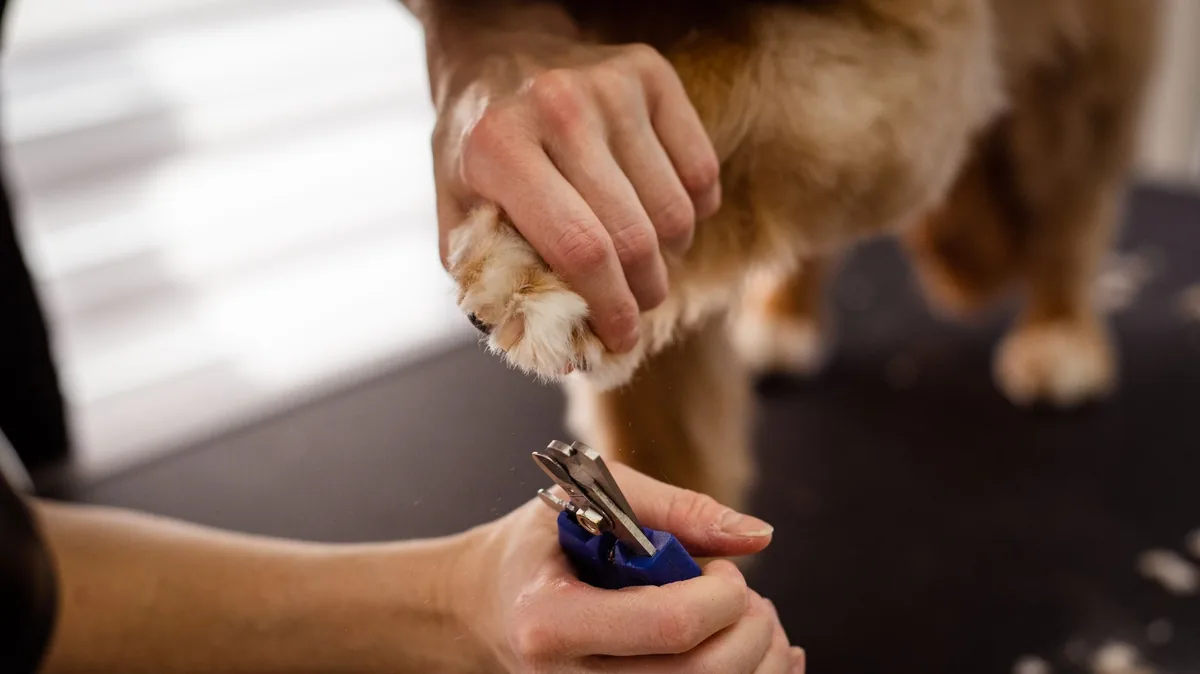
- Regular nail trims – keep nails short enough to avoid snagging or tearing. Use a high‑quality nail grinder or clipper; if you’re unsure, ask your groomer for a demonstration.
- Inspect paws after walks – look for thorns, splinters, or debris, especially after hikes or off‑lead play.
- Dry paws thoroughly – after swimming, baths, or rainy walks, pat the paws dry with a clean towel.
- Maintain good hygiene – wash your dog’s paws with a mild, pet‑safe cleanser once a week, especially if they spend time on wet or muddy surfaces.
- Address skin allergies promptly – chronic itching can lead to nail damage. Our our experts page offers guidance on allergy testing and management.
- Use appropriate footwear – dog booties can protect paws from sharp objects and extreme temperatures during winter or summer activities.
For dogs that love digging or have a habit of chewing their paws, consider behavior‑modifying toys or a short, supervised playtime to reduce the chance of trauma.
From our vet team: “A nail infection often starts with a tiny cut that goes unnoticed. Regular paw checks and prompt cleaning can stop a small problem from becoming a big one. If you ever doubt the severity, a quick phone call to your vet can save both time and money.”
Key takeaways
- Early signs—redness, swelling, or discharge—should be cleaned and monitored; don’t wait for the pain to worsen.
- Both bacterial (paronychia) and fungal (onychomycosis) infections exist; definitive identification requires a lab culture.
- Veterinary treatment typically involves oral antibiotics or antifungals plus topical care; surgery is reserved for severe or chronic cases.
- Cost varies, but most uncomplicated infections are treatable for under $200 in the US.
- Prevent future infections with regular nail trims, paw inspections after outdoor activities, and keeping paws dry.
- Support healing with a balanced diet rich in high‑quality protein and omega‑3 fatty acids.
Myth vs. fact
Myth: “All nail problems are fungal and need antifungal medication.”
Fact: Both bacteria and fungi cause nail infections; treatment must match the identified organism, often requiring antibiotics for bacterial cases.
Myth: “If the nail looks fine, there’s no infection.”
Fact: Infections can start beneath the nail fold, causing pain and swelling even when the nail itself appears normal.
Myth: “Home remedies alone will cure a serious nail infection.”
Fact: While cleaning and topical antiseptics help early cases, moderate to severe infections usually need prescription medication and veterinary oversight.
Frequently asked questions
What causes nail infections in dogs?
Most nail infections stem from trauma, moisture, or underlying skin conditions that let bacteria or fungi invade the nail fold. Common culprits include cuts, splinters, chronic licking, and humid environments.
How can I tell if my dog’s nail infection is bacterial or fungal?
Visually, the two can look similar; however, fungal infections often develop slowly and may cause a flaky, discolored nail, while bacterial infections appear suddenly after an injury and produce pus. A definitive diagnosis requires a culture taken by your vet.
What home remedies are safe for a dog’s nail infection?
Gentle cleaning with a dilute chlorhexidine solution (1 % concentration) twice daily, keeping the area dry, and using an Elizabethan collar to prevent licking are safe supportive measures. Avoid human antibiotics, hydrogen peroxide, or harsh chemicals without veterinary guidance.
When is a nail infection an emergency for a dog?
Seek emergency care if you notice rapid swelling, uncontrolled bleeding, necrotic (black) nail tissue, or if your dog shows systemic signs such as fever, vomiting, or severe lethargy. These indicate a possible deep infection that needs urgent treatment.
Will my dog need surgery for a severe nail infection?
Most infections resolve with medication and cleaning, but severe cases that involve bone infection or a severely damaged nail may require partial or complete nail removal, drainage, or debridement. Your vet will discuss surgical options if they become necessary.
How can I stop my dog from getting nail infections again?
Maintain regular nail trims, inspect paws after outdoor activities, keep paws dry, and address any skin allergies promptly. Providing a balanced diet with omega‑3 fatty acids and using protective booties in rough terrain further reduce risk.
Ask the PuppaDogs community
Have a question this article didn’t fully answer? Want to compare notes with other dog owners who’ve been through this? Our community forum is moderated by experienced owners and vets — and answers tend to come fast. Ask in the PuppaDogs community →
References
- American Veterinary Medical Association (AVMA). “Paw and Nail Disorders.”
- American Animal Hospital Association (AAHA). “Guidelines for Diagnosis and Treatment of Canine Paronychia.” 2022.
- Merck Veterinary Manual. “Onychomycosis in Dogs.”
- World Small Animal Veterinary Association (WSAVA). “Skin and Nail Health.”
- American College of Veterinary Internal Medicine (ACVIM). “Management of Bacterial Nail Infections.”
- Veterinary Dermatology, 2021 Edition, Section on Dermatophyte Infections.
- University of California, Davis Veterinary Medicine. “Canine Nail Care Guidelines.”
- AAFCO (Association of American Feed Control Officials). “Nutrient Profiles for Dogs.”
- British Veterinary Association (BVA). “Cost Estimates for Veterinary Procedures.”
- International Society for Companion Animal Infectious Diseases. “Culture and Sensitivity Testing in Dogs.”


