











Quick take: Myasthenia gravis in dogs is a rare autoimmune disorder that blocks nerve signals to muscles, leading to weakness that can range from mild to life‑threatening. Early signs include a floppy jaw, trouble swallowing, or difficulty rising. Prompt veterinary evaluation, blood‑based antibody testing, and targeted medication can bring many dogs back to a comfortable life, though lifelong management is often needed.
It’s 11 p.m., and the usually‑energetic golden‑retriever you’ve had for eight years is sitting at the foot of the stairs, refusing to climb up for her bedtime snack. Her tongue looks a little swollen, and when you gently press her gums, they feel paler than usual. Your mind races through every late‑night article you’ve ever read about “weakness in dogs.” You wonder: is this something you can handle at home, or does she need to be rushed to the emergency clinic?
We understand how unsettling this moment feels. The bottom line is that myasthenia gravis (MG) can be serious, but with the right diagnosis and a tailored treatment plan, many dogs live happy, active lives. In this guide we’ll explain what MG is, why it happens, how to spot it, what the vet will do to confirm it, and how you can manage the condition at home—including diet, cost considerations, and prevention tips.
Read on for a step‑by‑step roadmap that will help you feel prepared, ask the right questions at your next appointment, and give your dog the best possible care.
What is Myasthenia Gravis in Dogs?
Myasthenia gravis (MG) is an autoimmune disease where the body produces antibodies that block or destroy acetylcholine receptors at the neuromuscular junction. In plain language, the nerves can’t properly “talk” to the muscles, so the muscles become weak and tire quickly. MG can affect any muscle, but the facial, throat, and limb muscles are most commonly involved.
In dogs, MG is considered uncommon, accounting for roughly 0.5–1 % of all neuromuscular disorders seen in referral hospitals, according to the American College of Veterinary Internal Medicine (ACVIM). It can appear at any age, but there are two classic patterns: a congenital (present at birth) form seen in certain breeds, and an acquired adult‑onset form that usually develops in middle‑aged to senior dogs.
What causes it?
MG arises when the immune system mistakenly targets the acetylcholine receptors. The exact trigger is often unknown, but several risk factors have been identified:
- Breed predisposition: Certain breeds have a higher genetic susceptibility, especially the Old English Sheepdog, Labrador Retriever, and Miniature Schnauzer for the congenital form.
- Underlying thymus abnormalities: Thymomas (tumors of the thymus gland) or thymic hyperplasia are frequently associated with the acquired form.
- Concurrent diseases: Autoimmune disorders (e.g., systemic lupus erythematosus), certain cancers, or infections can trigger an immune response that cross‑reacts with neuromuscular receptors.
While the exact cause remains “idiopathic” (unknown) in many cases, the above factors are the most common clues veterinarians look for when evaluating a dog for MG.
Signs and symptoms
MG often begins subtly and can progress rapidly. Early clues are usually related to muscles that require frequent use:
| Stage | Typical signs |
|---|---|
| Mild | Facial “floppy” ears, drooping eyelids, difficulty chewing dry kibble, occasional gagging. |
| Moderate | Generalized weakness, reluctance to climb stairs or jump, soft voice (laryngeal weakness), regurgitation. |
| Severe | Inability to stand, respiratory distress from diaphragm weakness, collapse, or sudden paralysis. |
Other signs that may appear include a “hung‑up” jaw, rapid breathing, or a noticeable change in gait (often a “wobbly” or “staggering” walk). Because these symptoms can mimic other conditions—like muscular dystrophy or spinal disease—veterinary testing is essential for a definitive diagnosis.
When to call your vet
Call your vet today (non‑emergency):
- New onset of facial weakness, drooping eyelids, or trouble eating.
- Intermittent stumbling or difficulty rising after rest.
- Any change in voice or coughing that isn’t linked to a known respiratory infection.
Go to an emergency clinic right now:
- Sudden inability to stand or walk.
- Labored breathing, rapid shallow breaths, or signs of diaphragm weakness.
- Severe regurgitation with choking risk.
These guidelines are for information only. If you’re ever unsure, err on the side of caution and seek professional help.
How vets diagnose it
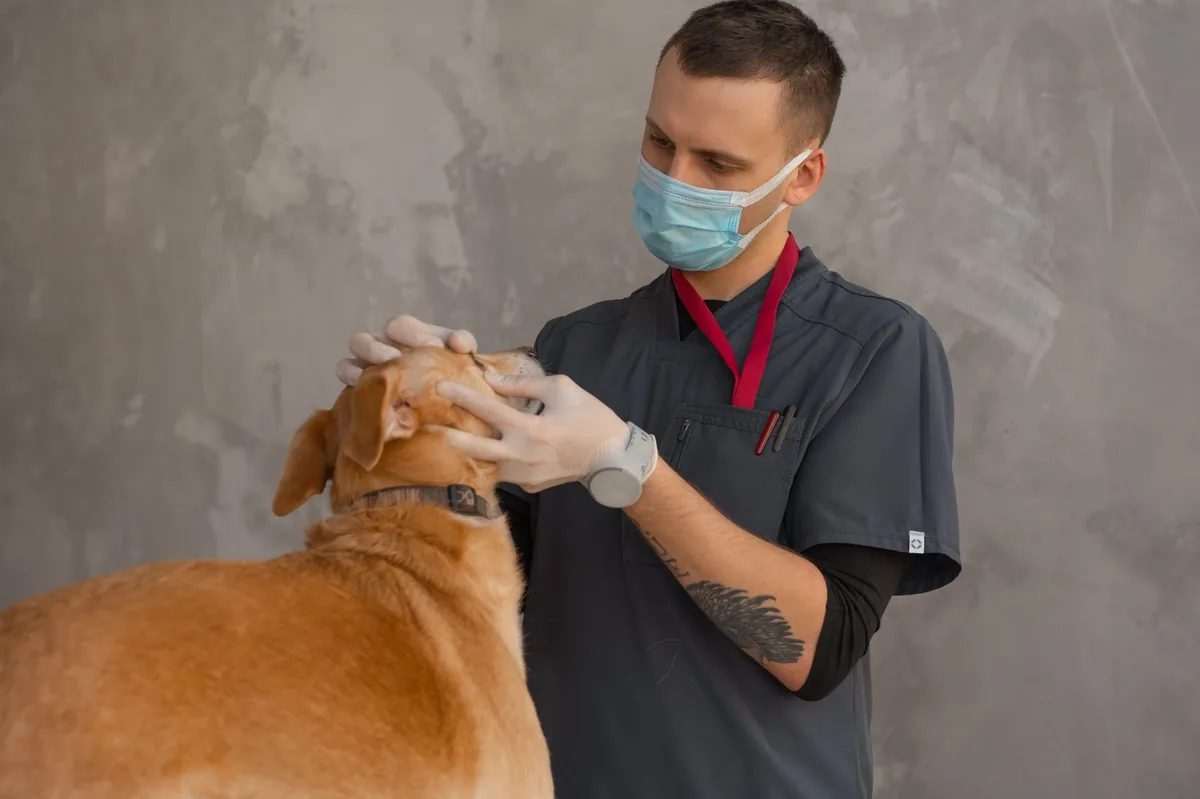
Diagnosing MG involves a combination of history, physical exam, and specific tests:
- Physical exam: The vet checks for muscle weakness, facial droop, and may perform a “tensilon test” using edrophonium chloride to temporarily improve weakness (a positive response supports MG).
- Blood work: A complete blood count and chemistry panel rule out metabolic causes and assess overall health.
- Acetylcholine receptor antibody assay: This is the gold‑standard test. Elevated antibodies in the serum confirm MG in most dogs.
- Electromyography (EMG): Detects abnormal electrical activity in muscles, helping differentiate MG from other neuromuscular disorders.
- Imaging: Thoracic radiographs or CT scans evaluate the thymus for tumors or hyperplasia, which can influence treatment decisions.
All of these tests are usually performed at a referral clinic or university veterinary hospital, such as UC Davis or Cornell’s veterinary college, where specialized equipment is available.
Treatment options
Medical treatment
Medication aims to improve neuromuscular transmission and, when needed, suppress the underlying immune attack.
- Cholinesterase inhibitors: Pyridostigmine bromide is the most common first‑line drug. It blocks the breakdown of acetylcholine, allowing more signal to reach the muscle.
- Immunosuppressants: For dogs with high antibody titers or thymoma‑associated MG, drugs such as prednisone, azathioprine, or cyclosporine are often added. These medications calm the immune system, reducing antibody production.
- Antibiotics or other adjuncts: If a thymic tumor is present, postoperative antibiotics may be prescribed, but they are not a primary treatment for MG itself.
Ask your vet about these options; dosages are weight‑based and must be tailored to each individual dog.
Supplements and supportive care
While supplements cannot replace prescription medication, they can help with overall muscle health and energy:
- Omega‑3 fatty acids (EPA/DHA): Anti‑inflammatory properties may ease muscle fatigue. Look for high‑quality fish‑oil supplements approved for dogs.
- Coenzyme Q10: Some owners report improved stamina, though evidence is modest. Discuss with your vet before adding it.
- Probiotics: Helpful if the dog experiences gastrointestinal upset from medications.
Always introduce supplements gradually and monitor for any change in appetite or stool consistency.
Procedures or surgery
When a thymoma is identified, surgical removal (thymectomy) is often recommended. The procedure is performed under general anesthesia, and most dogs recover within 7–10 days. Post‑operative care includes pain management, monitoring for infection, and possibly a short course of antibiotics. The cost of thymectomy can range from $4,000 to $8,000 in the United States, depending on the clinic and geographic location.
Diet and nutrition
Nutrition plays a supportive role in managing MG. Because the disease primarily affects neuromuscular transmission rather than the digestive system, there isn’t a single “cure‑diet.” However, feeding strategies can help maintain body condition, provide easy‑to‑swallow meals, and reduce stress on weakened muscles.
Key principles:
- Highly digestible protein: Choose foods with quality animal‑based proteins (e.g., chicken, turkey, or fish) that are easy for the gut to absorb. This helps preserve muscle mass without overloading the digestive tract.
- Small, frequent meals: Offering 3–4 smaller meals per day reduces the effort required to chew and swallow, especially if the dog has jaw weakness.
- Moist or softened kibble: Adding warm water, low‑sodium broth, or a little pumpkin puree can make dry kibble easier to manage. Softened food also encourages adequate calorie intake.
- Balanced calories: Maintaining a healthy weight is crucial. Both under‑ and overweight dogs can experience worsened weakness. Use a calorie calculator (see our dog calorie calculator) to fine‑tune portions.
- Avoid excessive sodium: High‑sodium diets can exacerbate fluid retention, which may affect breathing if the diaphragm is already compromised.
Prescription therapeutic diets are not required for MG, but if your dog has concurrent kidney or cardiac issues, a veterinary‑formulated renal or cardiac diet may be recommended. Always discuss any diet change with your vet to ensure it meets the dog’s specific nutrient needs.
| Food category | Do feed | Limit | Avoid |
|---|---|---|---|
| High‑quality commercial kibble | Yes – choose limited‑ingredient, digestible protein | Very high‑fat formulas | Low‑quality filler kibble |
| Home‑cooked meals | Lean meats, rice, pumpkin, sweet potato | Seasoned or heavily spiced foods | Onions, garlic, grapes, raisins |
| Supplements | Omega‑3 fish oil, probiotic blends | Excessive vitamin A or D | Unregulated herbal extracts |
Hydration is also important. Offer fresh water at all times, and consider adding a splash of low‑sodium broth to encourage drinking if the dog seems reluctant.
Finally, monitor body condition weekly. If you notice weight loss despite feeding adjustments, contact your vet—muscle wasting can be a sign that the disease is progressing or that the current diet isn’t meeting needs.

Cost and prognosis
Financial considerations are an important part of planning long‑term care. Below are typical cost ranges (average estimates, U.S. and U.K.) for the major components of MG management:
| Item | U.S. (USD) | U.K. (GBP) |
|---|---|---|
| Acetylcholine receptor antibody test | $150–$250 | £120–£200 |
| Baseline bloodwork & chemistry panel | $100–$200 | £80–£150 |
| EMG or nerve conduction study | $400–$800 | £300–£600 |
| Thoracic imaging (X‑ray or CT) | $300–$1,200 | £250–£900 |
| Initial pyridostigmine prescription (first month) | $30–$80 | £25–£70 |
| Immunosuppressant therapy (monthly) | $50–$150 | £40–£130 |
| Thymectomy surgery (if needed) | $4,000–$8,000 | £3,000–£6,500 |
| Long‑term monitoring (quarterly visits) | $100–$250 per visit | £80–£200 per visit |
Prognosis varies with the form of MG. Dogs with the congenital form often have a more guarded outlook, especially if symptoms appear early and are severe. For the acquired adult‑onset form, many dogs respond well to pyridostigmine and have a median survival of 2–5 years, with some living comfortably for a decade or more when managed appropriately. Early detection, adherence to medication, and regular veterinary follow‑up dramatically improve quality of life.
Prevention and home care
Because MG is an autoimmune disease, there is no guaranteed way to prevent it. However, certain practices can reduce the risk of triggering an immune response or worsening existing weakness:
- Maintain up‑to‑date vaccinations and parasite control (tick‑borne infections can stimulate immune dysregulation). Follow AAHA vaccination guidelines.
- Provide a balanced diet rich in antioxidants and omega‑3 fatty acids to support overall immune health.
- Avoid exposure to known toxins (e.g., certain pesticides or heavy metals) that could provoke autoimmune reactions.
- Regular wellness exams—especially for breeds predisposed to congenital MG—allow early detection of thymic abnormalities.
- Keep a consistent exercise routine that is low‑impact (short leash walks, gentle play) to preserve muscle tone without overexertion.
At home, monitor your dog’s strength daily. A simple “stand‑and‑sit” test each morning can help you notice subtle declines early. If you see a new weakness, record the time of day, activity, and any recent changes in diet or medication, then share this with your vet.
From our vet team: “My biggest wish for owners dealing with myasthenia gravis is to remember that fluctuations are normal. A dog may have a good day, then feel a bit weaker the next. Consistent medication, a calm environment, and regular check‑ins make the difference between a dog that merely survives and one that truly thrives.”
Key takeaways
- Myasthenia gravis is an autoimmune disorder that blocks nerve signals, causing muscle weakness that can range from mild to life‑threatening.
- Early signs include a floppy jaw, difficulty swallowing, and reluctance to climb stairs; seek veterinary care promptly.
- Diagnosis relies on a serum acetylcholine receptor antibody test, often supported by EMG and thoracic imaging.
- Medical management typically uses pyridostigmine and, when needed, immunosuppressants; surgery may be required for thymomas.
- Feeding small, frequent meals of highly digestible protein and adding omega‑3 supplements can support overall health.
- Regular veterinary follow‑up, a balanced diet, and low‑stress lifestyle choices give most dogs a good quality of life for years.
Myth vs. fact
Myth: Myasthenia gravis can be cured with diet alone.
Fact: While proper nutrition supports overall health, MG requires medical therapy; diet alone will not eliminate the autoimmune process.
Myth: All dogs with MG will eventually need a wheelchair.
Fact: Most dogs respond well to medication and maintain ambulation; only severe, untreated cases may become non‑weight‑bearing.
Myth: MG only affects senior dogs.
Fact: Both congenital (young) and acquired (middle‑aged to senior) forms exist, and breed predisposition can influence age of onset.
Frequently asked questions
What are the early signs of myasthenia gravis in dogs?
Early signs often involve facial muscles: a floppy jaw, drooping eyelids, and difficulty chewing dry kibble. Owners may also notice a soft voice or occasional gagging when drinking.
How is myasthenia gravis diagnosed?
Veterinarians confirm MG primarily with an acetylcholine receptor antibody assay, which detects elevated antibodies in the blood. Supporting tests include EMG, thoracic imaging for thymus evaluation, and a brief “tensilon test” to see if muscle strength improves temporarily.
What medications are commonly used?
Pyridostigmine bromide, a cholinesterase inhibitor, is the first‑line drug to improve muscle signaling. If antibodies remain high or a thymoma is present, immunosuppressants such as prednisone, azathioprine, or cyclosporine are added.
Is myasthenia gravis hereditary or breed‑specific?
Both forms exist. The congenital form is inherited and seen more often in breeds like Old English Sheepdogs and Miniature Schnauzers. The acquired form can develop in any breed but is more common in middle‑aged Labrador Retrievers and other large breeds.
What is the long‑term outlook for a dog with MG?
With appropriate medication, many dogs live a normal‑looking life for several years. Survival rates are higher in the acquired form—up to 70 % of dogs survive beyond five years—while the congenital form may have a shorter lifespan depending on severity.
How much does treatment typically cost?
Initial diagnostics (antibody test, bloodwork, imaging) range from $500 to $1,500. Ongoing medication can be $30–$150 per month, and thymectomy surgery, if needed, can exceed $5,000. Costs vary by region and clinic.
Ask the PuppaDogs community
Have a question this article didn’t fully answer? Want to compare notes with other dog owners who’ve been through this? Our community forum is moderated by experienced owners and vets — and answers tend to come fast. Ask in the PuppaDogs community →
References
- American College of Veterinary Internal Medicine (ACVIM) 2022 Consensus Statement on Myasthenia Gravis in Dogs.
- Merck Veterinary Manual, “Myasthenia Gravis” chapter.
- AAHA 2023 Canine Vaccination Guidelines.
- World Small Animal Veterinary Association (WSAVA) Guidelines on Autoimmune Diseases in Dogs.
- University of California, Davis Veterinary Medicine – Thymoma and Myasthenia Gravis Review.
- American Veterinary Medical Association (AVMA) – Owner Resources on Neuromuscular Disorders.
- Plumb’s Veterinary Drug Handbook – Pyridostigmine bromide dosing overview.
- Cornell University College of Veterinary Medicine – EMG Interpretation in Canine Neuromuscular Disease.


