













Quick take: Lipomas are common, benign fatty tumors in dogs that usually grow slowly and cause no pain. Most owners can monitor them at home, but a vet should evaluate any lump that changes size, becomes firm, or interferes with movement. Surgery is an option if the lipoma is large, uncomfortable, or cosmetically concerning, and costs vary by location and size.
It’s 9 p.m., and you’re sitting on the couch scrolling through pet forums. Your 11‑year‑old mixed‑breed Labrador, Bella, has been sleeping more than usual, and you notice a soft, round bump on her right flank that you’ve never seen before. The lump feels rubbery under the fur, and you wonder if it’s something serious. A quick Google search brings up “lipoma” and a flood of medical jargon, leaving you unsure what to do next.
You’re not alone. Many dog owners first spot a lipoma while brushing their pet or during a routine walk, and the uncertainty can feel overwhelming. The good news is that lipomas are typically harmless, but they do deserve a proper check‑up to rule out other conditions. In this guide we’ll explain exactly what a lipoma is, how to recognize it, when you need veterinary help, what treatment options exist, how much they might cost, and ways to keep new growths from appearing.
Read on to feel confident about your next steps, learn what to expect at the vet, and discover practical diet and lifestyle tips that support overall skin‑ and tissue health.

What is a lipoma in dogs?
A lipoma is a benign (non‑cancerous) tumor made up of fat cells that grow just under the skin. In dogs, these growths are usually soft, round, and moveable—much like a small pillow under the coat. They most often appear on the chest, abdomen, or limbs, but can develop anywhere there is subcutaneous fat. While the exact cause is unknown, lipomas are very common, especially in middle‑aged to senior dogs. The American Veterinary Medical Association (AVMA) notes that up to 20 % of older dogs will develop at least one lipoma during their lifetime.
What causes lipomas in dogs?
Researchers haven’t pinpointed a single trigger, but several factors increase the odds of developing these fatty tumors:
- Age: Lipomas become more prevalent after a dog reaches 7 years old.
- Genetics: Certain breeds have a higher predisposition.
- Obesity: Excess body fat provides more substrate for fatty growths.
- Hormonal influences: Hormonal changes in older dogs may play a role, though data are limited.
Breed predisposition is especially notable. The table below lists breeds that, according to the American Kennel Club (AKC) and veterinary case series, are reported more often with lipomas:
| Breed | Typical age of onset | Notes |
|---|---|---|
| Labrador Retriever | 7–10 years | Large‑body breed; often multiple lipomas |
| German Shepherd | 8–11 years | Common in senior dogs |
| Boxer | 6–9 years | Frequent single large lipoma |
| Golden Retriever | 7–10 years | Often on shoulders or flanks |
| Standard Poodle | 8–12 years | May develop multiple nodules |
Even mixed‑breed dogs can develop lipomas, so the condition isn’t limited to purebreds.
Signs and symptoms
Because lipomas are usually painless, owners often discover them incidentally. Early signs include a soft, doughy bump that slides easily under the skin. As the lipoma enlarges, it may become more noticeable, especially if it interferes with movement or lies near a joint.
| Stage | Typical signs |
|---|---|
| Early (≤2 cm) | Soft, movable lump; dog behaves normally |
| Moderate (2–5 cm) | Lump more visible; may cause mild discomfort when pressed |
| Advanced (>5 cm) | Large mass that can restrict movement, cause skin irritation, or be mistaken for a more serious tumor |
If a lump feels firm, is attached to underlying tissue, bleeds, or ulcerates, it could be something other than a lipoma—such as a mast cell tumor or an abscess—and warrants prompt veterinary evaluation.
When to call your vet
Call your vet today if:
- The lump is growing faster than a few weeks.
- It becomes firm, painful, or fixed to underlying tissue.
- Your dog shows signs of discomfort, limping, or changes in appetite.
Go to an emergency clinic right now if:
- The area around the lump swells rapidly, becomes red, or starts bleeding.
- Your dog is in obvious pain, panting heavily, or unable to move.
These guidelines are for triage only; any new lump should be examined by a veterinarian to rule out malignancy.
Information provided here is for educational purposes and does not replace a hands‑on examination by a qualified veterinarian.
How vets diagnose a lipoma
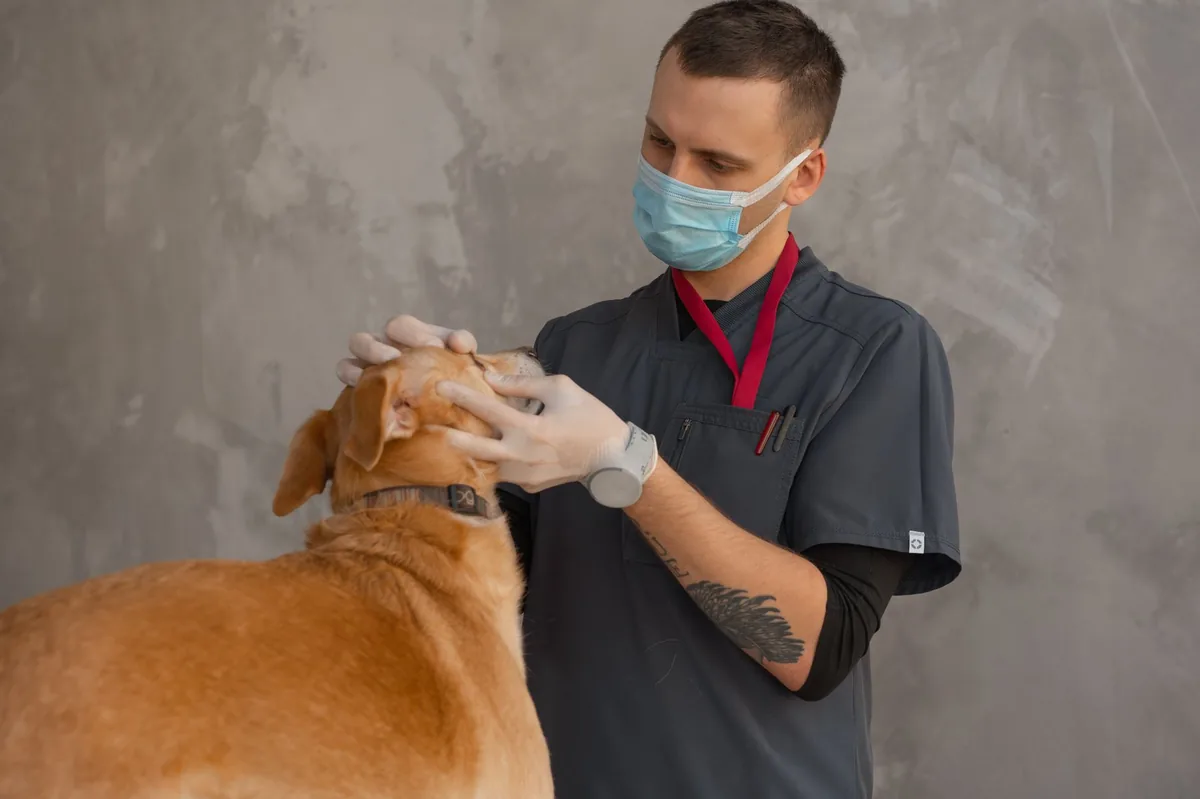
Veterinarians start with a thorough history and physical exam, feeling the lump to assess its consistency, size, and mobility. The typical diagnostic pathway includes:
- Fine‑needle aspiration (FNA): A thin needle extracts cells for cytology. In most cases, the sample shows mature fat cells, confirming a lipoma.
- Ultrasound: Offers a detailed view of the lump’s internal structure and helps differentiate solid from cystic masses.
- Biopsy or excisional sample: If cytology is inconclusive or the vet suspects a malignant tumor, a core needle biopsy or surgical removal provides a definitive diagnosis.
Imaging such as X‑ray or CT isn’t usually required unless the lipoma is unusually large or located near vital structures.
Treatment options
Medical treatment
Most lipomas require no immediate medical therapy. The common approach is “watchful waiting,” where the vet monitors size and any changes every 6–12 months. If the lump grows rapidly or begins to impair function, surgical removal becomes the preferred option. Some owners ask about “alternative” treatments; while there are anecdotal reports of herbal extracts, the veterinary community (AAHA) does not endorse any non‑surgical therapy as proven to shrink lipomas.
If surgery is recommended, your veterinarian will discuss anesthesia safety, especially for senior or large‑breed dogs. Commonly used anesthetic protocols follow the American College of Veterinary Anesthesia (ACVE) guidelines, tailored to each patient’s health status.
Supplements and supportive care
Although supplements won’t eliminate an existing lipoma, they can support overall skin and tissue health:
- Omega‑3 fatty acids (EPA/DHA): Anti‑inflammatory properties may help maintain healthy subcutaneous tissue. Fish‑oil capsules are a vet‑approved source.
- Vitamin E: An antioxidant that supports skin integrity; doses should be discussed with your vet.
- Probiotics: Helpful for dogs on high‑fat diets, maintaining gut health that indirectly influences body condition.
Always ask your vet before adding any supplement, especially if your dog is on other medications.
Procedures or surgery
Surgical excision is the definitive treatment when a lipoma is large, ulcerated, or causes discomfort. The procedure typically involves:
- General anesthesia and sterile preparation.
- Incision over the lump, careful removal of the fatty mass, and suturing of the skin.
- Post‑operative pain management and a few days of restricted activity.
Recovery is usually swift—most dogs return to normal activity within 7–10 days. Complications are rare but can include infection or wound dehiscence, especially in obese or senior patients.
Diet and nutrition
While no diet can “cure” a lipoma, feeding a balanced, weight‑controlled diet helps reduce the risk of new fatty growths. Here are practical feeding guidelines for dogs with existing lipomas or those at risk:
- Maintain an ideal body condition score (BCS): Aim for a score of 4–5/9. Over‑feeding can increase subcutaneous fat, potentially encouraging new lipomas.
- Choose high‑quality protein sources: Lean meats (chicken, turkey, fish) support muscle maintenance without excess fat.
- Limit excessive fats: While healthy fats are essential, keep total dietary fat within the range recommended by AAFCO for your dog’s life stage.
- Consider therapeutic diets: Some veterinary nutritionists suggest “low‑fat” therapeutic formulas for dogs prone to fatty tumors, though evidence is limited.
- Incorporate antioxidants: Blueberries, carrots, and pumpkin can provide vitamins that support skin health.
Transition to a new diet gradually over 7–10 days to avoid gastrointestinal upset. Offer smaller, more frequent meals if your dog is less active, and monitor weight weekly using a kitchen scale or regular vet weigh‑ins.
| Food category | Do feed | Limit | Avoid |
|---|---|---|---|
| Commercial kibble (AAFCO‑approved) | Portion appropriate to weight | High‑fat formulas | Excess treats |
| Cooked lean meats | Boneless, skinless | Added oils | Seasonings, bones |
| Fresh vegetables | Cooked or finely chopped | Starchy veggies (potato, corn) | Onion, garlic |
| Supplements | Omega‑3 capsules (vet‑approved) | Excess vitamin E | Unregulated herbal blends |
For personalized feeding plans, our dog nutrition calculators can help you estimate daily caloric needs based on breed, age, and activity level.
Cost and prognosis
Because lipomas are benign, the prognosis after appropriate management is excellent. Dogs that undergo surgical removal typically recover without long‑term issues, and recurrence at the same site is uncommon. However, new lipomas can appear elsewhere, especially in predisposed breeds.
Cost varies by region, size of the tumor, and whether anesthesia or advanced imaging is needed. Approximate ranges are:
- US: $300 – $800 for simple excision; $800 – $1,500 for large or complex cases requiring additional diagnostics.
- UK: £250 – £700 for routine removal; up to £1,200 for extensive procedures.
Pet insurance often covers a portion of surgical costs when the lump is deemed medically necessary, but many plans exclude “cosmetic” removal. Review your policy’s exclusions or speak with a representative to confirm coverage.
Prevention and home care
While you can’t guarantee a dog will never develop a lipoma, several everyday habits can lower the risk:
- Regular weight checks: Weigh your dog every month and adjust portions as needed.
- Exercise routine: Aim for at least 30 minutes of moderate activity most days—walks, play sessions, or gentle fetch.
- Routine vet exams: Annual physicals let the vet feel for new lumps early, when they’re easiest to manage.
- Skin monitoring: Perform a quick “palpation scan” while brushing—run your fingers along the sides, back, and limbs to feel for any new bumps.
- Healthy diet: Follow the feeding guidelines outlined above and avoid over‑feeding high‑fat treats.
If you notice a lump that seems to be growing, keep a simple log: record the date, size (using a ruler or measuring tape), and any changes in texture. This information helps your vet decide whether a biopsy or surgery is needed.
From our vet team: “Most lipomas are harmless, but the key is vigilance. A quick weekly check of your dog’s skin can catch changes early, and most owners find that a simple diet tweak and regular exercise keep new growths at bay.”
Key takeaways
- Lipomas are benign fatty tumors that are common in senior dogs and usually harmless.
- Check any new lump for size, firmness, and mobility; call your vet if it grows quickly or becomes painful.
- Diagnosis often involves fine‑needle aspiration and ultrasound; surgery is reserved for large or uncomfortable masses.
- Maintaining an ideal weight and feeding a balanced, low‑fat diet can reduce the risk of new lipomas.
- Cost for surgical removal ranges from $300–$1,500 in the US, with many insurance plans covering part of the expense.
- Regular vet visits and a simple home‑monitoring routine are the best prevention tools.
Myth vs. fact
Myth: All lumps under a dog’s skin are cancerous.
Fact: The majority of subcutaneous lumps are benign lipomas; only a small percentage are malignant tumors like mast cell tumors.
Myth: Lipomas will always grow larger over time.
Fact: Many lipomas remain stable in size for years, and some never change at all.
Myth: Home remedies can shrink a lipoma.
Fact: There is no scientific evidence that topical creams or herbal supplements can reduce an existing lipoma; surgical removal is the only proven method to eliminate it.
Frequently asked questions
What does a lipoma look like in dogs?
A lipoma typically appears as a soft, rubbery, round lump that moves easily under the skin and feels like a small pillow.
Are lipomas cancerous in dogs?
Most lipomas are benign and not cancerous; however, a vet must rule out malignant tumors such as mast cell tumors through cytology or biopsy.
How can I tell if my dog’s lump is a lipoma?
If the lump is smooth, movable, and painless, it’s likely a lipoma, but a definitive diagnosis requires a fine‑needle aspiration performed by a veterinarian.
What is the best treatment for a dog lipoma?
For small, asymptomatic lipomas, monitoring is sufficient. Larger or problematic lipomas are best treated with surgical excision, which provides a cure and a tissue sample for pathology.
How much does lipoma surgery cost for a dog?
In the United States, surgery typically costs between $300 and $800 for a simple removal, rising to $1,500 for larger or more complex cases; UK prices range from £250 to £1,200.
Can diet affect the development of lipomas in dogs?
While diet cannot reverse an existing lipoma, feeding a balanced, weight‑controlled diet helps limit excess fat storage, which may reduce the chance of new lipomas forming.
Ask the PuppaDogs community
Have a question this article didn’t fully answer? Want to compare notes with other dog owners who’ve been through this? Our community forum is moderated by experienced owners and vets — and answers tend to come fast. Ask in the PuppaDogs community →
References
- American Veterinary Medical Association (AVMA). “Common Tumors in Dogs.”
- American Animal Hospital Association (AAHA). “Guidelines for Managing Benign Tumors.” 2022.
- American Kennel Club (AKC). “Breed Health Survey: Lipoma Incidence.”
- Merck Veterinary Manual. “Lipoma.”
- World Small Animal Veterinary Association (WSAVA). “Guidelines for Fine‑Needle Aspiration.”
- American College of Veterinary Anesthesia (ACVE). “Anesthetic Protocols for Senior Dogs.”
- American Association of Feed Control Officials (AAFCO). “Nutrient Profiles for Dogs.”
- Veterinary Oncology Society. “Differentiating Lipoma from Mast Cell Tumor.”
- Pet Insurance Review. “Coverage Limits for Tumor Removal Surgery.”


