













Quick take: Liver and gallbladder cancer in dogs are malignant tumors that arise from liver cells (hepatocellular carcinoma) or the gallbladder (gallbladder carcinoma). Early signs are often vague—lethargy, loss of appetite, and pale gums—so prompt veterinary evaluation is essential. Treatment may involve surgery, chemotherapy, or palliative care, and costs can range from a few hundred to several thousand dollars depending on the approach.
It’s 11 p.m., and your senior Golden Retriever, Milo, isn’t greeting you at the door like he usually does. Instead, he lies on the rug, his eyes half‑closed, and you notice his gums look a little lighter than the pink you’re used to. Your heart races as you scroll through search results, hoping for a quick answer.
We understand how unsettling those first subtle changes feel. Liver and gallbladder cancer in dogs can be serious, but the exact outlook depends on many factors—tumor type, size, location, and how early the disease is caught. Below we walk through what this cancer means, what to watch for, how vets diagnose it, treatment options, costs, nutrition, and steps you can take to give Milo the best possible quality of life.
Read on for a clear, step‑by‑step guide that covers the most common questions owners have about liver and gallbladder cancer in dogs.
What is liver and gallbladder cancer in dogs?
Liver and gallbladder cancer refer to malignant tumors that develop in the liver (most commonly hepatocellular carcinoma) or the gallbladder (gallbladder carcinoma). These cancers arise when normal cells begin to grow uncontrollably, invade surrounding tissue, and can spread (metastasize) to other organs such as the lungs or lymph nodes. While any breed can develop these tumors, the overall incidence is relatively low—estimated at about 1–2 % of all canine cancers according to the American College of Veterinary Internal Medicine (ACVIM).
Because the liver performs many vital functions—detoxifying blood, producing proteins, and storing energy—cancer in this organ can quickly affect a dog’s overall health. The gallbladder, a small sac that stores bile, is less commonly affected, but when it does develop a carcinoma, it often presents with similar systemic signs.

What causes it?
The exact cause of primary liver or gallbladder cancer in dogs is still under investigation, but several risk factors have been identified:
- Age: Most cases occur in dogs over 8 years old.
- Breed predisposition: Certain breeds—such as the German Shepherd, Labrador Retriever, and Boxer—show a slightly higher incidence.
- Environmental toxins: Chronic exposure to aflatoxins (found in moldy grains) or certain industrial chemicals may increase risk, similar to findings in human studies (AAHA).
- Chronic liver disease: Dogs with long‑standing hepatitis, hepatic lipidosis, or cirrhosis have a higher chance of malignant transformation.
- Genetic factors: Ongoing research by the University of California, Davis suggests hereditary mutations could play a role, though data are limited.
Signs and symptoms
Early signs are often vague and can be mistaken for ordinary aging or a mild illness. As the tumor grows, more specific symptoms appear.
| Stage | Typical signs |
|---|---|
| Mild | Lethargy, reduced appetite, slight weight loss, occasional vomiting |
| Moderate | Noticeably pale or yellow gums, abdominal swelling (ascites), increased thirst |
| Severe | Severe vomiting or diarrhea, jaundice, rapid weight loss, pain when the abdomen is touched |
When to call your vet
Call your regular vet today if you notice:
- Persistent loss of appetite lasting more than 24 hours
- Lethargy combined with a noticeable change in gum color
- Abdominal swelling or a firm “mass” you can feel
Go to an emergency veterinary hospital right now if your dog shows any of these red‑flag signs:
- Severe, continuous vomiting or diarrhea (especially with blood)
- Sudden collapse, difficulty breathing, or obvious pain when the abdomen is touched
- Rapid onset of jaundice (yellowing of eyes, gums, or skin)
This article provides general information and is not a substitute for professional veterinary care. Please contact your veterinarian for personalized advice.
How vets diagnose it
Diagnosing liver or gallbladder cancer involves a stepwise workup that combines history, physical exam, and several diagnostic tests:
- Blood work: A complete blood count (CBC) and chemistry panel can reveal anemia, elevated liver enzymes (ALT, ALP), and bilirubin levels—markers that suggest liver dysfunction (Merck Veterinary Manual).
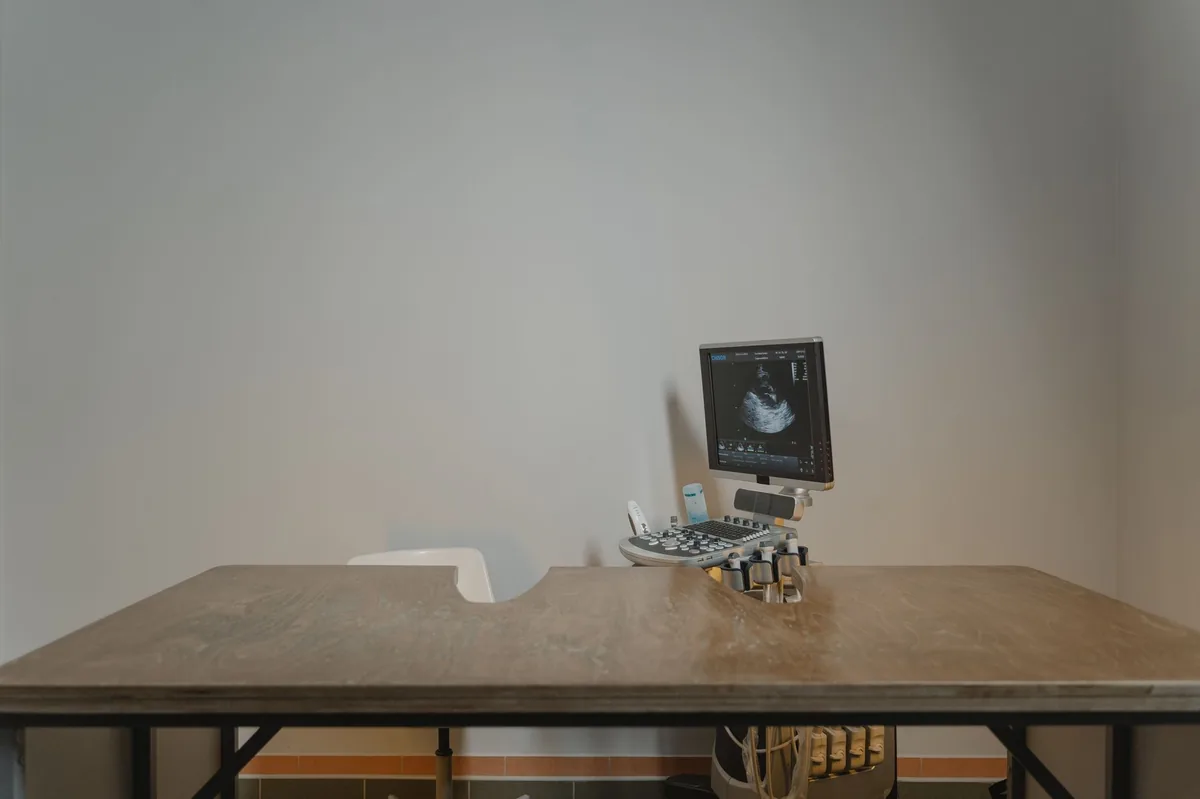
- Abdominal ultrasound: This imaging tool visualizes the liver and gallbladder, identifying masses, changes in tissue texture, and fluid accumulation. Ultrasound is often the first imaging modality recommended by the American Veterinary Medical Association (AVMA).
- Fine‑needle aspirate (FNA) or core needle biopsy: Under ultrasound guidance, a small sample of the tumor is collected for cytology or histopathology. This is the definitive way to differentiate a malignant tumor from a benign lesion.
- Advanced imaging: CT or MRI scans may be used to assess metastasis (spread) to lungs or lymph nodes, especially when surgery is being considered.
- Liver function tests: Tests such as bile acids or ammonia can gauge how well the liver is still working, which helps determine surgical candidacy.
Treatment options
Medical treatment
Medical management focuses on slowing tumor growth, relieving symptoms, and improving quality of life. Common drug classes include:
- Chemotherapy agents: Doxorubicin and carboplatin are frequently used for canine hepatic carcinoma. Your vet will decide the protocol based on tumor size and overall health.
- Targeted therapies: Tyrosine‑kinase inhibitors such as sorafenib have shown promise in recent ACVIM guidelines, though they are not yet standard of care.
- Supportive medications: Anti‑emetics (e.g., maropitant) and appetite stimulants (e.g., mirtazapine) help manage nausea and encourage eating.
Ask your vet about these options; dosing is always weight‑based and individualized.
Supplements and supportive care
While supplements cannot cure cancer, they can aid liver function and overall comfort:
- Omega‑3 fatty acids (EPA/DHA): Reduce inflammation and may improve appetite. A high‑quality fish‑oil supplement is safe for most dogs.
- S‑adenosyl‑methionine (SAMe): Supports liver cell regeneration and antioxidant defenses. Look for products formulated for dogs.
- Probiotics: Maintaining gut health can help with nutrient absorption, especially when the liver is compromised.
Always discuss supplement choices with your veterinarian to avoid interactions with chemotherapy.
Procedures or surgery
Surgical removal (partial hepatectomy) offers the best chance for long‑term remission when the tumor is solitary and confined to a resectable portion of the liver. Gallbladder carcinoma often requires cholecystectomy (gallbladder removal) along with liver tissue excision.
Recovery typically involves a 7–10 day hospital stay for pain control, antibiotics, and monitoring of liver function. Costs for surgery in the United States range from $3,000 to $7,500, while in the United Kingdom the range is £2,200–£5,500 (estimate). Your vet can provide a detailed quote based on your dog’s size and the complexity of the procedure.
Diet and nutrition
Nutrition is a cornerstone of supportive care for dogs with liver or gallbladder cancer. The liver’s ability to process nutrients is compromised, so feeding a diet that is easy to digest, low in copper, and rich in high‑quality protein can lessen workload and improve energy levels.
What to feed
- Highly digestible protein: Chicken, turkey, or lean beef cooked without seasoning. These proteins provide essential amino acids without overloading the liver.
- Complex carbohydrates: White rice or sweet potato are gentle on the gut and supply steady glucose.
- Omega‑3 enriched foods: Canned fish or specially formulated kibble with added fish oil supports anti‑inflammatory processes.
- Prescription hepatic diets: Brands such as Hill’s Prescription Diet l/d or Royal Canin Veterinary Diet Hepatic are formulated with reduced copper and increased B‑vitamins. You don’t need to pick a brand now—ask your vet which one fits your dog’s needs.
What to limit
- High‑fat treats: Excess fat can exacerbate liver inflammation.
- Raw organ meats (especially liver): They are high in copper, which the diseased liver may struggle to process.
- Salty foods: Too much sodium can worsen fluid accumulation (ascites).
What to avoid
- Chocolate, grapes, onions, and other toxic foods.
- Commercial foods with artificial colors, flavors, or high‑fructose corn syrup.
- Any diet high in copper, such as certain dry foods marketed for “high‑energy” dogs.
| Category | Do feed | Limit | Avoid |
|---|---|---|---|
| Protein | Cooked chicken, turkey, lean beef | Organ meats (especially liver) | Highly processed meat treats |
| Carbohydrate | White rice, sweet potato | Whole‑grain kibble with high fiber | High‑fructose corn syrup foods |
| Fats | Fish oil, omega‑3 supplement | Fatty cuts of meat | Butter, lard, greasy table scraps |
Transition to a new diet gradually over 7–10 days to avoid gastrointestinal upset. Start with 25 % new food mixed with 75 % current diet, then increase the new food proportion every few days. Keep fresh water available at all times, and consider feeding smaller, more frequent meals (3–4 times daily) to lessen the liver’s metabolic load.
For a quick estimate of how a therapeutic diet could affect your monthly budget, try our cost calculator—it helps you compare standard kibble versus prescription options.
Cost and prognosis
The financial side of cancer care can feel overwhelming. In the United States, a typical diagnostic workup (blood panel, ultrasound, biopsy) averages $800–$1,500. Surgical removal adds $3,000–$7,500, while chemotherapy protocols range from $2,500 to $6,000 per cycle, often requiring 2–4 cycles. In the United Kingdom, diagnostic costs are roughly £600–£1,200, with surgery at £2,200–£5,500 and chemotherapy at £1,800–£4,000 per protocol.
Prognosis varies widely:
- Early‑stage, surgically resectable hepatocellular carcinoma: Median survival of 12–24 months, with some dogs living beyond three years when combined with adjuvant chemotherapy (AAHA 2022 guidelines).
- Advanced or metastatic disease: Median survival often 2–6 months with palliative care alone.
- Gallbladder carcinoma: Typically more aggressive; median survival is 4–8 months even with surgery.
Quality of life is the most important metric. Many owners choose to transition to palliative care when the dog’s pain or appetite cannot be managed comfortably.
Prevention and home care
While you can’t guarantee a dog will never develop liver or gallbladder cancer, several everyday habits can lower risk and help catch problems early:
- Schedule annual wellness exams that include liver enzyme testing, especially after age 7.
- Provide a balanced diet low in copper and avoid foods that are known liver toxins (e.g., moldy grains).
- Maintain a healthy weight; obesity can strain the liver and increase inflammation.
- Limit exposure to environmental toxins—store food in cool, dry places to prevent mold growth.
- Monitor your dog’s water intake, appetite, and activity level; note any sudden changes and report them promptly.
Regular follow‑up visits every 3–4 months after a cancer diagnosis help track response to treatment and adjust supportive care as needed.
From our vet team: If your dog receives a cancer diagnosis, take a moment to breathe. The word “cancer” sounds frightening, but many dogs respond well to surgery, chemotherapy, or compassionate palliative care. Ask your vet about a staged treatment plan, discuss financial options early, and focus on the small, daily joys—like a gentle walk or a favorite treat—that keep your dog comfortable and happy.
Key takeaways
- Liver and gallbladder cancer often present with vague signs such as lethargy, appetite loss, and pale gums.
- Early diagnosis relies on blood work, ultrasound, and biopsy—prompt veterinary evaluation is crucial.
- Surgery offers the best chance for long‑term survival when the tumor is localized; chemotherapy and palliative care are common adjuncts.
- Nutrition should focus on highly digestible protein, low‑copper foods, and omega‑3 fatty acids to ease liver workload.
- Costs can range from a few hundred dollars for diagnostics to several thousand for surgery or chemotherapy; discuss budgeting options with your vet.
- Regular wellness checks, a balanced diet, and monitoring for subtle changes are key preventive measures.
Myth vs. fact
Myth: Liver cancer always spreads quickly and is untreatable.
Fact: Early‑stage liver tumors can be surgically removed, and many dogs live a year or more with appropriate treatment and supportive care.
Myth: All liver cancers are the same, so treatment is one‑size‑fits‑all.
Fact: There are several types—hepatocellular carcinoma, cholangiocarcinoma, and metastatic tumors—each with its own treatment protocol and prognosis.
Myth: Dietary changes can cure liver cancer.
Fact: Nutrition supports liver function and comfort but does not eradicate cancer; it should be paired with veterinary‑guided medical therapy.
Frequently asked questions
What are the common symptoms of liver cancer in dogs?
Common symptoms include lethargy, loss of appetite, weight loss, pale or yellow gums, abdominal swelling, and increased thirst. Early changes may be subtle, so any persistent shift in behavior warrants a vet visit.
How is gallbladder cancer diagnosed in dogs?
Diagnosis typically starts with blood work and abdominal ultrasound, followed by a fine‑needle aspirate or core biopsy of the gallbladder mass. Advanced imaging like CT may be used to assess spread.
Can liver cancer in dogs be cured?
Complete cure is rare, but many dogs achieve long‑term remission when the tumor is localized and surgically removed, especially when combined with chemotherapy. Palliative care can also provide quality of life for months to years.
What treatment options are available for canine liver and gallbladder cancer?
Options include surgical resection, chemotherapy (e.g., doxorubicin, carboplatin), targeted therapies, radiation (in select cases), and supportive/palliative care such as pain management and nutritional support.
How much does treatment for liver cancer in dogs typically cost?
In the U.S., diagnostics cost $800–$1,500, surgery $3,000–$7,500, and chemotherapy $2,500–$6,000 per cycle. In the U.K., similar procedures range from £600 to £5,500. Exact costs depend on your dog’s size, disease stage, and geographic location.
Which dog breeds are most at risk for liver or gallbladder cancer?
Breeds with a slightly higher incidence include German Shepherds, Labrador Retrievers, Boxers, and Golden Retrievers. Age is also a major factor—most cases occur in dogs over eight years old.
Ask the PuppaDogs community
Have a question this article didn’t fully answer? Want to compare notes with other dog owners who’ve been through this? Our community forum is moderated by experienced owners and vets — and answers tend to come fast. Ask in the PuppaDogs community →
References
- American College of Veterinary Internal Medicine (ACVIM). 2022 Canine Hepatic Tumor Guidelines.
- American Animal Hospital Association (AAHA). 2023 Veterinary Oncology Protocols.
- American Veterinary Medical Association (AVMA). Diagnostic Imaging in Small Animals.
- Merck Veterinary Manual. “Liver Tumors” chapter.
- University of California, Davis Veterinary Medicine. Research on environmental toxins and canine liver disease.
- World Small Animal Veterinary Association (WSAVA). Nutritional recommendations for dogs with liver disease.
- American Association of Feed Control Officials (AAFCO). Nutrient profiles for therapeutic diets.
- Veterinary Oncology Society. Chemotherapy agents for canine hepatic carcinoma.
- Royal Canin Veterinary Diet. Hepatic formula product information.
- Hill’s Prescription Diet. l/d liver health diet details.


