













Quick take: Suppurative liver inflammation in dogs is a bacterial or toxin‑driven infection that fills the liver with pus. It can cause jaundice, loss of appetite, and severe illness, but with prompt antibiotics, supportive care, and a liver‑friendly diet many dogs recover. Call your vet right away if your dog shows pale gums, vomiting, or a sudden change in behavior.
It’s 11 p.m. and your 8‑year‑old mixed‑breed retriever, Max, is lying on the kitchen floor, eyes half‑closed, and he’s not interested in his favorite squeaky toy. You notice his gums look a strange, chalky yellow and his belly feels oddly firm. Your mind flips to the vague warning you heard at the last check‑up: “watch for liver trouble.” The Googling begins, the heart races, and you wonder: could this be suppurative liver inflammation?
We get it—seeing a beloved dog act out of the ordinary is terrifying. Suppurative liver inflammation (also called suppurative hepatitis) is a serious, but often treatable, condition. In the next few minutes you’ll learn what it is, why it happens, how to spot it early, what your vet will do to confirm it, and what the road to recovery looks like, including diet, cost, and prevention.
Read on for a step‑by‑step guide that blends veterinary science with real‑world tips, so you can feel prepared and confident when you talk to your vet.
What is liver inflammation (suppurative) in dogs?
Suppurative liver inflammation is an infection of the liver that leads to the accumulation of pus (a thick, yellowish fluid full of dead white blood cells and bacteria). This differs from non‑suppurative hepatitis, where inflammation is usually caused by viruses, toxins, or immune‑mediated attacks and does not produce pus. In dogs, suppurative hepatitis accounts for a minority of liver disease cases but carries a higher risk of rapid decline because the infection can spread quickly throughout the organ.
While exact prevalence is hard to pin down, the American College of Veterinary Internal Medicine (ACVIM) notes that bacterial liver infections are uncommon (<5 % of all hepatitis cases) but are more frequently seen in dogs with underlying disease, immune suppression, or exposure to contaminated water or toxins.
What causes it?
Suppurative liver inflammation usually follows an infection that reaches the liver via the bloodstream or bile ducts. The most common triggers include:
- Bacterial invasion – bacteria such as Escherichia coli, Staphylococcus, and Clostridium can spread from the gut, urinary tract, or skin wounds.
- Toxin exposure – certain chemicals (e.g., carbon tetrachloride, some herbicides) or contaminated food can damage liver tissue, creating an opening for bacteria.
- Secondary infection – a primary disease like leptospirosis, canine adenovirus, or a parasitic liver fluke can weaken the liver, allowing bacteria to colonize.
- Immune suppression – long‑term steroid therapy or chemotherapy can lower defenses, making opportunistic infections more likely.
Breed predisposition is modest, but some breeds appear more often in case reports:
| Breed | Why they’re at risk |
|---|---|
| German Shepherd | Higher incidence of bacterial cholangitis |
| Boxer | Susceptibility to toxin‑related liver injury |
| Miniature Schnauzer | Often have copper accumulation that can predispose to secondary infection |
| Mixed‑breed dogs | Most cases occur in mixed breeds due to varied exposures |
Signs and symptoms
Because the liver performs many vital functions, inflammation can manifest in many ways. Early signs are often subtle, while severe disease shows systemic collapse.
| Stage | Typical signs |
|---|---|
| Early / mild | Decreased appetite, mild lethargy, slight abdominal discomfort, occasional vomiting |
| Moderate | Noticeable jaundice (yellow gums or whites of eyes), dark urine, fever, abdominal pain, weight loss |
| Severe | Severe weakness, collapse, rapid breathing, bleeding tendencies, confusion or seizures |
Key differences from non‑suppurative hepatitis include the presence of fever and a rapid onset of pain, as well as a higher likelihood of an elevated white blood cell count indicating infection.
When to call your vet
Call today (non‑emergency) if you notice:
- Loss of appetite lasting more than 24 hours
- Vomiting or diarrhea that persists
- Yellowing of gums, eyes, or skin
- Abdominal tenderness when the dog is touched
Go to an emergency clinic right now if you see any of these red flags:
- Sudden collapse or inability to stand
- Severe bleeding from gums or nose
- Rapid breathing or a very high fever (>104 °F / 40 °C)
- Confusion, seizures, or disorientation
These signs indicate that the infection may be overwhelming the liver and other organs. Prompt veterinary care can be life‑saving.
This article is for educational purposes only and does not replace a hands‑on veterinary exam.
How vets diagnose it
Diagnosing suppurative hepatitis is a multi‑step process that blends history, physical exam, and targeted testing.
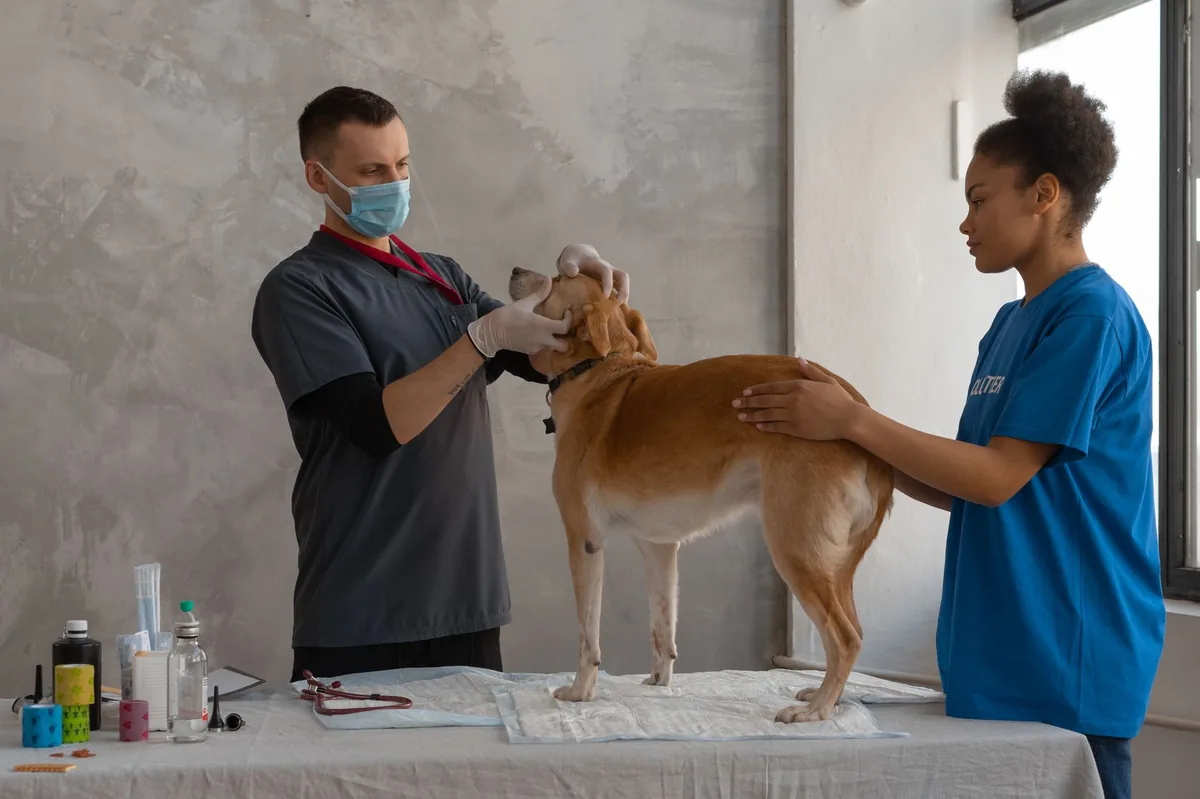
- History & physical exam – Your vet will ask about recent illnesses, toxin exposures, diet changes, or surgeries, and will palpate the abdomen for pain or enlargement.
- Blood work – A complete blood count (CBC) often shows a high white blood cell count (leukocytosis). Liver enzymes (ALT, AST, ALP) rise, and bilirubin may be elevated, causing jaundice.
- Serum chemistry – Looks for low albumin, high bile acids, and clotting abnormalities (PT/PTT) that signal liver dysfunction.
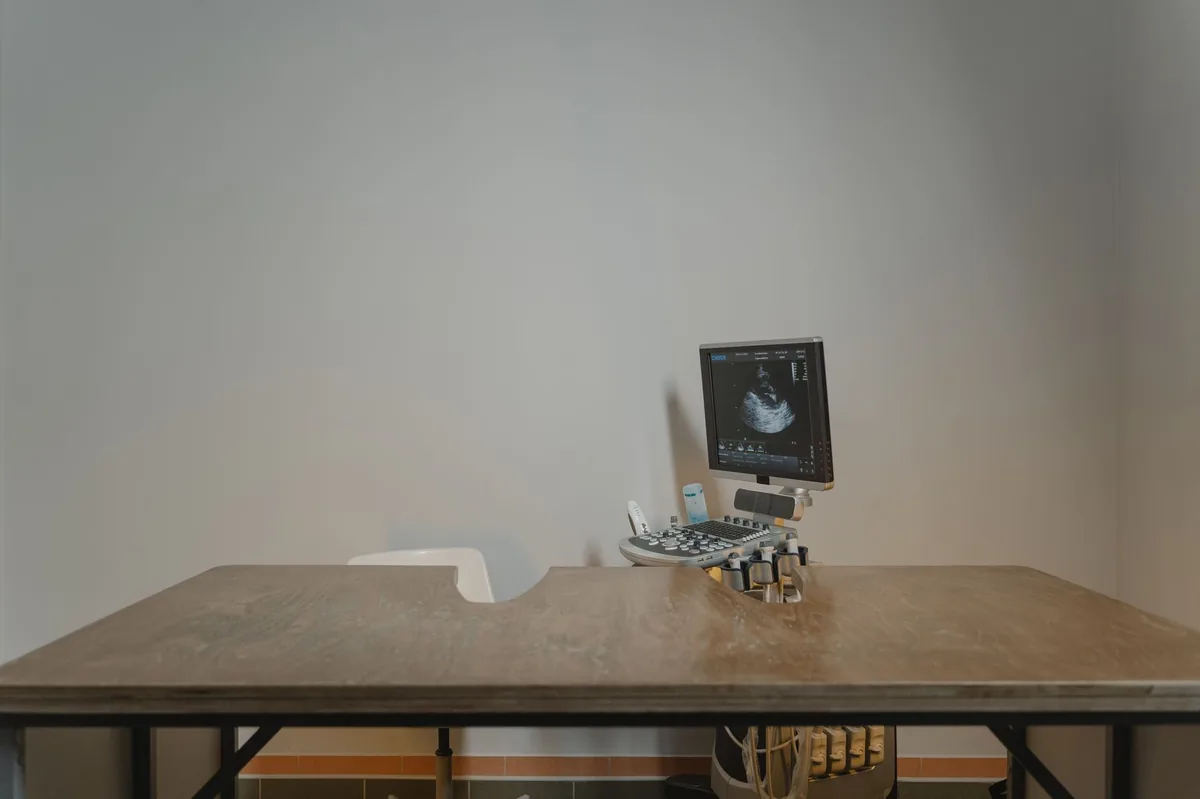
- Imaging – Abdominal ultrasound can reveal a hypoechoic (dark) liver, fluid collections, or bile duct dilation. Radiographs help rule out other abdominal problems.
- Cytology or biopsy – Fine‑needle aspirates of the liver under ultrasound guidance can show neutrophils (pus cells) and bacterial organisms. A core needle biopsy gives a definitive tissue diagnosis and helps differentiate from non‑suppurative hepatitis.
Treatment options
Medical treatment
Antibiotics are the cornerstone of therapy because the condition is bacterial. Commonly used drugs include:
- Enrofloxacin (a fluoroquinolone)
- Amoxicillin‑clavulanate (broad‑spectrum penicillin)
- Metronidazole (effective against anaerobes)
These medications are chosen based on culture results when available, but your vet will start empiric therapy immediately. In addition to antibiotics, supportive drugs may be prescribed:
- Anti‑emetics such as maropitant to control vomiting
- Fluid therapy to maintain hydration and aid kidney function
- Hepatoprotectants like S‑adenosyl‑methionine (SAMe) or milk thistle to support liver cells
All medication decisions are individualized; ask your vet about the specific options that fit your dog’s weight and severity.
Supplements and supportive care
Adjunctive nutrition can make a big difference:
- Omega‑3 fatty acids (EPA/DHA) – Reduce inflammation and improve liver blood flow. Look for a high‑quality fish‑oil supplement.
- Probiotics – Help maintain gut health, especially when antibiotics are used.
- Vitamin E – An antioxidant that may protect liver cells during recovery.
These supplements are safe for most dogs, but always discuss dosing with your vet, especially if your dog is on other medications.
Procedures or surgery
In rare cases where an abscess (a pocket of pus) forms within the liver, surgical drainage or percutaneous catheter placement may be needed. The procedure involves a small incision under general anesthesia, and recovery can take 2–3 weeks. Costs vary widely, but the typical range in the United States is $2,500–$5,000, including anesthesia and postoperative care.
Diet and nutrition
Feeding a liver‑supportive diet is one of the most important steps in recovery. The goal is to provide highly digestible protein, moderate calories, and nutrients that reduce metabolic load on the liver.
What to feed
- Prescription therapeutic diets labeled “hepatic” (e.g., Hill’s Prescription Diet l/d, Royal Canin Hepatic) are formulated with reduced copper and high‑quality protein.
- Home‑cooked meals made with boiled chicken breast, white rice, and a small amount of pumpkin for fiber are easy on the liver.
- Low‑fat options such as boiled sweet potato or low‑fat cottage cheese can add calories without overloading the liver.
What to limit
- High‑protein treats (raw bones, jerky) – excess protein can increase ammonia production.
- Fatty foods (butter, cheese, fried scraps) – can cause hepatic lipidosis.
- Ingredients high in copper (liver, organ meats) – especially for breeds prone to copper storage disease.
What to avoid
- Raw diets containing raw fish or unsanitized meat, which may harbor bacteria that could worsen infection.
- Alcohol or foods with xylitol – toxic to dogs and harmful to the liver.
- Seasoned or salty foods – increase kidney workload and can exacerbate dehydration.
Transitioning to a new diet should be gradual over 5–7 days to avoid gastrointestinal upset. Start with 75 % of the new food mixed with 25 % of the old, then adjust the ratio each day.
Feeding frequency matters, too. Small, frequent meals (3–4 times daily) help maintain steady blood glucose and reduce the liver’s metabolic spikes. Fresh water should always be available, and a low‑sodium electrolyte solution (like Pedialyte) can be offered if vomiting occurs.
For owners who prefer home‑cooked meals, the PuppaDogs nutrition calculator can help balance calories, protein, and essential vitamins. If you’re uncertain which diet is best, our expert team can guide you toward a safe, liver‑friendly plan.
| Category | Do feed | Limit | Avoid |
|---|---|---|---|
| Protein | Boiled chicken, turkey, low‑fat cottage cheese | Moderate amounts of lean meat | Organ meats, raw fish |
| Carbohydrate | White rice, sweet potato, pumpkin | Portion size to maintain weight | High‑fiber beans (may cause gas) |
| Fats | Small amounts of olive oil | Low‑fat dairy | Butter, fatty treats |
| Supplements | Omega‑3 fish oil, probiotic capsule | Vitamin E | Excess copper supplements |
Cost and prognosis
Financial planning helps owners feel less overwhelmed. Below is a rough cost breakdown (average U.S. figures; UK costs are shown in pounds where applicable). Prices vary by region, clinic, and severity.
| Item | U.S. estimate | UK estimate |
|---|---|---|
| Initial exam & blood panel | $150–$250 | £80–£130 |
| Abdominal ultrasound | $300–$500 | £150–£250 |
| Liver fine‑needle aspirate & cytology | $200–$350 | £100–£180 |
| Culture & sensitivity (if needed) | $120–$200 | £70–£120 |
| Antibiotic course (2–4 weeks) | $80–$180 | £50–£90 |
| Supportive care (IV fluids, anti‑emetics) | $250–$600 | £120–£300 |
| Surgical drainage (rare) | $2,500–$5,000 | £2,000–£4,000 |
Overall, uncomplicated cases often total $1,000–$2,000 in the United States, while severe infections requiring surgery can exceed $5,000. The PuppaDogs cost estimator lets you input your dog’s weight and expected procedures for a personalized estimate.
Prognosis depends on how quickly treatment starts and the underlying cause. Dogs treated within 24–48 hours of symptom onset have a survival rate of 70–85 % (per ACVIM data). Delayed care, extensive liver damage, or multi‑organ failure lowers the odds considerably. Even with a guarded prognosis, many dogs regain a good quality of life after a few weeks of therapy.
Prevention and home care
Preventing suppurative liver inflammation is largely about minimizing infection risk and keeping the liver healthy.
- Vaccinate against leptospirosis and canine adenovirus where recommended (AAHA 2023 vaccine guidelines).
- Control parasites – regular deworming and flea/tick preventants reduce exposure to liver flukes and bacterial carriers.
- Monitor water sources – avoid stagnant ponds or untreated well water, especially in rural areas.
- Practice safe food handling – store kibble in a dry place, discard old food, and avoid feeding raw fish or unpasteurized dairy.
- Watch for early signs – keep a log of appetite, energy, and bathroom habits; any sudden change warrants a vet call.
- Regular check‑ups – senior dogs benefit from annual liver panels (ALT, ALP, bile acids) to catch subclinical disease early.
When your dog is recovering, keep the environment calm, limit strenuous activity for 1–2 weeks, and offer small, frequent meals of the recommended diet. Gentle walks and mental enrichment (puzzle toys, short training sessions) support overall well‑being without overtaxing the liver.
From our vet team: “If you catch the infection early and stick to the treatment plan—including the diet—most dogs bounce back. The hardest part is often the emotional rollercoaster, so keep a close eye on your dog’s behavior and lean on your vet for reassurance. We love hearing how owners adapt their feeding routines; those small changes make a big difference.”
Key takeaways
- Suppurative liver inflammation is a bacterial infection that produces pus in the liver and can be life‑threatening if untreated.
- Early warning signs include loss of appetite, yellow gums, fever, and abdominal pain—call your vet right away.
- Diagnosis uses blood work, ultrasound, and liver cytology or biopsy to confirm infection.
- Standard treatment combines antibiotics, fluid therapy, hepatoprotectants, and a low‑fat, highly digestible diet.
- Recovery usually takes 2–4 weeks; costs range from $1,000 to $5,000 depending on severity and whether surgery is needed.
- Prevention focuses on vaccination, parasite control, safe water and food, and regular liver health screening for senior dogs.
Myth vs. fact
Myth: Suppurative hepatitis always requires surgery.
Fact: Most cases are managed medically with antibiotics and supportive care; surgery is only needed for isolated abscesses.
Myth: A liver‑friendly diet will cure the infection on its own.
Fact: Diet supports recovery but does not replace antibiotics; both are essential for clearing the infection.
Myth: If a dog looks “just a little tired,” the liver is probably fine.
Fact: Even mild lethargy can signal early liver inflammation—early vet evaluation improves outcomes.
Frequently asked questions
What causes suppurative liver inflammation in dogs?
It’s most often caused by bacterial infection that reaches the liver via the bloodstream, bile ducts, or from a toxin‑induced breach. Common culprits include Escherichia coli, liver fluke infections, and exposure to contaminated water.
Can a dog survive suppurative hepatitis?
Yes—if treatment begins quickly. Studies from the ACVIM show survival rates of 70–85 % when antibiotics and supportive care start within the first 48 hours of symptom onset.
What lab tests confirm suppurative liver disease?
A complete blood count revealing high white blood cells, elevated liver enzymes (ALT, AST), and bilirubin indicate liver stress. Ultrasound imaging plus a fine‑needle aspirate showing neutrophils and bacteria provides definitive confirmation.
Are antibiotics always needed for suppurative liver inflammation?
Antibiotics are the primary therapy because the condition is bacterial. Even if cultures are pending, vets will start broad‑spectrum antibiotics immediately to control infection.
How soon should I see improvement after treatment?
Most dogs begin to eat better and show less lethargy within 3–5 days of starting antibiotics and fluid therapy. Full resolution of jaundice and normalization of blood work can take 2–4 weeks.
Is there a home care plan for dogs with liver inflammation?
Yes—provide a low‑fat, highly digestible diet; offer small, frequent meals; keep water fresh; limit activity for a couple of weeks; and monitor for any return of vomiting, jaundice, or worsening pain. Follow up with your vet for repeat blood work after the initial treatment course.
Ask the PuppaDogs community
Have a question this article didn’t fully answer? Want to compare notes with other dog owners who’ve been through this? Our community forum is moderated by experienced owners and vets — and answers tend to come fast. Ask in the PuppaDogs community →
References
- American College of Veterinary Internal Medicine (ACVIM) 2022 Consensus Statement on Hepatic Infections in Dogs.
- American Animal Hospital Association (AAHA) 2023 Canine Vaccination Guidelines.
- Merck Veterinary Manual, “Suppurative Hepatitis” chapter.
- World Small Animal Veterinary Association (WSAVA) Guidelines for Liver Disease Management, 2021.
- University of California, Davis Veterinary Medicine – “Bacterial Liver Disease in Dogs” article.
- Veterinary Clinics of North America: Small Animal Practice, 2020, “Diagnostic Approach to Canine Hepatitis.”
- Plumb’s Veterinary Drug Handbook, 9th edition – antibiotic dosing recommendations.
- American Veterinary Medical Association (AVMA) – Pet Owner’s Guide to Liver Health, 2022.


