













Quick take: Liver disease in dogs can range from mild, reversible inflammation to life‑threatening failure. Early signs include loss of appetite, pale gums, and a swollen abdomen. Prompt veterinary care, a liver‑supportive diet, and tailored treatment give many dogs a good quality of life.
It’s 9 p.m., and your 11‑year‑old mixed‑breed Labrador is lying on the couch, eyes half‑closed, refusing his favorite chicken‑and‑rice dinner. You notice his gums look a little lighter than usual, and a faint odor of ammonia hangs in the kitchen. Your heart starts racing as you wonder: “Is this liver disease? How serious is it? What can I do tonight?” The bottom line is that liver disease is common, but it’s also treatable when caught early. Below we break down exactly what liver disease in dogs means, how you can spot it, what your vet will do, and how you can manage it at home.
We’ll walk you through the types of liver problems, the usual culprits, the signs to watch for, diagnostics, treatment options (including diet), costs, and prevention tips. By the end you’ll know what questions to ask your vet, what foods are safe, and how to keep your senior companion comfortable.
What is liver disease in dogs?
Liver disease in dogs is an umbrella term for any condition that impairs the liver’s ability to perform its many jobs—filtering toxins, producing bile, storing nutrients, and regulating blood clotting. The most common forms include:
- Hepatitis: Inflammation of liver tissue, often from infections, toxins, or immune‑mediated attacks.
- Cirrhosis: Late‑stage scarring that replaces healthy tissue, similar to advanced liver disease in humans.
- Portosystemic shunts (PSS): Abnormal blood vessels that bypass the liver, reducing its detoxifying function.
- Neoplasia: Primary liver tumors (e.g., hepatocellular carcinoma) or metastatic cancers.
- Metabolic disorders: Such as copper‑associated hepatitis (especially in Bedlington Terriers) or hepatic lipidosis.
According to the American College of Veterinary Internal Medicine (ACVIM), liver disease is among the top ten reasons owners seek veterinary care for adult dogs, and its prevalence rises sharply after age seven.
What causes liver disease in dogs?
Multiple factors can damage a dog’s liver. Below is a concise overview of the major categories.
| Category | Typical Causes |
|---|---|
| Infectious | Leptospirosis, canine hepatitis virus, tick‑borne diseases (Ehrlichia, Babesia) |
| Toxic | Acetaminophen, certain mushrooms, antifreeze (ethylene glycol), certain herbal supplements |
| Genetic/Metabolic | Copper‑associated hepatitis (Bedlington Terrier, West Highland White Terrier), hepatic lipidosis in overweight females |
| Immune‑mediated | Autoimmune hepatitis, drug‑induced immune reactions |
| Neoplastic | Primary liver tumors, metastatic cancers from other organs |
| Congenital | Portosystemic shunts, biliary atresia |
Risk factors include older age, certain breeds (Bedlington Terrier, Doberman Pinscher, Cocker Spaniel), chronic exposure to toxins, and a history of previous liver issues.
Signs and symptoms
Early liver disease can be subtle. As the organ loses function, signs progress from mild to severe. Recognizing the pattern helps you act quickly.
| Stage | Typical Signs |
|---|---|
| Mild | Decreased appetite, mild lethargy, occasional vomiting |
| Moderate | Pale or yellow‑tinged gums, enlarged abdomen (ascites), increased thirst & urination, foul breath (ammonia‑like) |
| Severe | Confusion or disorientation, seizures, bleeding disorders, dark urine, rapid weight loss |
Other red‑flag clues include a “brownish” stool, jaundice (yellow skin or eyes), and noticeable pain when the abdomen is pressed. If you notice any of these, especially the moderate‑to‑severe signs, seek veterinary help right away.
When to call your vet
Call your vet today (non‑emergency) if you see any of the following:
- Reduced appetite or occasional vomiting lasting more than 24 hours.
- Pale gums or a yellow tint to the eyes.
- Abdominal swelling or a “pot‑belly” appearance.
- Increased thirst, urination, or a foul breath odor.
Go to an emergency clinic right now if your dog shows:
- Severe weakness or collapse.
- Confusion, seizures, or unsteady gait.
- Bleeding from gums, nose, or any wound that won’t stop.
- Dark, tar‑colored urine or bright yellow stool.
These signs indicate that toxins are building up fast and may threaten your dog’s life. Remember, this article is for information only—nothing replaces a hands‑on exam.
How vets diagnose liver disease
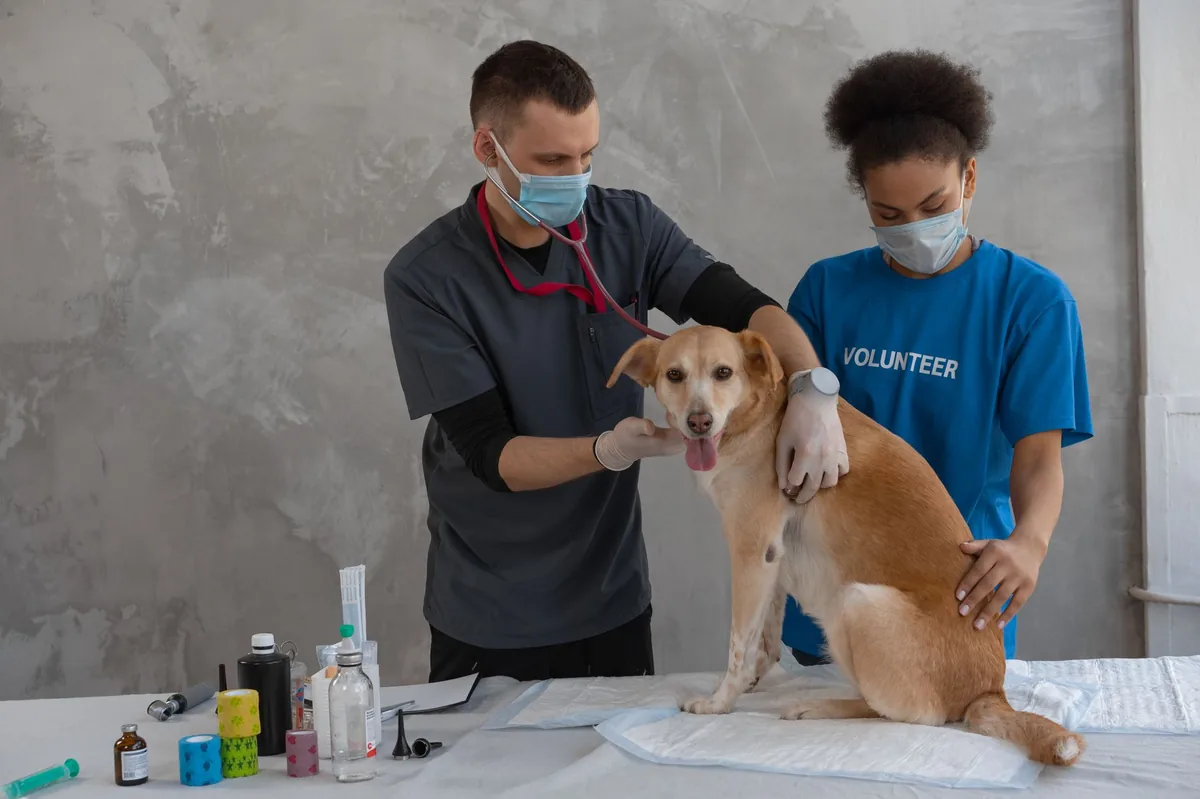
Diagnosis begins with a thorough history and physical exam. Your vet will likely perform:
- Blood chemistry panel: Looks at ALT, AST, ALP, GGT, bilirubin, and bile acids. Elevated enzymes signal liver cell damage; high bile acids point to reduced liver function.
- Complete blood count (CBC): Checks for anemia or clotting problems.
- Urinalysis: Detects bilirubin or abnormal waste products.
- Abdominal ultrasound: Visualizes liver size, texture, and any masses or fluid accumulation.
- Fine‑needle aspirate or biopsy: Provides a tissue sample for definitive diagnosis, especially for tumors or chronic hepatitis.
- Copper quantification: In breeds prone to copper‑associated hepatitis, a liver copper test may be ordered.
These tests follow guidelines from the American Animal Hospital Association (AAHA) and the Merck Veterinary Manual, ensuring a systematic approach.
Treatment options
Medical treatment
Medical management focuses on reducing inflammation, supporting detoxification, and correcting any metabolic imbalances. Common drug classes include:
- Anti‑inflammatories: Prednisone (a corticosteroid) is often the first line for immune‑mediated hepatitis.
- Immunosuppressants: Azathioprine or cyclosporine may be added if steroids alone aren’t enough.
- Antibiotics: Metronidazole helps control bacterial overgrowth and can improve liver enzyme values.
- Liver protectants: Ursodeoxycholic acid (UDCA) and silymarin (milk thistle extract) aid bile flow and protect hepatocytes.
- Symptom control: Anti‑nausea meds such as maropitant or ondansetron, and diuretics like spironolactone for ascites.
All medication choices should be discussed with your vet—dosage depends on weight, severity, and concurrent health issues.
Supplements and supportive care
Evidence‑based supplements can complement medical therapy:
- Omega‑3 fatty acids (EPA/DHA): Reduce inflammation and improve liver blood flow. Look for a high‑quality fish‑oil product approved by the AAFCO.
- S‑adenosyl‑methionine (SAMe): Supports cellular antioxidant defenses and is often recommended for chronic liver disease.
- Vitamin E: An antioxidant that may help in certain hepatitis cases.
Supplements are most helpful when the diet is already liver‑friendly; they do not replace prescription food.
Procedures or surgery
When a structural problem is identified, surgery may be required:
- Portosystemic shunt ligation: Minimally invasive coil or suture placement to redirect blood through the liver. Recovery is usually 2–4 weeks, and costs range from $3,000–$6,000 (US).
- Liver tumor removal: Partial hepatectomy for solitary tumors. Hospital stay is 5–7 days, with costs often $5,000–$10,000 depending on complexity.
Not all dogs are surgical candidates; your vet will weigh risks, age, and overall health before recommending an operation.

Diet and nutrition
Nutrition is a cornerstone of liver disease management. A liver‑supportive diet is low in copper, moderate in protein, high in quality digestible protein, and enriched with antioxidants.
Key principles:
- Highly digestible protein: 18–22 % of calories from sources like boiled chicken, turkey, or whey. This supplies essential amino acids without overloading a compromised liver.
- Reduced copper: Avoid organ meats (liver, kidney) and certain grains that are naturally high in copper.
- Added antioxidants: Vitamin E, vitamin C, and SAMe help protect liver cells.
- Moderate fat: 10–15 % of calories, preferably from fish oil, to provide essential fatty acids without causing steatosis.
- Controlled sodium: If ascites is present, limit salt to reduce fluid buildup.
Many commercial therapeutic diets meet these criteria (e.g., “hepatic support” formulas). If you prefer home‑cooked meals, follow a recipe vetted by a veterinary nutritionist—mix boiled chicken breast, white rice, and a spoonful of pumpkin puree, and supplement with a veterinarian‑approved SAMe product.
| Food category | Do feed | Limit / Avoid |
|---|---|---|
| Protein | Boiled chicken, turkey, low‑fat cottage cheese | Red meat, organ meats, raw fish (high copper) |
| Carbohydrate | White rice, sweet potato, oatmeal | Whole‑grain wheat (high copper) |
| Fats | Fish oil (EPA/DHA), small amounts of olive oil | Heavy‑cream sauces, fried foods |
| Supplements | SAMe, vitamin E, omega‑3 capsules | Unregulated herbal blends without vet guidance |
| Treats | Low‑fat, low‑copper commercial treats | Cheese, jerky, high‑salt biscuits |
Transition to a new diet gradually over 5–7 days to avoid gastrointestinal upset. Offer smaller, frequent meals (3–4 times daily) rather than one large bowl. Keep fresh water available at all times.
For more detailed feeding calculations, try our online calorie calculator to ensure your senior dog gets the right amount of energy without overfeeding.
Cost and prognosis
Expenses vary widely based on the type and stage of liver disease, geographic location, and whether surgery is needed.
| Service | US estimate | UK estimate |
|---|---|---|
| Initial blood work & ultrasound | $250–$500 | £150–£300 |
| Biopsy (if required) | $800–$1,200 | £500–£900 |
| Medical management (first 2 weeks) | $200–$600 | £120–£350 |
| Shunt surgery | $3,000–$6,000 | £2,500–£5,000 |
| Long‑term liver diet | $50–$100 per month | £30–£80 per month |
Prognosis depends on cause and early intervention. Dogs with reversible hepatitis or well‑controlled shunts often enjoy many happy years. Chronic copper‑associated hepatitis can be managed long‑term with diet and medication, but may shorten lifespan. Your vet will discuss expected quality of life and any needed adjustments.
Prevention and home care
While some liver diseases are genetic, many risks are modifiable:
- Keep toxins out of reach: store chemicals, antifreeze, and certain human foods safely.
- Use vet‑approved flea and tick preventives; some products can be hepatotoxic if misused.
- Provide a balanced, low‑copper diet, especially for breeds prone to copper buildup.
- Schedule regular wellness exams—annual blood chemistry panels catch early changes.
- Monitor weight and activity; sudden changes can be early red flags.
If your dog has been diagnosed with chronic liver disease, maintain a consistent feeding schedule, keep a log of any new symptoms, and follow up with your vet every 3–6 months as recommended.
From our vet team: “Early detection saves lives. Even a subtle change—like a dog’s reluctance to eat his usual kibble—warrants a quick check. When you bring your dog in, bring a fresh stool sample, a list of any supplements, and a brief timeline of changes. That information lets us pinpoint the problem faster and tailor a treatment plan that fits your family’s needs.”
Key takeaways
- Watch for pale gums, loss of appetite, and a pot‑bellied appearance as early warning signs of liver disease.
- Prompt veterinary evaluation—including blood chemistry and ultrasound—is essential for accurate diagnosis.
- Medical therapy (steroids, immunosuppressants, liver protectants) combined with a low‑copper, highly digestible diet offers the best chance for recovery.
- Costs vary, but early intervention usually reduces expensive emergency care and improves prognosis.
- Prevent exposure to toxins, keep vaccinations up‑to‑date, and schedule regular wellness exams to catch liver issues before they become severe.
Myth vs. fact
Myth: All liver disease in dogs is fatal.
Fact: Many forms—especially inflammatory hepatitis and treatable shunts—can be managed long‑term with medication and diet, allowing dogs to live a normal life span.
Myth: Dogs with liver disease should eat a high‑protein diet.
Fact: While protein is essential, it must be high‑quality and digestible; excessive protein can overwhelm a compromised liver.
Myth: Home remedies like milk or lemon juice cure liver disease.
Fact: No over‑the‑counter remedy replaces veterinary‑prescribed medication and proper nutrition; inappropriate home treatments can worsen the condition.
Frequently asked questions
What are the most common symptoms of liver disease in dogs?
Early signs include decreased appetite, mild lethargy, and occasional vomiting. As disease progresses, owners notice pale or yellow gums, a swollen abdomen, foul breath, and increased thirst. Severe cases present with confusion, seizures, or bleeding.
How do vets diagnose liver disease in dogs?
Diagnosis starts with a physical exam, followed by blood chemistry (ALT, AST, bile acids), a CBC, urinalysis, and abdominal ultrasound. If imaging suggests a mass or unclear cause, a fine‑needle aspirate or liver biopsy may be performed.
What treatments are available for canine liver disease?
Treatment depends on the underlying cause. Options include anti‑inflammatory steroids, immunosuppressants, antibiotics, liver protectants (UDCA, SAMe), dietary changes, and, when indicated, surgical correction of shunts or tumor removal.
Is liver disease in dogs curable or only manageable?
Some forms, like toxin‑induced hepatitis, can be fully reversible with prompt care. Chronic conditions such as copper‑associated hepatitis are usually manageable rather than curable, requiring lifelong dietary and medical support.
How much does treatment for liver disease in dogs typically cost?
Initial diagnostics (blood work, ultrasound) run $250–$500 in the US. Ongoing medication and diet may cost $200–$600 per month, while surgical interventions like shunt ligation can exceed $6,000. Costs vary by region and disease severity.
Which dog breeds are most at risk for liver disease?
Breeds with a genetic predisposition include Bedlington Terriers (copper storage disease), Doberman Pinschers (hepatocellular carcinoma), and Cocker Spaniels (chronic hepatitis). However, any breed can develop liver problems from toxins or infections.
Ask the PuppaDogs community
Have a question this article didn’t fully answer? Want to compare notes with other dog owners who’ve been through this? Our community forum is moderated by experienced owners and vets — and answers tend to come fast. Ask in the PuppaDogs community →
References
- American College of Veterinary Internal Medicine (ACVIM). “Guidelines for the Diagnosis and Management of Hepatic Disease in Dogs.” 2022.
- American Animal Hospital Association (AAHA). “Canine Hepatic Disease Protocols.” 2023.
- Merck Veterinary Manual. “Liver Disease in Dogs” chapter. 2021.
- World Small Animal Veterinary Association (WSAVA). “Nutritional Management of Liver Disease.” 2020.
- American Veterinary Medical Association (AVMA). “Toxin‑Induced Hepatitis in Dogs.” 2022.
- Cornell University College of Veterinary Medicine. “Copper‑Associated Hepatitis in Dogs.” 2021.
- American Association of Feed Control Officials (AAFCO). “Nutrient Profiles for Therapeutic Diets.” 2023.
- Veterinary Clinics of North America: Small Animal Practice. “Portosystemic Shunts: Surgical and Medical Management.” 2022.


