













Quick take: Lice are tiny, wing‑less insects that live on a dog’s skin and fur. They cause itching, hair loss and sometimes skin infections, but with prompt treatment they’re easily cleared. Most infestations are not dangerous to your dog’s health, though severe cases need veterinary attention.
It’s 9 p.m., and your 3‑year‑old Beagle, Milo, is unusually still on the couch. When you glance at his back, you notice a few patches of hair missing and his skin looks a bit red. A quick check of his fur reveals tiny, moving specks that look like dust. Your heart races as you wonder: “Does Milo have lice? How bad could this be?” You’re not alone—many owners first notice lice when a dog suddenly starts scratching or shows small, flaky spots on the coat.
We’ll walk you through everything you need to know about lice in dogs: what they are, how they differ from fleas, the signs to look for, how vets diagnose them, and the most effective treatments—including home options and natural remedies. We’ll also cover costs, prevention tips, and when it’s time to call your vet. By the end, you’ll feel confident handling this itchy problem and keeping Milo (and any other pets) comfortable.
What is lice in dogs?
Lice are tiny, wing‑less parasites that live on a dog’s skin, hair shafts and sometimes in the ears. Unlike fleas, which jump and feed on blood, lice stay on the host, feeding on skin debris, oils and sometimes blood. There are two main types in dogs: Trichodectes canis (the chewing louse) and Linognathus setosus (the sucking louse). Lice infestations are relatively uncommon in dogs compared with fleas, but they can affect any breed or age.
What causes lice in dogs?
Lice infestations usually result from direct contact with an already‑infested animal or a contaminated environment. The following factors increase risk:
- Contact with other animals: Dogs that frequently interact with other dogs, cats, or wildlife can pick up lice.
- Poor grooming or dense coats: Thick, long hair can hide lice and make detection harder.
- Living in multi‑dog households: High‑density environments facilitate spread.
- Young puppies and immunocompromised dogs: Their skin barrier is more vulnerable.
- Outdoor environments: Areas with stray animals or wildlife can be sources of lice.
Signs and symptoms
Early lice infestations are often subtle. Keep an eye out for the following signs, which can progress from mild to severe:
| Severity | Typical signs |
|---|---|
| Mild | Increased scratching, small patches of hair loss, “dust‑like” specks on the coat. |
| Moderate | Visible lice or nits (eggs) in the fur, redness, crusty skin, occasional skin infections. |
| Severe | Extensive hair loss, thick crusts, secondary bacterial or fungal infections, lethargy. |

When to call your vet
Call your vet today if you spot any of the following:
- Visible lice or nits in the fur.
- Persistent scratching or hair loss lasting more than a few days.
- Redness, crusting, or signs of secondary skin infection.
Go to an emergency clinic right now if your dog shows any of these urgent signs:
- Severe skin infection with pus, swelling, or foul odor.
- Sudden lethargy, fever, or loss of appetite.
- Signs of an allergic reaction such as facial swelling or difficulty breathing (rare but possible with severe infestations).
These guidelines are for information only and do not replace a hands‑on veterinary exam.
How vets diagnose lice in dogs
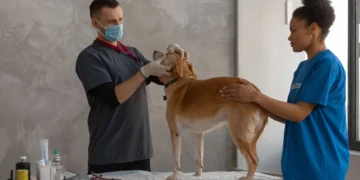
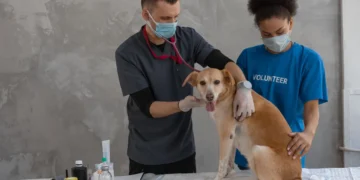
Veterinarians rely on a combination of visual inspection and simple tests to confirm lice.
- Physical exam: The vet will part the hair and look for live lice or their eggs (nits) attached to hair shafts.
- Skin scraping: A gentle scrape of the affected area placed on a microscope slide can reveal lice, nits or secondary bacteria.
- Allergy testing (if needed): In cases where itching is severe, the vet may rule out allergic skin disease.
Treatment options
Medical treatment
Effective prescription options include:
- Topical insecticides: Products containing pyrethrins, selamectin or lufenuron are applied to the skin and coat. These kill adult lice and prevent re‑infestation for several weeks.
- Oral medications: Ivermectin or milbemycin oxime tablets are sometimes used for severe cases. Your vet will dose based on your dog’s weight and health status.
- Shampoos: Prescription shampoos with pyrethrins or neem oil provide a quick kill on contact. Use as directed and follow up with a preventive product.
Ask your vet about the most appropriate option for your dog’s age, breed, and any underlying health issues.
Supplements and supportive care
While supplements won’t eliminate lice, they can help your dog’s skin recover:
- Omega‑3 fatty acids (EPA/DHA): Reduce inflammation and promote a healthy coat. Look for high‑quality fish‑oil supplements.
- Probiotics: Support gut health, which can indirectly improve skin barrier function.
- Vitamin E or biotin: May aid in skin repair, but only use under veterinary guidance.
These are adjuncts; they should accompany, not replace, the primary lice treatment.
Procedures or surgery
In very heavy infestations, a veterinarian may recommend a thorough combing session under light sedation to remove large numbers of lice and nits. This mechanical removal, combined with a medicated shampoo, speeds recovery. Surgery is rarely needed for lice.
Diet and nutrition
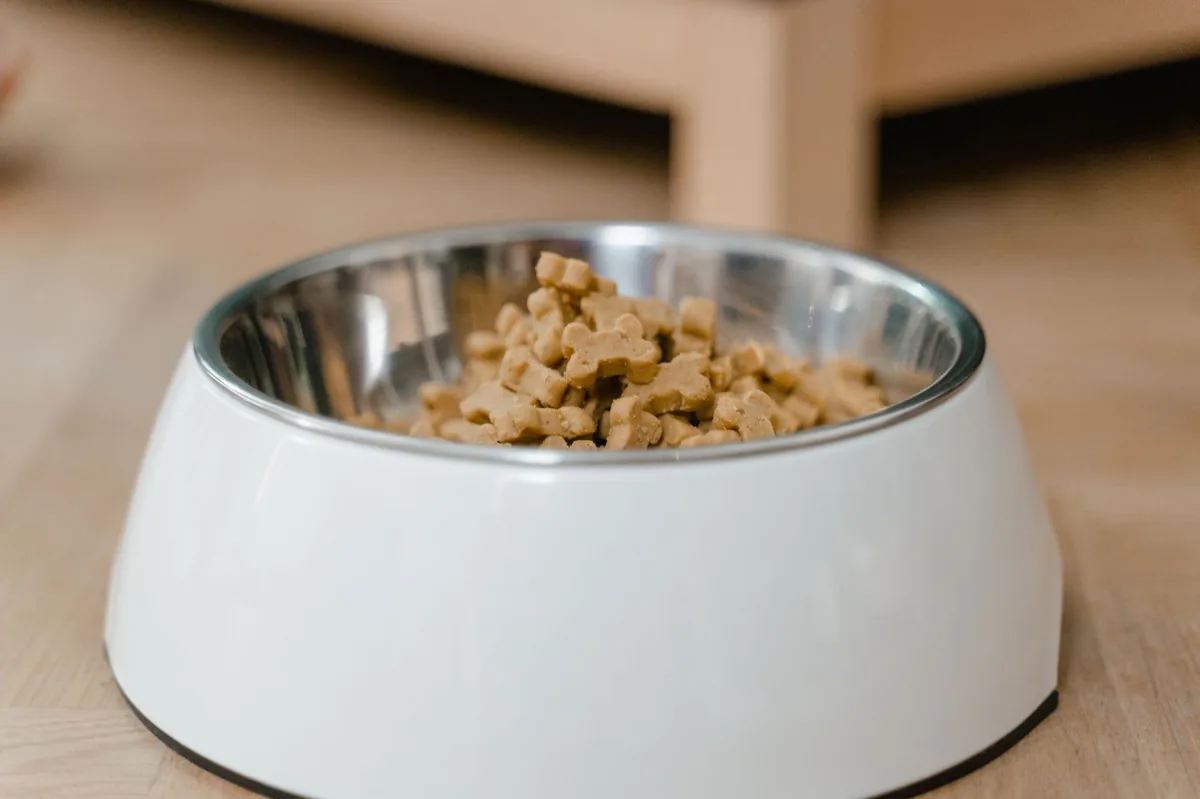
Good nutrition underpins skin health and helps your dog recover faster from an infestation. While there’s no “lice‑specific” diet, feeding a balanced, high‑quality diet supports the immune system and skin barrier.
Key nutritional principles:
- High‑quality protein: Provides the amino acids needed for hair growth and repair. Look for named animal proteins (e.g., chicken, salmon) as the first ingredient.
- Essential fatty acids: EPA and DHA from fish oil, or flaxseed, improve skin moisture and reduce itching.
- Limited allergens: If your dog has a history of food‑related skin issues, consider a limited‑ingredient or novel‑protein diet to avoid triggering inflammation.
- Balanced vitamins and minerals: Zinc, vitamin A, and biotin are important for skin integrity. Commercial diets formulated to AAFCO standards already contain these.
When an infestation is active, keep feeding consistent; sudden changes can stress the digestive system. If your dog is scratching a lot, offer smaller, more frequent meals to ensure adequate intake.
| Dietary focus | Do feed | Limit | Avoid |
|---|---|---|---|
| Skin‑supportive | High‑quality protein, fish oil supplement | Excessive treats, low‑protein fillers | Cheap kibble with artificial additives |
| Allergy‑sensitive | Limited‑ingredient or novel‑protein diet | Common allergens (e.g., beef, dairy) if previously reactive | Grain‑heavy foods if dog is grain‑sensitive |
| General health | Foods meeting AAFCO nutrient profiles | Highly processed snacks | Raw diets without veterinary oversight |
For puppies or senior dogs, adjust portion size based on life stage. If you’re unsure which diet best supports skin health, our team of nutrition experts can help you choose a suitable commercial or therapeutic option.
Cost and prognosis
Most lice infestations are treatable with a single course of medication. In the United States, typical costs range from $50 – $150 for over‑the‑counter shampoos, up to $200 – $400 for prescription topical or oral products. In the United Kingdom, expect £40 – £120 for similar treatments.
Prognosis is excellent when the infestation is caught early and treated promptly. Most dogs clear the lice within 1 – 2 weeks and regain a healthy coat. Severe secondary infections can lengthen recovery and increase costs, but these are uncommon with timely care.
Prevention and home care
Preventing lice largely means minimizing exposure and keeping your dog’s environment clean:
- Regular grooming: Brush your dog weekly to spot any new parasites early.
- Limit contact with stray animals: Avoid letting your dog roam unsupervised in areas with wildlife or stray dogs.
- Clean bedding and toys: Wash blankets, crates and toys in hot water (≥ 60 °C) weekly.
- Use preventive products: Many spot‑on flea and tick preventatives also protect against lice. Ask your vet which product suits your dog’s lifestyle.
- Check new pets: Before introducing a new dog or cat to your home, have a vet examine them for lice or other parasites.
For puppies, start a gentle grooming routine early and keep their living area tidy. Consistent prevention reduces the chance of re‑infestation and keeps the whole household itch‑free.
From our vet team: “Lice may sound alarming, but they’re usually a manageable nuisance. The key is early detection—once you see the tiny specks, a quick visit to the vet and a short course of medication will clear them up. Keep an eye on your dog’s coat, and don’t hesitate to ask us about a preventive spot‑on product that covers both fleas and lice.”
Key takeaways
- Lice are wing‑less parasites that stay on the skin; they differ from jumping fleas.
- Common signs include itching, small hair‑loss patches, and visible tiny insects or nits.
- Effective treatment involves prescription shampoos, topical or oral insecticides, and environmental cleaning.
- Most infestations resolve in 1‑2 weeks with proper care; prognosis is excellent.
- Prevent re‑infestation by regular grooming, cleaning bedding, and using a vet‑approved preventive product.
- If you notice severe skin infection, lethargy, or rapid hair loss, seek veterinary care right away.
Myth vs. fact
Myth: Lice are the same as fleas and can be treated with the same products.
Fact: Lice and fleas are different parasites; lice need specific insecticides or shampoos, while flea products may not be effective against lice.
Myth: Lice infestations are highly contagious to humans.
Fact: Canine lice rarely jump to people; they are host‑specific, so the risk to humans is minimal.
Frequently asked questions
How can I tell if my dog has lice?
Look for tiny, moving specks on the coat, especially near the ears, neck, and tail base, and check for small white eggs (nits) attached to hair shafts. A gentle comb can help reveal them.
Can dogs get lice from other pets?
Yes—lice spread through direct contact with an infested dog, cat or even wildlife. Treat all animals in the household and clean shared environments to prevent re‑infestation.
What treatment options are available for dog lice?
Prescription shampoas, topical spot‑on products, and oral medications like ivermectin are the most common. Over‑the‑counter lice shampoos can work for mild cases, but a vet‑prescribed product ensures full eradication.
Is lice infestation dangerous for my dog?
In most healthy dogs, lice cause itching and skin irritation but are not life‑threatening. However, severe scratching can lead to secondary bacterial infections, which require prompt veterinary care.
How long does it take for lice treatment to work on dogs?
Most dogs show reduced itching within 24‑48 hours, and the lice are eliminated after 7‑14 days of consistent treatment. Follow the vet’s schedule to prevent re‑infestation.
Can lice spread from my dog to humans?
Canine lice are species‑specific and rarely bite humans. While a person might feel a brief itch from a louse that landed on them, they usually cannot survive on human skin, so transmission is uncommon.
Ask the PuppaDogs community
Have a question this article didn’t fully answer? Want to compare notes with other dog owners who’ve been through this? Our community forum is moderated by experienced owners and vets — and answers tend to come fast. Ask in the PuppaDogs community →
References
- American Animal Hospital Association (AAHA) 2023 Parasite Control Guidelines.
- American Veterinary Medical Association (AVMA) – Veterinary Parasitology Overview.
- Merck Veterinary Manual, “Lice (Pediculosis) in Dogs” chapter.
- World Small Animal Veterinary Association (WSAVA) – Skin Parasite Recommendations.
- University of California, Davis Veterinary Medicine – Lice Identification and Treatment.
- American College of Veterinary Internal Medicine (ACVIM) – Guidelines on Topical Insecticides.


