














Quick take: Chronic liver inflammation—also called chronic hepatitis—is a long‑lasting condition where liver cells are damaged by ongoing inflammation. Dogs may show vague signs like decreased appetite, weight loss, or pale gums, but the disease can progress to liver failure if untreated. Early bloodwork, imaging, and sometimes a biopsy help confirm the diagnosis, and a combination of medication, supportive care, and a liver‑friendly diet can extend life and improve quality of life.
It’s 10 p.m., and you’re scrolling through your phone while your 8‑year‑old mixed‑breed curls up on the couch, looking less enthusiastic about the usual evening walk. You notice his belly looks a bit swollen, his eyes look a shade paler, and he’s barely finishing his dinner. The worry spikes—could this be liver trouble?
We understand how unsettling these subtle changes feel. Chronic liver inflammation often develops slowly, and the signs can be easy to miss until the liver’s function is compromised. The good news is that, with timely veterinary care and the right home plan, many dogs live comfortably for months or even years.
In this guide we’ll explain what chronic liver inflammation is, why it happens, how to recognize it, what your vet will do to diagnose it, treatment options, dietary strategies, costs, and how you can help prevent future flare‑ups.
What is chronic liver inflammation in dogs?
Chronic liver inflammation—commonly referred to as chronic hepatitis—is a progressive disease where the liver’s tissue is continuously inflamed and scarred (fibrosis). Unlike an acute injury that might resolve quickly, chronic hepatitis persists for weeks to months, gradually eroding the liver’s ability to detoxify blood, produce vital proteins, and regulate metabolism.
How common? Studies from the American College of Veterinary Internal Medicine (ACVIM) suggest that chronic hepatitis accounts for roughly 10–15 % of liver disease cases seen in referral hospitals, making it one of the more frequent liver disorders in dogs.
What causes it?
Several factors can trigger or contribute to ongoing liver inflammation. The exact cause is often “idiopathic” (unknown), but known contributors include:
- Infectious agents: Leptospirosis, canine hepatitis virus, and certain parasites can cause chronic damage.
- Immune‑mediated disease: The body’s immune system mistakenly attacks liver cells (autoimmune hepatitis).
- Toxins and drugs: Long‑term exposure to certain medications (e.g., phenobarbital), herbicides, or contaminated food.
- Metabolic disorders: Copper accumulation (especially in Bedlington Terriers) and hormonal imbalances.
- Genetic predisposition: Some breeds have a higher risk of developing chronic hepatitis.
Signs and symptoms
Because the liver performs many functions, the clinical picture can be varied. Early signs are often vague, while later signs indicate more severe liver compromise.
| Severity | Typical signs |
|---|---|
| Mild | Reduced appetite, slight weight loss, occasional vomiting, lethargy. |
| Moderate | Noticeable abdominal swelling (ascites), pale gums, jaundice (yellow skin/eyes), increased thirst and urination. |
| Severe | Severe weakness, disorientation, bleeding tendency, hepatic encephalopathy (confusion, head pressing), sudden collapse. |
When to call your vet
Call your vet today if you notice any of the following:
- Decreased appetite or weight loss lasting more than a few days.
- Persistent vomiting or diarrhea.
- Noticeable abdominal swelling or a change in the color of the gums or eyes.
- Increased thirst, urination, or a change in bathroom habits.
Go to an emergency veterinary hospital now if your dog shows:
- Severe weakness or collapse.
- Confusion, head pressing, or signs of neurological distress.
- Bleeding from gums, nose, or any wound that won’t stop.
- Sudden jaundice (bright yellow skin or eyes).
These signs suggest acute liver decompensation or hepatic encephalopathy, which require immediate medical attention. This article is for informational purposes only and does not replace a professional veterinary examination.
How vets diagnose chronic liver inflammation
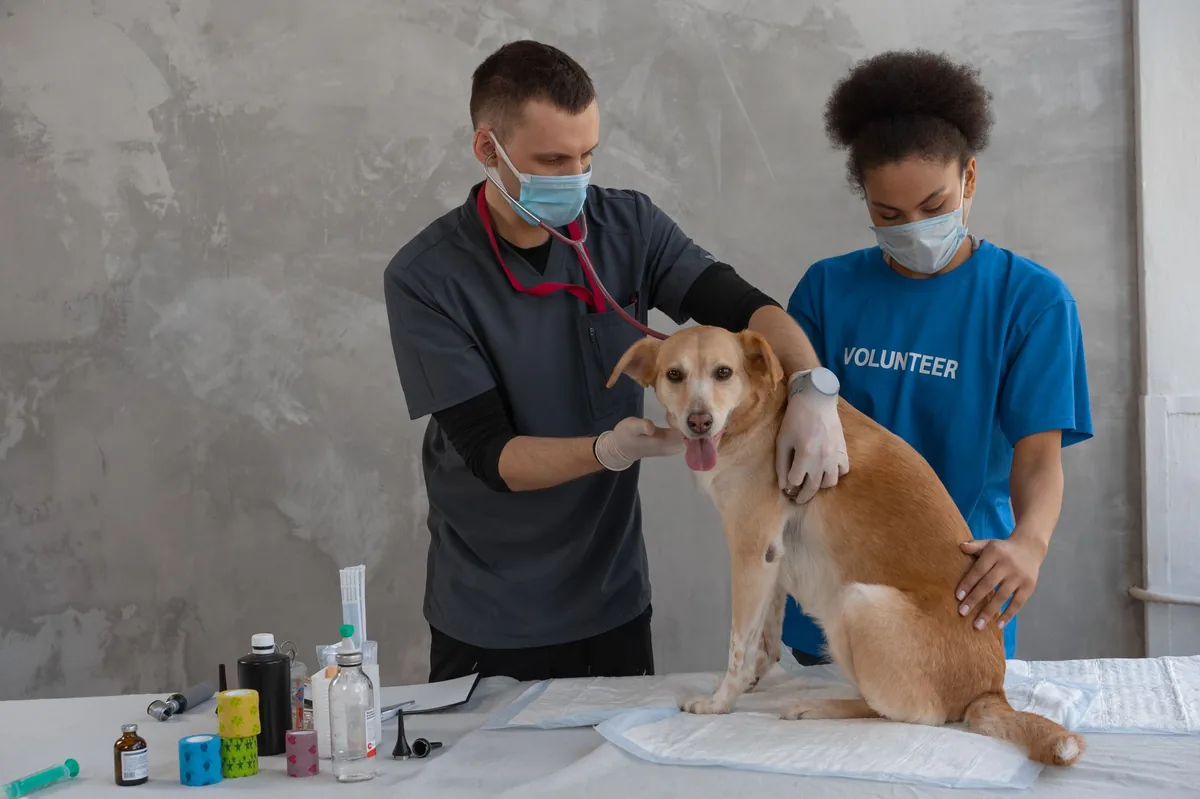
Diagnosing chronic hepatitis is a stepwise process that combines history, physical exam, and targeted tests.
- History & physical exam: Your vet will ask about diet, medications, travel, and any known exposures, then palpate the abdomen for liver size and feel for pain.
- Blood panel: A complete blood count (CBC) and serum chemistry reveal elevated liver enzymes (ALT, AST, ALP, GGT) and may show low albumin or clotting abnormalities. The “liver enzyme test results” help gauge inflammation severity.
- Specific liver tests: Bile acids measured before and after a meal assess liver function, while bile acid stimulation tests are considered the gold standard for detecting early dysfunction.
- Imaging: Abdominal ultrasound visualizes liver size, texture, and any masses or fluid accumulation. It can also guide needle biopsies.
- Liver biopsy: The definitive test—small tissue samples examined under a microscope—confirms chronic inflammation, fibrosis, and can identify copper accumulation or specific infectious agents.
Treatment options
Medical treatment
Medication aims to reduce inflammation, support liver function, and address underlying causes.
- Anti‑inflammatory drugs: Corticosteroids such as prednisone are commonly used to suppress immune‑mediated inflammation.
- Immunosuppressants: Azathioprine or mycophenolate may be added when steroids alone are insufficient.
- Antibiotics/antiparasitics: If an infectious agent like leptospirosis is identified, doxycycline or other appropriate antibiotics are prescribed.
- Copper chelators: For copper‑associated hepatitis (e.g., in Bedlington Terriers), D‑penicillamine helps remove excess copper.
All drug choices should be discussed with your vet—ask your vet about the best option for your dog’s specific situation.
Supplements and supportive care
Adjunctive supplements can help protect liver cells and boost recovery.
- S‑adenosyl‑methionine (SAMe): An antioxidant that supports liver regeneration; often recommended for chronic liver disease.
- Milk thistle (silymarin): Provides hepatoprotective effects and may improve enzyme levels.
- Omega‑3 fatty acids (EPA/DHA): Reduce inflammation and support overall health; fish‑oil capsules are a common source.
- Probiotics: Help maintain gut health, which is closely linked to liver function.
Supplements should complement, not replace, prescribed medication. Always ask your vet whether a supplement is appropriate for your dog’s stage of disease.
Procedures or surgery
In some cases, a liver biopsy (performed via ultrasound‑guided needle or laparoscopic approach) is necessary to confirm the diagnosis. The procedure usually requires a short hospital stay and general anesthesia. Recovery is typically uneventful, with most dogs returning to normal activity within a week. Costs vary but often range from $800–$2,000 (US) or £600–£1,200 (UK), depending on the clinic and geographic region.

Diet and nutrition
Nutrition is a cornerstone of chronic liver disease management. A liver‑supportive diet reduces the workload on the liver while providing high‑quality nutrients to aid regeneration.
Key principles:
- Highly digestible protein: Moderate‑quality protein (around 18–22 % of calories) from sources like chicken, turkey, or egg reduces nitrogen burden while still supporting muscle mass.
- Reduced copper: For breeds prone to copper accumulation, choose foods formulated with low copper content.
- Balanced fatty acids: Adding omega‑3 fatty acids (EPA/DHA) helps control inflammation; many therapeutic diets include fish oil.
- Limited sodium: To prevent fluid buildup (ascites), keep sodium under 0.2 % of the diet.
- Supplemented with antioxidants: SAMe, silymarin, and vitamin E are often added to therapeutic formulas.
There are several commercial therapeutic diets designed for liver support, such as those meeting the AAFCO “therapeutic” criteria. While we won’t endorse a specific brand, look for labels that mention “low copper,” “highly digestible protein,” and “added SAMe.” Your vet can recommend a prescription formula or help you craft a home‑cooked plan that meets these targets.
| Food category | Do feed | Limit / Avoid |
|---|---|---|
| Protein sources | Cooked chicken, turkey, egg whites, low‑fat cottage cheese | High‑fat meats, organ meats (liver, kidney) |
| Carbohydrates | White rice, sweet potatoes, oatmeal | Whole grains high in fiber that may increase ammonia production |
| Fats | Fish oil, flaxseed oil (omega‑3) | Excessive butter or animal fats |
| Supplements | SAMe, milk thistle, probiotics (as advised) | Excessive vitamin A or iron supplements |
Transitioning to a new diet should be gradual—mix increasing portions of the therapeutic food with the current diet over 7–10 days to avoid gastrointestinal upset. Offer smaller, more frequent meals (e.g., 3–4 times daily) to aid digestion and reduce hepatic workload.
For owners who prefer home‑cooked meals, the our dog health calculators can help you balance calories and nutrients while keeping copper low. Always run a home‑cooked plan by your vet or a veterinary nutritionist.
Cost and prognosis
Financial considerations are a real part of managing chronic liver disease. Below are typical cost ranges (average estimates, may vary by region and clinic):
| Service / Item | US estimate | UK estimate |
|---|---|---|
| Initial blood panel (CBC, chemistry, bile acids) | $150–$300 | £120–£250 |
| Abdominal ultrasound | $300–$600 | £200–£500 |
| Ultrasound‑guided liver biopsy | $800–$2,000 | £600–£1,200 |
| Monthly medication (steroids, supplements) | $30–$100 | £25–£80 |
| Therapeutic prescription diet (30‑day supply) | $70–$130 | £60–£110 |
Prognosis depends on the underlying cause, disease stage at diagnosis, and how well the treatment plan is followed. Dogs diagnosed early with mild fibrosis can enjoy a good quality of life for years, while those with advanced cirrhosis may have a guarded outlook. The American College of Veterinary Internal Medicine notes that median survival for dogs with idiopathic chronic hepatitis treated with steroids is roughly 12–24 months, but many dogs exceed this with diligent care.
Prevention and home care
While you can’t eliminate all risk, several practical steps can reduce the chance of chronic liver inflammation developing or worsening.
- Keep your dog on a balanced diet low in copper and excess fat.
- Avoid unnecessary long‑term medication; discuss alternatives with your vet.
- Use tick and mosquito preventatives recommended for your region to lower the risk of leptospirosis.
- Provide fresh water daily and encourage regular exercise to maintain a healthy weight.
- Schedule routine blood work (especially for breeds predisposed to copper‑associated disease) at least annually.
- Monitor for early signs—any change in appetite, energy, or gum color should prompt a call to your vet.
For ongoing monitoring, consider using the dog questions answered resource to track symptom trends and know when to seek re‑evaluation.
From our vet team: Chronic liver inflammation can feel overwhelming, but remember that many aspects—diet, medication timing, and routine check‑ups—are within your control. Keep a simple journal of food, meds, and any changes in behavior; this record helps your vet adjust treatment before a crisis develops.
Key takeaways
- Chronic liver inflammation is a progressive condition that often shows up as subtle appetite loss, weight loss, or pale gums.
- Early diagnosis relies on bloodwork, ultrasound, and sometimes a liver biopsy; prompt veterinary attention improves outcomes.
- Treatment combines anti‑inflammatory drugs, targeted supplements (SAMe, milk thistle), and a liver‑supportive diet low in copper and sodium.
- Regular monitoring, a balanced diet, and avoiding unnecessary toxins are the best ways to prevent flare‑ups.
- Cost varies, but budgeting for blood tests, imaging, medication, and therapeutic food helps you plan for long‑term care.
- Always contact your vet if your dog shows severe weakness, jaundice, or neurological signs—these are emergencies.
Myth vs. fact
Myth: “If my dog is eating a low‑fat diet, liver disease can’t happen.”
Fact: Diet is only one piece of the puzzle; infections, genetics, and toxins can still cause liver inflammation even with a low‑fat diet.
Myth: “Natural supplements alone can cure chronic hepatitis.”
Fact: Supplements support liver health but cannot replace prescription medication or veterinary‑directed treatment.
Myth: “All dogs with liver disease will eventually need a liver transplant.”
Fact: Liver transplants are rare in veterinary medicine; many dogs live long, comfortable lives with medical management and diet.
Frequently asked questions
What does chronic liver inflammation look like in a dog?
Typical signs include reduced appetite, weight loss, a swollen abdomen, pale or yellow gums, increased thirst, and occasional vomiting. Early disease may only show mild lethargy, while advanced cases can present with jaundice and neurological changes.
How do vets diagnose chronic hepatitis in dogs?
Diagnosis starts with blood chemistry revealing high liver enzymes, followed by imaging (ultrasound) to assess liver size and texture. A definitive diagnosis often requires a liver biopsy, which lets the pathologist examine tissue for inflammation and fibrosis.
Can diet alone help a dog with chronic liver disease?
Diet is a vital part of management—it reduces the liver’s workload and supplies nutrients for regeneration—but it works best alongside medication and regular veterinary monitoring. Ask your vet about a liver‑supportive prescription diet or a balanced home‑cooked plan.
What medications are used to treat chronic liver inflammation in dogs?
Common drugs include corticosteroids (e.g., prednisone) to dampen inflammation, immunosuppressants like azathioprine for immune‑mediated disease, antibiotics for bacterial causes, and copper chelators such as D‑penicillamine when copper overload is present.
Is chronic liver inflammation fatal for senior dogs?
It can be life‑threatening if left untreated, but many senior dogs respond well to therapy and enjoy a good quality of life for months to years. Early detection and consistent care are key to improving survival odds.
How much does treatment for chronic liver disease cost?
Initial diagnostics (blood panel, ultrasound, biopsy) typically range from $1,200–$2,800 in the U.S. Ongoing medication and therapeutic diet add $30–$130 per month. Costs vary by region and the specific treatment plan recommended by your vet.
Ask the PuppaDogs community
Have a question this article didn’t fully answer? Want to compare notes with other dog owners who’ve been through this? Our community forum is moderated by experienced owners and vets — and answers tend to come fast. Ask in the PuppaDogs community →
References
- American College of Veterinary Internal Medicine (ACVIM). “Chronic Hepatitis in Dogs” clinical guidelines, 2022.
- American Animal Hospital Association (AAHA). “Canine Liver Disease Management,” 2023.
- Merck Veterinary Manual. “Hepatitis, Chronic” entry, 2021.
- Cornell University College of Veterinary Medicine. “Copper-Associated Hepatitis in Dogs,” 2022.
- University of California, Davis Veterinary Medicine. “Liver Enzyme Interpretation in Dogs,” 2023.
- World Small Animal Veterinary Association (WSAVA). “Nutritional Management of Liver Disease,” 2022.
- American Veterinary Medical Association (AVMA). “Leptospirosis in Dogs,” 2021.
- Plumb’s Veterinary Drug Handbook, 9th edition, 2020.


