
















Quick take: Leukemia in dogs is a rare blood cancer that can affect the white blood cells, often showing up as fatigue, pale gums, or unexplained weight loss. Early detection, proper veterinary work‑up, and individualized treatment (usually chemotherapy plus supportive care) give many dogs a chance at a good quality of life, though costs and prognosis vary by type and stage.
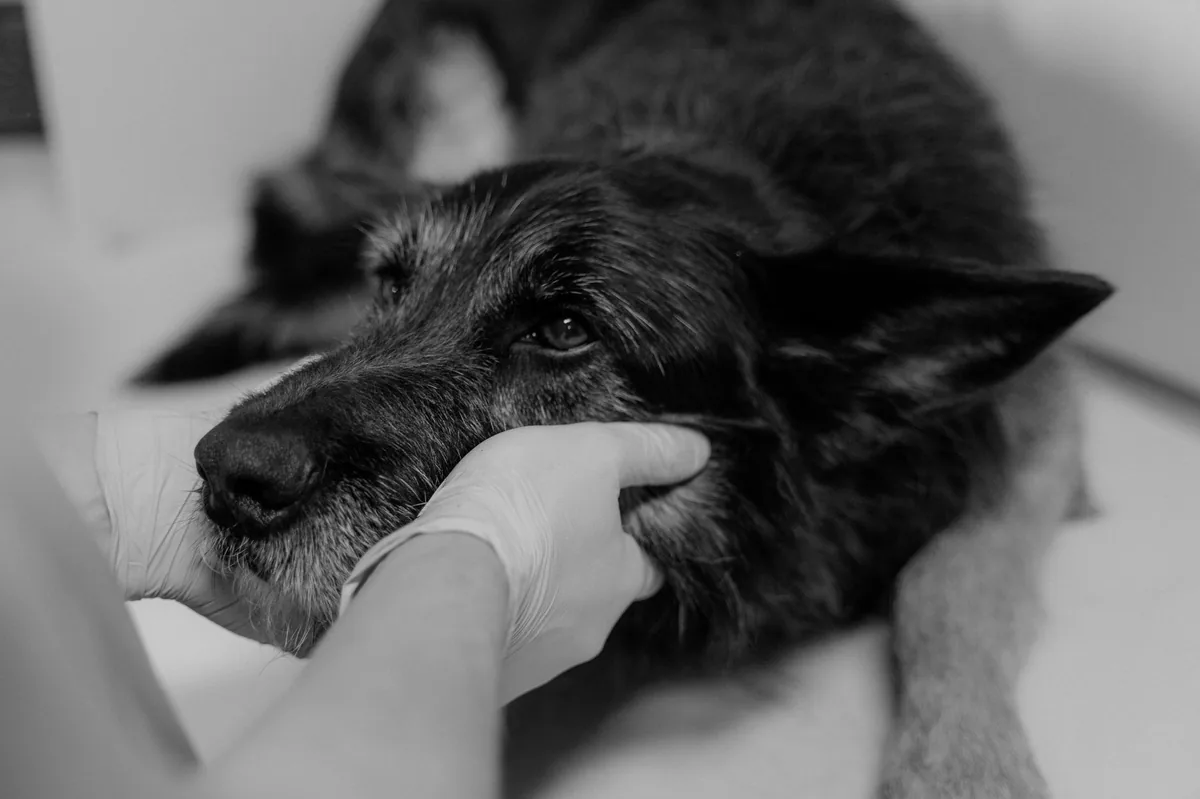
It’s 11 p.m., the house is quiet, and your 8‑year‑old mixed‑breed dog named Milo doesn’t trot to the kitchen like he usually does. Instead, he lies on his side, eyes half‑closed, and you notice his gums look a little pink‑gray instead of the bright red you’re used to. Your mind races—“Is this something serious? Should I call the vet?” You’re not alone; many owners first spot leukemia when a normally energetic dog suddenly seems tired, loses appetite, or shows subtle changes in gum color.
Leukemia in dogs is a type of cancer that originates in the bone marrow, the factory that makes blood cells. It can affect either the lymphoid (lymphocyte) line or the myeloid (myelocyte) line, leading to an overproduction of abnormal white blood cells that crowd out healthy cells. While the disease is uncommon, its signs can be vague, making early detection essential.
In this article we’ll explain what leukemia is, what causes it, the signs to watch for, when you need urgent veterinary care, how vets diagnose it, treatment options, diet and nutrition tips, cost considerations, prevention strategies, and more. By the end you’ll feel equipped to talk confidently with your vet and make informed decisions for Milo—or any dog facing this diagnosis.
What is leukemia in dogs?
Leukemia is a malignant (cancerous) disorder of the bone marrow that leads to uncontrolled growth of abnormal white blood cells. In dogs there are two major categories:
- Lymphoid leukemia – originates from lymphocytes, the cells that usually fight infections. This type often resembles lymphoma but spreads through the blood.
- Myeloid leukemia – arises from myelocytes, which give rise to red cells, platelets, and some white cells. Myeloid forms are rarer but can progress rapidly.
Both types interfere with normal blood production, causing anemia (low red cells), thrombocytopenia (low platelets), and immune dysfunction. According to the Merck Veterinary Manual, canine leukemia accounts for less than 1 % of all canine cancers, making it an uncommon but important condition to recognize.
What causes it?
Leukemia is usually idiopathic—meaning the exact trigger isn’t known—but several risk factors have been identified:
| Category | Specific Factors |
|---|---|
| Genetic predisposition | Some breeds (e.g., German Shepherds, Golden Retrievers, Boxers) show higher incidence in studies from the American College of Veterinary Internal Medicine (ACVIM). |
| Environmental exposures | Exposure to certain chemicals (benzene, pesticides) and radiation has been linked to leukemia in experimental models. |
| Viral agents | Canine retroviruses (e.g., CAV‑2) have been implicated, though a definitive causal relationship remains unproven. |
| Immune dysregulation | Chronic immune stimulation from infections or autoimmune disease may increase risk. |
While you can’t eliminate all risk factors, keeping your dog in a low‑toxin environment and staying up‑to‑date on vaccinations (per AAHA guidelines) are sensible preventive steps.
Signs and symptoms
Leukemia’s early signs are often subtle and can be mistaken for aging or a simple illness. Below is a quick guide from mild to severe manifestations:
| Severity | Typical Signs |
|---|---|
| Mild | Reduced stamina, occasional lethargy, slight loss of appetite, mild pallor of gums. |
| Moderate | Noticeable weight loss, persistent lethargy, frequent infections, easy bruising, enlarged lymph nodes. |
| Severe | Severe anemia (very pale gums, rapid breathing), bleeding from gums or nose, severe infections, organ enlargement, neurological signs if the brain is involved. |
Other red‑flag symptoms include sudden onset of fever, unexplained bleeding, or a rapid decline in activity. Because many of these signs overlap with other diseases, a veterinary work‑up is essential for accurate diagnosis.

When to call your vet
Call your vet today if you notice any of the following:
- Persistent lethargy or loss of appetite lasting more than 48 hours.
- Pale or grayish gums on gentle pressure.
- Unexplained weight loss or swelling of lymph nodes.
- Frequent infections or slow wound healing.
Go to an emergency veterinary hospital right now if you see:
- Bleeding from gums, nose, or wounds that won’t stop.
- Sudden collapse, severe difficulty breathing, or seizures.
- Very low energy with rapid heart rate (tachycardia).
These signs indicate that your dog may be in a critical state and needs immediate professional care. This article is for informational purposes only and does not replace a hands‑on veterinary exam.
How vets diagnose it
Diagnosing leukemia involves a stepwise approach that combines history, physical exam, and a series of laboratory tests:
- Complete blood count (CBC) – reveals abnormal white‑cell counts, anemia, or low platelets. A “blast” cell population often points toward leukemia.
- Blood chemistry panel – assesses organ function and can show secondary effects like elevated liver enzymes.
- Bone‑marrow aspirate – a needle draws a tiny sample from the femur or humerus. Cytology and flow cytometry help determine cell lineage (lymphoid vs myeloid) and grade the disease.
- Flow cytometry – uses fluorescent antibodies to identify specific cell surface markers, giving a precise immunophenotype.
- Polymerase chain reaction (PCR) for antigen receptor rearrangement – detects clonal populations of lymphocytes, confirming a neoplastic process.
- Imaging (ultrasound, radiographs) – looks for organ enlargement, lymph node involvement, or secondary infections.
According to the American College of Veterinary Internal Medicine (ACVIM) consensus, a combination of CBC abnormalities and bone‑marrow evaluation is the gold standard for confirming leukemia.
Treatment options
Medical treatment
Standard therapy for canine leukemia centers on chemotherapy, often combined with corticosteroids to reduce inflammation and improve blood cell counts. Common drug classes include:
- Alkylating agents – such as cyclophosphamide or lomustine, which interfere with DNA replication.
- Antimetabolites – like cytarabine, used especially in myeloid leukemia.
- Tyrosine‑kinase inhibitors – for certain chronic lymphocytic leukemias, with drugs such as imatinib (available in some countries).
- Corticosteroids – prednisone or prednisolone to control immune-mediated effects and improve appetite.
Exact protocols vary by type and stage. Your vet will tailor the regimen, monitor blood counts frequently, and adjust doses as needed. Always ask your vet about the potential side effects and supportive measures.
Supplements and supportive care
While supplements can’t cure leukemia, they may help maintain strength and support organ function:
- Omega‑3 fatty acids (EPA/DHA) – anti‑inflammatory; studies in the Journal of Veterinary Internal Medicine suggest improved quality of life when added to chemotherapy protocols.
- Probiotics – help preserve gut health during chemotherapy‑induced GI upset.
- Milk thistle (silymarin) – may protect the liver from drug toxicity, though evidence is limited; discuss with your vet before adding.
These supplements should be introduced only after vet approval, as some can interact with chemotherapy agents.
Procedures or surgery
Leukemia rarely requires surgery because the disease is systemic. However, a splenectomy (removal of the spleen) may be considered if the spleen is massively enlarged and causing discomfort. Recovery from splenectomy typically takes 2–3 weeks, and costs in the U.S. range from $4,000 to $7,500, including anesthesia and postoperative care.
Diet and nutrition
Nutrition plays a supportive role in managing leukemia, especially when chemotherapy suppresses appetite or causes gastrointestinal upset. The goal is to provide highly digestible, nutrient‑dense food that minimizes extra work for the liver and kidneys while supporting immune health.
| Do feed | Limit | Avoid |
|---|---|---|
| High‑quality protein sources (e.g., cooked chicken, turkey, lean beef) that are easy to digest. | Fatty treats and table scraps – excess fat can worsen nausea. | Raw meat diets unless specifically formulated for oncology patients (risk of bacterial contamination). |
| Highly digestible carbohydrates (white rice, sweet potato) for energy. | Highly processed kibble with artificial additives – may irritate the gut. | High‑sodium foods – can strain kidneys already working hard. |
| Omega‑3 enriched foods or a fish‑oil supplement (under vet guidance). | Excessive calcium supplements – may interfere with drug absorption. | Spicy or heavily seasoned foods – can cause GI irritation. |
Many veterinary oncologists recommend a prescription “therapeutic diet” formulated for cancer patients, such as a low‑fat, high‑protein diet with added antioxidants. You don’t need to purchase a specific brand; any balanced, highly digestible diet that meets AAFCO nutrient profiles is acceptable. If you switch foods, do so gradually over 5–7 days to avoid gastrointestinal upset.
Practical feeding tips:
- Offer small, frequent meals (3–4 times daily) to encourage intake.
- Warm the food slightly (to 38 °C) to boost aroma, which can stimulate appetite.
- Consider adding a spoonful of low‑sodium broth or a sprinkle of shredded cheese for palatability.
- Monitor weight daily; a loss of more than 5 % of body weight should trigger a vet call.
Hydration is equally important. Fresh water should be available at all times, and electrolyte solutions (e.g., Pedialyte diluted 1:1) can be offered if your dog shows signs of dehydration.
Cost and prognosis
Financial planning is a realistic part of caring for a dog with leukemia. Below are typical cost ranges and expected outcomes based on the most recent ACVIM guidelines (2023):
| Component | US estimate | UK estimate |
|---|---|---|
| Initial diagnostics (CBC, chemistry, bone‑marrow aspirate, flow cytometry) | $1,200–$2,500 | £800–£1,600 |
| Standard chemotherapy protocol (6–8 weeks) | $5,000–$12,000 | £4,000–£9,000 |
| Supportive care (anti‑nausea meds, antibiotics, hospital stays) | $500–$3,000 | £300–£1,800 |
| Potential splenectomy (if needed) | $4,000–$7,500 | £3,200–£5,800 |
Prognosis depends heavily on leukemia type and stage at diagnosis:
- Lymphoid (chronic) leukemia – With chemotherapy, many dogs enjoy a median survival of 12–18 months, and some live 2 years or more.
- Acute lymphoblastic leukemia (ALL) – More aggressive; median survival is 3–6 months despite intensive therapy.
- Myeloid leukemia – Often rapid; median survival ranges from 2 months (acute) to 8 months (chronic).
Quality of life is a key metric. Dogs that maintain appetite, reasonable activity, and minimal pain are considered good candidates for continued treatment, even if life expectancy is limited.
Prevention and home care
Because the exact cause of leukemia remains unclear, true prevention is challenging. However, owners can reduce risk and support overall health with these strategies:
- Minimize exposure to environmental toxins—store chemicals safely, avoid areas with heavy pesticide use.
- Maintain up‑to‑date vaccinations and parasite control (AAHA 2023 vaccination schedule).
- Provide a balanced diet meeting AAFCO standards; avoid excessive raw diets unless properly handled.
- Schedule regular wellness exams (at least annually) to catch blood abnormalities early.
- Monitor for subtle changes in energy, appetite, or gum color, especially in breeds with higher predisposition.
For dogs already diagnosed, home care includes gentle exercise, strict medication compliance, and regular follow‑up blood work every 2–4 weeks during active treatment. Our dog health calculators can help you track weight trends and medication schedules.
From our vet team: Early detection saves lives. If you notice a change in your dog’s gum color or energy level, a quick vet visit for a blood panel can differentiate leukemia from many treatable conditions. Even when the disease is aggressive, supportive care and a tailored diet keep many dogs comfortable for months.
Key takeaways
- Leukemia is a rare blood cancer that can affect any breed, but German Shepherds, Golden Retrievers, and Boxers are seen more often.
- Watch for pale gums, unexplained lethargy, weight loss, and frequent infections—these are early warning signs.
- Diagnosis relies on blood work and a bone‑marrow sample; flow cytometry pinpoints the cancer type.
- Standard treatment is chemotherapy plus steroids; costs typically range from $5,000 to $12,000 in the U.S.
- High‑quality, highly digestible protein and omega‑3‑rich foods support recovery and can improve quality of life.
- Regular wellness exams and minimizing toxin exposure are the best preventive steps you can take.
Myth vs. fact
Myth: All dogs with leukemia die within weeks.
Fact: While acute forms can be fast‑progressing, many dogs with chronic lymphoid leukemia live a year or more with chemotherapy and supportive care.
Myth: Chemotherapy always makes dogs feel terrible.
Fact: Modern protocols are designed to balance efficacy with quality of life; many dogs tolerate treatment well, especially with anti‑nausea meds and proper nutrition.
Myth: A raw diet can cure leukemia.
Fact: No scientific evidence supports raw diets as a cure; in fact, they may increase infection risk during immunosuppression.
Frequently asked questions
What causes leukemia in dogs?
Leukemia often develops without a clear trigger, but genetic breed predisposition, exposure to certain chemicals, and possibly viral agents are recognized risk factors.
What are the symptoms of leukemia in dogs?
Typical signs include pale gums, chronic lethargy, loss of appetite, weight loss, frequent infections, and easy bruising or bleeding.
How is leukemia diagnosed in dogs?
Veterinarians confirm leukemia with a complete blood count, bone‑marrow aspirate, and flow cytometry to identify the specific cell lineage.
Can leukemia be cured in dogs?
Leukemia is generally not curable, but chemotherapy and supportive care can extend life and provide good quality of life for many dogs.
What is the life expectancy for a dog with leukemia?
Life expectancy varies: chronic lymphoid leukemia may allow 12–18 months or longer, while acute forms often have a shorter survival of 2–6 months.
How much does treatment for dog leukemia cost?
In the United States, total costs—including diagnostics, chemotherapy, and supportive care—typically range from $6,500 to $15,000, while in the United Kingdom they average £5,000–£12,000.
Ask the PuppaDogs community
Have a question this article didn’t fully answer? Want to compare notes with other dog owners who’ve been through this? Our community forum is moderated by experienced owners and vets — and answers tend to come fast. Ask in the PuppaDogs community →
References
- American College of Veterinary Internal Medicine (ACVIM) Consensus Statement on Canine Leukemia, 2023.
- American Animal Hospital Association (AAHA) Canine Vaccination Guidelines, 2023.
- Merck Veterinary Manual, “Leukemia in Dogs” chapter, 2022.
- Cornell University College of Veterinary Medicine, Canine Oncology Resources, 2023.
- World Small Animal Veterinary Association (WSAVA) Guidelines on Cancer Nutrition, 2022.
- Journal of Veterinary Internal Medicine, “Omega‑3 Fatty Acids as Adjunctive Therapy in Canine Cancer,” 2021.


