












Quick take: Non‑ulcerative keratitis is inflammation of the cornea without a break in the surface. It’s usually treatable with eye drops and anti‑inflammatories, but early detection matters. Most dogs recover fully within weeks if you follow your vet’s plan and keep the eye protected.
It’s 9 p.m., the house is quiet, and you notice your golden‑retriever, Max, isn’t hopping up to greet you at the door. Instead, he sits on the rug, his head tilted, and you see a faint pinkish hue on his right eye. The first thought is “just a little irritation,” but the next Google search brings up “keratitis.” You feel a knot in your stomach—what does that mean for Max?
We’ve heard this scenario countless times. The good news is that non‑ulcerative keratitis (often called corneal inflammation without an ulcer) is usually manageable, especially when caught early. In this article we’ll explain what it is, why it happens, how to spot it, what your vet will do, treatment options, costs, and how to keep Max’s eyes healthy for the long haul.
Read on to get a clear, step‑by‑step guide—no jargon, just practical advice you can use tonight and tomorrow.
What is non‑ulcerative keratitis (corneal inflammation) in dogs?
Non‑ulcerative keratitis is inflammation of the clear, front surface of the eye (the cornea) that does not involve a break or ulcer in the tissue. Inflammation can cause redness, cloudiness, and discomfort, but the outermost epithelial layer stays intact. This differentiates it from ulcerative keratitis, where the cornea is eroded and at risk of infection.
In dogs, non‑ulcerative keratitis is relatively common, especially in breeds with prominent eyes or certain anatomical quirks. The American College of Veterinary Ophthalmologists (ACVO) estimates that corneal inflammation accounts for roughly 10‑15 % of ophthalmic visits in general practice.
Because the cornea is richly supplied with nerves, even mild inflammation can make a dog feel like something is constantly in its eye. Prompt treatment usually resolves the issue without lasting damage.
What causes non‑ulcerative keratitis?
Inflammation of the cornea can stem from many sources. The most common categories are:
- Mechanical irritation: foreign bodies (dust, grass awns), excessive rubbing from ear or facial hair, or trauma from a paw.
- Allergic or immune‑mediated reactions: seasonal allergies, atopic dermatitis, or autoimmune diseases like pemphigus.
- Dry‑eye (keratoconjunctivitis sicca): insufficient tear production, often hereditary in certain breeds.
- Infectious agents: viral (canine adenovirus), bacterial, or fungal infections that inflame the cornea without creating an ulcer.
- Post‑surgical inflammation: after cataract removal or other eye procedures, the cornea can become inflamed as part of the healing response.
Breed predisposition plays a role. Brachycephalic dogs (e.g., Pugs, French Bulldogs) and those with prominent eyes such as Shih Tzus, Cavalier King Charles Spaniels, and Boston Terriers are more likely to develop keratitis because their eyes are more exposed.
Signs and symptoms
Early signs are often subtle, but they progress if left unchecked. Below is a quick guide to what you might notice:
| Stage | Typical signs |
|---|---|
| Mild | Redness around the cornea, slight squinting, occasional pawing at the eye. |
| Moderate | Visible haze or cloudiness on the cornea, increased tearing, reluctance to chase balls. |
| Severe | Marked cloudiness, thick mucus discharge, persistent squinting, possible vision loss. |
Other clues include:
- Frequent blinking or “shaking” of the head.
- Rubbing the eye with a paw or against furniture.
- Changes in behavior: less energetic, reluctant to go outside.
- Blepharospasm (involuntary eyelid closure) that may look like the dog is “winking” constantly.
When to call your vet
Call your vet today if you notice any of the mild‑to‑moderate signs above—redness, squinting, or increased tearing. Early intervention can prevent the inflammation from progressing.
Go to an emergency clinic right now if you see any of these red‑flag signs:
- Sudden, severe swelling of the eye.
- Profuse, thick yellow or green discharge.
- Visible ulcer (a white or dark spot on the cornea) or a deep, painful ulcerated area.
- Rapid loss of vision or the dog appears disoriented.
These symptoms suggest a more serious problem that needs immediate care. Remember, this article is for information only and does not replace a hands‑on veterinary exam.
How vets diagnose non‑ulcerative keratitis
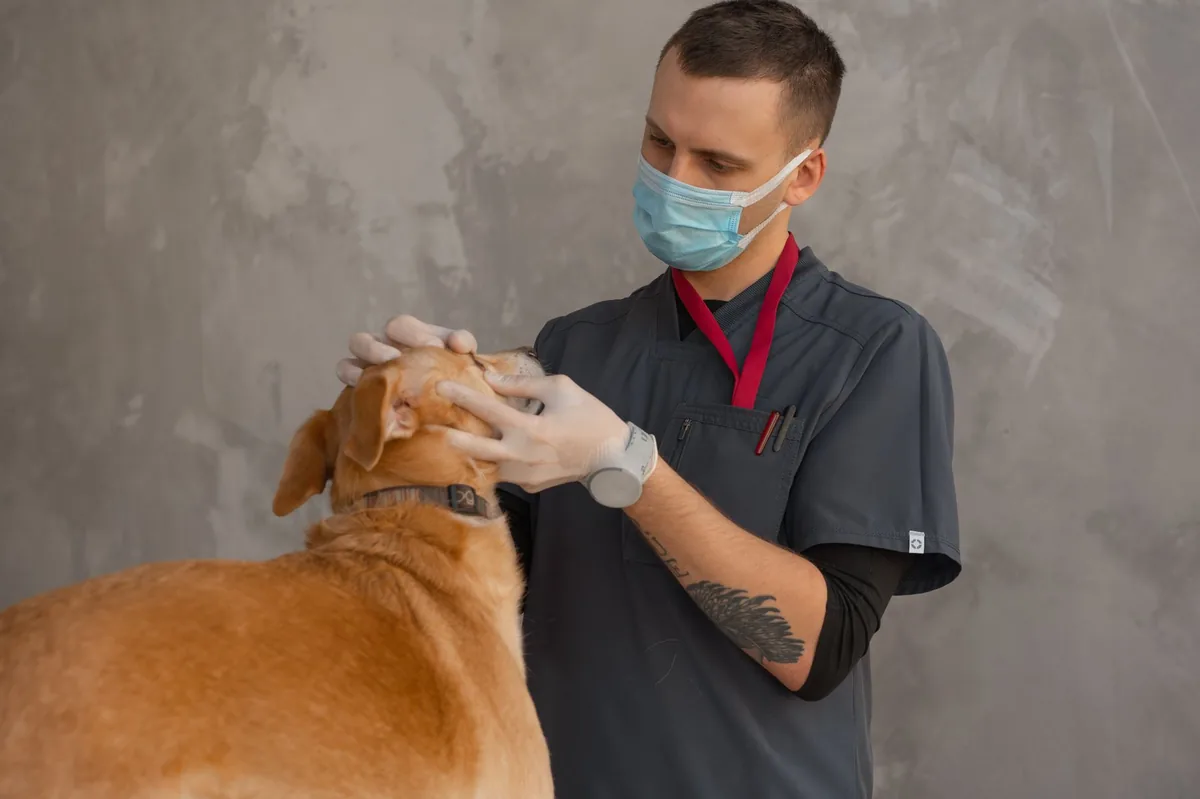
Diagnosis starts with a thorough history and physical exam. Your vet will ask about recent injuries, environmental exposures, and any known allergies.
Key diagnostic tools include:
- Fluorescein stain: A special dye that highlights any breaks in the corneal surface. In non‑ulcerative keratitis, the dye does not adhere, confirming the epithelium is intact.
- Slit‑lamp biomicroscopy: A magnified, illuminated view of the eye that lets the vet assess the depth and pattern of inflammation.
- Schirmer tear test: Measures tear production to rule out dry‑eye (keratoconjunctivitis sicca) as a contributing factor.
- Tonometry: Occasionally used to check intra‑ocular pressure if glaucoma is a concern.
In some cases, the vet may take a small sample of tear fluid or perform a culture to identify bacterial or fungal agents, especially if an infection is suspected.
Treatment options
Medical treatment
Most cases resolve with topical therapy and anti‑inflammatory medication. Commonly prescribed eye drops include:
- Artificial tears or lubricants: Help keep the cornea moist and support healing.
- Topical corticosteroids (e.g., prednisolone acetate): Reduce inflammation. Your vet will advise on frequency and duration to avoid complications.
- Topical antibiotics (e.g., moxifloxacin, ciprofloxacin): Used if a bacterial component is suspected.
- Cyclosporine eye drops: Helpful for immune‑mediated keratitis or dry‑eye cases.
All medications are prescription‑only; ask your vet about the best option for your dog’s specific situation.
Supplements and supportive care
While supplements are not a cure, they can aid recovery:
- Omega‑3 fatty acids (EPA/DHA): Anti‑inflammatory properties that may lessen ocular irritation.
- Vitamin A‑rich foods or supplements: Support healthy ocular surface cells; discuss appropriate dosing with your vet.
- Probiotics: May help if the keratitis is linked to an allergic or immune response, by supporting gut‑immune health.
Supplements should complement, not replace, prescribed eye drops. Always check with your vet before adding any new product.
Procedures or surgery
Non‑ulcerative keratitis rarely requires surgery. However, in chronic cases where inflammation does not resolve, a veterinarian may consider:
- Corneal debridement: Gentle removal of superficial cells to promote regeneration.
- Therapeutic keratectomy or grafting: In severe, refractory cases, a graft can restore corneal clarity.
These procedures are performed by a veterinary ophthalmologist and typically involve a short hospital stay. Recovery can take several weeks, and costs vary widely (see the Cost section).
Diet and nutrition
Nutrition does not directly cause non‑ulcerative keratitis, but a balanced diet supports overall eye health and immune function. Here’s what to focus on:
- High‑quality protein: Provides the amino acids needed for corneal cell repair. Look for named meat sources (chicken, lamb) as the first ingredient.
- Omega‑3 fatty acids: As noted, EPA and DHA help modulate inflammation. Foods like salmon, sardines, or fortified kibble can boost these levels.
- Antioxidants: Vitamins C and E, as well as lutein and zeaxanthin, protect ocular cells from oxidative stress. Many premium diets include these nutrients.
- Vitamin A: Essential for maintaining a healthy corneal epithelium. Carrots, sweet potatoes, and liver are natural sources, but most commercial diets meet the requirement.
While no specific “keratitis diet” exists, you can follow these general guidelines:
| Do feed | Limit | Avoid |
|---|---|---|
| High‑quality protein, omega‑3‑rich foods, antioxidant‑enhanced kibble | Excessive treats, high‑fat table scraps | Artificial colors/flavors, low‑quality fillers (corn, wheat gluten) |
If your dog has a concurrent condition such as dry eye or an autoimmune disorder, your vet may recommend a therapeutic prescription diet (e.g., renal‑support or hypoallergenic formulas). These diets are formulated to reduce systemic inflammation, which can indirectly benefit the cornea.
Transition any new food gradually over 7‑10 days to avoid gastrointestinal upset, mixing increasing amounts of the new diet with decreasing amounts of the old one. This also gives you a chance to monitor for any new eye‑related reactions.
Cost and prognosis
Financial considerations are real, so here’s a transparent look at typical expenses (all figures are estimates and can vary by region and clinic):
- Initial exam & diagnostics: $100‑$250 (US) / £80‑£200 (UK). Includes fluorescein staining, slit‑lamp exam, and Schirmer tear test.
- Prescription eye drops: $30‑$120 per bottle, depending on the medication.
- Follow‑up visits: $50‑$100 each; most cases need 2‑4 re‑checks over 2‑4 weeks.
- Surgical interventions (if needed): $800‑$2,500 (US) / £600‑£1,800 (UK), covering anesthesia, the procedure, and post‑op care.
Overall, the prognosis for non‑ulcerative keratitis is good. With prompt treatment, 85‑95 % of dogs regain a clear cornea and normal vision within 2‑6 weeks. Chronic or immune‑mediated cases may require longer therapy and periodic monitoring, but most dogs maintain a good quality of life.
Prevention and home care
Keeping your dog’s eyes safe is often a matter of daily habits:
- Trim facial hair: For breeds with long hair around the eyes (e.g., Shih Tzu), regular trimming reduces mechanical irritation.
- Protect from wind and dust: Use a lightweight dog‑safe eye shield during windy walks or when working in dusty environments.
- Monitor tear production: If your dog shows signs of dry eye (frequent blinking, crusty discharge), ask your vet about a Schirmer test.
- Allergy management: Keep indoor air clean, bathe after hikes, and discuss antihistamines with your vet if seasonal allergies are suspected.
- Post‑surgical care: Follow your surgeon’s instructions on eye‑shield use, medication schedules, and activity restriction.
Regular veterinary eye exams—at least once a year for healthy dogs and more frequently for breeds at risk—are the best way to catch early changes before they become painful.
From our vet team: “If your dog’s eye looks a little pink, don’t wait for the problem to get worse. A quick check with your vet can prevent a simple inflammation from turning into a painful ulcer. Most owners are surprised at how fast the eye heals once the right drops are started.”
Key takeaways
- Non‑ulcerative keratitis is corneal inflammation without a surface break and is usually treatable.
- Early signs include redness, squinting, and mild cloudiness—call your vet as soon as you notice them.
- Diagnosis relies on fluorescein staining and slit‑lamp examination; the cornea stays intact.
- Topical anti‑inflammatories, lubricants, and sometimes antibiotics are the mainstay of treatment.
- Good nutrition, regular grooming of facial hair, and protective eye gear help prevent recurrence.
- Most dogs recover fully within weeks, and costs are generally under $500 for uncomplicated cases.
Myth vs. fact
Myth: All keratitis in dogs eventually leads to ulceration.
Fact: Non‑ulcerative keratitis can resolve completely with proper medical therapy and never progresses to an ulcer if treated early.
Myth: Eye drops are dangerous and can damage a dog’s eye.
Fact: Prescription eye drops are formulated specifically for canine eyes; when used as directed, they are safe and essential for healing.
Myth: Dietary changes alone can cure keratitis.
Fact: Nutrition supports overall eye health, but medication and veterinary care are necessary to resolve inflammation.
Frequently asked questions
What causes non‑ulcerative keratitis in dogs?
Non‑ulcerative keratitis can be triggered by mechanical irritation, allergies, dry eye, infections, or post‑surgical inflammation. Breeds with prominent eyes, like Pugs and Shih Tzus, are especially prone because their corneas are more exposed.
How can I tell if my dog has keratitis but no ulcer?
If your dog’s eye is red, watery, or slightly cloudy but there’s no obvious white or dark spot on the cornea, it’s likely non‑ulcerative. A fluorescein stain performed by a vet will confirm that the surface is intact.
Is surgery ever needed for non‑ulcerative keratitis?
Most cases resolve with medication alone. Surgery is reserved for chronic, refractory inflammation where the cornea fails to heal, and it typically involves corneal debridement or grafting performed by a veterinary ophthalmologist.
What eye medications are safe for dogs with keratitis?
Commonly prescribed drops include artificial tears, prednisolone acetate (a corticosteroid), and antibiotic drops like moxifloxacin. Always ask your vet for the appropriate medication and dosing for your dog’s weight and severity.
Can non‑ulcerative keratitis lead to blindness?
When treated promptly, blindness is rare. However, if inflammation is severe and left untreated, scarring can occur, potentially impairing vision. Early veterinary care is the best way to protect your dog’s sight.
How often should a dog with keratitis be re‑examined?
Most veterinarians schedule a follow‑up visit within 7‑10 days after starting treatment, then another in 2‑3 weeks to ensure the cornea is clearing. Additional checks may be needed for chronic cases.
Ask the PuppaDogs community
Have a question this article didn’t fully answer? Want to compare notes with other dog owners who’ve been through this? Our community forum is moderated by experienced owners and vets — and answers tend to come fast. Ask in the PuppaDogs community →
References
- American College of Veterinary Ophthalmologists (ACVO) – Corneal Disease Guidelines, 2022.
- Merck Veterinary Manual, “Keratitis” chapter, updated 2023.
- American Animal Hospital Association (AAHA) – Ophthalmic Care Standards, 2021.
- Cornell University College of Veterinary Medicine – Canine Ocular Health Resources, 2023.
- UC Davis Veterinary Medicine – Dry Eye (Keratoconjunctivitis Sicca) Overview, 2022.
- World Small Animal Veterinary Association (WSAVA) – Eye Care Recommendations, 2022.
- American Veterinary Medical Association (AVMA) – Pet Owner Guide to Eye Problems, 2023.
- Plumb’s Veterinary Drug Handbook, 9th Edition, 2022.
- American Kennel Club (AKC) – Breed Predispositions to Eye Disorders, 2023.
- Cost.puppadogs.com – Veterinary Service Pricing Overview, accessed July 2026.


