












Quick take: Non‑inflammatory myopathy of endocrine origin in dogs is a muscle‑weakness disorder caused by hormonal imbalances such as Cushing’s disease or hypothyroidism. It often shows up as subtle fatigue, difficulty rising, or a “floppy” gait, but prompt diagnosis and hormone‑targeted therapy can restore strength in many dogs. Early veterinary evaluation is key, and dietary support helps keep muscles healthy while the underlying endocrine problem is treated.
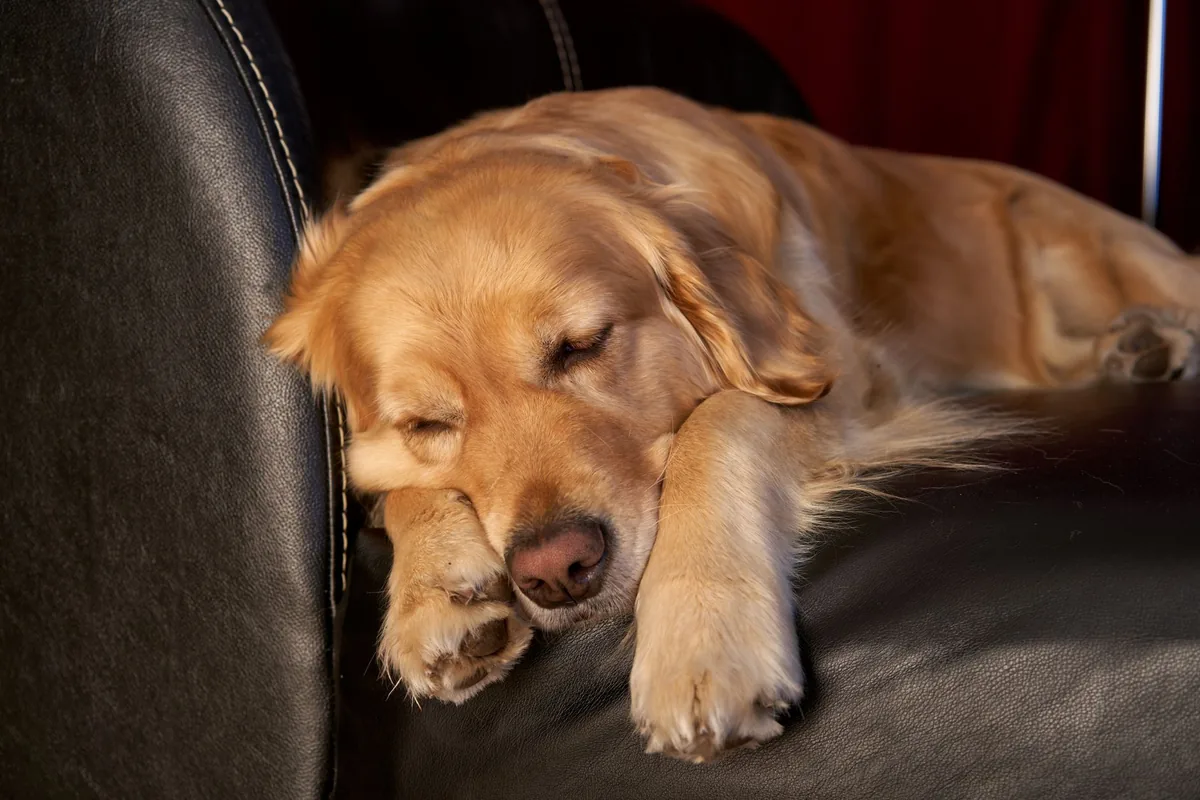
It’s 9 p.m., and your senior Golden Retriever, Bella, is lying on the couch instead of trotting to the kitchen for her evening snack. When you gently lift her paw, you notice her muscles feel softer than usual, and her gums look a shade paler. Your heart races as you type “why won’t my dog get up?” into the search bar. You’re not alone—many owners discover that a hidden hormone problem can masquerade as simple “old‑dog” fatigue.
Non‑inflammatory myopathy of endocrine origin (sometimes called endocrine‑associated myopathy) is a muscle‑wasting condition triggered by disorders like Cushing’s disease, hypothyroidism, or excess growth hormone. It’s not caused by inflammation, infection, or trauma, but by the way abnormal hormones interfere with muscle metabolism.
In this guide we’ll walk you through what the condition is, why it happens, what signs to watch for, how vets confirm the diagnosis, treatment and diet options, expected costs, and how to keep your dog thriving long‑term. We’ll also give you a clear action plan for when to call your vet right now.
What is non‑inflammatory myopathy of endocrine origin in dogs?
At its core, non‑inflammatory myopathy of endocrine origin is a disorder where hormonal imbalances cause muscle cells to break down faster than they can be rebuilt. Unlike inflammatory myopathies, there is no immune‑mediated attack on muscle tissue; instead, excess cortisol, low thyroid hormone, or other hormonal shifts disrupt protein synthesis and energy use in the muscles.
The condition is relatively uncommon, accounting for roughly 5–10 % of all canine myopathies reported in specialty clinics, according to the American College of Veterinary Internal Medicine (ACVIM). It most often affects adult to senior dogs (ages 7 years and up) but can appear in younger dogs with severe endocrine disease.
What causes it?
Hormonal disorders that can lead to non‑inflammatory myopathy include:
- Cushing’s disease (hyperadrenocorticism) – chronic high cortisol levels break down muscle protein.
- Hypothyroidism – low thyroid hormone slows metabolism, leading to muscle weakness and stiffness.
- Acromegaly (excess growth hormone) – rare, but can cause muscle fiber atrophy.
- Insulinoma or uncontrolled diabetes – chronic high blood sugar can impair muscle energy use.
- Excess glucocorticoid therapy – long‑term steroids prescribed for other conditions may have the same effect as Cushing’s.
Breed predisposition is modest, but middle‑to‑large breeds such as Labrador Retrievers, Golden Retrievers, and German Shepherds are seen more often simply because they are common in the senior population.
Signs and symptoms
Muscle weakness can be subtle at first and progress over weeks to months. Below is a quick guide to what you might notice.
| Stage | Typical signs |
|---|---|
| Mild | Reluctance to jump onto furniture, slower walks, slight “floppy” tail, mild muscle tremor after exercise. |
| Moderate | Difficulty rising from lying position, decreased stamina, noticeable muscle wasting in thighs and shoulders, pale gums. |
| Severe | Inability to stand without support, frequent falls, generalized muscle atrophy, respiratory effort may increase. |
Other clues that point specifically to an endocrine cause include a pot‑bellied appearance (Cushing’s), hair coat changes, increased thirst and urination, or a dull, dry coat (hypothyroidism). Many owners first think “just old age,” but the combination of muscle weakness with these systemic signs should raise suspicion.
When to call your vet
Call your regular vet today if you notice any of the mild‑to‑moderate signs listed above, especially if they are paired with increased thirst, urination, or coat changes.
Go to an emergency clinic right now if your dog cannot rise, is collapsing, or shows rapid breathing, severe weakness, or fainting. These could indicate a crisis such as severe hypoglycemia from an insulinoma or a life‑threatening electrolyte imbalance.
Remember: this article is for information only and does not replace a hands‑on veterinary examination.
How vets diagnose it
Diagnosis is a stepwise process that rules out inflammatory, infectious, or traumatic causes and then pinpoints the hormonal driver.
- History and physical exam – Your vet will ask about onset, progression, appetite, thirst, urination, and coat changes, then palpate muscles for tone and atrophy.
- Blood chemistry – A complete blood count (CBC) and serum chemistry panel often reveal elevated creatine kinase (CK), a marker of muscle damage, plus abnormalities linked to specific endocrine disorders (e.g., high ALP in Cushing’s, low T4 in hypothyroidism).
- Endocrine testing – ACTH stimulation test for Cushing’s, low‑dose dexamethasone suppression test, thyroid panel (total T4, free T4, TSH), and IGF‑1 measurement for growth hormone excess.
- Imaging – Abdominal ultrasound can identify adrenal tumors (Cushing’s) or pancreatic nodules (insulinoma). Thoracic radiographs may be needed if a tumor is suspected.
- Electromyography (EMG) – Shows characteristic electrical patterns of myopathy without inflammation.
- Muscle biopsy – Rarely required, but histopathology can confirm non‑inflammatory changes and rule out inflammatory myositis.
All of these tests together help your vet match the muscle weakness to an underlying hormone problem, guiding targeted therapy.
Treatment options
Medical treatment
Therapy focuses on correcting the hormonal imbalance and supporting the muscles.
- For Cushing’s disease – Drugs such as trilostane (Vetoryl) or mitotane are the standard of care. Your vet will adjust the dose based on blood cortisol levels.
- For hypothyroidism – Levothyroxine (synthetic T4) is given daily; most dogs improve within 2–4 weeks.
- For acromegaly – Surgical removal of a pituitary tumor or medical management with pasireotide may be considered.
- Supportive medications – Low‑dose NSAIDs can ease discomfort, and antioxidants like vitamin E may help protect muscle cells. Always ask your vet about these options.
Because muscle regeneration takes time, many vets also prescribe a short course of oral glucocorticoids at a low dose to reduce any secondary inflammation, but this is carefully balanced against the risk of worsening muscle breakdown.
Supplements and supportive care
Evidence‑based adjuncts that can aid recovery include:
- Omega‑3 fatty acids (EPA/DHA) – Reduce systemic inflammation and support muscle membrane health. A daily fish‑oil supplement (500 mg EPA/DHA per 10 kg body weight) is a common recommendation.
- High‑quality protein – Adding a digestible protein source (e.g., cooked chicken breast or a whey‑protein supplement) can help rebuild muscle mass.
- Vitamin B‑complex – Supports energy metabolism, especially in hypothyroid dogs.
- Probiotics – May improve gut health, which is important because many endocrine drugs affect gastrointestinal function.
Supplements should be discussed with your vet to avoid interactions with prescribed medications.
Procedures or surgery
If an adrenal tumor is the source of Cushing’s, surgical removal (adrenalectomy) offers a potential cure but carries a 20–30 % peri‑operative mortality risk. Recovery can take 2–4 weeks, and post‑operative hormone monitoring is essential. Costs range from $5,000–$9,000 (US) or £3,800–£6,500 (UK), depending on the facility.
Diet and nutrition
Nutrition plays a central role in managing endocrine myopathy because the muscles need readily available energy and building blocks while the endocrine disorder is being treated.
| What to feed | What to limit | What to avoid |
|---|---|---|
| Highly digestible, moderate‑to‑high quality protein (18‑25 % of calories). Examples: boiled chicken, turkey, or commercial senior formulas meeting AAFCO nutrient profiles. | Excess simple carbohydrates – can worsen insulin resistance in Cushing’s. Limit grain‑heavy kibble to < 20 % of diet. | High‑fat treats and fried foods – increase cortisol‑related lipid abnormalities. |
| Omega‑3 enriched fish oil or EPA/DHA supplements. | Excess calcium – can predispose to renal stress in older dogs. | Raw bone‑in‑food diets unless veterinary‑supervised – risk of hypercalcemia and uncontrolled vitamin D. |
| Added antioxidants (vitamin E, selenium) if recommended by your vet. | Artificial sweeteners (xylitol) – toxic to dogs. | Any food containing onion or garlic powders. |
For dogs with Cushing’s, a diet lower in sodium helps manage hypertension that often accompanies the disease. For hypothyroid patients, a diet enriched with iodine and selenium supports thyroid function, but supplementation should be veterinary‑guided.
When transitioning to a therapeutic diet, do so gradually over 7–10 days, mixing increasing amounts of the new food with decreasing amounts of the old. This helps prevent gastrointestinal upset, which can be more problematic in dogs already dealing with hormone‑related GI changes.
Hydration is also essential. Provide fresh water at all times, and consider adding a splash of low‑salt broth to encourage intake if your dog seems picky.

Cost and prognosis
Financial considerations vary widely based on the underlying endocrine disorder, required diagnostics, and treatment plan.
| Service | US estimate | UK estimate |
|---|---|---|
| Initial blood work (CBC, chemistry, CK) | $150–$250 | £80–£150 |
| Endocrine panel (ACTH test, thyroid panel) | $200–$350 | £120–£250 |
| Abdominal ultrasound | $300–$500 | £200–£350 |
| Medication (trilostane 30 mg) | $40–$70 per month | £30–£55 per month |
| Levothyroxine (tablet) | $15–$30 per month | £10–£20 per month |
| Surgical adrenalectomy (if needed) | $5,000–$9,000 | £3,800–£6,500 |
Most dogs respond well to hormone‑modulating therapy, with improvement in muscle strength seen in 60–80 % of cases within 2–3 months. The prognosis is generally good when the endocrine disease is well‑controlled; however, untreated Cushing’s or severe hypothyroidism can lead to progressive muscle loss and reduced quality of life.
Pet insurance often covers blood work, endocrine testing, and medications, but surgical interventions may have limited coverage. Checking your policy’s specifics can prevent surprise bills.
Prevention and home care
Because the myopathy is secondary to an endocrine disorder, primary prevention focuses on early detection and management of hormonal disease.
- Annual wellness exams that include a basic endocrine screen for senior dogs.
- Maintain a healthy weight; obesity worsens insulin resistance and cortisol production.
- Use flea‑tick preventatives that do not contain glucocorticoids, as some older products can affect hormone balance.
- Monitor water intake, appetite, and coat condition; any sudden changes should prompt a vet call.
- For dogs on long‑term steroid therapy, ask your vet about periodic tapering or alternative medications to reduce muscle‑wasting risk.
At home, gentle, low‑impact exercises (short walks, slow stair climbs) keep muscles engaged without over‑exertion. Physical therapy or canine rehab programs can be especially helpful for dogs recovering from severe weakness.
From our vet team: “If you catch the hormonal cause early, most dogs bounce back to a normal, active life. The key is to keep an eye on subtle changes—like a slight reluctance to jump or a softer coat—and bring them in before the muscle loss becomes severe. A balanced diet, consistent medication, and regular re‑checks are the trio that turns a scary diagnosis into a manageable condition.”
Key takeaways
- Non‑inflammatory myopathy of endocrine origin is caused by hormone disorders such as Cushing’s or hypothyroidism and presents as progressive muscle weakness.
- Early signs include reluctance to jump, slower walks, and a “floppy” tail; pair these with endocrine clues like increased thirst or a dull coat.
- Diagnosis combines blood work (CK, endocrine panels), imaging, and sometimes EMG or muscle biopsy to rule out inflammatory causes.
- Treatment targets the underlying hormone imbalance (trilostane for Cushing’s, levothyroxine for hypothyroidism) and includes supportive nutrition and omega‑3 supplementation.
- Prognosis is good when the endocrine disease is controlled; most dogs regain strength within a few months.
- Regular wellness exams, weight management, and a muscle‑supportive diet are the best ways to prevent recurrence.
Myth vs. fact
Myth: All myopathies in dogs are inflammatory and require steroids.
Fact: Non‑inflammatory myopathy of endocrine origin is driven by hormone imbalances, not immune attack, and is treated primarily by correcting the endocrine disorder, not by immunosuppressive steroids.
Myth: If a dog looks “old,” muscle weakness is just normal aging.
Fact: While some slowdown is normal, sudden or progressive weakness, especially with endocrine signs, warrants veterinary evaluation because it can be reversible.
Myth: Dietary changes alone can cure endocrine myopathy.
Fact: Nutrition supports muscle health, but without addressing the underlying hormone problem, diet alone cannot resolve the condition.
Frequently asked questions
What is the typical cost of therapy and follow‑up care?
Initial diagnostics (blood work, endocrine panel, ultrasound) usually run $650‑$1,100 in the US; monthly medication costs range from $15‑$70 depending on the drug. Surgery for adrenal tumors can exceed $5,000.
Is endocrine myopathy life‑threatening?
When the underlying hormone disorder is uncontrolled, muscle loss can become severe and affect breathing or mobility, which can be life‑threatening. However, with proper treatment most dogs have a good quality of life and a favorable prognosis.
How does treatment differ from inflammatory myopathy?
Inflammatory myopathies are managed with immunosuppressive drugs (e.g., prednisone, cyclosporine). Endocrine myopathy focuses on hormone‑modulating agents (trilostane, levothyroxine) and supportive nutrition, because the muscle issue is secondary to the hormone problem.
Can diet alone prevent endocrine myopathy?
Diet helps maintain muscle mass and can support hormone balance, but it cannot prevent the hormonal disorders that cause the myopathy. Regular veterinary screening is essential for early detection.
What hormones cause myopathy in dogs?
Excess cortisol (Cushing’s), deficient thyroid hormone (hypothyroidism), and excess growth hormone (acromegaly) are the primary hormones linked to this condition.
How long does recovery take?
Most dogs show measurable improvement within 2–3 months of starting hormone therapy, but full muscle rebuilding can take 4–6 months. Ongoing monitoring ensures the endocrine disease stays under control.
Ask the PuppaDogs community
Have a question this article didn’t fully answer? Want to compare notes with other dog owners who’ve been through this? Our community forum is moderated by experienced owners and vets — and answers tend to come fast. Ask in the PuppaDogs community →
References
- American College of Veterinary Internal Medicine (ACVIM). “Guidelines for Diagnosis and Management of Canine Hyperadrenocorticism.” 2022.
- American Veterinary Medical Association (AVMA). “Canine Hypothyroidism: Clinical Signs and Treatment.” 2021.
- Merck Veterinary Manual. “Myopathies in Dogs.” Updated 2023.
- AAHA. “Canine Endocrine Disorders – Clinical Practice Guidelines.” 2023.
- Cornell University College of Veterinary Medicine. “Endocrine Testing in Dogs.” 2022.
- World Small Animal Veterinary Association (WSAVA). “Nutritional Recommendations for Dogs with Endocrine Disease.” 2021.
- Plumb’s Veterinary Drug Handbook. “Trilostane and Levothyroxine Use in Dogs.” 9th edition, 2020.
- UC Davis Veterinary Medicine. “Canine Muscle Enzyme (CK) Reference Intervals.” 2022.
- AKC. “Breed Predispositions to Endocrine Disorders.” 2023.


