















Quick take: Microsporidiosis (Encephalitozoonosis) is a rare parasitic infection in dogs caused by tiny fungi of the genus Encephalitozoon. It can affect the gut, eyes, kidneys, or brain, often showing up as chronic diarrhea, eye inflammation, or neurologic wobbliness. Prompt veterinary testing, targeted medication, and supportive care usually lead to a good outcome, but untreated disease can become life‑threatening.
It’s 11 p.m., you’re scrolling through your phone, and your three‑year‑old dachshund, Milo, is lying still on the couch, his eyes a little clouded and his stomach growling louder than usual. You notice his stool is looser than normal and the usual sparkle in his eyes seems dimmed. The worry spikes, and you wonder: “Is this something I can handle at home, or do I need to rush to the vet?”
Microsporidiosis, also called Encephalitozoonosis, is a fungal‑like parasite that can silently infiltrate several organ systems in dogs. While most owners never encounter it, the infection can be serious if missed. In this guide we’ll explain what the parasite is, how it spreads, what signs to watch for, how vets confirm it, treatment options, costs, diet tips, and how you can prevent it in your home or kennel.
Our vet team has answered dozens of similar questions, from “Why is my senior pug vomiting blood‑streaked stool?” to “Can my puppy’s eye redness be a parasite?” We’ll walk through the most common concerns so you know exactly what to do tonight and what to expect in the weeks ahead.
What is Parasitic Infection (Microsporidiosis Encephalitozoonosis) in Dogs?
Microsporidia are microscopic, spore‑forming organisms that belong to the fungal kingdom, though they behave like intracellular parasites. The species most relevant to dogs are Encephalitozoon cuniculi and Encephalitozoon hellem. These organisms invade cells, replicate, and release spores that can spread to other tissues.
In dogs, infection is relatively uncommon but can occur worldwide. Studies from the American College of Veterinary Internal Medicine (ACVIM) suggest that less than 1 % of dogs tested for unexplained chronic disease test positive for Encephalitozoon spp. The disease is opportunistic—healthy adult dogs often clear it without signs, while puppies, seniors, and immunocompromised dogs are at higher risk.
What causes it?
Microsporidia reach dogs through several routes:
- Environmental exposure: Spores survive in soil, water, and contaminated surfaces for weeks. Dogs that play in damp yards, drink from puddles, or chew raw bone can ingest spores.
- Vertical transmission: Infected mothers can pass spores to puppies via the placenta or milk, especially when the dam is immunosuppressed.
- Immune compromise: Dogs on long‑term steroids, chemotherapy, or with chronic illnesses (e.g., diabetes) are more likely to develop clinical disease.
- Kennel or shelter crowding: High‑density housing facilitates fecal‑oral spread, making outbreaks more common in boarding facilities.
Signs and symptoms
Because Encephalitozoon spp. can affect multiple organs, the clinical picture varies. Early signs are often subtle, while severe disease can involve organ failure.
| Severity | Typical signs |
|---|---|
| Mild | Intermittent soft stool, mild eye redness, occasional loss of appetite. |
| Moderate | Persistent diarrhea (sometimes with blood), conjunctival swelling, tremors or unsteady gait, increased thirst. |
| Severe | Severe watery or hemorrhagic diarrhea, uveitis leading to vision loss, seizures, renal failure, marked weight loss. |
Key organ‑specific clues include:
- Gastrointestinal: Chronic, watery diarrhea that may wax and wane; occasional mucus or blood.
- Ocular: Cloudy corneas, uveitis (red, painful eyes), or discharge.
- Neurologic: Ataxia (uncoordinated movement), head tilts, seizures, or behavioral changes.
- Renal: Increased urination, dehydration, or elevated blood urea nitrogen (BUN) on lab work.
When to call your vet
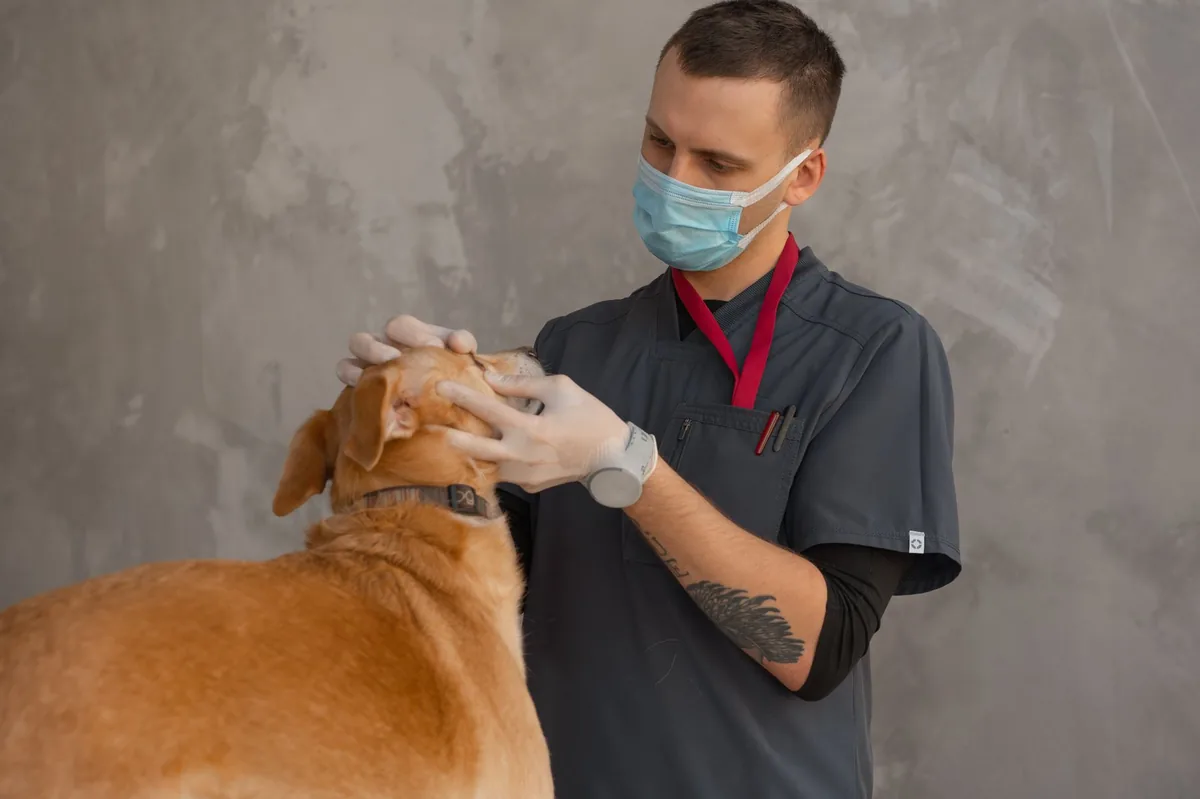
Call your vet today if you notice any of the following:
- Persistent diarrhea lasting more than 48 hours.
- Redness, swelling, or discharge from either eye.
- Unsteady gait, tremors, or sudden behavior changes.
- Increased thirst or urination without a clear cause.
Go to an emergency veterinary hospital right now if you see:
- Severe hemorrhagic diarrhea or vomiting.
- Signs of pain in the abdomen or eyes (whimpering, pawing at the face).
- Seizures, collapse, or inability to stand.
- Rapid breathing or pale gums indicating possible shock.
This information is for educational purposes only and is not a substitute for professional veterinary care.
How vets diagnose it
Because the spores are tiny and often hidden, diagnosis relies on a combination of history, lab work, and sometimes imaging.
- History and physical exam: Your vet will ask about exposure to water, raw diets, or recent kennel stays, and will look for eye or neurologic signs.
- Fecal PCR: Polymerase‑chain‑reaction testing on a fresh stool sample detects Encephalitozoon DNA with high sensitivity. The American Veterinary Medical Association (AVMA) recommends this as the first line test for suspected microsporidiosis.
- Serology: Blood tests measuring antibodies (IgG) can indicate exposure, but a positive result does not always mean active disease.
- Urine PCR or cytology: Useful when kidney involvement is suspected.
- Imaging: Ultrasound may reveal renal changes; MRI or CT can identify brain lesions if neurologic signs are present.
- Biopsy: In rare, refractory cases, a tissue sample (e.g., from the kidney or brain) is examined under special stains to confirm intracellular spores.
Treatment options
Medical treatment
Effective drugs target the parasite’s ability to replicate. The most commonly used agents include:
- Albendazole: An anthelmintic that interferes with microsporidian DNA synthesis. Your vet will prescribe it based on your dog’s weight and disease severity. Ask your vet about this option.
- Fumagillin: An antimicrobial that blocks spore formation. It is often combined with supportive fluids. Ask your vet about this option.
- Trimethoprim‑sulfamethoxazole (TMP‑SMX): A broad‑spectrum antibiotic that has shown activity against Encephalitozoon spp. in several studies (AAHA 2022 guidelines). Ask your vet about this option.
Supportive care—IV fluids, anti‑emetics, and pain control—helps manage dehydration and discomfort. If ocular inflammation is severe, topical steroids may be prescribed under veterinary supervision.
Supplements and supportive care
While supplements cannot cure the infection, they can aid recovery:
- Omega‑3 fatty acids (EPA/DHA): Reduce inflammation in the gut and eyes. A daily dose of 50–100 mg per kg body weight is typical for dogs; ask your vet for a brand that meets AAFCO standards.
- Probiotics: Strains such as Lactobacillus acidophilus help restore normal gut flora after antimicrobial therapy.
- Renal‑support supplements: For dogs with kidney involvement, products containing omega‑3s and low‑phosphorus ingredients may be beneficial.
Procedures or surgery
Surgery is rarely required for microsporidiosis itself. However, if a dog develops severe cataracts or irreversible kidney damage, surgical removal of the eye (enucleation) or dialysis may be considered. Recovery from such procedures can take 2–4 weeks and typically costs between $1,200 USD and $4,500 USD in the United States, depending on the facility.
Diet and nutrition
Nutrition plays a supportive role while your dog fights the infection and recovers. The goal is to provide easily digestible, high‑quality protein, maintain hydration, and avoid foods that stress the kidneys or eyes.
| Do feed | Limit | Avoid |
|---|---|---|
| Cooked, lean meats (chicken, turkey) and low‑fat cottage cheese; wet foods with high moisture content; probiotic‑enhanced kibble. | Raw bone meals (risk of spore contamination); treats high in fat; excessive dairy. | High‑phosphorus foods (certain fish, organ meats); salty snacks; foods with artificial additives. |
When the gut is inflamed, a diet of boiled chicken and rice or a commercial gastrointestinal therapeutic formula (e.g., “renal‑support” or “gastro‑intestinal” label) can reduce irritation. If your dog shows kidney involvement, a prescription renal diet—low in protein, phosphorus, and sodium—helps slow progression. Transition to a new diet gradually over 5–7 days to avoid upsetting the stomach.
Hydration is crucial. Offer fresh water frequently, and consider adding low‑sodium broth to encourage fluid intake. For puppies or senior dogs, feeding smaller, more frequent meals (3–4 times daily) can improve nutrient absorption.
Our team often suggests a short‑term supplement plan: Omega‑3 fish oil capsules (1 capsule per 10 lb body weight daily) and a probiotic powder mixed into meals (1 g per 5 lb). Always discuss dosage with your vet.
Cost and prognosis
Below are typical cost ranges for diagnosing and treating microsporidiosis in the United States and United Kingdom (prices are estimates and can vary by clinic, region, and insurance coverage).
| Service | US (USD) | UK (GBP) |
|---|---|---|
| Initial exam + blood work | $150–$250 | £80–£130 |
| Fecal PCR test | $120–$200 | £70–£120 |
| Serology (antibody) test | $80–$130 | £45–£80 |
| Imaging (ultrasound or MRI) | $300–$800 | £180–£450 |
| Medication (e.g., albendazole 10‑day course) | $50–$120 | £30–£70 |
| Supportive care (IV fluids, anti‑emetics) | $200–$500 per day | £120–£300 per day |
Overall, total treatment can range from $600 to $2,500 USD (or £350–£1,200 GBP), depending on disease severity and whether hospitalization is needed. Many pet insurance plans cover diagnostics and medication but may limit coverage for extended hospitalization.
Prognosis varies:
- Early‑detected, localized infection (e.g., only GI signs): >90 % chance of full recovery with appropriate therapy.
- Neurologic or renal involvement: 60–80 % chance of significant improvement; some dogs may retain mild deficits.
- Severe, multi‑organ disease: Mortality can exceed 30 % despite aggressive treatment.
Factors that improve outcome include prompt diagnosis, good nutritional support, and a strong immune system.
Prevention and home care
Because spores are resilient, prevention focuses on hygiene and minimizing exposure:
- Clean water sources: Provide fresh, filtered water daily. Avoid letting dogs drink from stagnant ponds or puddles.
- Sanitize environments: Disinfect kennels, dog runs, and feeding bowls with a diluted bleach solution (1 part bleach to 32 parts water) weekly.
- Limit raw diets: If you feed raw, freeze meat at –20 °C for at least 48 hours to reduce spore viability.
- Separate vulnerable dogs: Keep puppies, seniors, and immunocompromised dogs away from high‑traffic areas.
- Regular veterinary check‑ups: Annual health screens can catch early immune deficits that predispose to infection.
In kennel settings, a prophylactic regimen of fenbendazole (a broad‑spectrum dewormer) administered every 3 months has been shown by the World Small Animal Veterinary Association (WSAVA) to reduce microsporidian shedding, though no vaccine currently exists for dogs.
Vet’s note
From our vet team: “If your dog is showing eye redness or a wobbly gait, think of Encephalitozoon as a possible culprit, especially if they’ve been in a crowded environment. Early fecal PCR testing and a short course of albendazole often turn the tide. Keep the diet bland, hydrate well, and don’t hesitate to call us if symptoms worsen.”
Key takeaways
- Microsporidiosis (Encephalitozoonosis) is a rare but treatable fungal‑like infection that can affect the gut, eyes, brain, or kidneys.
- Watch for chronic diarrhea, eye inflammation, or neurologic wobbliness—these are the most common red flags.
- Diagnosis relies on fecal PCR, serology, and sometimes imaging; early testing improves outcomes.
- Standard medical therapy includes albendazole, fumagillin, or TMP‑SMX, always prescribed by your vet.
- Supportive nutrition—easily digestible protein, omega‑3s, and plenty of fresh water—helps recovery.
- Good hygiene, filtered water, and limiting raw diets are the best ways to prevent infection, especially in kennels.
Myth vs. fact
Myth: Microsporidiosis is only a concern for stray dogs.
Fact: While stray and shelter dogs have higher exposure, any dog that drinks contaminated water or eats raw meat can become infected.
Myth: If the stool looks normal, the dog cannot have microsporidiosis.
Fact: Spores can be present without obvious diarrhea; blood tests or PCR are needed for confirmation.
Myth: There is a vaccine that protects dogs from Encephalitozoon.
Fact: No vaccine exists for dogs; prevention relies on hygiene and, in high‑risk settings, prophylactic deworming.
Frequently asked questions
What does microsporidiosis look like in a dog’s stool?
Microsporidiosis often causes soft, watery stool that may contain mucus or small amounts of blood. The stool can appear normal between flare‑ups, so testing is needed for a definitive diagnosis.
How quickly do symptoms appear after a dog is exposed to Encephalitozoon spores?
Incubation periods range from 7 to 21 days, but immunocompromised dogs can develop signs within a few days of exposure.
Is there a blood test that can confirm Encephalitozoonosis in dogs?
Serology can detect antibodies, indicating exposure, but a positive result doesn’t prove active infection. A definitive diagnosis usually requires fecal PCR or tissue biopsy.
What medications are most effective against canine microsporidiosis?
Albendazole, fumagillin, and trimethoprim‑sulfamethoxazole are the primary drugs shown to reduce parasite load. Your vet will choose the best option based on your dog’s age, weight, and organ involvement.
Will my dog need long‑term medication after treatment?
Most dogs complete a 10‑ to 14‑day course and then stop medication. However, dogs with chronic kidney or eye disease may need ongoing supportive care and periodic monitoring.
Can microsporidiosis cause eye or brain problems in dogs?
Yes. Encephalitozoon spp. can invade the eye, causing uveitis, and the brain, leading to ataxia, seizures, or behavioral changes. Prompt treatment can often prevent permanent damage.
Ask the PuppaDogs community
Have a question this article didn’t fully answer? Want to compare notes with other dog owners who’ve been through this? Our community forum is moderated by experienced owners and vets — and answers tend to come fast. Ask in the PuppaDogs community →
References
- American College of Veterinary Internal Medicine (ACVIM). “Guidelines for Diagnosis of Microsporidial Infections in Dogs,” 2022.
- American Animal Hospital Association (AAHA). “Treatment Recommendations for Encephalitozoonosis,” 2022.
- Merck Veterinary Manual. “Microsporidia (Encephalitozoon) Infections,” 2023 edition.
- World Small Animal Veterinary Association (WSAVA). “Kennel Hygiene and Parasite Control,” 2021.
- American Veterinary Medical Association (AVMA). “Fecal PCR Testing for Parasitic Infections,” 2022.
- Cornell College of Veterinary Medicine. “Canine Ocular Diseases: Encephalitozoon‑related Uveitis,” 2023.
- UC Davis School of Veterinary Medicine. “Management of Chronic Diarrhea in Dogs,” 2022.
- AAFA (American Academy of Feline and Canine Nutrition). “Nutritional Support for Dogs with Renal Disease,” 2022.


