












Quick take: Aspiration pneumonia in dogs is a lung infection caused by inhaling food, liquid, or vomit into the airways. It can be life‑threatening, especially in senior or post‑surgical dogs, but early detection, prompt veterinary care, and supportive treatment often lead to full recovery.
It’s 11 p.m., and you’ve just noticed your 12‑year‑old Labrador isn’t greeting you at the door. Instead, he lies on his side, breathing a little faster than usual, and his gums look a shade paler. You remember the vet mentioning “aspiration pneumonia” after his recent surgery, and a quick search later you’re staring at a screen filled with medical jargon. Your heart races, but you’re not alone—many owners spot these same early clues.
We get it. The mix of worry, Googling, and the urgent need to know what to do next can feel overwhelming. Below, we walk through everything you need to know about aspiration pneumonia in dogs: what it is, why it happens, how to spot it, what the vet will do, how much it might cost, and how you can help your furry friend recover and stay healthy.
By the end of this guide you’ll have a clear action plan, realistic expectations for recovery, and tips to prevent a repeat episode. Let’s dive in.
What is aspiration pneumonia in dogs?
Aspiration pneumonia occurs when material—usually food, liquid, or vomit—enters the trachea (windpipe) and lungs instead of staying in the esophagus (food pipe). The foreign material irritates the lung tissue, leading to inflammation, infection, and sometimes fluid buildup. In dogs, this condition is distinct from “ordinary” pneumonia, which is typically caused by bacteria, viruses, or fungi that reach the lungs on their own.
While any dog can develop aspiration pneumonia, studies from the American College of Veterinary Internal Medicine (ACVIM) suggest it accounts for roughly 5‑10 % of all canine pneumonia cases seen in referral hospitals. Senior dogs, brachycephalic breeds (like Bulldogs and Pugs), and dogs recovering from anesthesia are over‑represented.
What causes it?
Multiple factors can predispose a dog to aspirate. Below is a quick overview of the most common categories.
| Category | Typical Triggers |
|---|---|
| Gastro‑esophageal reflux or vomiting | Rapid eating, high‑fat meals, underlying GI disease, motion sickness |
| Neurologic or muscular weakness | Stroke, myasthenia gravis, advanced age, certain medications |
| Post‑operative or anesthetic events | Recent surgery, especially abdominal or thoracic, intubation complications |
| Breed‑related anatomic factors | Brachycephalic airway syndrome, elongated soft palate, esophageal dysmotility in breeds like Labrador Retrievers |
| Foreign body ingestion | Eating too quickly, swallowing toys or bones |
Other risk factors include chronic kidney disease (which can cause nausea), endocrine disorders like Addison’s disease, and the use of sedatives that depress the gag reflex.
Signs and symptoms
Early signs are often subtle, but they can quickly progress to severe respiratory distress. Recognizing the pattern can buy you crucial hours.
| Severity | Typical Signs |
|---|---|
| Mild | Reduced appetite, occasional coughing after meals, slight lethargy, pale or pink gums |
| Moderate | Frequent coughing, gagging, rapid breathing (tachypnea), fever, nasal discharge, mild wheezing |
| Severe | Labored breathing, blue‑tinged gums (cyanosis), collapse, high fever, inability to stand, vomiting of frothy fluid |
Because aspiration pneumonia often follows a vomiting episode, owners may notice a wet “wet‑look” around the mouth or a sudden drop in energy shortly after your dog ate or drank.
When to call your vet
Call your vet today if you notice:
- Persistent coughing or gagging after meals
- Rapid breathing, wheezing, or difficulty catching breath
- Fever (temperature above 103 °F/39.4 °C)
- Pale or bluish gums
- Vomiting that looks like foam or contains food
Go to an emergency veterinary hospital right now if you see:
- Severe labored breathing or open‑mouth panting
- Blue‑tinged gums or tongue (cyanosis)
- Collapse or inability to stand
- Sudden, dramatic change in behavior such as extreme lethargy or confusion
These are red‑flag signals that the infection may be progressing quickly and oxygen therapy could be needed. This article is for information only and does not replace professional veterinary advice.
How vets diagnose it
The diagnostic workup usually follows a stepwise approach:
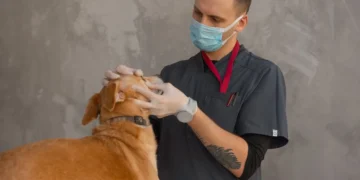
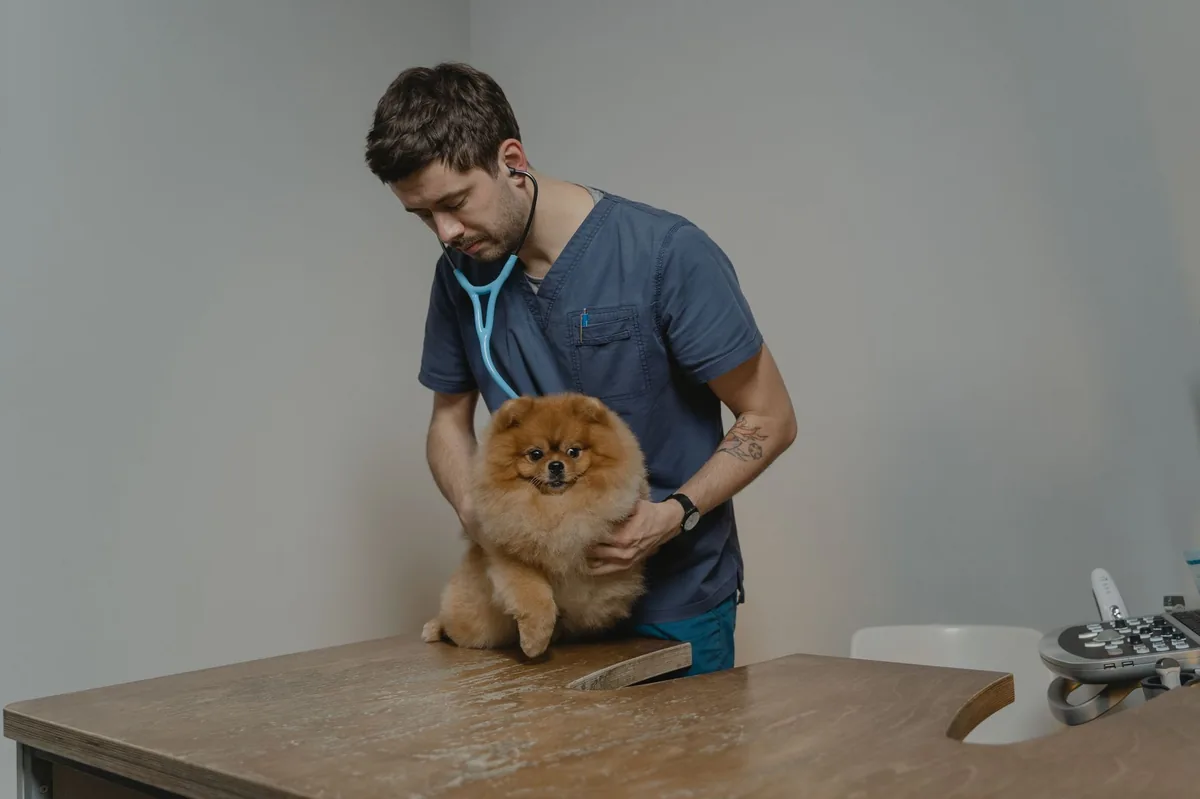
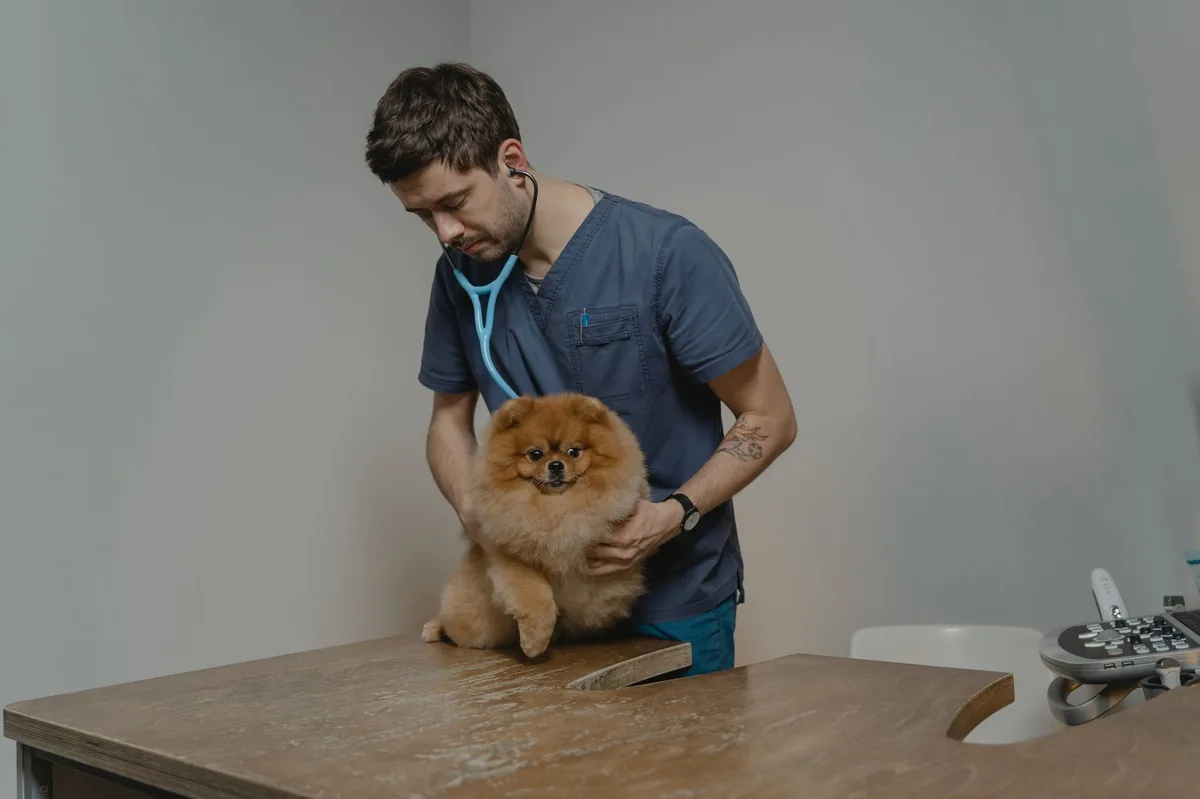
- History and physical exam: The vet asks about recent vomiting, surgery, medication changes, and observes breathing patterns, lung sounds, and gum color.
- Chest radiographs (X‑rays): Classic signs include a “patchy” infiltrate in the dependent (lower) lung lobes, often with a “ground‑glass” appearance. Radiographs help differentiate aspiration pneumonia from other lung infections.
- Blood work: A complete blood count (CBC) often shows a left shift (increase in immature neutrophils) indicating infection. Blood chemistry may reveal dehydration or organ involvement.
- Bronchoalveolar lavage (BAL): In more complex cases, a thin tube is passed into the airway to collect fluid for cytology and culture. This pinpoints the bacteria responsible, guiding antibiotic choice.
- Pulse oximetry and arterial blood gases: These measure oxygen levels and help decide if supplemental oxygen or intensive care is needed.
Most dogs are diagnosed based on the combination of clinical signs and radiographic findings. The BAL is rarely required but can be lifesaving when the infection doesn’t respond to first‑line antibiotics.
Treatment options
Medical treatment
Antibiotics are the cornerstone of therapy because the aspirated material often carries bacteria from the mouth or stomach. Commonly used drugs, as recommended by the AAHA and ACVIM, include:
- Amoxicillin‑clavulanate – a broad‑spectrum penicillin
- Enrofloxacin – a fluoroquinolone for resistant organisms
- Clindamycin – useful when anaerobic bacteria are suspected
- Metronidazole – often added for its anaerobic coverage
Ask your vet about these options; the exact choice depends on culture results, your dog’s weight, and any drug sensitivities. In addition to antibiotics, vets may prescribe:
- Bronchodilators (e.g., theophylline) to open airways
- Corticosteroids in selected cases to reduce severe inflammation
- Anti‑emetics (e.g., maropitant) to prevent further vomiting
Supplements and supportive care
Evidence supports a few adjuncts that can help recovery:
- Omega‑3 fatty acids (EPA/DHA): Reduce inflammation in the lungs; fish‑oil supplements are safe for most dogs.
- Probiotics: Help maintain gut health, especially when antibiotics are used.
- Vitamin C and E: Antioxidants that may aid tissue repair, though data are limited.
These are optional and should be discussed with your vet to ensure they don’t interfere with other medications.
Procedures or surgery
Most aspiration pneumonia cases are managed medically. In severe cases where fluid accumulates (pleural effusion) or a large foreign body is lodged, a thoracocentesis (needle drainage) or even a bronchoscopy may be performed. Recovery from such procedures usually adds an extra 1‑3 days of hospitalization and can increase total costs by $500‑$2,000 (US) or £400‑£1,600 (UK).
Diet and nutrition
Nutrition plays a vital role in recovery. The goal is to provide highly digestible, low‑fat, and easily absorbable calories while avoiding anything that could trigger reflux.
| Do feed | Limit | Avoid |
|---|---|---|
| Cooked, skinless chicken or turkey (boiled, no seasoning) | Raw meaty bones | High‑fat foods (e.g., bacon, cheese) |
| Low‑fat canned pumpkin for gentle fiber | Large kibble pieces | Spicy or heavily seasoned foods |
| Prescription renal or gastrointestinal diet (if recommended) | Table scraps | Chocolate, grapes, onions, or anything toxic |
Why these choices matter:
- Highly digestible protein: Reduces the workload on the gastrointestinal tract and supplies amino acids for lung tissue repair.
- Low fat: Decreases the risk of further vomiting or reflux, which can re‑aspirate material.
- Small, frequent meals: Helps keep the stomach from becoming overly full, lowering the chance of regurgitation.
If your vet suggests a therapeutic diet, they’ll likely recommend a “moderate‑calorie, highly digestible” formula—think of the type used for chronic gastrointestinal disease. You don’t need to buy a brand name; any diet that meets AAFCO nutrient profiles for “maintenance” and is low in fat will work. Transition to the new diet gradually over 3‑5 days to avoid gastrointestinal upset.
During recovery, keep fresh water available at all times, but monitor intake. Too much water too quickly can cause a “bloat‑like” sensation, especially in large‑breed dogs. Offer water in small, frequent sips and consider a shallow bowl to reduce gulping.
Cost and prognosis
Costs vary by region, severity, and whether your dog needs intensive care. Below is a rough estimate based on US and UK data from the American Animal Hospital Association (AAHA) and the Royal Veterinary College.
| Service | US (USD) | UK (GBP) |
|---|---|---|
| Initial exam & basic labs | $150‑$250 | £120‑£200 |
| Chest X‑ray (2 views) | $200‑$350 | £150‑£300 |
| Antibiotics (7‑10 days) | $80‑$150 | £70‑£130 |
| Hospitalization (per day) | $300‑$600 | £250‑£500 |
| Advanced procedures (BAL, thoracocentesis) | $500‑$2,000 | £400‑£1,600 |
Overall, owners typically spend $800‑$2,500 (UK £600‑£1,800) for a moderate case that requires a few days of hospitalization and follow‑up visits. Early detection can shorten the stay and lower the bill.
Prognosis is generally good when treatment starts promptly. The ACVIM reports survival rates of 70‑85 % for dogs that receive appropriate antibiotics and supportive care within 24‑48 hours of onset. Senior dogs or those with concurrent illnesses (e.g., heart disease) may have a slower recovery and a higher risk of relapse.
Prevention and home care
Preventing aspiration pneumonia is often a matter of managing risk factors:
- Feed slowly: Use slow‑feed bowls or puzzle feeders to discourage gulping.
- Elevate food bowls: Slightly raising the bowl can reduce the chance of regurgitation in large‑breed dogs.
- Post‑surgical care: Keep dogs calm, limit activity for 24‑48 hours after anesthesia, and follow your vet’s instructions on feeding timing.
- Monitor for nausea: If your dog vomits more than once, with or without food, contact the vet promptly.
- Regular dental care: Poor oral health increases bacterial load in the mouth, raising the risk of bacterial aspiration. Brush teeth or use dental chews approved by the VOHC (Veterinary Oral Health Council).
After your dog returns home, continue these habits and schedule a re‑check X‑ray (usually 2‑3 weeks later) to confirm the lungs have cleared. Your vet may also recommend a short course of probiotics to restore gut flora after antibiotics.
From our vet team: “Aspiration pneumonia can feel scary, but it’s often treatable when caught early. The most powerful tool you have is timing—if you notice coughing after a vomiting episode, call your vet right away. Most dogs bounce back with proper care, and the diet tweaks we recommend are simple, low‑cost changes that make a big difference.”
Key takeaways
- Aspiration pneumonia is caused by inhaling food, liquid, or vomit; it can become life‑threatening quickly.
- Early signs include coughing after meals, rapid breathing, and pale gums—don’t wait to call your vet.
- Diagnosis relies on history, chest X‑rays, and blood work; a bronchoalveolar lavage may be needed for stubborn infections.
- Treatment combines broad‑spectrum antibiotics, oxygen support, and supportive care; most dogs recover fully if treated promptly.
- Feed low‑fat, highly digestible meals in small frequent portions, and use slow‑feed bowls to lower future risk.
- Typical costs range $800‑$2,500 (UK £600‑£1,800); prognosis is good for early‑treated dogs, especially when senior or post‑surgical patients receive close monitoring.
Myth vs. fact
Myth: Aspiration pneumonia only happens to dogs that eat too fast.
Fact: While rapid eating is a risk factor, aspiration can also follow vomiting, anesthesia, neurological disease, or even a small foreign body.
Myth: Once a dog has pneumonia, antibiotics will always cure it.
Fact: Antibiotics target bacterial infection, but aspiration pneumonia also involves inflammation and sometimes fluid buildup; supportive care and sometimes additional procedures are essential.
Myth: Senior dogs can’t recover from a serious lung infection.
Fact: Many senior dogs regain normal activity levels after treatment, especially when the underlying cause is managed and nutrition is optimized.
Frequently asked questions
What causes aspiration pneumonia in dogs?
It occurs when material from the stomach or mouth—like food, vomit, or liquid—enters the lungs, usually after a vomiting episode, rapid eating, anesthesia, or a neurological problem that impairs swallowing.
What symptoms should I look for with aspiration pneumonia?
Watch for coughing after meals, gagging, rapid breathing, fever, pale or bluish gums, and any sudden change in energy or appetite. Severe breathing difficulty or collapse requires emergency care.
How do vets diagnose aspiration pneumonia in a dog?
The vet starts with a detailed history and physical exam, then orders chest X‑rays and blood work. In complex cases, a bronchoalveolar lavage may be performed to identify the specific bacteria.
What is the typical treatment plan for aspiration pneumonia?
Treatment usually includes broad‑spectrum antibiotics (like amoxicillin‑clavulanate), supplemental oxygen, anti‑emetics, and supportive care such as fluid therapy. In severe cases, hospitalization and procedures like thoracocentesis may be needed.
Can my dog fully recover from aspiration pneumonia?
Yes—most dogs recover fully when treatment begins early. Survival rates range from 70‑85 % according to ACVIM data, with many returning to normal activity within a few weeks.
How much does treatment for aspiration pneumonia usually cost?
In the United States, total costs typically fall between $800 and $2,500, covering exams, imaging, antibiotics, and a few days of hospitalization. UK owners can expect roughly £600‑£1,800. Costs rise if advanced procedures or prolonged ICU care are required.
Ask the PuppaDogs community
Have a question this article didn’t fully answer? Want to compare notes with other dog owners who’ve been through this? Our community forum is moderated by experienced owners and vets — and answers tend to come fast. Ask in the PuppaDogs community →
References
- American College of Veterinary Internal Medicine (ACVIM). “Aspiration Pneumonia in Small Animals.” 2022.
- American Animal Hospital Association (AAHA). “Guidelines for the Management of Canine Pneumonia.” 2023.
- Merck Veterinary Manual. “Pneumonia, Aspiration.” Updated 2022.
- World Small Animal Veterinary Association (WSAVA). “Respiratory Disease in Dogs.” 2021.
- Veterinary Oral Health Council (VOHC). “Dental Health Recommendations.” 2022.
- Cornell University College of Veterinary Medicine. “Post‑operative Care in Dogs.” 2023.
- Royal Veterinary College. “Cost of Veterinary Services in the UK.” 2022.
- American Veterinary Medical Association (AVMA). “Nutrition for Dogs Recovering from Illness.” 2022.


