





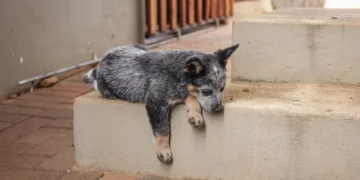










Quick take: Ascites in dogs is the buildup of fluid in the abdominal cavity, often a sign of serious underlying disease such as heart or liver problems. Early signs include a swollen belly, slowed activity, and pale gums. Prompt veterinary care—sometimes including fluid removal and medication—can improve quality of life, but the outlook depends on the root cause.
It’s 11 p.m., and your 8‑year‑old mixed‑breed hound, Buddy, isn’t greeting you at the door like he usually does. Instead, he shuffles across the hallway, his belly looking a little rounder than usual. You run a quick finger‑press on his abdomen and feel a soft “squishy” give‑away. The Googling starts, heart racing, and a wave of worry washes over you. You wonder if this is something you can fix at home or if it’s a sign of a deeper problem.
We get it. Many owners first notice ascites when a dog’s energy drops, the waistline expands, or the gums turn paler. The good news is that early detection and a clear treatment plan can make a big difference. In this guide we’ll explain what ascites is, why it happens, what you can see at home, how vets pinpoint the cause, and what treatment, diet, and cost considerations look like. By the end you’ll know exactly what steps to take next and when you must call your vet right away.
What is ascites in dogs?
Ascites is the medical term for fluid accumulation within the peritoneal cavity—the space that normally holds your dog’s abdominal organs. The fluid is usually a clear, straw‑colored plasma, but it can become blood‑tinged or contain pus if an infection is present. Ascites differs from normal abdominal distension (like a post‑meal “pot belly”) because the fluid is not part of digestion and does not disappear after a short walk.
In dogs, ascites is relatively uncommon but not rare. Studies from the American College of Veterinary Internal Medicine (ACVIM) suggest that 1–2 % of dogs seen at referral hospitals develop clinically evident ascites, most often as a complication of heart, liver, or cancer disease. While any breed can be affected, large breeds with predisposition to heart or liver disease (e.g., Doberman Pinschers, Boxers, and Labrador Retrievers) appear more frequently in case series.
What causes ascites?
Fluid builds up when pressures in the blood vessels or lymphatic system become abnormal, or when the liver can’t process fluid properly. The most common categories are:
| Cause | Typical Mechanism | Examples |
|---|---|---|
| Heart disease | Increased venous pressure from heart failure | Congestive heart failure, dilated cardiomyopathy, valvular disease |
| Liver disease | Reduced albumin production and portal hypertension | Cirrhosis, chronic hepatitis, hepatic neoplasia |
| Cancer | Obstruction of lymph drainage or direct fluid production by tumors | Abdominal sarcoma, lymphoma, hemangiosarcoma |
| Infections | Inflammation and exudate formation | Septic peritonitis, fungal infections (e.g., Blastomycosis) |
| Trauma or hemorrhage | Blood leaking into the abdomen | Blunt abdominal trauma, ruptured spleen |
Less common causes include endocrine disorders (hypothyroidism), hypoalbuminemia from protein‑losing kidney disease, and severe allergic reactions. In many cases, ascites is a symptom rather than a disease itself, so finding the underlying problem is the key to effective treatment.
Signs and symptoms
Owners often notice a change in the dog’s shape or behavior before a veterinarian confirms ascites. Early signs can be subtle, while severe cases become unmistakable.
| Severity | Signs you may notice |
|---|---|
| Mild | Rounded abdomen, slight reluctance to jump, mild lethargy, occasional “puffy” appearance after a long walk. |
| Moderate | Visible belly swelling, decreased appetite, pale or bluish gums, shallow breathing, occasional coughing. |
| Severe | Marked abdominal distension, difficulty breathing (especially when lying down), vomiting, collapse, very pale gums, obvious discomfort. |
Other clues include a “fluid wave” when you gently tap one side of the abdomen and feel a ripple on the opposite side, and a “shifting dullness” where the belly feels soft in one spot and firm in another. If your dog shows any of these signs, especially rapid swelling or breathing difficulty, you should act fast.
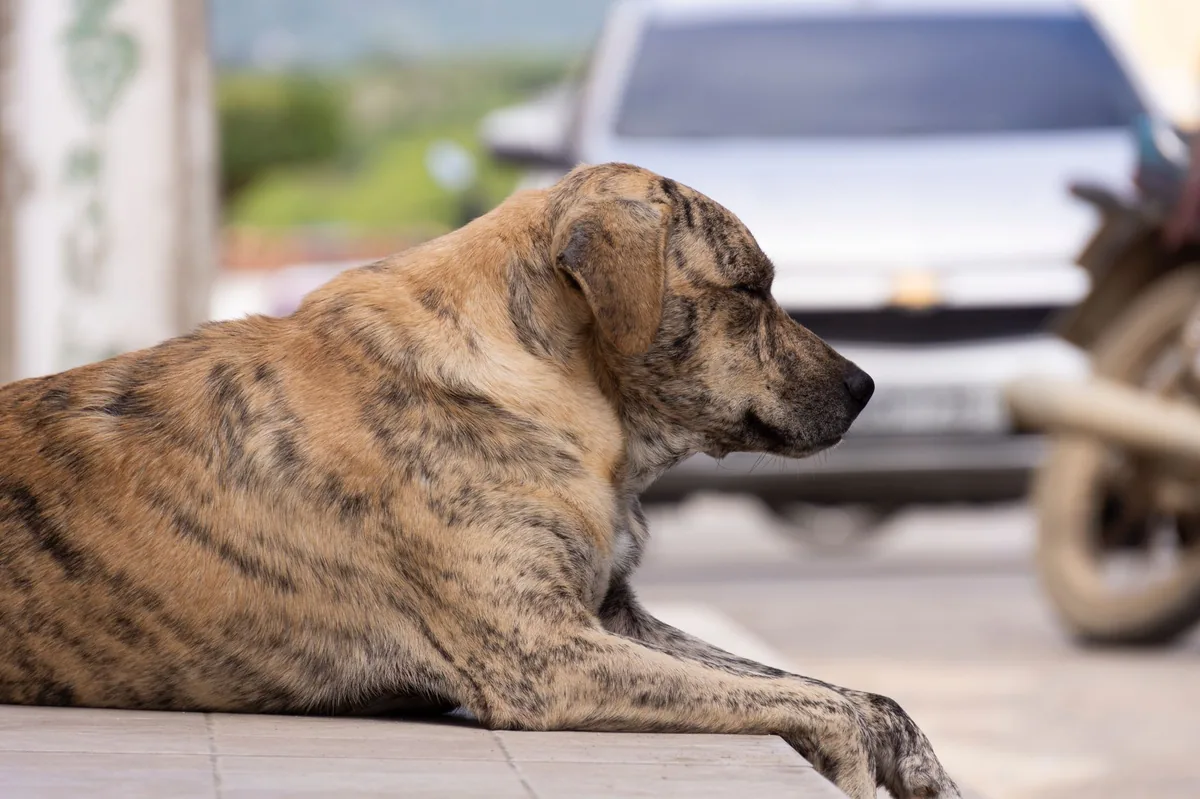
When to call your vet
Call your vet today if you notice:
- New or increasing abdominal swelling.
- Pale, bluish, or gray gums.
- Loss of appetite or sudden weight loss.
- Lethargy, weakness, or difficulty getting up.
Go to an emergency veterinary hospital right now if you see:
- Rapid breathing or labored panting.
- Vomiting with blood or a foul odor.
- Collapse, seizures, or severe pain (dog whines, trembles, or tries to hide).
- Sudden, massive abdominal distension that makes the dog unable to lie comfortably.
This article is for informational purposes only and does not replace an in‑person veterinary examination.
How vets diagnose ascites
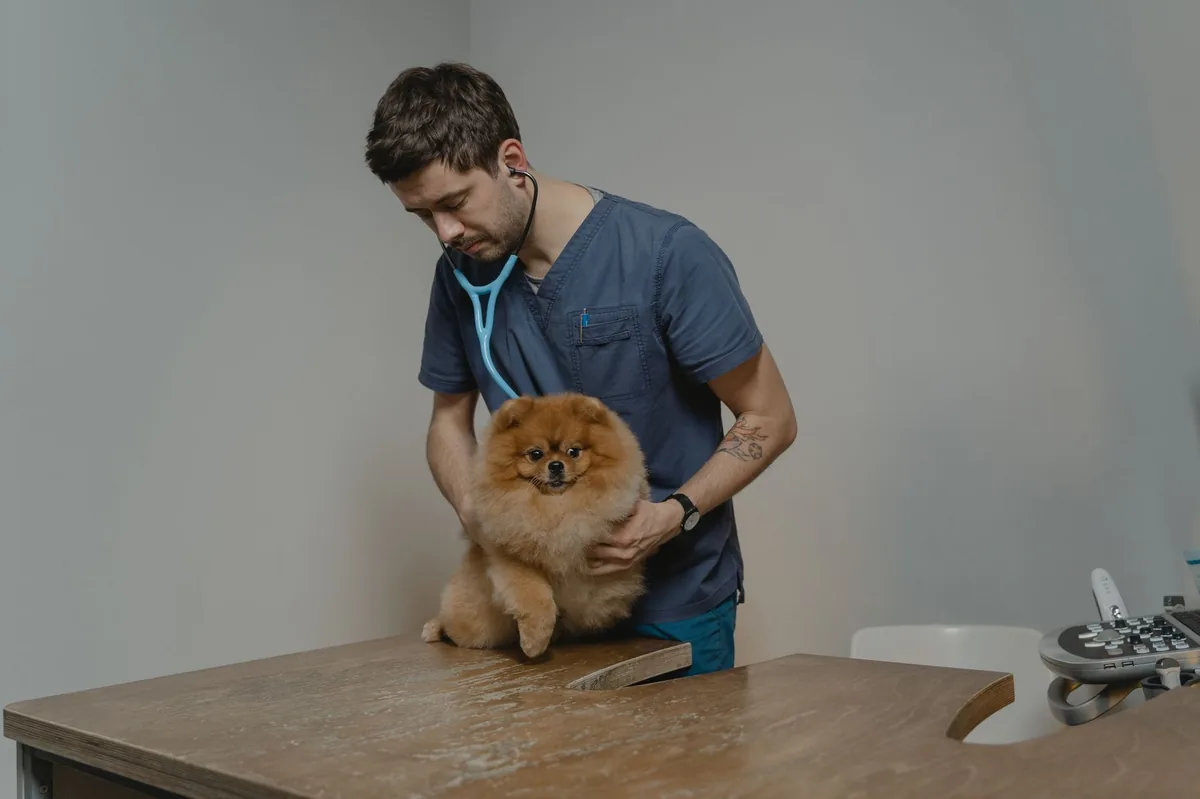
Diagnosing ascites starts with a thorough history and physical exam. Your vet will palpate the abdomen, listen for fluid wave, and assess heart and lung sounds.
Imaging is the next step. Abdominal ultrasound is the gold standard; it visualizes fluid, identifies masses, evaluates liver texture, and checks for heart enlargement. X‑rays can show an enlarged cardiac silhouette or signs of liver disease.
Fluid analysis is essential. A needle (paracentesis) draws a sample of the abdominal fluid, which is then evaluated for cell count, protein level, and presence of bacteria or cancer cells. The results help differentiate transudate (low protein, often from heart or liver disease) from exudate (high protein, often from infection or neoplasia).
Blood work rounds out the picture. A complete blood count (CBC) and chemistry panel reveal anemia, kidney function, liver enzymes, and albumin levels. Specific tests—like a heart‑type B‑type natriuretic peptide (NT‑proBNP) assay for heart failure or a hepatitis panel—can pinpoint the cause.
Treatment options
Medical treatment
Once the underlying disease is identified, therapy targets that condition. Common drug classes include:
- Diuretics (e.g., furosemide) to encourage the kidneys to eliminate excess fluid.
- ACE inhibitors (e.g., enalapril) for heart‑related fluid buildup.
- Anti‑inflammatory steroids (e.g., prednisolone) for immune‑mediated or neoplastic causes.
- Antibiotics or antifungals when infection is confirmed.
Ask your vet about these options; dosing is always weight‑based and tailored to severity.
Supplements and supportive care
While supplements cannot replace veterinary medication, they can aid recovery:
- Omega‑3 fatty acids (EPA/DHA) from fish oil can reduce inflammation associated with heart or liver disease.
- Milk thistle (silymarin) may support liver function, especially in chronic hepatitis cases.
- Probiotics help maintain gut health when antibiotics are used.
Only introduce supplements after discussing them with your vet, as some can interfere with diuretics or clotting factors.
Procedures or surgery
Therapeutic paracentesis—removing fluid with a sterile needle—provides immediate relief from abdominal pressure and breathing difficulty. The procedure is generally safe when performed by a veterinarian, though repeated taps may increase infection risk.
In cases of tumor or severe liver disease, surgical removal of the underlying mass or a liver lobectomy may be recommended. Recovery from abdominal surgery can take 2–4 weeks, and costs vary widely based on complexity and hospital fees.
Diet and nutrition
Nutrition plays a supportive role in managing ascites, especially when the underlying cause is liver or heart disease. The goal is to provide adequate calories without overloading the organs that are already struggling.
High‑quality, highly digestible protein is essential. It supplies the amino acids needed for tissue repair while keeping the workload on the liver low. Look for “limited ingredient” or “renal‑support” formulas that list a single protein source (e.g., chicken or salmon) and have a moderate protein level (18‑22 % on a dry‑matter basis).
For dogs with heart failure, low‑sodium diets reduce fluid retention. Many commercial therapeutic diets limit sodium to < 0.3 % (dry matter). If you feed regular kibble, you can lower sodium by avoiding table scraps, processed treats, and adding a pinch of potassium chloride (under vet guidance).
Omega‑3 fatty acids (EPA/DHA) from fish oil are beneficial for both heart and liver health. A daily supplement providing 75 mg EPA per 10 lb of body weight is a typical recommendation, but always ask your vet to confirm the appropriate amount.
Fluid intake should be monitored. Dogs with heart‑related ascites often need modest water restriction (e.g., 1 cup per 10 lb body weight per day), while those with liver disease may benefit from regular hydration to support kidney function. Your vet will give you a tailored plan.
Feeding frequency can help. Small, frequent meals (2–3 times daily) reduce the metabolic load on the liver and keep blood glucose stable, which is important for dogs with concurrent endocrine issues.
| Do feed | Limit | Avoid |
|---|---|---|
| Highly digestible protein (chicken, turkey, salmon) | Table‑scraps, especially salty foods | High‑sodium treats, processed meats |
| Omega‑3 fish oil supplement (vet‑approved dosage) | Excessive fats (e.g., bacon, cheese) | Raw organ meats (high copper) |
| Prescription renal or cardiac diet if recommended | Large meals in one sitting | High‑phosphorus foods (e.g., bone meal) |
Transition to any new diet gradually over 7–10 days, mixing increasing amounts of the new food with decreasing amounts of the old. This helps prevent gastrointestinal upset, which can be especially problematic in dogs already dealing with fluid accumulation.
Cost and prognosis
Treatment costs vary widely based on the underlying cause, geographic location, and whether surgery is required. Rough US estimates (as of 2024) are:
| Service | Typical US Cost | Typical UK Cost |
|---|---|---|
| Initial exam + blood work + ultrasound | $300–$600 | £200–£400 |
| Therapeutic paracentesis (single tap) | $150–$250 | £120–£200 |
| Diuretic medication (first month) | $30–$80 | £20–£60 |
| Surgical tumor removal (if needed) | $2,500–$6,000 | £2,000–£4,500 |
| Hospitalization (per day) | $400–$800 | £300–£600 |
Many pet insurance plans cover a portion of diagnostic imaging, surgery, and medication, but pre‑existing conditions are often excluded. Check your policy’s “cardiac” or “oncology” riders for specifics.
Prognosis hinges on the root cause. Dogs with heart failure that respond well to diuretics can live months to years with a good quality of life. Liver disease carries a more guarded outlook, especially if cirrhosis is advanced. Cancer‑related ascites often indicates a poorer prognosis, though some tumors (e.g., low‑grade mast cell) can be managed long‑term.
Prevention and home care
While you can’t always stop the disease that leads to ascites, you can reduce risk and catch problems early:
- Annual wellness exams—blood work and heart auscultation help spot early heart or liver changes before fluid builds up.
- Maintain a healthy weight—obesity strains the heart and liver. Aim for a body condition score (BCS) of 4–5/9.
- Regular parasite prevention—heartworm, liver fluke, and tick‑borne infections can cause liver damage; use region‑appropriate preventatives.
- Balanced diet—choose foods low in sodium and high in digestible protein, especially for senior dogs.
- Monitor activity—watch for sudden fatigue after short walks; note any changes in appetite or gum color.
- Home monitoring—daily check the abdomen for swelling and the gums for pallor; keep a log of any changes to share with your vet.
If your dog has already been diagnosed with a condition that could cause ascites, follow the vet’s schedule for re‑checks and imaging. Many owners find a simple “gums‑and‑belly” routine helpful: gently press the abdomen for fluid wave and glance at the gum color each morning.
From our vet team: Ascites is rarely an isolated problem; it’s usually a symptom of something else. The most reassuring thing you can do is catch it early, keep a detailed symptom diary, and work closely with your vet on a step‑by‑step plan. Even when the underlying disease is serious, supportive care—fluid taps, diet tweaks, and proper meds—can keep your companion comfortable for months or years.
Key takeaways
- Ascites is fluid buildup in the belly and often signals heart, liver, or cancer disease.
- Early signs include a rounded abdomen, pale gums, and reduced activity; call your vet promptly.
- Diagnosis involves physical exam, ultrasound, fluid analysis, and blood work to find the root cause.
- Treatment combines fluid removal, diuretics, disease‑specific drugs, and supportive nutrition.
- Low‑sodium, highly digestible protein diets with omega‑3 supplements help manage underlying conditions.
- Prognosis varies; heart‑related ascites can be chronic but manageable, while liver or cancer causes often carry a more guarded outlook.
Myth vs. fact
Myth: Ascites is just a “big belly” and not serious.
Fact: Fluid in the abdomen is a sign of an internal disease; without treatment it can impair breathing and lead to organ failure.
Myth: Removing the fluid cures the problem.
Fact: Paracentesis relieves pressure temporarily, but the underlying disease must be treated to prevent recurrence.
Myth: Dogs with ascites need a strict liquid diet.
Fact: Fluid intake is managed based on the cause; some dogs need limited water, while others need steady hydration for kidney health.
Frequently asked questions
What are the early signs of ascites in dogs?
Early signs include a subtle swelling of the abdomen, reduced enthusiasm for walks, and slightly pale gums. You may also notice a “fluid wave” when you press one side of the belly and feel a ripple on the opposite side.
Can ascites be cured or only managed?
Ascites itself is managed, not cured; the goal is to treat the underlying disease. If heart failure or liver disease can be stabilized with medication, the fluid often stays controlled, and dogs can enjoy a good quality of life.
What tests does a vet run to confirm ascites?
Vets typically perform a physical exam, abdominal ultrasound, and collect a fluid sample via paracentesis for analysis. Blood work—including CBC, chemistry panel, and specific heart or liver markers—helps pinpoint the cause.
Is fluid removal (paracentesis) safe for my dog?
Therapeutic paracentesis is generally safe when performed by a veterinarian under sterile conditions. It provides immediate relief, but repeated taps may increase infection risk, so the underlying issue should be addressed promptly.
How much does ascites treatment typically cost?
Initial diagnostics (exam, blood work, ultrasound) range from $300–$600 in the U.S., while a single fluid tap costs $150–$250. Ongoing medication and possible surgery can raise the total to several thousand dollars, depending on the cause.
Are certain dog breeds more likely to develop ascites?
Breeds prone to heart or liver disease—such as Doberman Pinschers, Boxers, Labrador Retrievers, and certain large‑breed mixes—show higher rates of ascites in veterinary case series. However, any dog can develop fluid buildup if the underlying condition arises.
Ask the PuppaDogs community
Have a question this article didn’t fully answer? Want to compare notes with other dog owners who’ve been through this? Our community forum is moderated by experienced owners and vets — and answers tend to come fast. Ask in the PuppaDogs community →
References
- American College of Veterinary Internal Medicine (ACVIM). “Consensus Guidelines for the Diagnosis and Management of Canine Heart Failure.” 2023.
- American Animal Hospital Association (AAHA). “AAHA Guidelines for the Management of Liver Disease in Dogs.” 2022.
- Merck Veterinary Manual. “Ascites in Dogs” chapter. 2024 edition.
- Veterinary Oncology Society. “Canine Abdominal Tumors and Associated Ascites.” 2021.
- American Veterinary Medical Association (AVMA). “Guidelines for Fluid Therapy in Small Animals.” 2023.
- World Small Animal Veterinary Association (WSAVA). “Nutritional Management of Dogs with Cardiac and Hepatic Disease.” 2022.
- Cornell University College of Veterinary Medicine. “Diagnostic Approach to Abdominal Fluid Accumulation.” 2023.
- UK Veterinary Association. “Cost of Veterinary Care for Chronic Conditions.” 2024.


