















Quick take: Aspirin poisoning in dogs occurs when a dog ingests enough acetyl‑salicylic acid to overwhelm its liver and stomach, leading to vomiting, bleeding, and potentially life‑threatening metabolic disturbances. Small dogs and puppies are most vulnerable, and prompt veterinary care—often involving IV fluids, anti‑emetics, and gastric decontamination—greatly improves the outcome.
It’s 11 p.m., you hear a soft whimper from the kitchen and find your 12‑lb Jack Russell terrier curled on the floor, his tongue hanging out and his gums looking a shade paler than usual. A quick glance at the counter reveals an open bottle of “extra strength” aspirin that you just set down after taking a headache pill. Your heart races as you wonder: Did he just eat a whole tablet? Could this be serious?
We’ve seen dozens of owners in the same spot—late‑night panic, a half‑eaten pill bottle, and a dog that suddenly seems off. The bottom line is that aspirin is a non‑steroidal anti‑inflammatory drug (NSAID) that can be toxic to dogs, especially in the doses used for humans. Fortunately, early recognition, first‑aid steps, and swift veterinary treatment can often keep the problem from becoming fatal.
In this guide we’ll explain what aspirin poisoning is, how much is risky for different dogs, what signs to watch for, how vets confirm the diagnosis, and what you can expect in terms of treatment, cost, and recovery. We’ll also cover practical ways to keep aspirin out of reach, and the best foods to soothe a dog after an accidental overdose.
What is aspirin poisoning in dogs?
Aspirin poisoning—also called acetyl‑salicylic acid toxicosis—happens when a dog ingests a dose that exceeds its ability to metabolize and excrete the drug. In dogs, aspirin works by blocking cyclo‑oxygenase enzymes, reducing pain and inflammation. However, at high levels it irritates the stomach lining, interferes with platelet function, and can cause metabolic acidosis, kidney injury, and bleeding disorders.
According to the AAHA (American Animal Hospital Association) and the Merck Veterinary Manual, aspirin toxicity is less common than ibuprofen or naproxen toxicity, but it still accounts for a notable share of NSAID‑related emergency visits, especially in households where adults keep pain relievers within easy reach.
Incidence estimates suggest that roughly 1–2 % of all canine poisoning calls to U.S. animal poison control centers involve aspirin, with puppies and small breeds over‑represented.
What causes it?
Aspirin poisoning is usually accidental, but several factors increase the risk:
| Risk factor | Why it matters |
|---|---|
| Human medication storage | Adults often keep tablets in pill boxes or on kitchen counters where curious dogs can reach them. |
| Puppy curiosity | Young dogs explore with their mouths and may chew on tablets left on the floor. |
| Incorrect dosing | Some owners give aspirin for arthritis without veterinary guidance, exceeding safe amounts. |
| Concurrent NSAID use | Combining aspirin with other NSAIDs (ibuprofen, naproxen) amplifies toxicity. |
Breed‑specific sensitivity is modest, but breeds with known liver enzyme deficiencies—such as some hound mixes—may process aspirin more slowly.
Signs and symptoms
Symptoms evolve in three stages: early (within 30 minutes to 2 hours), moderate (2–12 hours), and severe (12–48 hours). The timeline can be faster in puppies because of their higher metabolic rate.
| Stage | Typical signs |
|---|---|
| Early (≤2 h) | Vomiting (often foamy), drooling, loss of appetite, mild abdominal pain. |
| Moderate (2–12 h) | Diarrhea (may be bloody), rapid breathing, lethargy, pale gums, increased thirst. |
| Severe (12–48 h) | Bleeding from gums or nose, bruising, seizures, coma, metabolic acidosis, kidney failure. |
Because aspirin irritates the stomach, vomiting is a very common early sign, but not every dog vomits. Look also for a “peppery” taste in the mouth, which can indicate salicylate irritation. In severe cases, the dog may develop a characteristic “pale‑pink” mucous membrane due to impaired platelet function.

When to call your vet
Call your vet today (non‑emergency):
- Dog has vomited once or twice after a suspected aspirin bite.
- Gums look slightly pinker or paler than normal.
- Appetite loss or mild lethargy lasting more than a few hours.
Go to an emergency veterinary hospital right now:
- Repeated or profuse vomiting, especially if blood‑tinged.
- Bloody diarrhea, nosebleeds, or gum bleeding.
- Severe lethargy, collapse, seizures, or unsteady gait.
- Rapid breathing, pale or bluish gums, or signs of shock.
This article is for informational purposes only and does not replace professional veterinary care. If you suspect aspirin poisoning, contact your vet or an emergency clinic immediately.
How vets diagnose it
Veterinarians combine a focused history with a series of tests to confirm aspirin toxicosis and assess the extent of organ involvement.
- History & physical exam: The vet will ask when the ingestion occurred, how many tablets were involved, and note any vomiting, gum color, or neurologic changes.
- Blood work: A complete blood count (CBC) checks for anemia or platelet depletion. A chemistry panel evaluates kidney and liver function, and looks for metabolic acidosis (low blood pH, low bicarbonate).
- Salicylate level test: Specialized labs can measure the concentration of salicylates in the blood, guiding treatment intensity. The AVMA recommends testing if ingestion is >50 mg/kg or if clinical signs are moderate to severe.
- Urinalysis: Detects kidney damage and helps monitor hydration.
- Imaging (optional): Abdominal X‑rays or ultrasound may be performed if there’s concern for gastric ulceration or perforation.
Treatment options
Medical treatment
Standard care is aimed at stopping further absorption, protecting the stomach, correcting fluid and electrolyte imbalances, and supporting organ function.
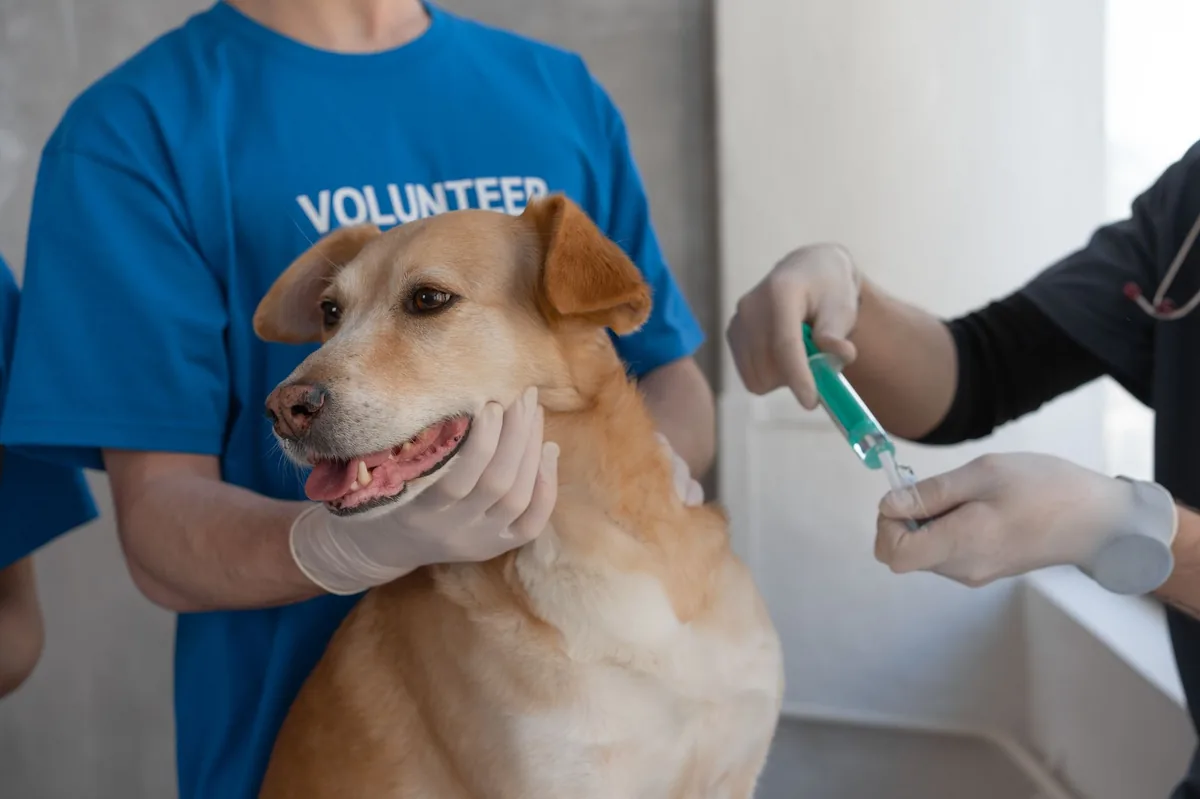
- Gastric decontamination: If the dog presents within 1–2 hours of ingestion, the vet may induce vomiting or perform a gastric lavage (tube flushing). Activated charcoal (often 1–4 g/kg) can be administered to bind remaining aspirin; it’s safe in most dogs but avoided if the dog is actively vomiting.
- IV fluids: Crystalloid solutions (e.g., lactated Ringer’s) are given to maintain hydration, promote renal excretion, and correct metabolic acidosis.
- Anti‑emetics: Medications such as maropitant (Cerenia) or ondansetron help control vomiting, making it easier to give other treatments.
- Gastroprotectants: Proton‑pump inhibitors (omeprazole) or H₂ blockers (famotidine) reduce stomach acidity and help prevent ulcer formation.
- Blood transfusions or plasma: In severe cases with significant bleeding, fresh frozen plasma can replace clotting factors, and packed red blood cells may be needed for anemia.
- Specific antidotes: There is no direct antidote for aspirin, but acetylcysteine may be used to protect the liver in very high‑dose exposures, per WSAVA guidelines.
All of these drugs are administered under veterinary supervision; ask your vet about each option if you’re discussing treatment plans.
Supplements and supportive care
Evidence‑based adjuncts can aid recovery, but they are not a substitute for the medical therapies above.
- Omega‑3 fatty acids (EPA/DHA): These can help reduce inflammation and support kidney health. A high‑quality fish‑oil supplement (e.g., 100 mg EPA/DHA per 10 lb body weight) is often recommended after the acute phase.
- Probiotics: A dog‑specific probiotic containing strains like Lactobacillus acidophilus may help restore gut flora after vomiting and antibiotic use.
- Vitamin B complex: B‑vitamins support metabolic recovery, especially if the dog has developed metabolic acidosis.
Procedures or surgery
Most aspirin poisonings are managed medically. However, if the dog develops a perforated gastric ulcer—a rare but serious complication—a surgical intervention may be required to repair the stomach wall. Recovery from such surgery typically involves 7–10 days of hospitalization, intensive monitoring, and a cost that can exceed $5,000 USD in the United States.
Diet and nutrition
Nutrition plays a supportive role while the liver and kidneys recover from aspirin exposure. The goal is to provide highly digestible, low‑fat, and moderate‑protein meals that minimize gastrointestinal irritation and reduce metabolic load.
Foods to favor
- Boiled chicken breast (skinless) with white rice: This bland combo is easy on the stomach and supplies lean protein without excess fat.
- Cooked sweet potato: Offers carbohydrates for energy and contains antioxidants that may aid recovery.
- Low‑fat cottage cheese: Provides calcium and protein while keeping fat low, which is gentle on the pancreas.
- Prescription renal diet (if kidney involvement is noted): Formulated with reduced phosphorus and high‑quality protein; examples include “Renal Support” or “Renal Guard” (brand‑neutral naming per AAFCO guidelines).
Foods to limit or avoid
| Do feed | Limit | Avoid |
|---|---|---|
| Boiled lean meats, rice, pumpkin, low‑fat dairy | Cooked eggs, small amounts of lean fish | Fatty meats, dairy with high fat, spicy or seasoned foods |
| Commercial bland recovery diets (e.g., “Gut Relief” formulas) | Commercial senior diets (moderate protein) | Any food containing NSAIDs, aspirin tablets, or over‑the‑counter pain meds |
When transitioning back to your regular diet, do it gradually over 3–5 days. Mix 25 % recovery food with 75 % of the usual kibble on day 1, then increase the regular food each day. This helps prevent a sudden spike in gastric acid that could aggravate ulcers.
Hydration is also critical. Offer fresh water constantly, and consider adding a little low‑sodium chicken broth to encourage drinking. For dogs that are reluctant to drink, a veterinarian may prescribe sub‑cutaneous (SQ) fluids at home.
Finally, avoid any treats that contain aspirin or other NSAIDs—some “joint health” chews mistakenly include low‑dose aspirin as an anti‑inflammatory, which can be dangerous after an overdose.
Cost and prognosis
Expenses vary by region, severity, and whether the dog requires hospitalization. Below are typical cost ranges based on data from the American Veterinary Medical Association (AVMA) and Cost PuppaDogs calculator.
| Service | US estimate | UK estimate |
|---|---|---|
| Initial ER exam & triage | $150–$250 | £120–£180 |
| IV fluids (24 h) | $80–$150 | £70–£120 |
| Blood work (CBC, chemistry, salicylate level) | $200–$350 | £150–£250 |
| Anti‑emetics & gastroprotectants | $50–$120 | £40–£90 |
| Hospitalization (if needed, 24‑48 h) | $400–$900 | £300–£650 |
| Follow‑up visit & recheck labs | $80–$150 | £60–£110 |
Overall, owners can expect a total bill of roughly $900–$2,000 USD for moderate cases, and $3,000–$5,000 USD if surgery or prolonged ICU care is required. Prognosis is good for dogs that receive treatment within the first 4 hours; mortality rises sharply after 12 hours of severe signs.
Prevention and home care
Keeping aspirin out of reach is the most effective prevention. Here are practical steps:
- Store medication in a locked cabinet: Use a high, child‑proof drawer or a medicine cabinet with a lock.
- Use pill organizers with lids: When you take a daily aspirin, keep the remaining tablets sealed.
- Educate household members: Make sure everyone knows that aspirin is not a “dog‑safe” pain reliever.
- Check countertops and nightstands: Before leaving a room, glance for stray tablets.
- Carry the AAHA’s “Pet Poison Prevention” checklist: A quick visual reminder you can print and post near the kitchen.
If an accidental ingestion occurs, act fast:
- Remove the source and note the amount ingested.
- Call your veterinarian or the ASPCA Animal Poison Control Center (800‑213‑6680) for guidance.
- Do not induce vomiting without veterinary instruction, especially if the dog is already vomiting.
- Have the medication bottle handy for dosage verification.
Regular wellness exams (once or twice a year) give your vet a chance to discuss pain‑management options that are safer for your dog, such as prescription NSAIDs specifically formulated for canines.
From our vet team: “Aspirin is a powerful medication for people, but even a single adult tablet can be dangerous for a small dog. The key is early recognition—checking gums, watching for vomiting, and calling your vet within the first couple of hours. Most dogs recover fully when we intervene quickly, so don’t wait to see if symptoms improve on their own.”
Key takeaways
- Aspirin becomes toxic in dogs at doses as low as 30 mg/kg, with puppies and small breeds at highest risk.
- Early signs include vomiting, drooling, and pale gums; severe signs involve bleeding, seizures, and metabolic acidosis.
- Contact your vet immediately if you suspect ingestion; go to an emergency clinic if vomiting is profuse, bloody, or if the dog shows signs of shock.
- Treatment typically involves gastric decontamination, IV fluids, anti‑emetics, and gastroprotectants; activated charcoal is safe when the dog isn’t actively vomiting.
- Recovery costs range from $900 to $5,000 USD depending on severity; prognosis is good when care begins within a few hours.
- Prevent accidental poisoning by storing aspirin in locked cabinets, using child‑proof containers, and educating everyone in the household.
Myth vs. fact
Myth: “A single adult aspirin tablet is harmless for a dog.”
Fact: Even one 325‑mg tablet can cause toxicity in dogs under 10 lb; any ingestion should be reported to a vet.
Myth: “Aspirin and ibuprofen are equally safe for dogs if given in low doses.”
Fact: Both are NSAIDs, but ibuprofen has a narrower safety margin and is generally considered more hazardous than aspirin for dogs.
Myth: “If my dog vomits, the aspirin is gone and no treatment is needed.”
Fact: Vomiting may remove some of the drug, but aspirin can still be absorbed quickly; veterinary evaluation is still required.
Frequently asked questions
What symptoms should I look for if my dog ate aspirin?
Early signs include vomiting, drooling, loss of appetite, and pale gums. Look for bloody diarrhea, rapid breathing, or seizures as the toxicity progresses.
How quickly does aspirin toxicity develop in dogs?
Signs can appear within 30 minutes to 2 hours after ingestion, but severe metabolic disturbances may develop over the next 12–24 hours, especially in puppies.
Can I give my dog activated charcoal after aspirin ingestion?
Yes—activated charcoal can bind remaining aspirin if the dog is not actively vomiting. Always call your vet first to confirm the appropriate dose and timing.
When should I take my dog to the vet for aspirin poisoning?
Call your vet immediately for any suspected ingestion. Go to an emergency clinic right away if your dog vomits blood, has bloody diarrhea, is lethargic, or shows signs of shock.
Is there a safe dose of aspirin for dogs with arthritis?
Only a veterinarian should prescribe aspirin for a dog. The dose is usually 5–10 mg/kg once daily, but many vets now prefer canine‑specific NSAIDs because they have a wider safety margin.
How much does emergency treatment for aspirin overdose cost?
Typical U.S. costs range from $900 to $2,000 USD for moderate cases, and $3,000–$5,000 USD if surgery or intensive care is needed. Prices vary by region and clinic.
Ask the PuppaDogs community
Have a question this article didn’t fully answer? Want to compare notes with other dog owners who’ve been through this? Our community forum is moderated by experienced owners and vets — and answers tend to come fast. Ask in the PuppaDogs community →
References
- American Animal Hospital Association (AAHA). “NSAID Toxicity in Dogs.” 2023.
- American Veterinary Medical Association (AVMA). “Management of NSAID Poisoning.” 2022.
- Merck Veterinary Manual. “Aspirin (Acetylsalicylic Acid) Toxicity.” 2021.
- World Small Animal Veterinary Association (WSAVA). “Guidelines for the Treatment of NSAID Overdose.” 2022.
- American College of Veterinary Internal Medicine (ACVIM). “Guidelines for Fluid Therapy in Dogs.” 2020.
- ASPCA Animal Poison Control Center. “Aspirin Toxicity in Dogs.” 2023.
- American Veterinary Pharmacology Society. “Use of Activated Charcoal in Dogs.” 2021.
- Veterinary Information Network (VIN). “Salicylate Blood Levels and Clinical Correlation.” 2020.
- AAFA (Association of American Feed Control Officials). “Nutrient Requirements for Dogs.” 2022.


