
















Quick take: Overproduction of white blood cells in the bone marrow—often called leukocytosis or a myeloproliferative disorder—means the marrow is cranking out too many immune cells. It can signal cancer, infection, or immune disease, and the seriousness ranges from a temporary spike to a life‑threatening leukemia. Prompt veterinary evaluation, blood work, and possibly chemotherapy are key to giving your dog the best chance.
It’s 11 p.m., the house is quiet, and you notice your normally‑bouncy Golden Retriever, Max, is lying on his side, breathing a little faster than usual. When you lift his lip, his gums look a shade paler, and you can’t help but stare at the tiny specks of blood on the floor. Your mind jumps to the Google search bar, “white blood cells in dogs,” and a wave of worry washes over you.
We get it—seeing a change in your dog’s energy or appearance can feel like a sudden alarm. Overproduction of white blood cells in the bone marrow in dogs is a medical phrase that sounds intimidating, but understanding what it means, what to look for, and how it’s treated can turn that anxiety into a clear plan of action.
In this article we’ll explain the condition, break down the most common causes, list the signs you might spot, tell you exactly when to call the vet, walk through the diagnostic workup, outline treatment options (including cost considerations), and give practical nutrition and prevention tips. By the end you’ll have a roadmap you can discuss with your veterinarian.
What is overproduction of white blood cells in the bone marrow in dogs?
White blood cells (WBCs) are the immune system’s foot soldiers—neutrophils, lymphocytes, monocytes, eosinophils, and basophils. They are made in the bone marrow, a spongy tissue inside the long bones. When the marrow produces too many WBCs, the blood count climbs above the normal range (typically >12,000 cells/µL in dogs). This condition is medically termed leukocytosis, and when the excess originates from the marrow itself rather than a reaction to infection, it is called a myeloproliferative disorder or bone‑marrow leukemia.
Leukocytosis can be reactive (a temporary response to infection, inflammation, or stress) or neoplastic (cancerous). The neoplastic forms include chronic myelogenous leukemia (CML), acute myelogenous leukemia (AML), and other myeloproliferative diseases. While reactive leukocytosis is common and often resolves with treatment of the underlying cause, neoplastic leukocytosis is rarer but more serious, affecting roughly 0.1–0.5 % of all canine cancers according to the American College of Veterinary Internal Medicine (ACVIM).
What causes overproduction of white blood cells in dogs?
The underlying triggers fall into three broad categories: neoplastic, infectious/inflammatory, and immune‑mediated. Below is a quick reference.
| Category | Typical Causes | Notes |
|---|---|---|
| Neoplastic | Chronic myelogenous leukemia, acute myelogenous leukemia, mast cell disease, lymphoma with marrow involvement | Often genetic mutations; more common in middle‑aged to senior dogs. |
| Infectious/Inflammatory | Severe bacterial infections (e.g., ehrlichiosis, Lyme disease), fungal infections, chronic pneumonia, abscesses | Leukocytosis usually resolves when infection clears. |
| Immune‑mediated | Autoimmune hemolytic anemia, immune‑mediated polyarthritis, systemic lupus erythematosus | Immune system over‑reacts, prompting marrow to release more WBCs. |
Breed predispositions also exist. Large breeds such as German Shepherds, Golden Retrievers, and Boxers have a slightly higher reported incidence of myeloproliferative disorders, while certain terrier mixes appear more often in reactive leukocytosis linked to tick‑borne diseases.
Signs and symptoms
Because white blood cells circulate in the blood, the excess usually shows up as systemic changes rather than a single localized sign.
| Severity | Typical Signs |
|---|---|
| Mild | Increased thirst, subtle lethargy, mild fever (temperature > 39.5 °C), slight loss of appetite. |
| Moderate | Noticeable fatigue, pale or pink gums, rapid breathing, occasional vomiting, visible swelling of lymph nodes. |
| Severe | Very low energy, pronounced pallor, bleeding from gums or nose, weight loss, seizures, or collapse. |
Other clues include a “granular” feeling on the gums when you press gently, unexplained bruising, or a sudden change in behavior—your dog may seem irritable or seek more comfort. In many cases, owners first notice a change in their dog’s activity level or a “sick” look during a walk.
When to call your vet
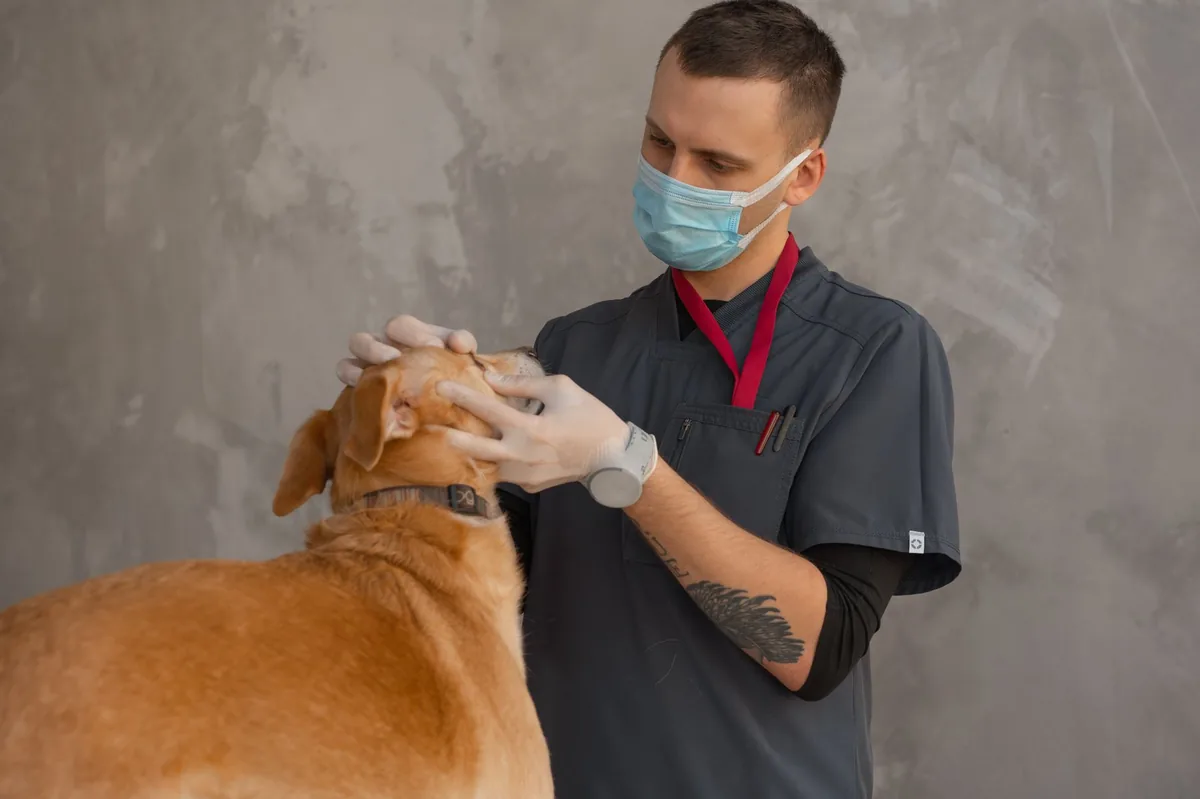
Call your vet today if you observe any of the moderate signs: pale gums, loss of appetite lasting more than 24 hours, persistent fever, or swelling of lymph nodes. These symptoms suggest a problem that needs professional evaluation within the next day.
Go to an emergency veterinary hospital right now if your dog shows severe signs such as collapse, uncontrolled bleeding, seizures, or extreme difficulty breathing. These are life‑threatening emergencies.
This article provides general information and is not a substitute for professional veterinary care. If you are ever in doubt, contact your veterinarian.
How vets diagnose overproduction of white blood cells in dogs
The diagnostic pathway starts with a thorough history and physical exam. Your vet will ask about recent infections, vaccinations, medications, and any exposure to ticks or other parasites.
- Complete blood count (CBC): Reveals the total WBC count and the specific types that are elevated (neutrophils, lymphocytes, etc.). A marked left shift (increased immature neutrophils) often points to a neoplastic process.
- Blood smear evaluation: A microscope slide lets the vet see cell morphology—irregular nuclei or abnormal granules can hint at leukemia.
- Bone marrow aspirate or biopsy: The definitive test. A needle extracts marrow cells for cytology and flow cytometry, which can differentiate reactive from neoplastic proliferation.
- Imaging: Thoracic and abdominal radiographs or ultrasound assess organ involvement, such as enlarged spleen or lymph nodes.
- Special tests: PCR for tick‑borne pathogens, fungal cultures, or immunologic panels may be ordered if infection or autoimmune disease is suspected.
All of these pieces together let the veterinary team stage the disease, decide on a treatment plan, and give you a realistic prognosis.

Treatment options
Medical treatment
When a neoplastic cause is confirmed, chemotherapy is the cornerstone. Common drug classes include:
- Alkylating agents such as cyclophosphamide or chlorambucil (often combined with prednisolone).
- Tyrosine‑kinase inhibitors like imatinib for chronic myelogenous leukemia—these target specific genetic mutations.
- High‑dose steroids (prednisone or prednisolone) to reduce inflammation and control certain immune‑mediated leukocytoses.
Each protocol is individualized. Ask your vet about the best option for your dog’s specific disease type, and remember that dosing will be calculated based on weight and severity.
Supplements and supportive care
Supportive care can help maintain quality of life while your dog undergoes treatment. Evidence‑based supplements include:
- Omega‑3 fatty acids (EPA/DHA) – may reduce inflammation and support immune health.
- Probiotics – help maintain gut barrier function, especially important when chemotherapy can cause GI upset.
- Antioxidant blends (vitamin E, selenium) – sometimes recommended to mitigate oxidative stress, but discuss with your vet first.
These are adjuncts, not replacements for prescribed medication. Always ask your vet before adding any supplement.
Procedures or surgery
In rare cases where the marrow disease has caused severe splenomegaly (enlarged spleen) or localized tumor masses, surgical removal of the spleen (splenectomy) may be advised. Recovery typically takes 2–3 weeks, and the cost can range from $4,000–$7,000 (U.S.) depending on hospital fees and postoperative care.
Diet and nutrition
Nutrition plays a supportive role in managing leukocytosis, especially when chemotherapy or steroids are part of the plan. While there is no single “leukocytosis diet,” feeding a balanced, highly digestible diet helps your dog tolerate treatment and maintain body condition.
What to feed
- High‑quality protein from animal sources (chicken, turkey, fish) to preserve lean muscle mass.
- Limited fat if your dog is on steroids, as corticosteroids can increase appetite and cause weight gain.
- Complex carbohydrates like sweet potatoes or pumpkin for gentle energy without spiking blood sugar.
- Omega‑3 enriched foods (e.g., fish oil‑infused kibble or canned diets) to aid inflammation control.
What to limit
- Excessive treats high in sugar or fat, which can exacerbate steroid‑induced weight gain.
- Raw diets that are not balanced for calcium‑phosphorus ratios when your dog is on high‑dose steroids (risk of osteopenia).
- Very high‑sodium foods if your dog develops fluid retention from chemotherapy.
What to avoid
- Ingredients that your dog is allergic to—immune reactions can worsen inflammation.
- Highly processed foods with artificial colors and flavors, which provide little nutritional benefit.
Prescription therapeutic diets are sometimes recommended. For example, a “renal‑support” formula (lower phosphorus) is useful if the dog’s kidneys are stressed by chemotherapy. A “cancer‑support” diet—high in calories, protein, and omega‑3s—can help maintain weight during treatment. Discuss with your vet which, if any, prescription diet fits your dog’s needs.
Feeding tips:
- Offer smaller, more frequent meals (3–4 times daily) to accommodate reduced appetite.
- Warm the food slightly to enhance aroma, encouraging eating.
- Transition gradually over 7–10 days to avoid GI upset.
- Monitor body condition score weekly; adjust portions accordingly.
For owners who prefer home‑cooked meals, the PuppaDogs nutrition calculator can help balance calories, protein, and fat based on your dog’s weight and activity level.
Cost and prognosis
Financial considerations are a real part of any cancer or chronic disease plan. Below is a rough cost breakdown (average U.S. figures; UK costs are shown where they differ).
| Service | U.S. Estimate | UK Estimate |
|---|---|---|
| Initial CBC + blood smear | $150–$250 | £80–£130 |
| Bone‑marrow aspirate & cytology | $400–$800 | £200–£350 |
| Standard chemotherapy protocol (6‑8 weeks) | $3,000–$6,500 | £2,000–£4,500 |
| Targeted therapy (e.g., imatinib) | $2,500–$5,000 | £1,800–£3,500 |
| Supportive meds (steroids, anti‑nausea) | $200–$500 | £100–£250 |
| Follow‑up labs (CBC every 2–4 weeks) | $100–$200 per visit | £60–£120 per visit |
Many owners use pet health insurance to offset these expenses. Policies that cover oncology and chemotherapy typically reimburse 70–90 % after deductibles, but check the fine print for breed‑specific exclusions.
Prognosis varies widely. For reactive leukocytosis, once the underlying infection clears, most dogs return to normal within weeks. For neoplastic disorders, median survival ranges from 3 months (aggressive AML) to 12–18 months (chronic myelogenous leukemia) when treated with modern chemotherapy, according to the American Veterinary Medical Association (AVMA) oncology guidelines. Early detection and a tailored treatment plan improve quality of life and can extend survival.
Prevention and home care
While you can’t prevent a genetic cancer, you can reduce the risk of reactive leukocytosis and support your dog’s overall immune health.
- Tick prevention: Year‑round use of veterinarian‑approved products (e.g., oral isoxazoline or topical permethrin) lowers the chance of ehrlichiosis and other tick‑borne infections that trigger leukocytosis.
- Vaccination and parasite control: Keeping core vaccines up‑to‑date and deworming regularly prevents infections that could cause a spike in white blood cells.
- Balanced nutrition: Feeding a high‑quality diet with omega‑3s supports a well‑regulated immune system.
- Regular wellness exams: Annual CBCs for senior dogs can catch early marrow changes before clinical signs appear.
- Stress reduction: Chronic stress can affect immune function; provide consistent routines, mental enrichment, and safe spaces.
At home, you can monitor your dog’s white blood cell count only through veterinary labs, but you can watch for subtle changes: energy level, appetite, gum color, and any new swelling. Keeping a simple health journal (date, observations, appetite) helps your vet spot trends.
From our vet team: “When a dog’s white blood cell count is high, the first question we ask is ‘why?’ – infection, inflammation, or cancer? A calm, systematic workup saves time, money, and stress. Even if the diagnosis is serious, many dogs enjoy a good quality of life with the right combination of treatment, nutrition, and love.”
Key takeaways
- Overproduction of white blood cells (leukocytosis) can be reactive or neoplastic; the cause determines seriousness.
- Early signs include pale gums, lethargy, and fever—call your vet if these appear.
- Diagnosis relies on CBC, blood smear, and often a bone‑marrow aspirate to differentiate cancer from infection.
- Treatment may involve chemotherapy, steroids, and supportive supplements; costs vary but insurance can help.
- Feeding a high‑quality, digestible diet rich in protein and omega‑3s supports recovery and tolerance of medications.
- Regular wellness exams, tick prevention, and a balanced lifestyle reduce the risk of reactive leukocytosis.
Myth vs. fact
Myth: A high white blood cell count always means cancer.
Fact: Leukocytosis is often a reaction to infection or inflammation; only a bone‑marrow biopsy can confirm cancer.
Myth: If my dog feels fine, the high count isn’t a problem.
Fact: Even subclinical leukocytosis can indicate an underlying disease that benefits from early treatment.
Myth: Home blood tests can reliably monitor WBC levels.
Fact: Accurate white blood cell counts require a laboratory CBC; owners should rely on veterinary testing for precise monitoring.
Frequently asked questions
What are the common signs of white blood cell overproduction in dogs?
Typical signs include pale gums, lethargy, fever, loss of appetite, rapid breathing, and swollen lymph nodes; severe cases may present with bleeding or collapse.
Can a high white blood cell count be caused by something other than cancer?
Yes—serious bacterial infections, tick‑borne diseases, and immune‑mediated disorders can all cause reactive leukocytosis without cancer involvement.
What tests does a vet use to confirm bone marrow leukocytosis?
The definitive workup includes a CBC, blood smear, and bone‑marrow aspirate or biopsy, often complemented by imaging and specific infectious disease panels.
Is there a cure for canine leukocytosis?
Reactive leukocytosis resolves when the underlying cause is treated; neoplastic leukocytosis can be managed with chemotherapy and targeted drugs, but it is not curable in most cases.
How long can a dog live with a myeloproliferative disorder?
Survival varies: untreated aggressive leukemia may be weeks, while chronic forms treated with modern chemotherapy can live 12–18 months or longer, depending on response.
What should I feed my dog if they have an elevated white blood cell count?
Offer a highly digestible, protein‑rich diet with omega‑3 fatty acids, limit fatty treats, and consider a veterinary‑approved cancer‑support formula if chemotherapy is planned.
Ask the PuppaDogs community
Have a question this article didn’t fully answer? Want to compare notes with other dog owners who’ve been through this? Our community forum is moderated by experienced owners and vets — and answers tend to come fast. Ask in the PuppaDogs community →
References
- American College of Veterinary Internal Medicine (ACVIM) 2022 Consensus Statement on Canine Myeloproliferative Disorders.
- American Veterinary Medical Association (AVMA) Oncology Guidelines, 2023 edition.
- Merck Veterinary Manual, “Leukocytosis” and “Canine Leukemia” chapters.
- World Small Animal Veterinary Association (WSAVA) Guidelines on Tick‑Borne Diseases, 2021.
- AAHA (American Animal Hospital Association) 2023 Standards for Wellness Exams.
- Cornell University College of Veterinary Medicine, “Canine Hematology” educational resources.
- Veterinary Cancer Society, “Chemotherapy Protocols for Dogs,” 2022.


