












Quick take: Nose pad cancer, also called squamous cell carcinoma (SCC) of the nasal planum, is a malignant skin tumor that appears on the pigmented “pad” of a dog’s nose. Early detection, surgical removal (often with Mohs micrographic surgery), and follow‑up care give many dogs a good quality of life, but the disease can be life‑threatening if it spreads.
It’s 11 p.m., you’re scrolling through your phone, and your usually‑bright Border Collie is sitting very still, staring at the floor. You notice a crusty, dark spot right in the middle of his nose pad. Your heart jumps. “Is this cancer?” you wonder, and the search bar fills with frantic questions.
First, take a breath. Nose pad cancer is one of the more common skin cancers on a dog’s nose, but it isn’t inevitable, and there are clear steps you can take right now. In this guide we’ll explain what squamous cell carcinoma of the nose pad is, why certain dogs are more at risk, how to spot it early, what the veterinary work‑up looks like, treatment options and costs, dietary considerations, and how to keep your pup comfortable during recovery.
By the end you’ll know exactly what to look for, when to call your vet, and what to expect from surgery, radiation, or other therapies. Let’s get started.
What is nose pad cancer (squamous cell carcinoma) in dogs?
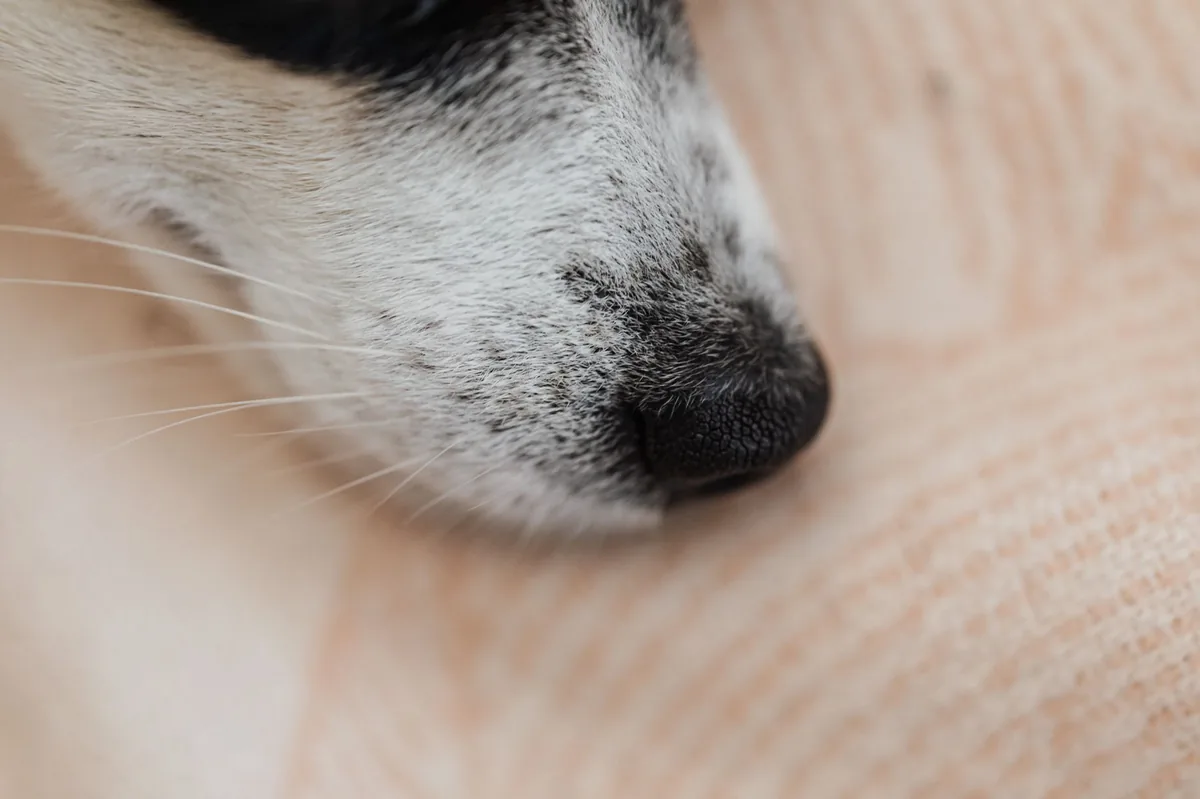
Squamous cell carcinoma (SCC) is a malignant tumor that arises from the squamous cells—flat, protective cells that line the skin and mucous membranes. When SCC develops on the nasal planum (the hair‑less, pigmented “pad” of a dog’s nose), it’s commonly called nose pad cancer.
In dogs, SCC of the nose pad accounts for roughly 10–15 % of all canine skin cancers, according to the Merck Veterinary Manual. The tumor can grow quickly, invade deeper tissues, and, if left untreated, metastasize (spread) to regional lymph nodes, lungs, or other organs.
The condition is not the same as a nasal tumor that originates inside the nasal cavity; those arise from the respiratory lining and often cause breathing problems, whereas nose pad SCC starts on the surface of the nose.
What causes it?
Several factors increase the odds that a dog will develop SCC on the nose pad:
- UV exposure: Dogs with light‑colored or thinly pigmented noses (e.g., Dalmatians, Boxers, Siberian Huskies) are especially vulnerable to sun‑induced DNA damage.
- Breed predisposition: Breeds reported to have higher rates include Boxers, Doberman Pinschers, German Shepherds, Rottweilers, and mixed‑breed dogs with light noses.
- Chronic inflammation or trauma: Repeated irritation from rubbing against fences, sand, or hot pavement can promote malignant transformation.
- Age: Most cases appear in dogs older than 7 years, when cumulative UV damage and cellular wear‑and‑tear have built up.
- Genetic factors: Certain genetic lines may have reduced ability to repair UV‑induced DNA errors, though the exact genes are still being studied.
Signs and symptoms
Early lesions often look like a small, scaly patch or a crusty ulcer on the nose pad. As the tumor grows, you may notice:
| Stage | Typical signs |
|---|---|
| Mild | Small (<1 cm) dry patch, slight redness, occasional crust. |
| Moderate | Larger ulcerated area, bleeding with minor trauma, visible raised edges. |
| Severe | Deep ulcer, necrotic tissue, deformation of the nose, nasal discharge, pain on touch. |
Key red flags that set nose pad SCC apart from benign lesions include:
- Rapid growth over weeks.
- Persistent ulceration that does not heal within 2–3 weeks.
- Bleeding that occurs without obvious injury.
- Any change in the color or texture of the nose pad that lasts more than a few days.
Because other conditions—like fungal infections, allergic dermatitis, or simple abrasions—can look similar, a veterinary exam is essential for a definitive diagnosis.
When to call your vet
Call your regular vet today if you notice any of the mild or moderate signs listed above—especially a non‑healing crust, ulcer, or any bleeding that lasts more than a couple of days.
Go to an emergency veterinary hospital right now if your dog shows any of these urgent signs:
- Severe pain when the nose is touched.
- Sudden, profuse bleeding from the lesion.
- Swelling that obstructs breathing or causes the dog to pant heavily.
- Signs of systemic illness such as fever, lethargy, or loss of appetite combined with the nose lesion.
These symptoms could indicate rapid tumor invasion or secondary infection that needs immediate care.
This article is for informational purposes only and does not replace a hands‑on veterinary exam.
How vets diagnose it
Diagnosing SCC of the nose pad follows a stepwise approach:
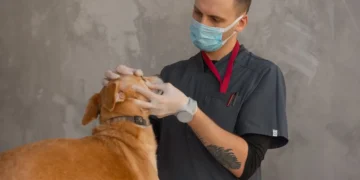
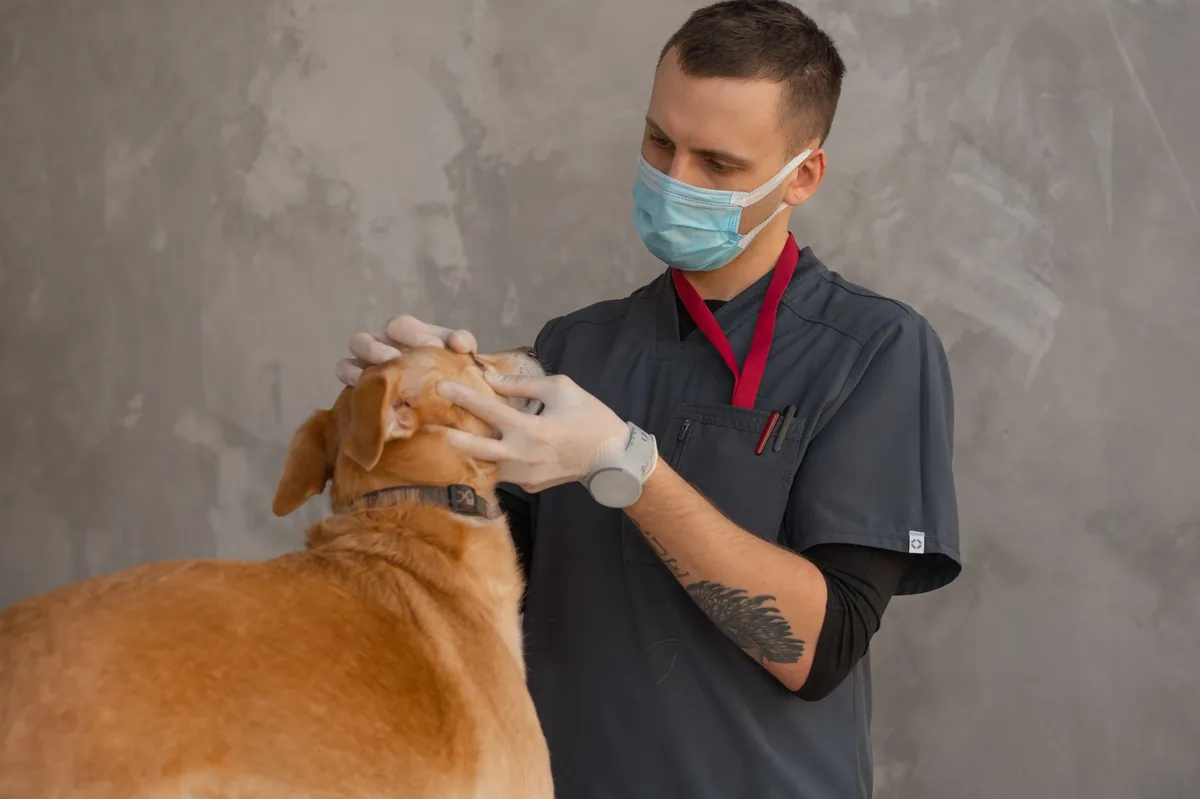
- Visual exam: Your vet will assess the lesion’s size, shape, and texture, and may use a Wood’s lamp to highlight pigmented areas.
- Fine‑needle aspiration (FNA): A thin needle extracts cells for cytology. While FNA can suggest SCC, it often yields inconclusive results because the tumor is dense.
- Incisional or punch biopsy: A small tissue sample is taken and examined under a microscope. This is the gold standard for confirming SCC.
- Imaging: If the tumor appears invasive, your vet may order skull radiographs, ultrasound of regional lymph nodes, or a CT scan to check for bone involvement or metastasis. The AAHA recommends CT for precise surgical planning.
- Staging: Once cancer is confirmed, staging (e.g., TNM system) helps determine spread and guides treatment choices.
Treatment options
Medical treatment
Medical management is usually adjunctive to surgery or radiation. Common drug classes include:
- Non‑steroidal anti‑inflammatory drugs (NSAIDs): Drugs such as carprofen may have modest anti‑tumor effects and help with pain.
- Immunotherapy: Oncolytic virus therapy (e.g., canine melanoma vaccine) is being explored for SCC; ask your vet about clinical trial options.
- Chemotherapy: Agents like carboplatin or cisplatin are sometimes used when the tumor has metastasized, though response rates vary.
All medication decisions should be individualized. Your vet will decide the best protocol based on tumor size, location, and your dog’s overall health.
Supplements and supportive care
While supplements cannot cure SCC, they can support recovery and overall immunity:
- Omega‑3 fatty acids (EPA/DHA): Anti‑inflammatory properties may help reduce swelling after surgery.
- Probiotics: Maintaining gut health can be beneficial when antibiotics are used post‑operatively.
- Vitamin C (antioxidant): Some owners give low‑dose vitamin C to aid wound healing, but discuss dosing with your vet.
Never start any supplement without veterinary approval, especially if your dog is on chemotherapy or other medications.
Procedures or surgery
Because the nose pad is a functional and cosmetic structure, surgeons aim to remove the tumor while preserving as much healthy tissue as possible.
- Standard excision: Wide local excision with 1–2 cm margins is typical for small lesions.
- Mohs micrographic surgery: This technique removes the tumor layer by layer, checking margins under a microscope in real time. It offers the highest chance of complete removal while sparing normal tissue.
- Radiation therapy: External beam radiation (often 8–12 fractions) is used when surgical margins are incomplete or the tumor is in a difficult location.
- Combination therapy: Surgery followed by radiation provides the best local control for many dogs.
Recovery time varies: simple excisions may need 10–14 days of wound care, while Mohs or radiation can extend to 4–6 weeks of follow‑up.
Diet and nutrition
Nutrition plays a supportive role in healing after nose pad cancer treatment. While no specific diet can cure SCC, feeding strategies can reduce inflammation, support wound repair, and maintain body condition during recovery.
| Category | Recommendations |
|---|---|
| Do feed | Highly digestible protein sources (e.g., boiled chicken, turkey), omega‑3 enriched foods, moderate‑fat diet to aid wound healing. |
| Limit | Excessive raw bones that may cause dental trauma, very high‑fat treats that could delay healing. |
| Avoid | Highly processed foods with artificial preservatives, excessive sodium, and foods that may trigger allergies (e.g., beef for dogs with known beef allergy). |
Key points to consider:
- Protein: Aim for 20–25 % of calories from high‑quality protein. This helps rebuild tissue after surgery. Commercial therapeutic diets (e.g., “recovery” formulas) often meet this requirement.
- Omega‑3 fatty acids: Adding a fish oil supplement (500–1,000 mg EPA/DHA per day for a 20 lb dog) can reduce postoperative inflammation. Verify the product’s EPA/DHA content and discuss dosage with your vet.
- Hydration: Encourage fresh water. Dehydration can slow healing and affect kidney function, especially if radiation is used.
- Feeding schedule: Small, frequent meals (3–4 times daily) are easier on a dog that may be reluctant to eat a large meal after anesthesia.
- Transition: If switching to a therapeutic diet, do so gradually over 5–7 days to avoid gastrointestinal upset.
For dogs with an ulcerated nose pad that makes eating uncomfortable, you can soften food with warm water or low‑sodium broth. Hand‑feeding in a calm environment can also encourage intake.
Our food calculator can help you estimate the right calorie and nutrient targets for your dog’s size and recovery stage.
Cost and prognosis
Financial planning helps owners make informed choices. Below are typical cost ranges in the United States and the United Kingdom (prices vary by clinic, region, and individual case):
| Service | US (USD) | UK (GBP) |
|---|---|---|
| Initial exam & basic labs | $150–$300 | £80–£150 |
| Biopsy (incisional/punch) | $200–$500 | £120–£250 |
| CT scan for staging | $800–$1,500 | £400–£800 |
| Standard excision surgery | $1,500–$3,000 | £900–£1,800 |
| Mohs micrographic surgery | $3,000–$6,000 | £1,800–£3,500 |
| Radiation therapy (full course) | $4,000–$8,000 | £2,500–£5,000 |
| Post‑operative meds & follow‑up (3 mo) | $300–$700 | £150–£350 |
Prognosis depends on tumor size, depth, and whether it has spread. For localized SCC removed with clean margins, median survival can exceed 2 years, and many dogs live a normal, active life. If the cancer has metastasized, median survival drops to 6–12 months, though palliative care can maintain quality of life.
Insurance can offset a portion of these expenses. Check your policy’s oncology coverage and discuss pre‑authorization with your vet.
Prevention and home care
While you can’t eliminate every risk, you can reduce the chance of nose pad SCC developing or recurring:
- Sun protection: Apply a pet‑safe sunscreen (zinc‑oxide based) on light‑colored noses before prolonged outdoor exposure. Reapply every 2 hours.
- Regular nose checks: During grooming, examine the nose pad for any new spots, crusts, or changes in color.
- Limit chronic irritation: Keep your dog’s nose clean and avoid letting them rub against rough surfaces.
- Vaccinations & parasite control: Good overall health supports immune surveillance. Follow AAHA vaccination schedules and use year‑round flea/tick preventatives.
- Follow‑up appointments: After treatment, schedule re‑checks every 3–6 months for the first two years, then annually.
Post‑operative care after surgery typically includes:
- Keeping the wound clean with a mild antiseptic spray as instructed.
- Preventing the dog from scratching or rubbing the area—an Elizabethan collar may be necessary.
- Monitoring for signs of infection (redness, swelling, discharge) and contacting your vet promptly if they appear.
- Providing a soft, warm bedding area to reduce pressure on the healing nose.
Our community forum is full of owners sharing home‑care tips and recovery stories that can help you feel less alone.
From our vet team: “If you catch a nose pad lesion early, surgery—especially Mohs technique—can remove the tumor completely while preserving the dog’s appearance. Even if the cancer is advanced, radiation and supportive care can keep your dog comfortable. The key is prompt veterinary evaluation and open communication about costs and goals.”
Key takeaways
- Early, small lesions on the nose pad can be squamous cell carcinoma; watch for non‑healing crusts or bleeding.
- UV exposure, light‑colored noses, and certain breeds increase risk—use pet‑safe sunscreen on dogs that spend a lot of time outdoors.
- Diagnosis requires a biopsy and often imaging; treatment usually combines surgery (often Mohs) with radiation for the best outcome.
- Post‑operative care, proper nutrition, and regular follow‑ups are essential for healing and early detection of recurrence.
- Costs can range from a few hundred dollars for basic diagnostics to over $8,000 for combined surgery and radiation, so discuss insurance and payment plans early.
- Never wait for the lesion to worsen—contact your vet as soon as you notice any change on the nose pad.
Myth vs. fact
Myth: Nose pad cancer always spreads quickly and is fatal.
Fact: When caught early and removed with clean margins, many dogs live for years with a good quality of life.
Myth: All nose lesions are cancerous.
Fact: Most nose pad changes are benign (e.g., dermatitis, trauma); a biopsy is needed for a definitive diagnosis.
Myth: Radiation therapy is unsafe for older dogs.
Fact: Modern fractionated radiation is well‑tolerated even in senior dogs, though your vet will assess kidney and heart health before proceeding.
Frequently asked questions
What does nose pad cancer look like on a dog?
Typical appearance includes a raised, ulcerated, or crusty patch on the pigmented part of the nose, often with irregular borders and occasional bleeding.
How is squamous cell carcinoma of the nose pad confirmed?
Confirmation comes from a tissue biopsy examined by a veterinary pathologist; imaging (CT or radiographs) helps assess depth and spread.
Can nose pad cancer spread to other parts of the body?
Yes—if the tumor penetrates deep layers, it can metastasize to regional lymph nodes, lungs, or other organs; staging tests determine the extent.
What are the success rates of surgery for nose pad SCC in dogs?
When the tumor is localized and removed with clean margins, cure rates of 70–80 % are reported; Mohs surgery improves the likelihood of complete removal.
Is radiation therapy safe for senior dogs with nose pad cancer?
Radiation is generally safe for senior dogs, provided they have adequate organ function; side effects are usually mild and manageable.
How much does treatment for nose pad cancer typically cost?
Overall costs range from $2,500 to $12,000 in the US, depending on diagnostics, surgery type, radiation, and follow‑up care; insurance can reduce out‑of‑pocket expenses.
Ask the PuppaDogs community
Have a question this article didn’t fully answer? Want to compare notes with other dog owners who’ve been through this? Our community forum is moderated by experienced owners and vets — and answers tend to come fast. Ask in the PuppaDogs community →
References
- American Animal Hospital Association (AAHA). 2023 Canine Oncology Guidelines.
- Merck Veterinary Manual. “Squamous Cell Carcinoma in Dogs” chapter.
- American College of Veterinary Internal Medicine (ACVIM). Consensus statement on canine skin cancers, 2022.
- World Small Animal Veterinary Association (WSAVA). Recommendations for UV protection in dogs, 2021.
- Veterinary Oncology Standards, Cornell University College of Veterinary Medicine, 2022.
- British Veterinary Association (BVA). Canine Cancer Costs Overview, 2023.


