













Quick take: Narrowing of the esophagus (esophageal stricture) is a blockage that makes swallowing painful or impossible. Early signs include frequent regurgitation, coughing after meals, and weight loss. Diagnosis usually involves contrast radiographs and endoscopy, and treatment ranges from diet changes to endoscopic dilation or surgery. With prompt care, most dogs can return to a normal life, though lifelong dietary management is often needed.
It’s 9 p.m., you’re in the kitchen rinsing a bowl of kibble, and your usually eager Beagle sits at the counter, eyes fixed on the food but not taking a bite. A few minutes later, he coughs, then vomits a tube of foam that looks like a “hairball” from his throat. Your heart races, you Google “dog won’t eat and keeps coughing,” and the first result mentions a “narrowed esophagus.” You wonder: is this an emergency? What can you do tonight?
We’ve seen many owners describe that exact moment—food turned into a source of anxiety, and a simple meal becomes a medical mystery. The good news is that narrowing of the esophagus (also called an esophageal stricture) is treatable in most cases, especially when caught early. Below we walk through what the condition is, why it happens, how to spot it, and exactly what you can expect from diagnosis, treatment, cost, and long‑term care.
What is narrowing of the esophagus in dogs?
The esophagus is a muscular tube that carries food from the mouth to the stomach. When a segment of that tube becomes scarred, inflamed, or encroached by a mass, the lumen (the inner opening) becomes too small for food to pass comfortably. This is called an esophageal stricture or narrowing. In dogs, strictures are less common than megaesophagus (where the tube is overly dilated), but they can affect dogs of any age or breed.
According to the American College of Veterinary Surgeons (ACVS), esophageal strictures account for roughly 1–2 % of all canine gastrointestinal disorders seen at referral centers. While the condition is not “common,” it is well‑documented and treatable, especially when identified before severe weight loss or aspiration pneumonia develops.
What causes narrowing of the esophagus?
Most strictures arise from damage that leads to scar tissue. The main causes fall into three categories:
| Category | Typical Causes |
|---|---|
| Inflammatory/chemical injury | Acid reflux (GERD), ingestion of caustic substances, severe esophagitis |
| Trauma or foreign body | Sharp objects, bone fragments, or prolonged impaction |
| Neoplastic growth | Benign tumors (fibroma, papilloma) or malignant cancers (squamous cell carcinoma) |
Less common contributors include congenital malformations, autoimmune diseases, and post‑surgical scar formation after previous esophageal surgery. Certain breeds—such as the Shar‑Pei, Pekingese, and English Bulldog—are reported more often in case series, likely because their short, thick necks predispose them to reflux and chronic irritation.
Signs and symptoms
Owners typically notice the problem when a dog’s eating routine changes. Early signs are subtle; later signs become urgent.
| Severity | Typical Signs |
|---|---|
| Mild | Occasional regurgitation of soft food, coughing after meals, slight hesitation before eating |
| Moderate | Frequent regurgitation, weight loss despite normal appetite, hoarse bark, drooling |
| Severe | Inability to swallow solid food, repeated aspiration pneumonia, lethargy, dehydration |
Key differences from megaesophagus:
- Regurgitation in stricture is usually immediate after eating and often contains undigested food; megaesophagus leads to delayed, often frothy regurgitation.
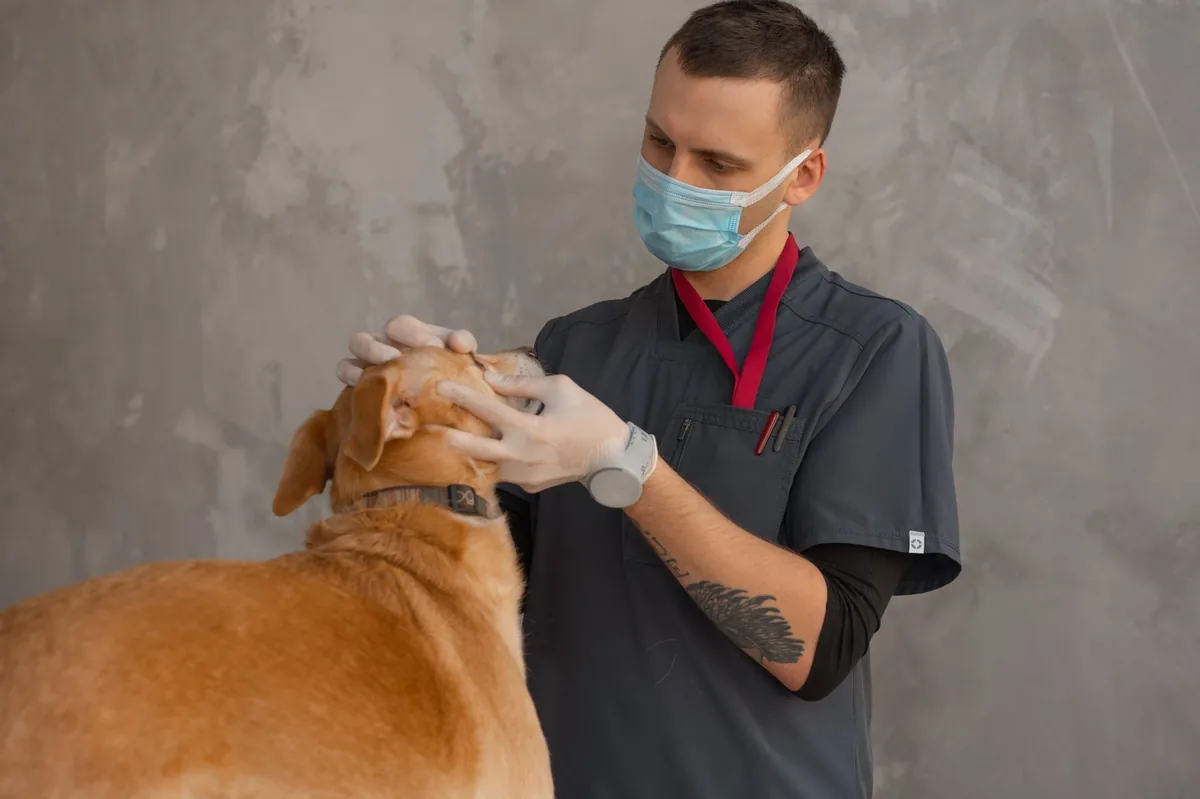
- Dogs with strictures may show pain or resistance when the neck is palpated, whereas megaesophagus typically does not cause neck tenderness.
When to call your vet
Call your regular vet today if you notice:
- Frequent regurgitation of food or foam
- Persistent coughing after meals
- Weight loss or decreased appetite over a week
- Drooling or signs of pain when swallowing
Go to an emergency veterinary hospital right now if you see:
- Sudden inability to swallow any food or water
- Repeated vomiting of bile or blood
- Signs of aspiration pneumonia (rapid breathing, fever, lethargy)
- Severe dehydration or collapse
This article is for information only and does not replace a hands‑on veterinary examination.
How vets diagnose narrowing of the esophagus
Diagnosis is a stepwise process that combines history, physical exam, and targeted tests.
- History & physical exam: Your vet will ask about regurgitation patterns, diet changes, and any known ingestion of foreign objects. Palpation of the neck may reveal a tender segment.
- Contrast radiography (barium swallow): The dog drinks a barium‑based liquid, and radiographs track its passage. A narrowed segment appears as a “hourglass” constriction.
- Endoscopy: A tiny camera is passed down the esophagus. It visualizes the stricture directly and can also be used to measure its length and take biopsies if cancer is suspected.
- Fluoroscopy: Real‑time X‑ray can show how food moves and help differentiate a stricture from motility problems.
- Laboratory tests: CBC and chemistry panels assess for anemia, infection, or organ stress that may accompany chronic aspiration.
These tools together give your vet a clear picture of where the blockage lies and why it formed, guiding the treatment plan.
Treatment options
Medical treatment
When the stricture is caused by inflammation or reflux, medication can shrink the scar tissue and reduce pain.
- Acid reducers: Famotidine or omeprazole (ask your vet about this option) lower stomach acidity, protecting the esophageal lining.
- Anti‑inflammatories: Corticosteroids such as prednisolone may be prescribed for severe esophagitis, but only under close veterinary supervision.
- Prokinetics: Metoclopramide can improve esophageal motility, helping food move past a narrowed segment.
- Antibiotics: If secondary bacterial infection or aspiration pneumonia is present, your vet will select an appropriate drug.
Medical therapy alone rarely resolves a tight stricture, but it can make the tissue more pliable before a dilation procedure.
Supplements and supportive care
Adjuncts may aid recovery and keep the esophagus healthy.
- Omega‑3 fatty acids (EPA/DHA): Anti‑inflammatory properties can help reduce chronic esophageal irritation. Look for a high‑quality fish‑oil supplement approved for dogs.
- Probiotics: Strains such as Enterococcus faecium support gut health, which is especially useful after a course of antibiotics.
- Vitamin E: An antioxidant that may protect mucosal cells during healing, but discuss dosing with your vet.
Supplements are not a substitute for prescription medication, but they can complement a comprehensive plan.
Procedures or surgery
Most strictures require a mechanical approach to widen the lumen.
- Endoscopic balloon dilation: A tiny balloon is inflated at the stricture site, stretching the scar tissue. It is minimally invasive and often the first line for short strictures.
- Stent placement: In cases where dilation is likely to recur, a self‑expanding metal stent may be left in place. Stents carry a risk of migration or ulceration and require lifelong monitoring.
- Surgical resection and anastomosis: For long or complex strictures, a surgeon removes the narrowed segment and reconnects the healthy ends. Recovery is longer, and costs are higher, but success rates are good for non‑malignant disease.
Each option has pros and cons. Balloon dilation is less costly ($2,000–$3,500 in the US) and has a quicker recovery, but strictures may recur, requiring repeat procedures. Surgery ($5,000–$10,000) offers a more permanent solution but involves anesthesia risks and a longer post‑op period.

Diet and nutrition
Feeding a dog with an esophageal stricture is both a comfort and a therapeutic tool. The goal is to deliver nutrition without forcing the esophagus to work hard.
- Texture: Offer soft, moist foods such as canned dog food, homemade chicken and rice puree, or a commercial therapeutic slurry. Avoid hard kibble until the stricture is fully opened.
- Meal size: Small, frequent meals (4–6 times daily) reduce the volume of food the esophagus must move at once.
- Feeding position: Keep your dog’s neck elevated (30‑45°) for 15–20 minutes after each meal. A simple “dog chair” or a pillow wedge works well.
- Temperature: Warm foods (body temperature) are easier to swallow; cold foods can cause spasm.
When the stricture is healed, you can gradually re‑introduce higher‑fiber kibble, but always monitor for coughing or regurgitation.
Prescription therapeutic diets designed for esophageal health are available (e.g., Hill’s Prescription Diet i/d Low‑Residue). These formulas are highly digestible, low‑fat, and free of hard particles that could irritate the lining. You do not need to brand‑name a specific product, but ask your vet whether a therapeutic diet fits your dog’s needs.
| Do feed | Limit | Avoid |
|---|---|---|
| Moist, highly digestible foods (canned, homemade purees) | Dry kibble – transition slowly | Hard treats, raw bones, large chunks |
| Small, frequent meals with neck elevation | Spicy or heavily seasoned foods | Fatty meals that increase reflux |
| Prescription esophageal diet if recommended | Excessive water intake during meals | Acidic foods (citrus, tomato sauce) |
Hydration remains essential. Offer water in a shallow bowl separate from the food bowl, and consider adding a splash of low‑sodium broth to encourage drinking without over‑filling the stomach.
For owners who prefer home‑cooked meals, a simple recipe is a 1:1 mix of boiled chicken (shredded) and white rice, blended with a bit of low‑fat cottage cheese. This provides protein, easy digestion, and a soft texture. Always discuss homemade diets with your vet to ensure balanced nutrition.
Helpful calculators for daily calorie needs can be found on our dog health calculators page.
Cost and prognosis
Financial considerations are part of any treatment plan. Below are typical cost ranges (average estimates, actual bills vary by clinic, region, and insurance coverage).
| Service | US Estimate | UK Estimate |
|---|---|---|
| Contrast radiographs | $150‑$300 | £80‑£150 |
| Endoscopic dilation (single session) | $2,000‑$3,500 | £1,200‑£2,500 |
| Stent placement | $4,000‑$6,500 | £2,500‑£4,500 |
| Surgical resection & anastomosis | $5,000‑$10,000 | £3,000‑£7,000 |
| Post‑op meds & diet for 4 weeks | $200‑$500 | £100‑£250 |
Many pet insurance plans cover diagnostic imaging and at least part of the procedural cost, especially if the stricture is deemed medically necessary. Check your policy’s “pre‑existing condition” clause, as some plans exclude chronic esophageal disease.
Prognosis depends on cause and treatment success:
- Inflammatory strictures: 80‑90 % long‑term success after one or two dilations, especially with ongoing acid‑reduction meds.
- Neoplastic strictures: Prognosis varies; malignant tumors often require aggressive surgery or palliative care, with median survival of 6‑12 months.
- Traumatic/foreign‑body strictures: Excellent outcomes after dilation if scar tissue is limited.
With diligent diet management and regular veterinary check‑ups, most dogs live comfortable, active lives.
Prevention and home care
While you can’t always stop a stricture that forms from a tumor, many risk factors are modifiable.
- Prevent reflux: Keep your dog at a healthy weight, avoid feeding within two hours of vigorous exercise, and consider a low‑fat diet if your vet has diagnosed GERD.
- Guard against foreign bodies: Supervise chew toys, discard small bones, and keep hazardous chemicals (cleaners, batteries) out of reach.
- Routine monitoring: After treatment, watch for any return of regurgitation. A quick check of your dog’s gums and throat after meals can catch early irritation.
- Follow‑up appointments: Most vets schedule a repeat endoscopy or radiograph 4–6 weeks after dilation to ensure the lumen stays open.
- Vaccinate and deworm: While not directly linked, overall health supports a resilient esophageal lining.
Our dog questions answered hub offers more tips on feeding techniques and how to spot early signs of esophageal trouble.
From our vet team: “If your dog suddenly starts coughing after every bite, think of the esophagus first. A quick barium swallow can reveal a stricture before it becomes life‑threatening, and early dilation often restores normal eating within weeks.”
Key takeaways
- Esophageal narrowing causes painful swallowing, frequent regurgitation, and weight loss; it’s treatable with diet changes, dilation, or surgery.
- Early signs include coughing right after meals and soft‑food avoidance—don’t wait for severe vomiting.
- Diagnostic work‑up typically involves contrast radiographs and endoscopic evaluation to pinpoint the stricture.
- Most dogs respond well to endoscopic balloon dilation combined with acid‑reduction medication and a soft, elevated diet.
- Costs range from $2,000 for a single dilation to $10,000 for surgical repair; many insurance plans help cover these expenses.
- Lifelong feeding modifications and regular veterinary check‑ups are key to preventing recurrence.
Myth vs. fact
Myth: “All esophageal problems are the same as megaesophagus.”
Fact: Megaesophagus is a dilated, floppy esophagus that causes delayed regurgitation, while a stricture is a narrowed segment that blocks food immediately after eating.
Myth: “If my dog can’t swallow dry kibble, surgery is the only option.”
Fact: Many strictures respond to minimally invasive balloon dilation and diet modification; surgery is reserved for long or refractory lesions.
Myth: “A dog with a stricture will always need lifelong medication.”
Fact: Medication is often needed only during the healing phase; once the esophagus is open and inflammation is controlled, many dogs thrive on a soft diet alone.
Frequently asked questions
What are the early signs of esophageal narrowing in dogs?
Early signs include coughing or choking right after meals, occasional regurgitation of soft food, and a brief hesitation before eating. These symptoms may be subtle, so pay close attention to any change in your dog’s feeding behavior.
How is esophageal stricture diagnosed by a vet?
Vets typically start with a contrast (barium) swallow radiograph to spot a narrowed segment, followed by endoscopy to directly view the stricture and obtain biopsies if needed. Fluoroscopy may also be used to assess swallowing dynamics.
What treatment options exist for a dog with a narrowed esophagus?
Treatment ranges from medical management (acid reducers, anti‑inflammatories) to endoscopic balloon dilation, stent placement, or surgical resection. The choice depends on stricture length, cause, and overall health.
Will my dog need surgery for esophageal narrowing?
Surgery is not always required. Most short strictures are successfully treated with endoscopic balloon dilation, which is less invasive and cheaper. Surgery is considered for long or recurrent strictures that don’t respond to dilation.
How much does esophageal stricture treatment typically cost?
In the United States, a single endoscopic dilation averages $2,000‑$3,500, while surgical repair can run $5,000‑$10,000. Costs vary by region, clinic, and whether additional imaging or anesthesia fees apply.
Can diet changes help manage a narrowed esophagus in dogs?
Absolutely. Soft, moist foods fed in small, frequent meals with the neck elevated reduce the workload on the esophagus and help prevent aspiration. Prescription therapeutic diets may also aid healing.
Ask the PuppaDogs community
Have a question this article didn’t fully answer? Want to compare notes with other dog owners who’ve been through this? Our community forum is moderated by experienced owners and vets — and answers tend to come fast. Ask in the PuppaDogs community →
References
- American College of Veterinary Surgeons (ACVS). “Esophageal Stricture Guidelines,” 2022.
- American Animal Hospital Association (AAHA). “Nutrition Management for Dogs with Gastrointestinal Disease,” 2023.
- Merck Veterinary Manual. “Esophageal Disorders” chapter, 2021.
- American College of Veterinary Internal Medicine (ACVIM). “Gastroesophageal Reflux Disease in Dogs,” 2022.
- World Small Animal Veterinary Association (WSAVA). “Guidelines for Endoscopic Procedures,” 2023.
- University of California, Davis Veterinary Medicine. “Canine Esophageal Strictures: Diagnosis and Treatment,” 2022.
- American Veterinary Medical Association (AVMA). “Pet Insurance and Gastrointestinal Conditions,” 2023.


