













Quick take: Narrowing of the pyloric canal (pyloric stenosis) blocks food from leaving the stomach, leading to vomiting, weight loss, and dehydration. It can be managed medically or surgically, and most dogs recover well when treated promptly.
It’s 11 p.m., the kitchen lights are off, and your 3‑month‑old Beagle puppy is sitting by the bowl, looking puzzled. She’s tried to eat, but every bite ends with a small “hurl” and a sigh. The next morning, she’s still not finishing meals, and her tiny frame looks a little thinner. Your mind races: “Is this something serious?” You grab your phone, type “narrow pyloric canal in dogs,” and hope for a quick answer.
We get it—seeing your pup struggle with every meal is gut‑wrenching. The good news is that pyloric stenosis, while uncommon, is usually treatable. In this guide we’ll explain what the condition is, why it happens, how to spot it, what diagnostics your vet will run, treatment options (both medical and surgical), typical costs, and how you can help prevent it in the future. By the end you’ll know exactly what to ask your vet and how to keep your dog comfortable during recovery.
Read on for a step‑by‑step roadmap—from the first sign of vomiting to the day‑to‑day care after surgery. We’ll also link to helpful tools like our dose calculators and the community forum where other owners share their experiences.
What is narrowing of the pyloric canal in dogs?
The pyloric canal is a short, muscular tube at the bottom of the stomach that opens into the duodenum (the first part of the small intestine). Its job is to act like a gateway, letting partially digested food pass at a controlled rate. When the canal becomes too narrow—a condition called pyloric stenosis—the “gate” sticks shut. Food backs up in the stomach, causing repeated vomiting, loss of appetite, and dehydration.
Pyloric stenosis is relatively rare in dogs, accounting for less than 1 % of all gastrointestinal complaints, according to the Merck Veterinary Manual. It can affect puppies (congenital form) or adult dogs (acquired form). While the exact prevalence is unknown, certain breeds and chronic inflammatory conditions make the risk higher.
What causes narrowing of the pyloric canal?
There are two broad categories: congenital (present at birth) and acquired (develops later). Below is a quick overview of the most common causes.
| Cause | Typical Age | Key Features |
|---|---|---|
| Congenital muscular hypertrophy | Puppies < 6 months | Thickened pyloric muscle, often hereditary |
| Chronic gastritis or ulceration | Adults | Scarring leads to narrowing |
| Neoplasia (tumor) | Adults, especially middle‑aged | Rare; may cause abrupt obstruction |
| Foreign body or bezoar | Any age | Physical blockage that triggers inflammation |
| Medication‑induced fibrosis | Adults | Long‑term NSAID or corticosteroid use |
Risk factors include:
- Breed predisposition: Miniature Schnauzers, Poodles, and Toy breeds have a higher reported incidence of congenital pyloric stenosis.
- Chronic inflammatory bowel disease (IBD) or repeated ulceration, which can scar the pyloric tissue.
- Long‑term use of certain ulcer‑protective drugs that paradoxically cause fibrotic changes.
- Exposure to toxins that irritate the stomach lining.
Signs and symptoms
Because the stomach can’t empty properly, the most common signs revolve around vomiting and reduced appetite. Early signs may be subtle, while severe cases present with dehydration and weight loss.
| Severity | Typical Signs |
|---|---|
| Mild | Occasional post‑meal vomiting, slight appetite decline, mild abdominal discomfort. |
| Moderate | Frequent vomiting (often after meals), noticeable weight loss, lethargy, dry gums. |
| Severe | Persistent vomiting, dehydration, severe weight loss, palpable abdominal mass, electrolyte imbalances. |
Other clues include:
- Regurgitation of undigested food a few hours after eating.
- “Hiccup‑like” gagging sounds during or after meals.
- Increased thirst and urination from dehydration.
- Abdominal pain when the stomach is palpated.
When to call your vet
Call your vet today if you notice any of the following:
- More than one vomiting episode in a 24‑hour period.
- Decreased appetite or refusal to eat for 24 hours.
- Lethargy, pale gums, or a dry nose.
- Any abdominal pain or swelling.
Go to an emergency veterinary hospital now if your dog shows any of these red‑flag signs:
- Continuous vomiting (more than 3–4 times in an hour) with no relief.
- Signs of shock: very weak pulse, rapid breathing, or collapse.
- Severe dehydration (skin tenting, sunken eyes).
- Blood in the vomit or black, tar‑like stool.
These symptoms can rapidly lead to electrolyte imbalances and are considered emergencies.
This article provides general information and is not a substitute for professional veterinary care.
How vets diagnose narrowing of the pyloric canal
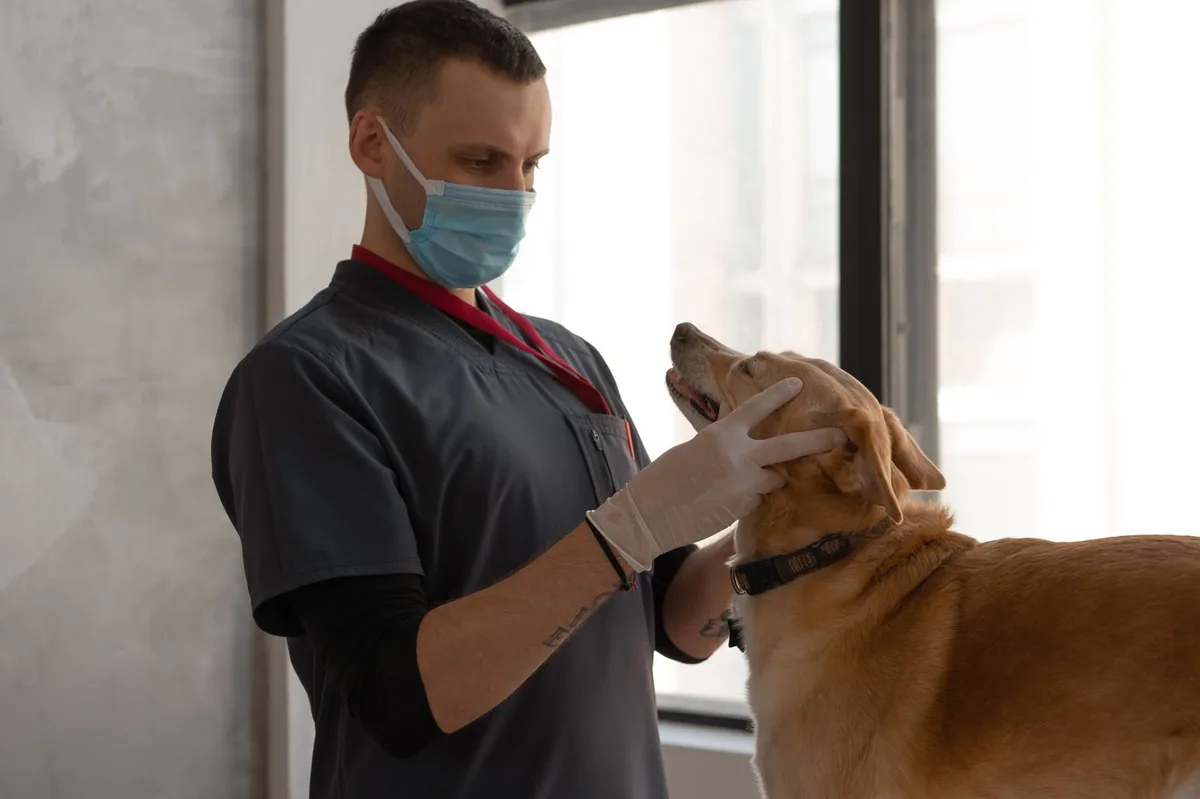
Diagnosis starts with a thorough history and physical exam. Your vet will listen for “gurgling” sounds in the stomach and may palpate for an enlarged, firm area.
Typical diagnostic steps include:
- Blood work: Complete blood count (CBC) and chemistry panel to check for dehydration, electrolyte changes, and signs of infection.
- Abdominal ultrasound: Provides a real‑time view of the pyloric muscle thickness and can measure the canal diameter. Ultrasound is the most common imaging tool for this condition.
- Contrast radiography (barium swallow): Highlights the flow of food through the stomach; delayed emptying suggests a blockage.
- Endoscopy: A tiny camera is passed through the mouth to directly visualize the pylorus. It also allows for biopsy if a tumor is suspected.
- Gastric emptying study: In some referral centers, a radioactive marker tracks how quickly food leaves the stomach.
Every test tells the vet something different: blood work reveals systemic impact, imaging shows structural changes, and endoscopy confirms the exact location and degree of narrowing.
Treatment options
Medical treatment
When the narrowing is mild or the dog is a high surgical risk, medical management can give relief. Common drug classes include:
- Proton pump inhibitors (e.g., omeprazole): Reduce stomach acidity, decreasing irritation.
- Prokinetics (e.g., metoclopramide, cisapride): Encourage coordinated stomach emptying.
- Sucralfate: Forms a protective coating over the stomach lining, helping ulcers heal.
- Antibiotics (e.g., amoxicillin‑clavulanate): Used if a bacterial infection or secondary gastritis is present.
These medications are usually given for several weeks while the underlying cause (e.g., inflammation) is addressed. Your vet will tailor the regimen to your dog’s weight and severity, and will monitor blood work to avoid side effects.
Supplements and supportive care
Supportive nutrition can make a big difference during recovery. Evidence‑based supplements that may help include:
- Omega‑3 fatty acids (EPA/DHA): Anti‑inflammatory benefits for the gastric mucosa.
- Probiotics (e.g., Enterococcus faecium): Promote a healthy gut flora, especially after antibiotics.
- Vitamin B‑complex: Supports appetite and energy levels in dogs that are under‑eating.
Always discuss supplement choices with your vet; they can recommend a reputable brand and appropriate dosage.
Procedures or surgery
When the canal is severely narrowed or does not respond to medication, surgery offers the most definitive cure. The two most common procedures are:
- Pyloromyotomy (Heineke‑Mikulicz pyloroplasty): The surgeon splits the outer muscle layer of the pylorus and sutures it open, widening the canal without removing tissue.
- Gastrojejunostomy (GJ): Creates a new connection between the stomach and the jejunum, bypassing the narrowed pylorus. This is reserved for very severe or refractory cases.
Both surgeries are performed under general anesthesia, usually via a ventral midline incision. Hospital stays range from 24 hours to 3 days, depending on post‑operative pain control and appetite return. Most dogs regain normal eating within a week.
Diet and nutrition
Feeding the right diet helps reduce irritation, supports healing, and prevents recurrence. Below is a practical feeding plan you can start tonight.
| Do feed | Limit | Avoid |
|---|---|---|
| Highly digestible, low‑fat protein (e.g., boiled chicken breast, turkey, or a prescription gastrointestinal diet). | Moderate‑fat treats (e.g., cheese, bacon). | Spicy, fatty, or fried foods. |
| Small, frequent meals (3–4 times daily) to avoid over‑loading the stomach. | Large meals that require prolonged stomach emptying. | Hard kibble that stays long in the stomach; consider soaking or switching to soft wet food. |
| Added omega‑3 oil (1 tsp per 10 lb body weight) mixed into food. | Raw bones that can cause additional gastric irritation. | Any food containing onion or garlic. |
Key nutrition tips:
- Warm the food slightly (body temperature) to make it easier to digest.
- Offer a bland diet for the first 24‑48 hours after surgery—boiled white rice mixed with lean protein.
- Gradually re‑introduce your dog’s regular diet over 3‑5 days, watching for any return of vomiting.
- Ensure constant access to fresh water; consider an electrolyte‑balanced solution if dehydration is a concern.
Prescription gastrointestinal diets (e.g., Hill’s i/d, Royal Canin Gastrointestinal) are formulated with highly digestible proteins, pre‑biotics, and reduced fat, making them a solid choice while your dog recovers. Discuss with your vet which brand fits your budget and your dog’s specific needs.
Cost and prognosis
Cost can vary widely based on geography, clinic type, and severity. Below are typical ranges for the United States and United Kingdom (prices are estimates; exact bills will differ).
| Item | US (USD) | UK (GBP) |
|---|---|---|
| Initial vet exam & blood work | $150–$250 | £80–£130 |
| Abdominal ultrasound | $300–$500 | £150–£250 |
| Endoscopy (optional) | $600–$900 | £300–£450 |
| Medical management (meds + follow‑up) | $100–$250 | £60–£150 |
| Surgical pyloromyotomy | $2,500–$4,500 | £1,800–£3,200 |
| Post‑op hospitalization (24‑48 hr) | $300–$600 | £120–£250 |
Prognosis is generally good when the condition is caught early. Studies cited by the American College of Veterinary Surgeons (ACVS) report a 90 % survival rate for uncomplicated pyloromyotomy. Recovery time is typically 1–2 weeks for full activity, though some dogs may need a slower return to vigorous exercise.
Long‑term quality of life is excellent if the underlying cause (e.g., chronic gastritis) is managed and the diet is kept appropriate. Regular check‑ups every 6–12 months are recommended to monitor for recurrence.
Prevention and home care
While congenital cases can’t be prevented, you can reduce the risk of acquired pyloric stenosis with a few everyday habits:
- Feed a balanced, low‑fat diet and avoid table scraps that are high in fat.
- Limit long‑term use of NSAIDs; ask your vet about alternative pain relievers if your dog needs chronic medication.
- Provide multiple small meals rather than one large meal, especially for senior dogs.
- Maintain routine deworming and flea/tick prevention to avoid gastric ulcer‑causing parasites.
- Schedule regular wellness exams; early detection of gastritis or IBD can prevent scarring of the pylorus.
If your dog has already undergone surgery, continue the following at home:
- Monitor food intake and weight weekly.
- Check for any return of vomiting or changes in stool consistency.
- Keep a small “emergency kit” of your vet‑prescribed medications and the phone number of a 24‑hour emergency clinic.
Vet’s note
From our vet team: “Pyloric stenosis can look scary because of the vomiting, but most dogs respond well to a combination of diet, medication, and, when needed, surgery. The key is early detection—once the stomach starts to ulcerate, healing takes longer. If you notice even a single episode of post‑meal vomiting, call us. We’ll run a quick ultrasound and get you on a plan before the condition worsens.”
Key takeaways
- Persistent vomiting after meals is the hallmark sign of a narrowed pyloric canal; call your vet promptly.
- Diagnosis relies on blood work, abdominal ultrasound, and sometimes endoscopy to visualize the blockage.
- Medical management (acid reducers, prokinetics) works for mild cases, while surgery offers a permanent fix for severe narrowing.
- Recovery usually takes 1–2 weeks; a bland, low‑fat diet and small frequent meals support healing.
- Typical treatment costs range from a few hundred dollars for medication to $2,500‑$4,500 for surgery in the U.S.
- Prevent recurrence by feeding low‑fat, highly digestible food, avoiding long‑term NSAIDs, and keeping up with regular vet check‑ups.
Myth vs. fact
Myth: Pyloric stenosis only affects puppies.
Fact: While congenital forms appear in young dogs, acquired narrowing can develop in adult and senior dogs due to chronic gastritis, scarring, or tumors.
Myth: Surgery is always the only cure.
Fact: Mild cases often improve with medication and dietary changes; surgery is reserved for severe or refractory cases.
Myth: Once a dog has pyloric stenosis, it will need lifelong medication.
Fact: After successful surgery, many dogs live medication‑free lives, provided they stay on an appropriate diet and have regular veterinary monitoring.
Frequently asked questions
What are the common symptoms of a narrowed pyloric canal in dogs?
Most dogs show repeated vomiting after meals, reduced appetite, and weight loss; severe cases may also have dehydration, abdominal pain, and a palpable stomach mass.
How do vets diagnose pyloric stenosis in dogs?
Diagnosis starts with a physical exam and blood work, followed by imaging—usually an abdominal ultrasound—and sometimes an endoscopic examination to directly view the pylorus.
Is pyloric canal narrowing curable or only manageable?
It is both curable and manageable: mild cases respond to medication and diet, while surgical correction offers a permanent cure for severe narrowing.
What surgical procedures are used to treat pyloric stenosis?
The most common surgeries are pyloromyotomy (splitting and widening the muscle) and gastrojejunostomy (bypassing the pylorus). Both aim to restore normal gastric emptying.
How much does treatment for a narrowed pyloric canal typically cost?
Diagnostic work‑up ranges from $450‑$1,200, while medical treatment may cost $100‑$250. Surgical correction can run $2,500‑$4,500 in the United States, with similar proportional costs in the UK.
Which dog breeds are most at risk for pyloric canal narrowing?
Miniature Schnauzers, Poodles, and other toy breeds show a higher incidence of congenital pyloric stenosis; adult dogs of any breed can develop acquired narrowing from chronic gastritis or ulceration.
Ask the PuppaDogs community
Have a question this article didn’t fully answer? Want to compare notes with other dog owners who’ve been through this? Our community forum is moderated by experienced owners and vets — and answers tend to come fast. Ask in the PuppaDogs community →
References
- American College of Veterinary Surgeons (ACVS). “Pyloric Stenosis in Dogs” – surgical guidelines, 2022.
- Merck Veterinary Manual. “Pyloric Stenosis” – anatomy and clinical overview, 2023.
- American Animal Hospital Association (AAHA). “Gastrointestinal Disorders” – diagnostic recommendations, 2021.
- World Small Animal Veterinary Association (WSAVA). “Nutrition for Gastrointestinal Health” – dietary recommendations, 2022.
- Veterinary Partner. “Prokinetic Drugs in Canine Medicine” – medication overview, 2020.
- American College of Veterinary Internal Medicine (ACVIM). “Chronic Gastritis in Dogs” – management strategies, 2021.
- Royal Canin. “Gastrointestinal Clinical Nutrition” – product overview, 2023.
- Hill’s Pet Nutrition. “i/d Diet for Dogs” – therapeutic diet information, 2022.
- UK Veterinary Association (UKVA). “Cost of Veterinary Surgery” – price guide, 2022.


