











Quick take: Narrowing of the vertebral canal (spinal stenosis) compresses the spinal cord, causing pain, weakness, and sometimes loss of function. Early signs include subtle gait changes and reduced activity; prompt veterinary evaluation is essential. Treatment ranges from medication and physical therapy to surgery, with costs varying widely, but many dogs improve with proper care and diet.
It’s 11 p.m., the house is quiet, and your senior French Bulldog, Max, isn’t climbing up the stairs like he used to. Instead, he pauses, his hind legs wobble slightly, and he sighs as he settles onto his bed. You notice his back feels tighter when you gently press along his spine. Your heart starts to race, and a quick Google search later you find yourself reading about “narrowing of the vertebral canal in dogs.” The worry is real, but you’re not alone.
We understand how unsettling it feels to see your dog struggle with mobility. In this article we’ll explain exactly what spinal canal narrowing is, why it happens, what signs to watch for, how vets diagnose it, and the options you have for treatment, diet, and cost. We’ll also share prevention tips and what you can expect for your dog’s future.
By the end you’ll know when to call the vet, what questions to ask, and how to support Max—or any dog—through this condition.
What is narrowing of the vertebral canal in dogs?
Narrowing of the vertebral canal, also called spinal stenosis, occurs when the bony tunnel that houses the spinal cord becomes too tight. This tunnel runs through each vertebra (the bones of the spine) and normally provides enough space for the cord and surrounding nerves. When the canal narrows, those structures get compressed, leading to pain, inflammation, and sometimes loss of sensation or motor control.
Spinal stenosis isn’t rare. Studies from the American College of Veterinary Surgeons (ACVS) suggest that up to 15 % of senior dogs present with some degree of canal narrowing, especially in breeds predisposed to disc disease or vertebral malformations.
What causes it?
The underlying reasons can be grouped into three main categories:
| Category | Typical Causes |
|---|---|
| Degenerative disc disease | Herniated intervertebral disc (IVD), disc protrusion, or calcified disc material pressing on the canal. |
| Congenital or developmental malformations | Spina bifida, vertebral body malformation, or overly thickened vertebral arches. |
| Neoplastic or inflammatory lesions | Spinal tumors (e.g., meningioma), osteoarthritis with osteophyte formation, or chronic inflammation from infection. |
Other risk factors include obesity (adds extra load on the spine), trauma, and certain genetic lines that inherit vertebral anomalies.
Signs and symptoms
Because the spinal cord controls movement and sensation, compression can manifest in a spectrum of signs. Early changes are often subtle, while severe compression can lead to paralysis.
| Severity | Typical Signs |
|---|---|
| Mild | Reluctance to jump, slight stiffness after exercise, occasional stumbling. |
| Moderate | Noticeable limp, reduced willingness to climb stairs, back pain on palpation, occasional urinary accidents. |
| Severe | Marked weakness or dragging of hind limbs, loss of coordination (ataxia), loss of bladder/bowel control, paralysis. |
Common early signs owners report include:
- Hesitation to rise after resting.
- Decreased enthusiasm for walks.
- Soft or “squeaky” back when touched.
- Occasional stumbling or “crossed” steps.
When the compression worsens, you may notice dragging of the hind legs, a “knuckling” gait, or difficulty holding the tail upright.
When to call your vet
Call your vet today if you notice any of the mild‑to‑moderate signs listed above, especially if they persist for more than a few days or worsen after activity.
Go to an emergency veterinary hospital right now if your dog shows any severe signs: sudden loss of hind‑leg strength, inability to walk, loss of bladder or bowel control, or obvious pain (crying, whimpering, or guarding the back).
These guidelines are for information only and do not replace a hands‑on veterinary exam. If you’re ever unsure, err on the side of caution and contact a professional.
How vets diagnose it
Diagnosing spinal canal narrowing involves a stepwise approach:
- Neurologic exam: The vet checks reflexes, proprioception, and gait to locate the affected spinal segment.
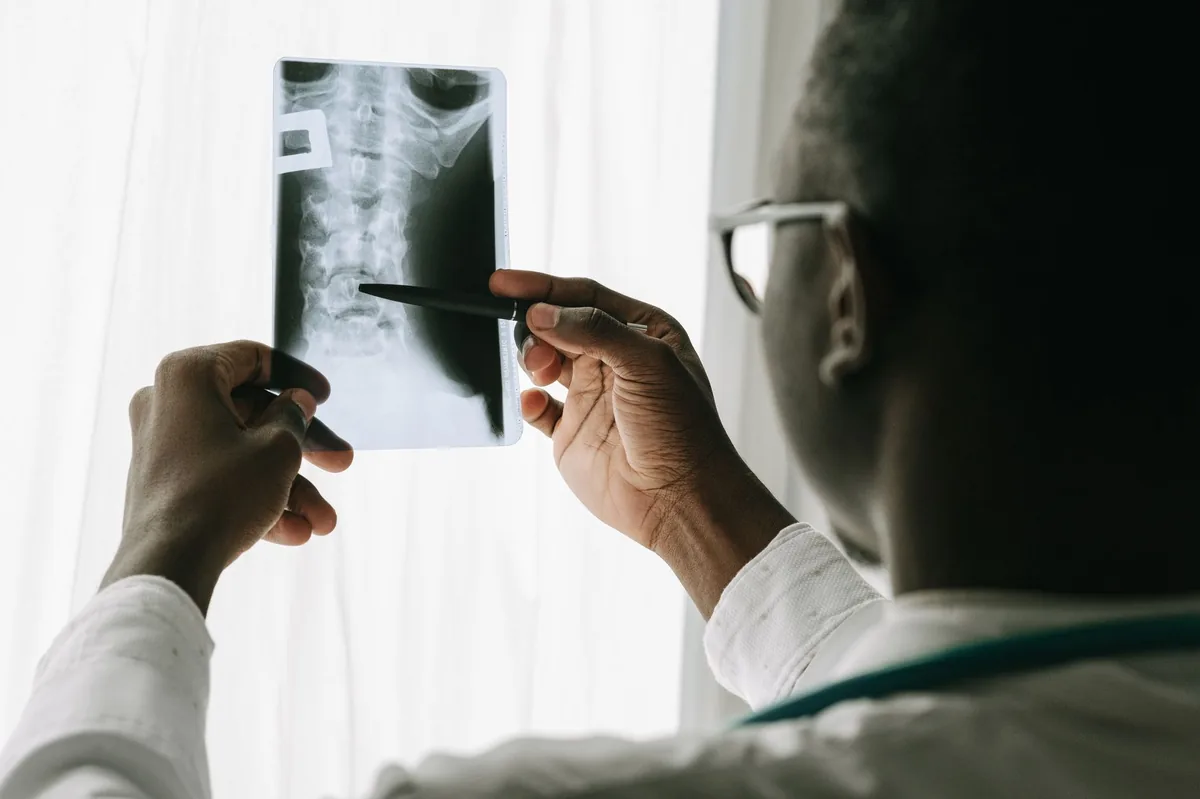
- Plain radiographs (X‑rays): Useful for spotting bony changes, disc calcification, or tumors, but may miss soft‑tissue compression.
- Advanced imaging (MRI or CT): MRI is the gold standard; it visualizes the spinal cord, disc material, and any soft‑tissue masses. CT provides detailed bone images and can be paired with myelography if MRI isn’t available.
- Myelogram (contrast X‑ray): Less common now, but still used when MRI is unavailable.
Blood work (CBC, chemistry) helps rule out systemic disease and assess overall health before anesthesia.
Treatment options
Medical treatment
Most dogs start with conservative management:
- NSAIDs (non‑steroidal anti‑inflammatory drugs): Medications such as carprofen or meloxicam reduce pain and inflammation. Ask your vet about this option.
- Gabapentin or pregabalin: These nerve‑pain modulators are often added when NSAIDs alone aren’t enough.
- Steroids (prednisone): Short‑term courses may help severe inflammation, but long‑term use is limited due to side effects.
- Analgesics: Tramadol or buprenorphine can be used for breakthrough pain under veterinary supervision.
Physical therapy, including hydrotherapy and controlled leash walks, is frequently recommended to maintain muscle tone and improve range of motion.
Supplements and supportive care
Evidence‑based adjuncts that may help:
- Omega‑3 fatty acids (EPA/DHA): Anti‑inflammatory properties; 500–1,000 mg EPA per day is a common dosing range, but your vet will tailor it.
- Glucosamine + chondroitin: May support joint health, especially when osteoarthritis coexists with stenosis.
- Vitamin B12 (cobalamin): Helpful if there’s concurrent nerve degeneration.
These supplements are not a cure, but they can ease discomfort and support recovery when paired with medication and rehab.
Procedures or surgery
When compression is severe or does not improve with medical management, surgery is considered. The most common procedures are:
- Dorsal laminectomy: Removal of a portion of the vertebral arch to decompress the spinal cord. Recovery usually takes 4–6 weeks of restricted activity.
- Hemilaminectomy: Similar to dorsal laminectomy but removes only one side of the vertebra, preserving more bone.
- Intervertebral disc replacement or fusion: Used for disc disease in specific cases.
Post‑operative care includes pain medication, a short course of antibiotics, and a structured physical‑therapy program. Hospitalization for the surgery itself typically ranges from 1–3 days.
Diet and nutrition
Nutrition plays a subtle yet important role in managing spinal stenosis. While no single “spinal‑stenosis diet” exists, tailoring your dog’s meals can help control inflammation, maintain healthy weight, and support nerve health.
Key principles:
- Maintain an optimal body condition score (BCS 4‑5/9): Excess weight adds stress to the spine. A modest calorie reduction or portion control may be needed.
- Choose highly digestible protein sources: Chicken, turkey, or fish provide essential amino acids without excess fat.
- Include omega‑3 fatty acids: Commercial foods labeled “with added fish oil” or a quality supplement can provide EPA/DHA.
- Limit inflammatory ingredients: Avoid excessive grains, artificial preservatives, and foods high in saturated fat.
- Consider joint‑support formulas: Some therapeutic diets (e.g., “joint health” formulas) contain glucosamine, chondroitin, and antioxidants that may benefit dogs with concurrent arthritis.
Below is a quick guide for feeding decisions:
| Food Category | Do feed | Limit | Avoid |
|---|---|---|---|
| Protein | High‑quality animal protein (chicken, turkey, fish) | Moderate‑fat meats | Low‑quality meat meals with fillers |
| Fats | Omega‑3 enriched oils | Excessive saturated fats | Frying oils, butter |
| Carbohydrates | Complex carbs (sweet potato, pumpkin) | Simple carbs (white rice) | High‑gluten grains |
| Supplements | EPA/DHA, glucosamine/chondroitin (if joint disease present) | Excessive calcium | Human vitamins without veterinary guidance |
When transitioning to a new diet, do it gradually over 7‑10 days to avoid gastrointestinal upset. Mix increasing amounts of the new food with decreasing amounts of the old food each day.
Hydration is also vital. Adequate water helps keep intervertebral discs supple. If your dog is reluctant to drink, consider adding a splash of low‑sodium broth to the water bowl.
For dogs with severe inflammation, your vet may recommend a prescription therapeutic diet such as a “renal‑support” or “anti‑inflammatory” formula, but these are chosen case‑by‑case.
Cost and prognosis
Financial considerations are part of the decision‑making process. Below are typical cost ranges (estimates only; actual fees vary by region and clinic).
| Service | US Estimate | UK Estimate |
|---|---|---|
| Initial exam & bloodwork | $150‑$250 | £80‑£130 |
| Plain X‑ray series | $200‑$350 | £120‑£200 |
| MRI (full spine) | $1,200‑$2,500 | £800‑£1,500 |
| Dorsal laminectomy (surgery) | $3,500‑$7,000 | £2,500‑£5,000 |
| Post‑op hospitalization (2‑3 days) | $500‑$1,200 | £300‑£700 |
| Physical therapy (10‑session package) | $800‑$1,500 | £500‑£1,000 |
Prognosis depends on the severity of compression, the dog’s age, and how quickly treatment begins. Dogs with mild to moderate stenosis often regain near‑normal function with medical management and rehab. Surgical cases have a reported 60‑80 % chance of regaining functional ambulation, according to the American College of Veterinary Surgeons (ACVS) outcome data.
Long‑term quality of life is generally good when pain is controlled and the dog maintains a healthy weight. Regular re‑checks (every 6‑12 months) help catch any recurrence early.
Prevention and home care
While you can’t change genetics, several everyday actions can reduce the risk or slow progression:
- Weight management: Keep your dog at an ideal BCS; use low‑calorie treats and measured meals.
- Low‑impact exercise: Regular short walks, swimming, or controlled treadmill work keep muscles supportive without over‑loading the spine.
- Joint supplements: As noted earlier, omega‑3s and glucosamine can mitigate secondary arthritis.
- Environmental safety: Provide non‑slippery flooring, ramps instead of stairs for older dogs, and avoid jumping from heights.
- Routine veterinary exams: Annual check‑ups allow early detection of disc degeneration or bony changes.
Breeds with a higher predisposition include Dachshunds, French Bulldogs, Beagles, and Poodles. If you own one of these breeds, discuss a proactive monitoring plan with your vet.
For more personalized advice, you can use our dog health calculators to estimate ideal body weight and calorie needs.
From our vet team: “If your dog shows any sign of hind‑leg weakness, even if it seems mild, bring them in promptly. Early intervention—whether medication, rehab, or surgery—greatly improves the odds of a full recovery.”
Key takeaways
- Spinal canal narrowing compresses the spinal cord and can cause pain, weakness, or paralysis.
- Early signs are subtle—watch for stiffness, reduced activity, or a changed gait.
- Prompt veterinary evaluation (including MRI when possible) is essential to determine severity.
- Medical management, physical therapy, and surgery are all viable options; the best choice depends on the dog’s condition and owner’s goals.
- Maintain a healthy weight, provide omega‑3 rich foods, and keep exercise low‑impact to help prevent progression.
- Costs vary widely; discuss a detailed estimate with your vet and explore payment plans if needed.
Myth vs. fact
Myth: All dogs with spinal stenosis need surgery.
Fact: Many dogs improve with medication, weight control, and structured rehab; surgery is reserved for severe or refractory cases.
Myth: Once a dog has spinal stenosis, it will inevitably get worse.
Fact: With proper management, the condition can stabilize, and dogs can enjoy a good quality of life for years.
Myth: Only large breeds get spinal canal narrowing.
Fact: Small and medium breeds—especially Dachshunds and French Bulldogs—are actually at higher risk due to disc anatomy.
Frequently asked questions
What are the early signs of narrowing of the vertebral canal in dogs?
Early signs include reluctance to jump, stiffness after resting, subtle limp, and a “tight” back when you gently press along the spine. If you notice these changes for more than a few days, call your vet.
How does spinal stenosis affect a dog’s mobility?
Compression of the spinal cord reduces nerve signals to the muscles, leading to weakness, loss of coordination, and eventually difficulty walking or standing. The severity depends on how much space is lost in the canal.
Can medication reduce pain from spinal canal stenosis in dogs?
Yes. NSAIDs, gabapentin, and short courses of steroids are commonly used to manage pain and inflammation. Your vet will choose the safest regimen based on your dog’s health.
Is surgery always required for canine spinal stenosis?
No. Surgery is considered when medical therapy fails or when the compression is severe enough to cause neurological deficits. Many dogs respond well to conservative treatment alone.
What diagnostic tests are used to confirm vertebral canal narrowing?
The gold standard is MRI, which visualizes soft‑tissue compression. CT scans, sometimes combined with myelography, and plain X‑rays can also provide useful information, especially when MRI isn’t available.
Will my dog recover fully after treatment for spinal stenosis?
Recovery varies. Dogs treated early—whether medically or surgically—often regain near‑normal function. Some may have lingering weakness or require lifelong weight management and physical therapy.
Ask the PuppaDogs community
Have a question this article didn’t fully answer? Want to compare notes with other dog owners who’ve been through this? Our community forum is moderated by experienced owners and vets — and answers tend to come fast. Ask in the PuppaDogs community →
References
- American College of Veterinary Surgeons (ACVS) – “Spinal Stenosis in Dogs” clinical guidelines, 2022.
- American Animal Hospital Association (AAHA) – Pain Management Guidelines for Dogs, 2023.
- Merck Veterinary Manual – “Spinal Cord Injuries” chapter, 2021.
- American Veterinary Medical Association (AVMA) – “Nutrition for Dogs with Orthopedic Conditions,” 2022.
- World Small Animal Veterinary Association (WSAVA) – “Use of NSAIDs in Companion Animals,” 2020.
- University of California, Davis Veterinary Medicine – “Canine Intervertebral Disc Disease” resources, 2023.
- American College of Veterinary Internal Medicine (ACVIM) – “Diagnostic Imaging for Neurologic Diseases,” 2021.
- Veterinary Orthopedic Society – Cost considerations for spinal surgery in dogs, 2022.


