













Quick take: Lockjaw, or trismus, is a painful inability for a dog to open its mouth fully. It can stem from tetanus, dental infections, trauma, or neurologic disease. Early veterinary care—often with antibiotics, muscle relaxants, and supportive nutrition—greatly improves recovery chances. Costs vary, but most owners can expect a few hundred dollars for diagnosis and treatment.
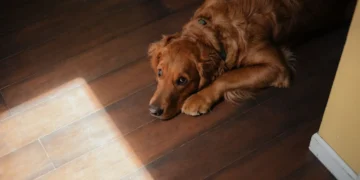
It’s 11 p.m., and your 7‑year‑old Golden Retriever, Milo, isn’t answering the call to go outside. Instead, he lies on the couch, his head tilted, and you notice his mouth is tightly closed—he can’t even lift his chin to lick his paw. Your heart races as you stare at his pale gums, wondering if this is a life‑or‑death emergency.
We’ve seen many owners describe that exact moment: a sudden “stiff jaw” that turns a playful pup into a quiet, uncomfortable dog. The good news is that lockjaw is treatable, especially when caught early. In this guide we’ll explain exactly what lockjaw is, why it happens, how to spot it, what your vet will do, and how you can help your dog recover at home.
Read on to learn the signs, the steps to take tonight, the typical costs, and the nutrition plan that supports healing. If you ever feel unsure, remember that a prompt veterinary exam is the safest path forward.

What is lockjaw in dogs?
Lockjaw, medically called trismus, is the inability of a dog to open its mouth normally because the jaw muscles spasm and stay contracted. It differs from a sore tooth or a cracked tooth, which usually cause pain but still allow the mouth to open. Trismus can affect the entire jaw joint (temporomandibular joint) or just the muscles that close the mouth.
In dogs, lockjaw is relatively uncommon but can appear at any age. Studies from the American College of Veterinary Internal Medicine (ACVIM) estimate that fewer than 1 % of emergency‑room cases involve trismus as a primary complaint. While many owners first think of “tetanus,” a variety of other conditions can cause the same stiff‑jaw sign.
What causes lockjaw?
Lockjaw results when something irritates the nerves or muscles that control jaw opening. The most frequent triggers are:
| Cause | Typical Source | Key Risk Factors |
|---|---|---|
| Tetanus (Clostridium tetani) | Deep puncture wounds, contaminated debris | Outdoor dogs, lack of tetanus vaccination |
| Dental infection or abscess | Severe gum disease, fractured tooth | Poor dental hygiene, older dogs |
| Trauma | Blunt force to the jaw, motor‑vehicle accident | Active breeds, rough play |
| Neurological disorders | Meningitis, encephalitis, botulism | Immune‑mediated disease, exposure to contaminated food |
| Post‑surgical complications | Dental extractions, oral surgery | Recent anesthesia, infection |
While tetanus is a classic cause, most cases in well‑vaccinated pets stem from dental disease or trauma. Certain breeds—such as Bulldogs, Boxers, and Boston Terriers—are more prone to jaw‑related injuries because of their short muzzles, but any dog can develop lockjaw.
Signs and symptoms
Lockjaw can range from mild stiffness to a complete inability to open the mouth. Below is a quick guide to what you might observe.
| Severity | What you’ll see | What it means |
|---|---|---|
| Mild | Dog hesitates to chew, slight head tilt, slight gagging | Early muscle spasm; often reversible with prompt treatment |
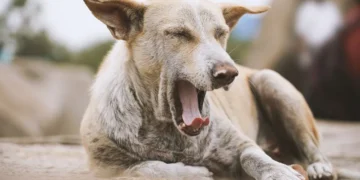
| Moderate | Closed mouth, drooling, difficulty drinking, reduced appetite | Muscle fatigue; risk of dehydration and secondary infection |
| Severe | Jaw locked shut, intense pain, pawing at mouth, pale gums, rapid breathing | Potential tetanus or severe infection; emergency care needed |
Additional red‑flag signs include: excessive drooling, pawing at the face, facial swelling, fever, or a foul odor from the mouth. If any of these appear, act quickly.
When to call your vet
Call your vet today if you notice any of the following:
- Mild to moderate jaw stiffness that lasts longer than a few hours.
- Drooling, reduced appetite, or the dog seems uncomfortable when trying to eat or drink.
- Recent wound, dental procedure, or trauma to the head or jaw.
Go to an emergency clinic right now if you see any of these urgent signs:
- Jaw is completely locked shut and the dog cannot open its mouth at all.
- Pale or bluish gums, rapid breathing, or signs of shock.
- Severe pain, frantic pawing, or the dog is unable to drink water.
These guidelines are for information only and do not replace a hands‑on veterinary exam. If you’re ever in doubt, err on the side of caution and seek professional help.
How vets diagnose lockjaw
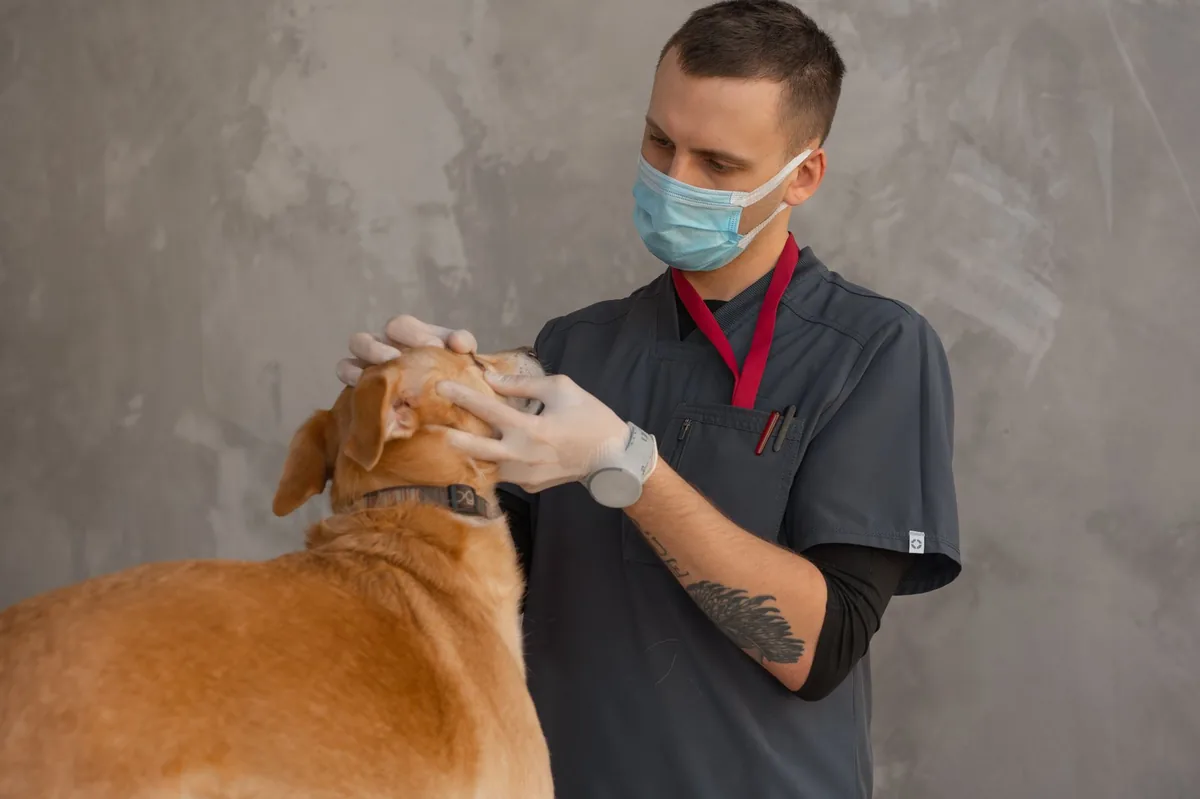
Veterinarians start with a thorough history: when the signs began, any recent injuries, dental work, or vaccination status. A physical exam follows, focusing on the temporomandibular joint, facial muscles, and oral cavity.
Typical diagnostic tools include:
- Radiographs (X‑rays): Reveal fractures, dental abscesses, or bone changes.
- CT or MRI scans: Offer detailed views of soft tissue, nerves, and the joint when neurological causes are suspected.
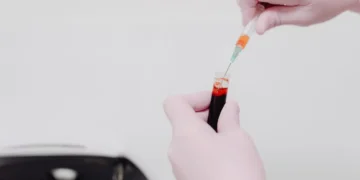
- Blood work: Complete blood count (CBC) and chemistry panel can show infection, inflammation, or tetanus toxin effects.
- Culture and sensitivity: If a wound or dental infection is present, samples are cultured to guide antibiotic choice.
These tests help the vet pinpoint the underlying cause, which then directs the treatment plan.
Treatment options
Medical treatment
Once the cause is identified, most dogs receive a combination of:
- Antibiotics: Broad‑spectrum drugs such as amoxicillin‑clavulanate or clindamycin are common for dental infections; metronidazole may be added for anaerobic bacteria.
- Muscle relaxants: Medications like diazepam or methocarbamol help relieve the jaw‑closing spasm.
- Pain relief: Non‑steroidal anti‑inflammatory drugs (NSAIDs) such as carprofen or meloxicam reduce pain and inflammation.
- Tetanus antitoxin: If tetanus is suspected, a tetanus immune globulin (TIG) injection is administered, followed by a booster vaccine series.
All drug choices should be discussed with your veterinarian—ask your vet about the best options for your dog’s specific situation.
Supplements and supportive care
Adjunctive supplements can aid recovery, especially when inflammation or infection is present:
- Omega‑3 fatty acids (EPA/DHA): Help reduce systemic inflammation and support joint health.
- Vitamin B complex: May assist nerve function if a neurological component is involved.
- Probiotics: Maintain gut health during antibiotic therapy, reducing diarrhea risk.
These are optional and should be introduced after discussing dosage with your vet. They are not a substitute for prescribed medication.
Procedures or surgery
If a dental abscess or fractured tooth is the root cause, extraction or debridement may be necessary. The procedure is usually performed under general anesthesia, followed by a recovery period of 1–2 weeks.
Physical therapy—gentle jaw‑opening exercises performed by a certified canine rehab specialist—can speed up muscle relaxation. Costs for dental surgery range from $500–$1,200 USD in the United States and £350–£900 GBP in the United Kingdom, depending on complexity and geographic location.
Diet and nutrition
Nutrition plays a pivotal role in healing. While there is no “lockjaw‑specific” commercial diet, choosing foods that are easy to eat and support tissue repair can make a big difference.
Key principles:
- Soft, highly digestible protein: Reduces chewing effort and supplies essential amino acids for muscle repair. Boiled chicken, ground turkey, or high‑quality canned wet food are good choices.
- Moderate calories: Keep energy intake sufficient to prevent weight loss, but avoid overfeeding which can stress the jaw.
- Hydration: Provide plenty of fresh water or low‑sodium broth. If the mouth is too painful to drink, offer water via a syringe (without a needle) under vet guidance.
- Limited sodium: Excess sodium can increase muscle tension. Choose low‑salt kibble or rinse canned food.
- Omega‑3 enrichment: Adding a fish oil capsule (as advised by your vet) supports anti‑inflammatory processes.
Foods to avoid include very hard kibble, raw bones, or tough chews that force the jaw to work harder. If your dog is on a prescription diet for another condition (e.g., renal diet), continue it unless your vet recommends a temporary switch.
| Do feed | Limit | Avoid |
|---|---|---|
| Soft canned protein (chicken, turkey, fish) | Dry kibble (soak for 10 min) | Hard bones, rawhide chews |
| Warmed low‑salt broth | High‑fat treats | Spicy or heavily seasoned foods |
| Fish oil supplement (vet‑approved dose) | Large raw meat chunks | Any food that triggers gagging |
Transitioning to a softer diet should be gradual. Mix a small amount of the new food with the current diet, increasing the soft portion over 2–3 days. This helps avoid gastrointestinal upset.
For senior dogs or those with chronic dental disease, consider a therapeutic dental diet formulated to reduce plaque and tartar while remaining easy to chew. Brands that meet AAFCO nutritional standards are safe, but always check with your vet before switching.
Cost and prognosis
Financial expectations vary by region and severity:
- Initial exam and diagnostics: $150–$300 USD (≈ £120–£250 GBP) for blood work, X‑rays, and basic imaging.
- Antibiotic course + muscle relaxant: $30–$100 USD (≈ £25–£80 GBP) for a 7‑day supply.
- Dental surgery (if needed): $500–$1,200 USD (≈ £350–£900 GBP).
- Physical therapy: $50–$150 USD per session, often 2–4 sessions.
Overall, most owners spend between $300 and $2,000 USD for a full work‑up and treatment, depending on complexity.
Prognosis is generally good when the underlying cause is treated promptly. Dogs with tetanus‑related trismus have a higher mortality rate (up to 30 %) if not treated early, but those who receive antitoxin and supportive care often recover fully within 2–4 weeks. Dental‑infection cases typically improve within 10–14 days of antibiotics and may need a follow‑up extraction.
Prevention and home care
Many lockjaw triggers are avoidable with routine care:
- Vaccination: Keep tetanus boosters current (every 3 years) if your dog has a high exposure risk. The AAHA recommends annual core vaccines and triennial boosters for tetanus‑prone dogs.
- Dental hygiene: Brush your dog’s teeth several times a week with a canine‑safe toothbrush and toothpaste. Regular professional cleanings (once a year) reduce infection risk.
- Wound management: Clean any puncture wounds promptly with antiseptic solution and seek veterinary care for deep or contaminated injuries.
- Safe play: Supervise rough‑housing, especially with breeds prone to jaw injuries. Use appropriate toys that won’t fracture teeth.
- Regular check‑ups: Annual wellness exams let your vet catch early dental disease or neurological issues before they cause trismus.
At home, monitor your dog’s ability to open its mouth each day. A quick “jaw‑check”—gently lifting the lower lip and observing the opening angle—can catch subtle changes early. If you notice any regression, contact your vet right away.
From our vet team: “Lockjaw can look scary, but most cases are manageable when caught early. The combination of proper antibiotics, gentle jaw exercises, and a soft diet often gets dogs back to normal in a few weeks. Don’t wait for the pain to worsen—reach out to your vet as soon as you see the first sign of a stiff jaw.”
Key takeaways
- Lockjaw (trismus) is a painful inability to open the mouth and can be caused by tetanus, dental infection, trauma, or neurologic disease.
- Early signs include drooling, difficulty drinking, and a mildly closed mouth; severe cases require immediate emergency care.
- Veterinary diagnosis typically involves a physical exam, blood work, and imaging such as X‑rays or CT scans.
- Treatment combines antibiotics, muscle relaxants, pain medication, and, when needed, dental surgery or physical therapy.
- Feed a soft, highly digestible diet enriched with omega‑3s and keep water readily available to support recovery.
- Maintain up‑to‑date tetanus vaccinations, regular dental care, and prompt wound cleaning to prevent lockjaw from developing.
Myth vs. fact
Myth: Only tetanus causes lockjaw in dogs.
Fact: While tetanus is a classic cause, dental infections, trauma, and neurological disorders are far more common in vaccinated pets.
Myth: If a dog can still chew a little, the problem isn’t serious.
Fact: Even mild trismus can lead to dehydration and secondary infection; any persistent jaw stiffness warrants a vet visit.
Myth: Home remedies like warm compresses can cure lockjaw.
Fact: Warm compresses may provide comfort, but definitive treatment requires veterinary antibiotics, muscle relaxants, and often professional dental care.
Frequently asked questions
What are the early signs of lockjaw in a dog?
Early signs include subtle drooling, a slightly closed mouth, reluctance to chew, and a mild head tilt. If these persist for more than a few hours, schedule a veterinary appointment.
Can lockjaw be caused by something other than tetanus?
Yes. Dental abscesses, jaw trauma, neurological diseases, and post‑surgical complications are common non‑tetanus causes of lockjaw.
How quickly should I see a vet if my dog has lockjaw?
Call your regular vet today for any degree of jaw stiffness. If the mouth is completely locked, the dog can’t drink, or gums look pale, go to an emergency clinic immediately.
What treatments are available for lockjaw in dogs?
Treatment usually involves antibiotics to clear infection, muscle relaxants to ease spasm, pain medication, and supportive care such as a soft diet. Dental surgery or physical therapy may be needed for underlying causes.
Will my dog regain full jaw function after lockjaw?
Most dogs recover full range of motion within 2–4 weeks if the underlying cause is treated promptly. Severe tetanus cases may need longer rehabilitation, but full recovery is still possible.
Is lockjaw more common in certain dog breeds?
Breeds with short muzzles—like Bulldogs, Boxers, and Boston Terriers—are at higher risk for jaw injuries that can lead to lockjaw. However, any breed can develop trismus from infection or tetanus.
Ask the PuppaDogs community
Have a question this article didn’t fully answer? Want to compare notes with other dog owners who’ve been through this? Our community forum is moderated by experienced owners and vets — and answers tend to come fast. Ask in the PuppaDogs community →
References
- American College of Veterinary Internal Medicine (ACVIM) – Guidelines on Trismus in Dogs, 2022.
- American Animal Hospital Association (AAHA) – Core Vaccination Recommendations, 2023.
- Merck Veterinary Manual – Tetanus in Dogs, updated 2023.
- American Veterinary Medical Association (AVMA) – Dental Disease in Dogs, 2021.
- World Small Animal Veterinary Association (WSAVA) – Pain Management in Canine Patients, 2022.
- Veterinary Oral Health Council – Best Practices for Canine Dental Hygiene, 2023.
- University of California, Davis Veterinary Medicine – Canine Neurological Disorders Overview, 2022.
- AAFP – Physical Rehabilitation Guidelines for Dogs, 2021.
- Royal College of Veterinary Surgeons – Cost of Veterinary Dental Surgery in the UK, 2023.


