















Quick take: Leptospirosis is a bacterial infection that dogs can catch from contaminated water, soil, or infected animals. Early signs include fever, loss of appetite, and yellow‑tinged gums; it can become life‑threatening if it damages the kidneys or liver. Prompt veterinary care, antibiotics, and supportive care lead to most dogs recovering fully, and a vaccine is available for high‑risk dogs.
It’s 11 p.m., you’re in the kitchen sipping coffee, and your usually‑bouncy Jack Russell terrier is lying still, eyes half‑closed, with gums that look a shade paler than usual. You glance at the clock, your heart starts to race, and the internet’s flood of “dog fever” articles begins. You wonder: is this something serious, and what can you do right now?
We get it. A sudden change in energy, appetite, or bathroom habits can feel like a personal alarm bell. Leptospirosis in dogs is a real, zoonotic disease—meaning it can jump to humans—but it’s also treatable when caught early. In this guide we’ll explain what leptospirosis is, how dogs pick it up, the signs to watch for, how vets confirm the diagnosis, treatment options, cost expectations, and practical steps you can take to protect your pup and your family.
By the end you’ll know exactly what to look for, when to call the vet, what the treatment plan may involve, and how to keep your dog safe from future exposure. Let’s dive in.
What is leptospirosis in dogs?
Leptospirosis is caused by Leptospira bacteria—spiral‑shaped microbes that thrive in warm, moist environments. When a dog becomes infected, the bacteria can spread through the bloodstream and target organs such as the kidneys, liver, lungs, and eyes. In dogs, the disease ranges from a mild flu‑like illness to severe kidney or liver failure.
According to the American Veterinary Medical Association (AVMA) and the Centers for Disease Control and Prevention (CDC), leptospirosis is an emerging zoonosis worldwide. In the United States, an estimated 100,000 human cases occur each year, and a notable proportion are linked to infected pets. While exact prevalence in dogs varies by region, studies from the Merck Veterinary Manual suggest that outdoor, water‑loving breeds and dogs living in humid climates are more commonly diagnosed.
What causes leptospirosis in dogs?
Leptospira bacteria are shed in the urine of infected animals—wild rodents, livestock, and other dogs are common carriers. Dogs acquire the infection through:
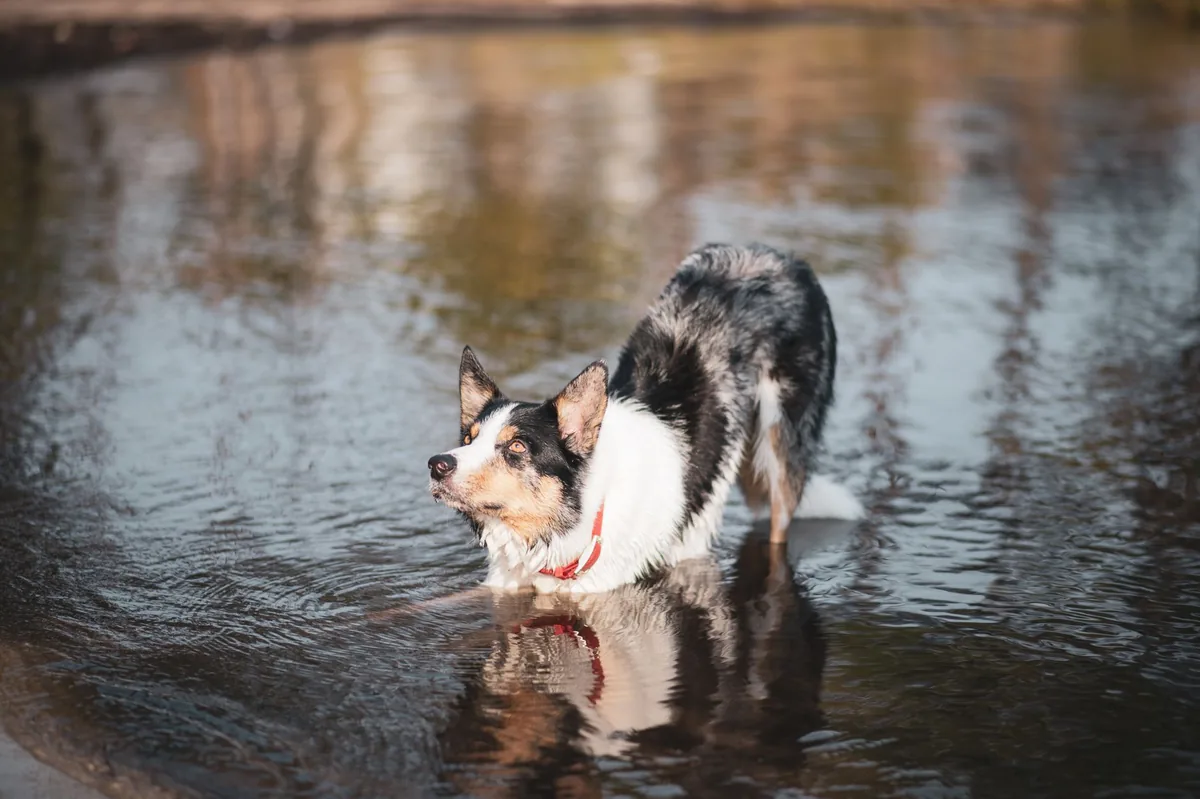
- Drinking or swimming in contaminated water (ponds, puddles, or even a backyard pool).
- Contact with moist soil or grass that has been tainted by infected urine.
- Sniffing or licking contaminated surfaces, including other dogs’ fur or bedding.
- Being bitten by an infected animal, though this is less common.
Risk factors include:
| Risk factor | Why it matters |
|---|---|
| Outdoor lifestyle | More exposure to standing water and wildlife. |
| Living in humid or tropical regions | Leptospira survives longer in warm, wet conditions. |
| Working or hunting dogs | Frequent contact with soil and animal carcasses. |
| Unvaccinated dogs | Vaccination reduces, but does not eliminate, risk. |
Because the bacteria can survive for weeks in water, even a short splash can be enough to infect a curious pup.
Signs and symptoms
Leptospirosis can mimic many other illnesses, which is why early recognition is crucial. Symptoms usually appear 5–14 days after exposure.
| Severity | Typical signs |
|---|---|
| Mild | Fever, lethargy, loss of appetite, mild vomiting, occasional diarrhea. |
| Moderate | Yellowing of gums or whites of eyes (jaundice), increased thirst, frequent urination, noticeable muscle pain. |
| Severe | Kidney failure (dark urine, reduced urination), liver failure (severe jaundice, abdominal swelling), bleeding disorders, respiratory distress. |
Early clues often show up as subtle changes: a dog that’s usually enthusiastic about walks suddenly “sits out” of a stroll, or a normally picky eater skips meals altogether. As the disease progresses, you may notice darker urine, a distinct “musty” odor, or a noticeable drop in energy.
When to call your vet
Call your vet today if you notice:
- Fever (temperature above 103 °F/39.4 °C) or shivering.
- Loss of appetite lasting more than 24 hours.
- Vomiting or diarrhea that isn’t improving.
- Yellowish gums, whites of the eyes, or skin.
- Increased thirst or urination.
Go to an emergency veterinary hospital right now if you see any of these signs:
- Severe lethargy or collapse.
- Bleeding from the nose, gums, or other sites.
- Difficulty breathing or rapid, shallow breaths.
- Very dark (almost black) urine or a sudden drop in urine output.
- Signs of severe pain such as whimpering, trembling, or refusing to move.
These red‑flag signs suggest organ failure that needs immediate supportive care. This article is for informational purposes only and does not replace a hands‑on veterinary examination.
How vets diagnose leptospirosis
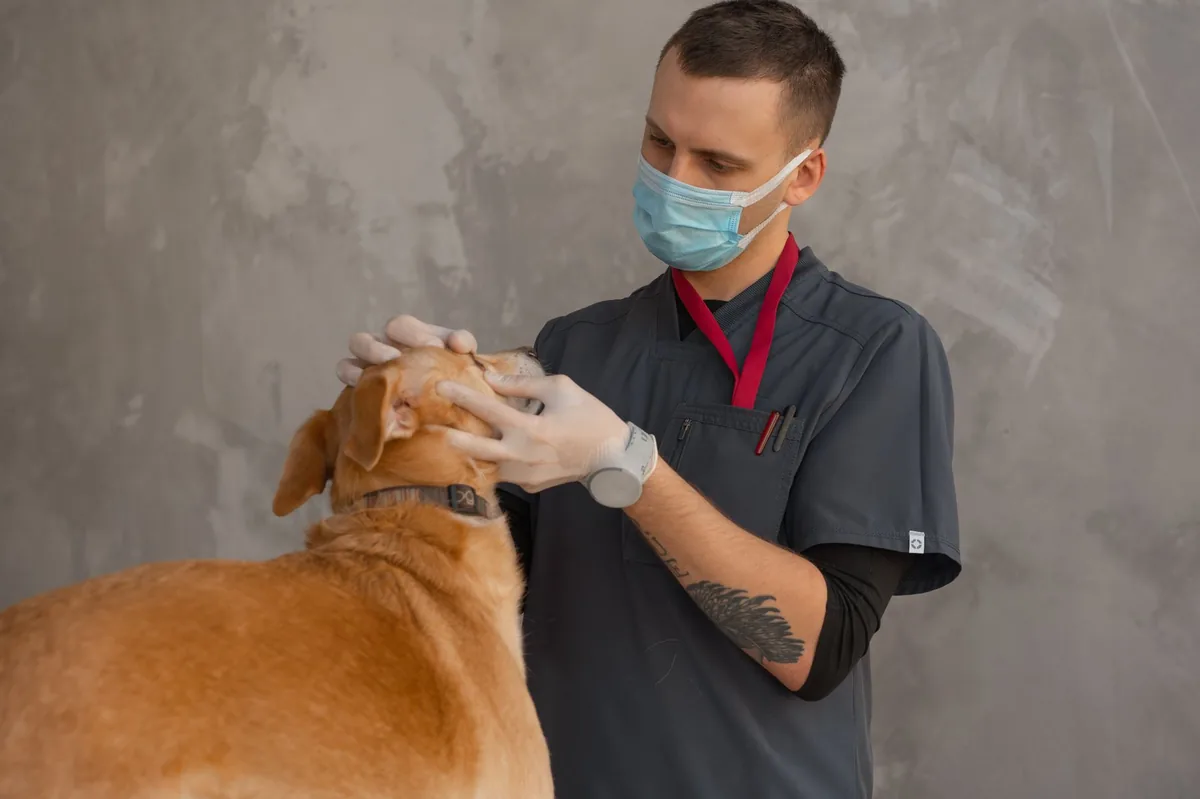
Diagnosis combines a thorough history, physical exam, and targeted laboratory tests. Your vet will first ask about recent water exposure, outdoor activities, and vaccination status.
- Blood work (CBC and chemistry panel): Looks for anemia, elevated liver enzymes, and kidney markers such as BUN and creatinine.
- Serology (MAT or ELISA): Detects antibodies that the dog’s immune system produces against Leptospira. A rising antibody titer over 1–2 weeks confirms infection.
- Polymerase chain reaction (PCR): Detects bacterial DNA in blood or urine, offering a rapid and highly specific diagnosis.
- Urine culture: Gold‑standard but takes 2–3 weeks; used when PCR isn’t available.
The American College of Veterinary Internal Medicine (ACVIM) recommends confirming infection with either a positive PCR or a paired serology showing a four‑fold rise in titer. Imaging (ultrasound or X‑ray) may be performed if kidney or liver disease is suspected.
Treatment options
Medical treatment
Antibiotics are the cornerstone of therapy. The most commonly used drugs, as outlined by the Merck Veterinary Manual, include:
- Doxycycline: A broad‑spectrum antibiotic that penetrates kidney tissue well. Most vets start with a 5‑day course.
- Ampicillin or amoxicillin: Often used for a 7‑10 day regimen, especially in dogs with gastrointestinal upset.
- Penicillin G potassium: May be chosen for severe cases when rapid bacterial clearance is needed.
Supportive care is equally important. Intravenous fluids help maintain hydration and support kidney function, while anti‑emetics (e.g., ondansetron) control nausea. If liver involvement is significant, your vet may add hepatoprotectants such as SAMe or milk thistle, but always ask your vet about this option.
Supplements and supportive care
While antibiotics treat the infection, certain supplements can aid organ recovery:
- Omega‑3 fatty acids (EPA/DHA): Reduce inflammation in the kidneys and liver; look for high‑quality fish‑oil capsules.
- Probiotics: Help restore gut flora after antibiotic courses; strains like Enterococcus faecium are well‑studied in dogs.
- Renal‑support supplements: Low‑phosphorus, low‑protein formulations (e.g., renal‑specific powders) can be added if kidney function is compromised.
These are adjuncts and should never replace prescribed medication. Discuss any supplement with your vet to avoid interactions.
Procedures or surgery
Most cases resolve with medical therapy, but severe kidney failure may require more intensive interventions. In rare, advanced situations, hemodialysis (a form of kidney dialysis) is performed at specialty centers to bridge the dog until kidney function recovers—a costly but life‑saving option.
Diet and nutrition
Nutrition plays a pivotal role in recovery from leptospirosis, especially when the kidneys or liver are affected. The goal is to provide high‑quality, easily digestible protein while minimizing strain on the compromised organs.
What to feed
- Cooked, lean meats such as boiled chicken or turkey (skin removed) – these provide high‑quality protein without excess fat.
- Prescription renal diets (e.g., Hill’s k/d, Royal Canin Renal) if kidney markers are elevated. These diets are low in phosphorus and protein but still meet essential amino acid needs.
- Low‑fat, low‑sodium home‑cooked meals or commercial therapeutic foods that support liver health – look for “hepatoprotective” formulations.
- Fresh water at all times; encourage small, frequent sips to aid hydration without overloading the kidneys.
What to limit
- High‑sodium treats (processed meats, cheese, salty biscuits) – excess sodium can worsen kidney workload.
- Heavy, fatty foods (e.g., fried chicken, bacon) – they increase liver stress.
- Large protein meals in a single serving – spread protein across 2–3 meals to ease digestion.
What to avoid
- Raw diets unless vetted by a veterinarian, because raw meat can harbor leptospira or other pathogens.
- Grapes, raisins, onions, and garlic – toxic to dogs and can compound liver injury.
- Excessive dairy – many dogs are lactose intolerant, and dairy can trigger gastrointestinal upset during recovery.
| Do feed | Limit | Avoid |
|---|---|---|
| Boiled chicken, turkey, low‑fat cottage cheese | Salty treats, high‑fat foods | Raw meat, grapes, onions |
| Prescription renal diet (if kidney involvement) | Large single protein meals | Dairy excess |
| Omega‑3 fish oil supplement | Excess sodium in table scraps | Any toxic foods |
Transition any new diet gradually over 5–7 days to avoid gastrointestinal upset. Start with 25 % new food mixed with 75 % current diet, then increase the new portion every couple of days. This helps the gut adjust while the liver and kidneys are healing.
During recovery, keep meals modest—about 2–3% of your dog’s body weight per day, divided into 2–3 meals. Monitor urine output and stool consistency; if you notice persistent diarrhea or very dark urine, contact your vet promptly.
Cost and prognosis
Financial considerations are an important part of planning treatment. Below are typical cost ranges for the United States and the United Kingdom; actual fees vary by clinic, region, and severity of disease.
| Service | US (estimate) | UK (estimate) |
|---|---|---|
| Initial exam & blood work | $150–$250 | £80–£130 |
| Leptospira PCR test | $120–$180 | £70–£110 |
| Serology (MAT) – paired | $80–$130 | £45–£80 |
| Antibiotic course (doxycycline) | $30–$60 | £20–£40 |
| IV fluids & hospitalization (per day) | $80–$150 | £50–£100 |
| Dialysis (if needed) | $2,000–$4,500 | £1,500–£3,200 |
Overall, uncomplicated cases usually total $300–$600 (≈£200–£400) in the US, while severe kidney involvement can exceed $2,000. Prognosis depends on how quickly treatment begins and which organs are affected. Dogs treated early often recover fully within 2–3 weeks, whereas those with advanced renal failure may have a guarded to poor outlook.
Vaccination dramatically reduces the risk of severe disease. The AAHA recommends a yearly leptospirosis vaccine for dogs at risk (e.g., those with outdoor access, water play, or hunting activities). Even vaccinated dogs can still contract the infection, but the vaccine typically lessens severity.
Prevention and home care
Preventing leptospirosis is a combination of vaccination, environmental management, and routine health checks.
- Vaccinate: Follow the yearly leptospirosis vaccine schedule for puppies (first dose at 12 weeks, booster 2–4 weeks later, then annual revaccination). Your vet can tailor the schedule based on local risk.
- Control rodent populations: Keep your yard free of standing water, trim grass, and store food in sealed containers to discourage rats and mice.
- Limit exposure to stagnant water: Avoid letting your dog drink from or swim in ponds, ditches, or untreated pools, especially after heavy rain.
- Hygiene after outdoor adventures: Rinse paws and fur with clean water, and wash your hands thoroughly after handling your dog.
- Regular veterinary wellness exams: Blood chemistry panels can catch early kidney or liver changes before they become critical.
For backyard dogs that love to dig or splash, consider providing fresh water bowls and a shaded, dry area to discourage drinking from puddles. If you live in a high‑risk area, discuss additional preventive measures such as monthly flea‑and‑tick preventatives that also target leptospira‑carrying ticks.
From our vet team: “Leptospirosis can look like a simple tummy upset, but it’s a systemic infection that spreads quickly. If you notice fever, yellow gums, or a sudden change in urination, get your dog in front of a vet within the same day. Early antibiotics and fluid therapy make the difference between a quick recovery and a life‑threatening situation.”
Key takeaways
- Leptospirosis spreads through contaminated water and urine; early signs include fever, loss of appetite, and yellow gums.
- Call your vet today for fever, vomiting, or loss of appetite; go to an emergency clinic if your dog collapses, has dark urine, or shows severe breathing difficulty.
- Diagnosis relies on blood work, PCR, or paired serology; treatment is a 5‑10 day course of antibiotics plus supportive fluids.
- Vaccination, avoiding stagnant water, and rodent control are the most effective ways to prevent infection.
- Recovery usually takes 2–3 weeks for mild cases; severe kidney involvement may need prolonged care and higher costs.
Myth vs. fact
Myth: Leptospirosis only affects working or hunting dogs.
Fact: Any dog that drinks or swims in contaminated water can contract leptospirosis, including household pets with backyard access.
Myth: The leptospirosis vaccine is unnecessary if your dog is indoor‑only.
Fact: Even indoor dogs can be exposed via contaminated shoes, soil on paws, or an infected household member; vaccination adds an important layer of protection.
Myth: Antibiotics cure leptospirosis instantly.
Fact: While antibiotics are effective, supportive care (fluids, monitoring organ function) is essential for a full recovery.
Frequently asked questions
What symptoms should I watch for if I think my dog has leptospirosis?
Look for fever, lethargy, loss of appetite, vomiting, diarrhea, yellow‑tinged gums or eyes, increased thirst, and dark or reduced urine output. Early detection improves treatment success.
How do veterinarians test for leptospirosis in dogs?
Vets use a combination of blood chemistry panels, PCR testing of blood or urine to detect bacterial DNA, and paired serology (MAT or ELISA) to measure rising antibody levels. A positive PCR or a four‑fold rise in titer confirms infection.
Is leptospirosis a fatal disease for dogs?
It can be life‑threatening if it causes severe kidney or liver failure, but with prompt antibiotics and supportive care, most dogs recover fully. Early treatment is the key factor in survival.
What antibiotics are used to treat leptospirosis in dogs?
Common choices include doxycycline, ampicillin/amoxicillin, and penicillin G potassium. Your vet will select the drug based on your dog’s condition and any concurrent health issues.
How much does a full course of leptospirosis treatment cost?
In the United States, uncomplicated cases typically cost $300–$600 for diagnostics, antibiotics, and hospitalization. Severe cases requiring dialysis can exceed $2,000. Costs vary by region and clinic.
Can my dog’s leptospirosis infection be passed to my family?
Yes—leptospirosis is zoonotic. Humans can contract the bacteria through direct contact with infected urine or contaminated water. Practicing good hygiene (hand washing after handling your dog or cleaning up after them) reduces the risk.
Ask the PuppaDogs community
Have a question this article didn’t fully answer? Want to compare notes with other dog owners who’ve been through this? Our community forum is moderated by experienced owners and vets — and answers tend to come fast. Ask in the PuppaDogs community →
References
- American Veterinary Medical Association (AVMA), Leptospirosis Overview, 2023.
- American Animal Hospital Association (AAHA), Canine Vaccination Guidelines, 2023.
- Merck Veterinary Manual, “Leptospirosis in Dogs” chapter, 2022.
- American College of Veterinary Internal Medicine (ACVIM), Consensus Statement on Leptospirosis Diagnosis, 2021.
- Centers for Disease Control and Prevention (CDC), Leptospirosis – Zoonotic Disease Information, 2023.
- World Small Animal Veterinary Association (WSAVA), Zoonotic Diseases and Prevention, 2022.
- University of California, Davis School of Veterinary Medicine, Leptospirosis Clinical Guidelines, 2022.
- American Association of Feed Control Officials (AAFCO), Nutrient Profiles for Renal Support Diets, 2023.


