
















Quick take: Irregular heart rhythms (arrhythmias) in dogs are abnormal electrical patterns that can range from harmless to life‑threatening. Common signs include fainting, lethargy, or an irregular pulse. Immediate veterinary evaluation is essential if your dog shows severe symptoms, but many arrhythmias can be managed with medication, diet, and routine monitoring.
It’s 11 p.m., the living‑room light is dim, and your senior Boxer isn’t greeting you at the door like usual. Instead, he’s lying on his side, breathing shallowly, and you notice his chest moving in a strange, “skipping” rhythm. Your heart starts to race as you wonder: is this an emergency?
We know how unsettling a possible heart problem feels. The good news is that with prompt veterinary care, many dogs with irregular heart rhythms live comfortable, active lives. In this guide we’ll explain what arrhythmias are, what to look for, how vets diagnose them, treatment options, costs, diet tips, and how you can help prevent future episodes.
Read on for a step‑by‑step look at the most common canine arrhythmias, the breeds that tend to be affected, and practical advice you can use tonight and tomorrow.
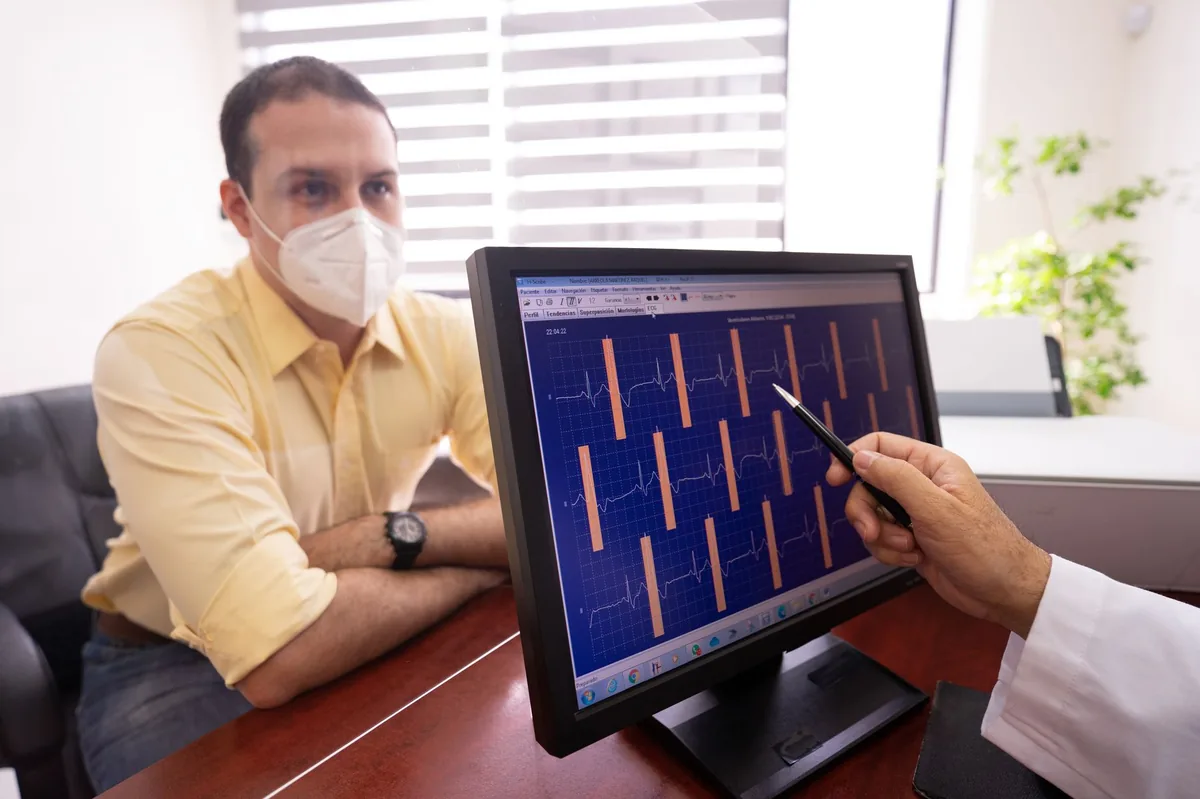
What is irregular heart rhythms in dogs?
Irregular heart rhythms, or arrhythmias, are disturbances in the normal electrical sequence that makes the heart contract. In a healthy dog, each beat follows a regular pattern that pumps blood efficiently. An arrhythmia means the heart may beat too fast, too slow, or with an uneven rhythm, which can affect how well blood reaches vital organs.
Arrhythmias are fairly common in dogs, especially in older or large‑breed dogs. Studies from the American College of Veterinary Internal Medicine (ACVIM) estimate that up to 15 % of dogs over ten years old show some form of electrical abnormality on routine ECG screening.
What causes it?
Several factors can trigger an irregular heartbeat. Below is a quick overview of the most frequent categories.
- Heart disease: Dilated cardiomyopathy, valvular disease, or congenital defects can disrupt the heart’s electrical pathways.
- Electrolyte imbalances: Low potassium (hypokalemia) or high calcium can provoke arrhythmias.
- Systemic illnesses: Thyroid disease, kidney failure, and severe infections may affect cardiac rhythm.
- Medications or toxins: Certain drugs (e.g., some antibiotics) or toxic exposures (e.g., lead) can interfere with the heart’s conduction system.
- Breed predisposition: Large breeds (e.g., Doberman Pinscher, Boxer, Great Dane) and some brachycephalic breeds have a higher incidence of specific arrhythmias.
Signs and symptoms
Arrhythmias can be silent or produce obvious signs. Early or mild signs often slip by unnoticed, while severe cases demand immediate attention.
| Severity | Typical signs |
|---|---|
| Mild | Brief episodes of rapid breathing, subtle irregular pulse felt at the femoral artery, occasional dizziness. |
| Moderate | Fainting (syncope), noticeable irregular heartbeat when the chest is felt, decreased stamina on walks. |
| Severe | Collapse, blue‑tinged gums, labored breathing, sudden weakness, seizures. |
Common specific signs include:
- Irregular or “skipping” pulse when you place your hand on the thigh or chest.
- Fainting episodes, especially after excitement or exercise.
- Lethargy, reduced appetite, or weight loss.
- Rapid, shallow breathing or coughing.
- Visible “fluttering” of the heart wall on the chest wall.
When to call your vet
Call your vet today if you notice:
- Fainting or collapse, even once.
- Persistent irregular pulse or rapid breathing.
- Sudden lethargy, loss of appetite, or weakness.
- Blue or pale gums.
Go to an emergency veterinary hospital right now if you see:
- Severe collapse with no response to gentle stimulation.
- Chest pain, rapid heart rate (>200 bpm) with difficulty breathing.
- Seizure‑like activity coupled with an irregular heartbeat.
These guidelines are for information only and do not replace professional veterinary care.
How vets diagnose it
Diagnosing a cardiac arrhythmia involves a combination of history, physical exam, and specific tests.
- Electrocardiogram (ECG): A quick, non‑invasive test that records the heart’s electrical activity. It can pinpoint the type of arrhythmia (e.g., atrial fibrillation vs. ventricular tachycardia).
- Holter monitor: A portable ECG worn for 24‑48 hours that captures intermittent rhythms that a short ECG might miss.
- Blood work: Checks for electrolyte imbalances, thyroid levels, kidney function, and markers of heart disease (e.g., NT‑proBNP).
- Chest X‑rays and echocardiogram: Imaging to evaluate heart size, wall thickness, and overall cardiac function.
- Blood pressure measurement: Hypertension can exacerbate certain arrhythmias.
These tests help the veterinarian determine the underlying cause and guide treatment decisions.

Treatment options
Medical treatment
Medication is the mainstay for most arrhythmias. Common drug classes include:
- Anti‑arrhythmic agents: Such as mexiletine or propafenone, which help stabilize abnormal electrical activity.
- Beta‑blockers: Like atenolol or carvedilol, useful for slowing a fast heart rate and reducing stress on the heart.
- Calcium channel blockers: diltiazem can be effective for atrial fibrillation.
- ACE inhibitors: enalapril or benazepril support overall heart function, especially if underlying heart disease is present.
Ask your vet about these options; the exact drug and dose will depend on your dog’s weight, type of arrhythmia, and any concurrent illnesses.
Supplements and supportive care
While supplements cannot replace prescription medication, several have evidence of supporting cardiac health:
- Omega‑3 fatty acids (EPA/DHA): Shown to reduce inflammation and improve heart rhythm stability. Look for a fish‑oil supplement formulated for dogs.
- L‑carnitine: May benefit dogs with dilated cardiomyopathy, a common cause of ventricular arrhythmias.
- Coenzyme Q10: Antioxidant that can aid mitochondrial function in heart muscle cells.
Introduce any supplement only after discussing it with your veterinarian, as interactions with anti‑arrhythmic drugs are possible.
Procedures or surgery
In rare cases, an invasive approach may be required:
- Catheter ablation: A minimally invasive technique that destroys tiny areas of heart tissue causing abnormal electrical signals. It’s most common for refractory ventricular tachycardia.
- Pacemaker implantation: Used when the heart beats too slowly (bradyarrhythmia). The device maintains a regular rhythm.
- Cardiac surgery: For structural problems like severe valvular disease that secondarily cause arrhythmia.
These procedures typically involve a short hospital stay, and costs can range from $5,000 USD for a pacemaker to $15,000 USD for advanced ablation, depending on location and facility.
Diet and nutrition
Nutrition plays a supportive role in managing arrhythmias, especially when heart disease underlies the rhythm problem. Feeding a balanced, heart‑healthy diet can improve cardiac output, reduce inflammation, and help maintain optimal electrolyte levels.
What to feed
- High‑quality protein: Easily digestible sources such as chicken, turkey, or fish help preserve lean body mass without overloading the heart.
- Moderate fat, high omega‑3: Look for formulas with added fish oil or supplement EPA/DHA (0.5‑1 % of diet).
- Low sodium: Excess salt can increase blood pressure and fluid retention. Choose “reduced‑sodium” or “cardiac” therapeutic diets, or add a pinch of no‑salt seasoning to home‑cooked meals.
- Potassium‑rich foods: Sweet potatoes, bananas (in moderation), and pumpkin can help correct low potassium, a common trigger for ventricular arrhythmias.
What to limit or avoid
- High‑sodium treats: Processed snacks, cured meats, and table scraps with added salt.
- Excessive caffeine or chocolate: Toxic to dogs and can provoke tachycardia.
- High‑fat “fast‑food” meals: Can cause pancreatitis, which may secondarily affect heart rhythm.
Prescription therapeutic diets
Veterinarians often recommend a “renal‑cardiac” therapeutic diet for dogs with concurrent kidney and heart disease. These formulas provide controlled protein, reduced phosphorus, and added omega‑3s. Brands such as Hill’s Prescription Diet k/d, Royal Canin Veterinary Diet Cardiac, and Purina Pro Plan Veterinary Diets HA are examples; the specific brand is less important than the nutrient profile.
Feeding schedule and transition
- Feed smaller, more frequent meals (2‑3 times daily) to avoid post‑prandial spikes in blood pressure.
- Transition to a new diet gradually over 7‑10 days, mixing increasing amounts of the new food with decreasing amounts of the old.
- Monitor weight and body condition; a sudden loss may signal worsening heart function.
Hydration is also critical. Offer fresh water at all times, but if your dog is prone to fluid overload, your vet may advise a measured water intake.
Cost and prognosis
Financial considerations are a real part of caring for a dog with an arrhythmia. Below are typical cost ranges (U.S. and U.K.) for common interventions. Prices vary by region, clinic, and individual case.
| Service | U.S. estimate | U.K. estimate |
|---|---|---|
| Initial exam, ECG, bloodwork | $150‑$300 | £80‑£150 |
| Holter monitor (24‑48 h) | $250‑$500 | £150‑£300 |
| Medication (first 3 months) | $100‑$400 | £70‑£250 |
| Pacemaker implantation | $5,000‑$8,000 | £4,000‑£6,500 |
| Catheter ablation | $7,000‑$15,000 | £5,500‑£12,000 |
| Follow‑up visits (annual) | $100‑$250 | £80‑£180 |
Many pet insurance plans cover diagnostics and medication, but advanced procedures like pacemaker placement are often only partially reimbursed. Check your policy’s exclusions and discuss potential out‑of‑pocket costs with your vet.
Prognosis depends on the type of arrhythmia, underlying heart disease, and how quickly treatment begins. Atrial fibrillation managed with beta‑blockers or diltiazem can have a good long‑term outlook, with many dogs living years symptom‑free. Ventricular tachycardia, especially when linked to severe cardiomyopathy, carries a more guarded prognosis, with median survival ranging from a few months to a year without aggressive intervention.
Prevention and home care
While you can’t eliminate all risk, several everyday habits can reduce the chance of an arrhythmia developing or worsening.
- Regular veterinary check‑ups: Annual exams with ECG screening for senior or large‑breed dogs catch early electrical changes.
- Maintain a healthy weight: Obesity strains the heart; aim for a body condition score of 4‑5/9.
- Balanced electrolyte intake: Provide fresh water, avoid excessive salt, and discuss any supplement use with your vet.
- Exercise moderation: Keep activity steady but avoid extreme bursts of exertion that can trigger tachyarrhythmias.
- Monitor pulse at home: Feel the femoral artery for rhythm; a quick “skip‑skip” pattern warrants a vet call.
- Manage concurrent diseases: Keep thyroid, kidney, and diabetes under control, as they can affect heart rhythm.
For dogs already diagnosed with an arrhythmia, a home monitoring log (date, time, activity, pulse quality, any fainting) helps your vet tailor treatment and spot trends.
From our vet team: “If you ever feel your dog’s heartbeat is “off,” trust your instincts and get a professional check. Early detection lets us use simple medicines and diet tweaks to keep your companion thriving.”
Key takeaways
- Irregular heart rhythms range from benign to life‑threatening; prompt veterinary evaluation is essential.
- Common signs include fainting, irregular pulse, lethargy, and blue‑tinged gums.
- Diagnosis relies on ECG, Holter monitoring, blood work, and imaging.
- Medication (anti‑arrhythmics, beta‑blockers) and heart‑healthy diets are the mainstays of treatment.
- Advanced options such as pacemakers or catheter ablation are available for refractory cases.
- Regular check‑ups, weight control, and low‑sodium diets help prevent arrhythmias from developing or worsening.
Myth vs. fact
Myth: All dogs with an irregular heartbeat will die quickly.
Fact: Many arrhythmias are manageable with medication and lifestyle changes, allowing dogs to live full lives for years.
Myth: A heart‑healthy diet can cure an arrhythmia.
Fact: Nutrition supports cardiac function but cannot replace prescription drugs or procedures when needed.
Myth: Only large breeds get heart rhythm problems.
Fact: While large breeds are at higher risk, any dog can develop an arrhythmia due to disease, electrolyte changes, or toxins.
Frequently asked questions
What symptoms indicate my dog has an irregular heartbeat?
Typical signs include fainting, a rapid or irregular pulse felt on the thigh, lethargy, coughing, and blue‑tinged gums. If any of these appear, especially fainting, call your vet right away.
How is arrhythmia diagnosed in dogs?
Vets start with a physical exam and then perform an ECG to capture the heart’s electrical pattern; a Holter monitor may be used for 24‑48 hours to detect intermittent rhythms.
Can an irregular heart rhythm be cured or only managed?
Some arrhythmias, like certain atrial fibrillation cases, can be controlled long‑term with medication. Others, such as severe ventricular tachycardia, may require more invasive procedures, but many dogs can achieve a good quality of life with proper management.
Which dog breeds are most at risk for heart rhythm problems?
Large breeds such as Doberman Pinscher, Boxer, Great Dane, and Irish Wolfhound have higher incidences, but brachycephalic breeds and mixed‑breed seniors can also develop arrhythmias.
What is the typical cost of treating a dog’s arrhythmia?
Initial diagnostics range from $150‑$500, while medications may cost $100‑$400 for three months. Advanced procedures like pacemaker implantation can exceed $5,000, though many pet insurance plans cover part of the expense.
Is there anything I can do at home to help my dog with a heart rhythm disorder?
Maintain a low‑sodium, heart‑healthy diet, keep your dog at a healthy weight, monitor pulse regularly, and limit intense exercise. Keeping a symptom log for your vet also aids in fine‑tuning treatment.
Ask the PuppaDogs community
Have a question this article didn’t fully answer? Want to compare notes with other dog owners who’ve been through this? Our community forum is moderated by experienced owners and vets — and answers tend to come fast. Ask in the PuppaDogs community →
References
- American College of Veterinary Internal Medicine (ACVIM) 2022 Consensus Statement on Canine Cardiac Arrhythmias.
- American Animal Hospital Association (AAHA) 2023 Guidelines for Routine Cardiac Screening in Senior Dogs.
- Merck Veterinary Manual, “Arrhythmias” chapter.
- Veterinary Cardiology, 5th Edition, Plumb’s Veterinary Drug Handbook, sections on anti‑arrhythmic drugs.
- World Small Animal Veterinary Association (WSAVA) Nutrition Committee recommendations for cardiac diets.
- American Veterinary Medical Association (AVMA) Pet Insurance Survey 2023.
- Cornell University College of Veterinary Medicine, “Canine Cardiac Examination” clinical notes.
- Royal College of Veterinary Surgeons (RCVS) guidance on pacemaker implantation in dogs.


