

















Quick take: An irregular heartbeat (arrhythmia) in dogs can range from a harmless quirk to a life‑threatening condition. Look for fainting, rapid breathing, or a change in energy level, and contact your vet promptly. Diagnosis usually involves an ECG or Holter monitor, and treatment may include medication, lifestyle changes, or surgery, with costs varying widely.
It’s 11 p.m., and you’ve just noticed your senior Golden Retriever, Max, isn’t greeting you at the door like usual. Instead, he’s lying low, his breathing shallow, and when you gently press his gums they look a shade paler than normal. A quick Google search for “pale gums and low energy” pulls up a flood of scary headlines, and your heart races faster than Max’s. You’re not alone—many owners first spot an arrhythmia when a beloved dog’s stamina suddenly drops.
We understand that a wobbling heartbeat can feel like a ticking time bomb, but the reality is often more nuanced. Some irregular rhythms are benign; others signal serious heart disease that needs prompt care. In this guide, we’ll explain what an irregular heartbeat is, why it happens, how to spot it, and what your vet can do—from simple tests to advanced therapies. We’ll also cover diet, cost, and prevention so you can feel empowered to support Max (or any dog) through this challenge.
What is an irregular heartbeat in dogs?
An irregular heartbeat—also called cardiac arrhythmia—is any disruption in the normal rhythm of the heart’s electrical activity. In a healthy dog, the heart beats in a steady “lub‑dub” pattern, driven by coordinated electrical signals that tell the chambers when to contract and relax. When those signals become erratic, the heart may beat too fast (tachycardia), too slow (bradycardia), or with an irregular pattern (premature beats, fibrillation).
Arrhythmias are relatively common in senior dogs and in breeds predisposed to heart disease. The American College of Veterinary Internal Medicine (ACVIM) estimates that up to 15 % of dogs over ten years old show some form of electrical disturbance on routine ECG screening.
What causes it?
Arrhythmias arise from a mix of structural heart problems, metabolic imbalances, and external triggers. Below is a quick overview of the main categories.
| Cause category | Typical examples |
|---|---|
| Structural heart disease | Dilated cardiomyopathy, valvular disease, congenital defects |
| Metabolic/electrolyte disturbances | Hypokalemia, hyperthyroidism, hypocalcemia |
| Medications & toxins | Beta‑agonists, caffeine, certain anti‑arrhythmic drugs |
| Inflammatory or infectious conditions | Myocarditis from bacterial or viral infections |
| Age‑related degeneration | Senescence of the conduction system in senior dogs |
Breed predispositions also play a role. Large, deep‑chested breeds such as Doberman Pinschers, Boxers, and Great Danes are more likely to develop dilated cardiomyopathy, which often leads to ventricular arrhythmias. Small breeds like the Miniature Schnauzer can be prone to atrial fibrillation secondary to chronic valve disease.
Signs and symptoms
Because the heart pumps blood to every organ, an arrhythmia can manifest in many ways. Early signs are often subtle, while severe disturbances may trigger emergency signs.
| Severity | Typical signs |
|---|---|
| Mild | Occasional coughing, slight fatigue after play, mild exercise intolerance |
| Moderate | Noticeable lethargy, irregular breathing, fainting (syncope) during excitement |
| Severe | Rapid shallow breathing, pale gums, collapse, sudden weakness, seizures |
Other red‑flag clues include a “fluttering” sensation when you feel your dog’s pulse, an abnormal heart rate (under 60 bpm = bradycardia, over 180 bpm = tachycardia at rest), or an irregular pulse rhythm that you can feel at the femoral artery.
When to call your vet
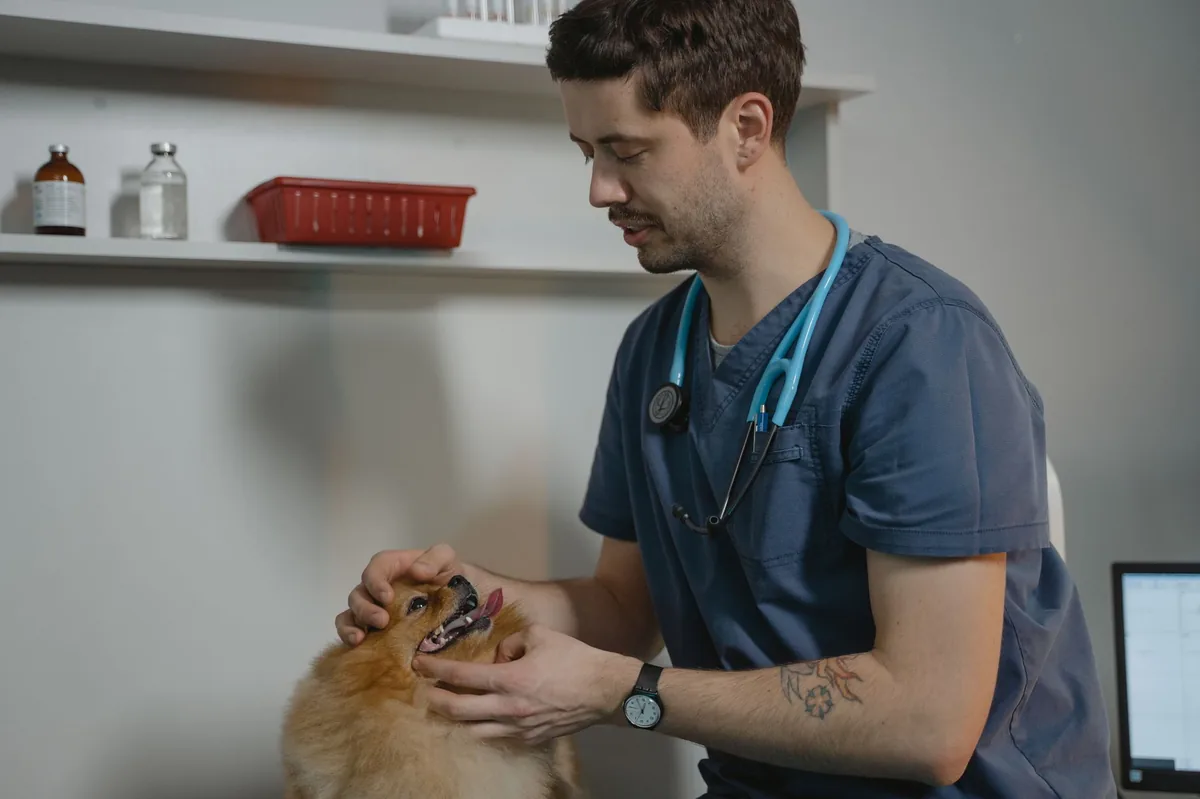
Call your vet today if you notice any of the following:
- Irregular pulse or heart rate at rest
- Excessive coughing or gagging
- Reduced stamina or reluctance to play
- Episodes of fainting or stumbling
Go to an emergency veterinary hospital right now if your dog shows:
- Sudden collapse or inability to stand
- Very rapid breathing (more than 40 breaths per minute) or very shallow breathing
- Pale, bluish gums or tongue
- Seizure‑like activity or uncontrolled shaking
These signs may indicate a dangerous arrhythmia that needs immediate stabilization. This article is for information only and does not replace professional veterinary care.
How vets diagnose it
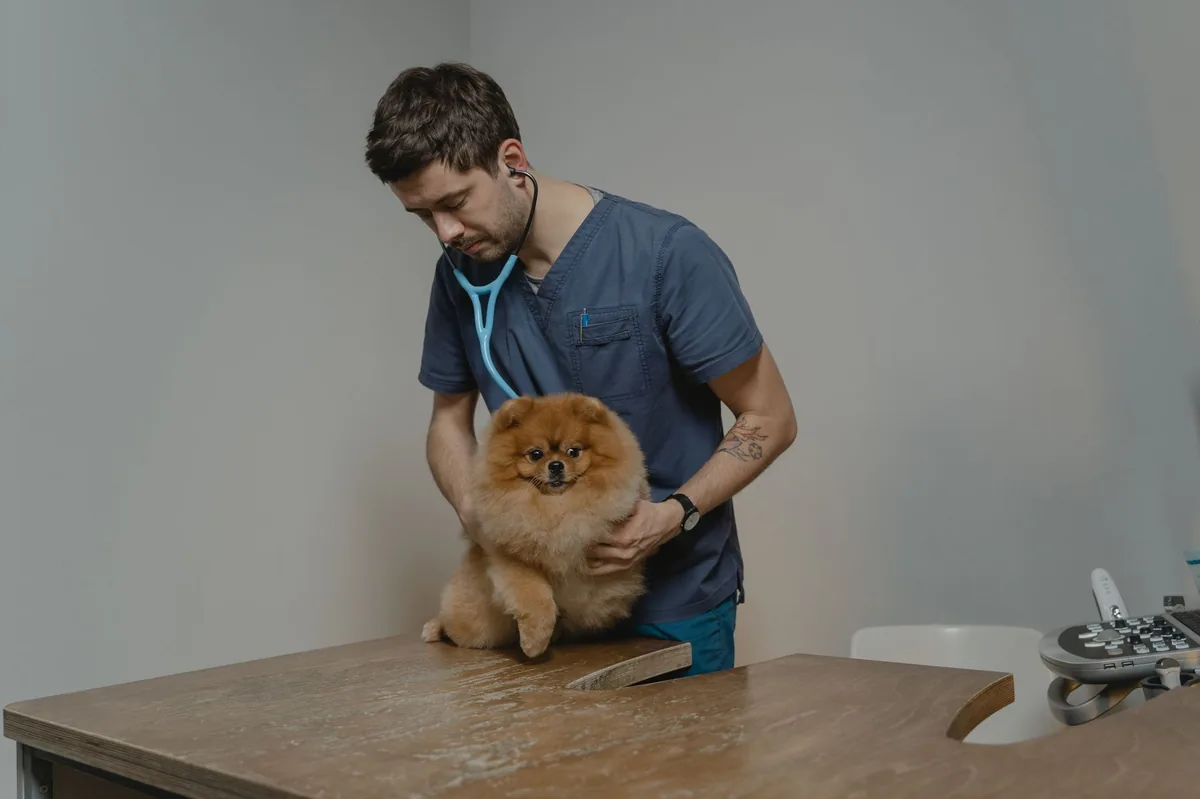
Diagnosing a cardiac arrhythmia involves a stepwise workup. Your vet will start with a thorough history and physical exam, then move on to specific tests.
- Electrocardiogram (ECG): A quick, non‑invasive test that records the heart’s electrical activity for a few minutes. It can spot premature beats, atrial fibrillation, or ventricular tachycardia.
- Holter monitor: A portable ECG worn for 24 – 48 hours, capturing rhythm changes during normal activity and sleep. It’s especially useful for intermittent arrhythmias that may not appear on a brief ECG.
- Echocardiogram (ultrasound of the heart): Visualizes heart chambers, valves, and wall thickness. It helps identify structural disease that might be causing the rhythm problem.
- Blood work: Checks for electrolyte imbalances, thyroid function, and markers of heart muscle damage (e.g., cardiac troponin I).
- Chest X‑rays: Assess heart size and look for fluid accumulation in the lungs.
These diagnostics are guided by the American Animal Hospital Association (AAHA) standards for cardiac evaluation in dogs.
Treatment options
Medical treatment
Medication is the cornerstone for most arrhythmias. Your vet may prescribe one or more of the following drug classes, based on the type of rhythm disturbance:
- Anti‑arrhythmic agents: Drugs such as lidocaine, amiodarone, or procainamide help stabilize abnormal electrical activity.
- Beta‑blockers: Atenolol or carvedilol slow a heart that’s beating too fast and reduce the workload on the heart.
- Calcium channel blockers: Diltiazem can be useful for atrial fibrillation.
- ACE inhibitors or ARBs: Enalapril or benazepril support overall heart function, especially when structural disease is present.
Ask your vet about these options; dosing will be tailored to your dog’s weight and severity of the arrhythmia.
Supplements and supportive care
While supplements cannot replace prescription medication, certain nutrients can aid a heart that’s working harder than normal:
- Omega‑3 fatty acids (EPA/DHA): Shown to reduce inflammation and improve cardiac output in dogs with chronic heart disease (AAHA 2022 guidelines).
- Coenzyme Q10: May support mitochondrial function in dogs with dilated cardiomyopathy, though evidence is still emerging.
- Low‑sodium, taurine‑enriched diets: Helpful for breeds prone to dilated cardiomyopathy, such as Golden Retrievers.
Always discuss supplement choices with your vet to avoid interactions with prescribed drugs.
Procedures or surgery
In select cases, more invasive interventions are needed:
- Catheter ablation: A minimally invasive procedure that destroys tiny areas of heart tissue causing abnormal beats. It’s most common for ventricular tachycardia in large breeds and can cost $5,000–$10,000 in the United States.
- Implantable pacemaker: Used for severe bradycardia or heart block. The device is surgically placed under the skin and connected to the heart via leads. Expect a cost range of $8,000–$12,000.
- Valve repair or replacement: When severe valvular disease sparks arrhythmias, surgical correction may be indicated, with costs often exceeding $15,000.
These procedures are usually performed at specialty cardiac centers and involve a recovery period of 2–4 weeks.
Diet and nutrition
Feeding a dog with an arrhythmia focuses on supporting overall cardiac health while avoiding excess strain. Below is a practical roadmap for most owners.
| Category | Recommendations |
|---|---|
| Do feed | High‑quality protein (e.g., chicken, turkey, fish), omega‑3 enriched fats, antioxidants such as vitamin E and C, and moderate‑calorie levels to maintain an ideal body condition. |
| Limit | Salt (sodium) to < 0.3 % of diet, excessive fat, and simple carbohydrates that can lead to weight gain. |
| Avoid | Raw diets lacking taurine (especially in breeds prone to dilated cardiomyopathy), foods high in caffeine or chocolate, and any treats with added sugars. |
Prescription therapeutic diets—often labeled “cardiac” or “heart health”—are formulated with reduced sodium and added taurine, L‑carnitine, and omega‑3s. While we don’t endorse specific brands, many owners find success with diets meeting the AAHA Nutritional Guidelines for Dogs with Cardiac Disease.
When transitioning to a new diet, do it gradually over 7–10 days: mix 25 % new food with 75 % old food on day 1, increasing the new portion each day. This helps prevent gastrointestinal upset, which could worsen an already stressed heart.
Hydration matters, too. Offer fresh water at all times, but avoid excessive free‑water intake after meals if your dog has a tendency toward fluid overload. Small, frequent meals (2–3 times daily) can help maintain stable blood sugar and reduce cardiac workload.
Cost and prognosis
Financial considerations are a real part of caring for a dog with an arrhythmia. Below are typical cost ranges based on U.S. and U.K. veterinary pricing, but exact numbers will vary by practice and region.
| Service | U.S. estimate | U.K. estimate |
|---|---|---|
| Initial ECG | $100–$250 | £80–£150 |
| 24‑hr Holter monitor | $300–$600 | £250–£500 |
| Echocardiogram | $400–$800 | £350–£700 |
| Medication (first 3 months) | $150–$400 | £120–£350 |
| Pacemaker implantation | $8,000–$12,000 | £6,500–£10,000 |
| Catheter ablation | $5,000–$10,000 | £4,000–£8,500 |
Prognosis depends on the underlying cause, the type of arrhythmia, and how quickly treatment begins. Dogs with isolated premature beats often live normal lives, while those with ventricular tachycardia secondary to severe cardiomyopathy may have a guarded outlook. According to the ACVIM, median survival for dogs with untreated malignant ventricular arrhythmias is < 6 months, but appropriate therapy can extend life expectancy to years.
Prevention and home care
While you can’t eliminate all risk, several everyday practices can lower the chance of an arrhythmia developing or worsening:
- Maintain a healthy weight; obesity increases cardiac strain.
- Provide regular, moderate exercise—short walks rather than high‑intensity sprints for senior dogs.
- Schedule annual heart screenings (ECG + echo) for breeds at higher risk, as recommended by the AAHA.
- Monitor electrolytes if your dog is on diuretics or has chronic kidney disease—your vet can order periodic blood panels.
- Avoid over‑the‑counter stimulants (caffeine, ephedra) and limit exposure to toxic plants or chemicals that can affect heart rhythm.
For at‑home monitoring, learning to feel the femoral pulse and counting beats for 15 seconds can give a rough heart‑rate estimate. A normal resting rate for most dogs is 60–140 bpm; consistent readings outside this range warrant a vet call.
For more detailed guidance on home monitoring, see our Dog Questions Answered resource.
From our vet team: “If you notice a change in your dog’s energy or breathing, don’t wait for the next scheduled check‑up. Early detection of an arrhythmia often means a simpler, less costly treatment. A quick pulse check at home can be a lifesaver—just count the beats for 15 seconds and multiply by four. If the number feels off, give us a call.”
Key takeaways
- Irregular heartbeats range from harmless to life‑threatening; early signs include fatigue, coughing, or fainting.
- Diagnostic tools such as ECG, Holter monitoring, and echocardiography pinpoint the type and cause of the arrhythmia.
- Medical management (anti‑arrhythmics, beta‑blockers) is first‑line; surgery or pacemakers are reserved for severe cases.
- Feed a low‑sodium, high‑quality protein diet enriched with omega‑3s, and keep your dog at an ideal weight.
- Costs vary widely; basic diagnostics start around $100, while advanced procedures can exceed $10,000.
- Regular vet check‑ups, moderate exercise, and home pulse monitoring help prevent and catch arrhythmias early.
Myth vs. fact
Myth: All irregular heartbeats are fatal.
Fact: Many arrhythmias, such as occasional premature beats, are benign and require only monitoring.
Myth: A heart‑healthy diet can cure an arrhythmia.
Fact: Nutrition supports overall cardiac health but cannot replace medical treatment for an existing rhythm disorder.
Myth: Only large breeds get heart rhythm problems.
Fact: While certain large breeds have higher risk, small breeds can develop atrial fibrillation from chronic valve disease.
Frequently asked questions
What are the common symptoms of an irregular heartbeat in dogs?
Typical signs include a change in energy level, coughing, fainting spells, rapid or irregular breathing, and an abnormal pulse that feels “fluttery” when you touch the femoral artery.
Can an irregular heartbeat be cured in dogs?
Some arrhythmias can be fully resolved with medication or procedures, while others are managed long‑term; the outcome depends on the underlying cause and how early treatment begins.
How do vets diagnose arrhythmia in dogs?
Veterinarians start with a physical exam, then use an ECG for a quick snapshot and a Holter monitor for 24‑48 hours to capture intermittent beats. An echocardiogram and blood work help identify structural or metabolic contributors.
Is an irregular heartbeat dangerous for my dog?
Yes, certain arrhythmias—especially ventricular tachycardia or severe bradycardia—can be life‑threatening if untreated. Early detection and appropriate therapy dramatically improve safety and quality of life.
What is the typical cost of treating a dog’s heart rhythm disorder?
Basic diagnostics range from $100–$800, while medication for the first few months may cost $150–$400. Advanced interventions like pacemaker implantation or catheter ablation can exceed $5,000–$12,000.
Which dog breeds are most at risk for heart arrhythmias?
Large, deep‑chested breeds such as Doberman Pinscher, Boxer, and Great Dane are prone to ventricular arrhythmias from dilated cardiomyopathy. Small breeds like Miniature Schnauzer and Cavalier King Charles Spaniel can develop atrial fibrillation due to chronic valve disease.
Ask the PuppaDogs community
Have a question this article didn’t fully answer? Want to compare notes with other dog owners who’ve been through this? Our community forum is moderated by experienced owners and vets — and answers tend to come fast. Ask in the PuppaDogs community →
References
- American College of Veterinary Internal Medicine (ACVIM) Consensus Statement on Canine Cardiac Arrhythmias, 2022.
- American Animal Hospital Association (AAHA) Guidelines for Cardiac Care in Dogs, 2023.
- Merck Veterinary Manual, Chapter “Cardiac Arrhythmias in Dogs”.
- World Small Animal Veterinary Association (WSAVA) Nutritional Recommendations for Dogs with Heart Disease, 2021.
- Veterinary Cardiology, 4th Edition, Plumb’s Veterinary Drug Handbook, 2020.
- American Veterinary Medical Association (AVMA) – Pet Owner’s Guide to Heart Disease, 2022.
- Cornell University College of Veterinary Medicine – Canine Cardiomyopathy Overview, 2023.
