














Quick take: An irregular heartbeat—also called arrhythmia—is a change in the heart’s rhythm that can range from harmless to life‑threatening. In most dogs, early signs are subtle (fatigue, fainting, or a change in breathing), but certain breeds and heart conditions raise the risk. Prompt veterinary evaluation, appropriate diagnostics, and tailored treatment can often keep your dog comfortable and active.
It’s 11 p.m., and your senior Goldendoodle, Bella, isn’t greeting you at the door like she usually does. She lies on the couch, breathing a little faster than normal, and when you gently press her gums they feel a shade paler. Your mind races—could this be a heart problem? You grab your phone, type “irregular heartbeat in dogs,” and start scrolling through pages that sound more alarming than reassuring.
We get it. Watching your dog’s energy dip or noticing an odd thump can feel like a personal emergency. The good news is that many arrhythmias are manageable, especially when caught early. In this article we’ll explain exactly what an irregular heartbeat is, why it happens, what to look for, how vets diagnose it, treatment options, costs, and steps you can take at home to protect your dog’s heart.
By the end you’ll know when to call the vet, what questions to ask, and how diet and lifestyle play a role in keeping your pup’s heart beating steady.
What is an irregular heartbeat in dogs?
An irregular heartbeat, or cardiac arrhythmia, means the heart’s electrical signals are not following the normal pattern. The heart may beat too fast (tachycardia), too slow (bradycardia), or in an irregular, “skipping” fashion. In dogs the most common types are atrial fibrillation (rapid, chaotic atrial beats), ventricular premature complexes (extra beats from the ventricles), and sinus arrhythmia (a normal variation that can be confused with a problem).
Arrhythmias are seen in dogs of all ages, but they become more frequent in senior dogs and in breeds predisposed to heart disease, such as Doberman Pinschers, Boxers, and Great Danes. According to the American College of Veterinary Internal Medicine (ACVIM), roughly 5‑10 % of dogs evaluated for heart disease have a clinically relevant arrhythmia.

What causes an irregular heartbeat in dogs?
Arrhythmias rarely appear out of nowhere. They usually stem from an underlying problem that disrupts the heart’s electrical system.
| Category | Typical Causes |
|---|---|
| Heart disease | Degenerative valve disease, dilated cardiomyopathy, congenital defects |
| Metabolic / systemic | Electrolyte imbalances (low potassium), thyroid disorders, hypoxia |
| Medications / toxins | Beta‑agonists, certain anti‑arrhythmic drugs, caffeine, nicotine |
| Breed‑related predisposition | Doberman (ventricular tachycardia), Boxers (atrial fibrillation) |
| Other | Inflammation, infections (e.g., Lyme disease), trauma to the chest |
Often several factors overlap—for example, a senior dog with chronic valve disease may develop an electrolyte imbalance that triggers a secondary arrhythmia.
Signs and symptoms
Because the heart controls oxygen delivery, an irregular rhythm can show up in many ways. Early signs are easy to miss, while severe arrhythmias can cause sudden collapse.
| Severity | Typical Signs |
|---|---|
| Mild | Occasional panting, slight lethargy, reduced endurance on walks |
| Moderate | Fainting (syncope), irregular pulse felt by the owner, coughing after exercise |
| Severe | Sudden collapse, rapid shallow breathing, blue‑tinged gums, loss of consciousness |
Other clues include a “galloping” heart sound heard by a vet, an unusually fast or slow heart rate on a home monitor, or a noticeable change in the rhythm when you feel the pulse at the femoral artery.

When to call your vet
Call your vet today if you notice any of the following:
- Irregular pulse or heart rate that seems faster or slower than usual.
- New onset of fainting, especially after exercise.
- Persistent coughing, especially at night.
- Noticeable fatigue or reluctance to play.
Go to an emergency veterinary hospital right now if your dog:
- Collapses or becomes unresponsive.
- Shows pale or bluish gums, rapid shallow breathing, or a very weak pulse.
- Has a sudden, dramatic change in heart rate (e.g., >200 bpm at rest).
These signs suggest a life‑threatening arrhythmia that needs immediate attention. This article provides general information and is not a substitute for professional veterinary care.
How vets diagnose it
Veterinarians combine a thorough history with a series of diagnostic tests to pinpoint the rhythm problem.
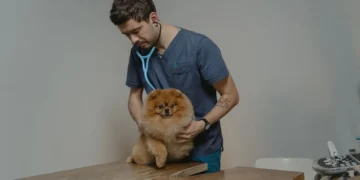
- Physical exam: Listening with a stethoscope can reveal irregular beats or extra heart sounds.
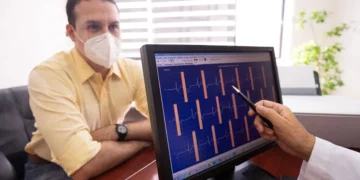
- Electrocardiogram (ECG): A quick, non‑invasive test that records the heart’s electrical activity on paper or screen. It tells the vet the exact type of arrhythmia.
- Holter monitor: A wearable device that records the heart rhythm continuously for 24‑48 hours, capturing intermittent episodes that a brief ECG might miss.
- Echocardiogram (ultrasound): Shows heart structure and function, helping to identify underlying disease such as valve degeneration or cardiomyopathy.
- Blood work: Checks for electrolyte imbalances, thyroid hormone levels, and markers of infection that could trigger arrhythmias.
These tools together give a clear picture of why the heart is misfiring and guide the treatment plan.
Treatment options
Medical treatment
Medication aims to restore a normal rhythm or control the heart rate. Common drug classes include:
- Anti‑arrhythmics: Such as sotalol or amiodarone, which help stabilize electrical conduction.
- Beta‑blockers: Like atenolol, which slow the heart rate and reduce workload.
- Calcium channel blockers: For certain types of atrial fibrillation.
- Heart‑failure drugs: ACE inhibitors or pimobendan may be added if an underlying cardiomyopathy is present.
All of these require a prescription, and dosing is individualized based on your dog’s weight, breed, and severity. Ask your vet about the best option for your pup.
Supplements and supportive care
While supplements can’t replace medication, they can aid overall cardiac health:
- Omega‑3 fatty acids (EPA/DHA): Proven to reduce inflammation and improve heart function in dogs with chronic disease.
- L‑carnitine: May benefit certain breeds with dilated cardiomyopathy, supporting mitochondrial energy production.
- Coenzyme Q10: An antioxidant that some owners use to support cardiac cells.
Talk with your vet before adding any supplement; they can recommend appropriate brands and dosing.
Procedures or surgery
In rare cases, an arrhythmia is linked to a structural defect that can be corrected surgically. For example, a patent ductus arteriosus (PDA) or a severe valve lesion may be repaired via open‑heart surgery or catheter‑based techniques. Recovery typically involves a week‑long hospital stay and a gradual return to activity. Costs for such procedures range from $5,000 to $12,000 in the United States, depending on the clinic and complexity.
Diet and nutrition
A heart‑healthy diet reduces strain on the cardiovascular system and can help stabilize the electrical environment of the heart. While there is no single “arrhythmia diet,” most veterinarians recommend the following principles:
- Highly digestible protein: Lean chicken, turkey, or fish provide essential amino acids without excess fat, which keeps blood viscosity optimal.
- Moderate fat, enriched with omega‑3s: 1‑2 % of the diet should be fat, with an emphasis on EPA/DHA. Commercial therapeutic diets (e.g., “cardiac” formulas) often contain added fish oil.
- Low sodium: Excess salt promotes fluid retention and hypertension. Aim for < 0.2 % sodium on a dry‑matter basis, similar to prescription renal or cardiac diets.
- Balanced electrolytes: Potassium and magnesium levels influence heart rhythm. Fresh foods (e.g., pumpkin puree for potassium) can complement a commercial diet, but avoid over‑supplementation.
- Antioxidants: Vitamin E and C support cardiac cells. Some therapeutic diets include added antioxidants.
When transitioning to a new food, do so gradually over 7‑10 days to avoid gastrointestinal upset. Start with 25 % new food mixed with 75 % old, then increase the proportion every few days.
If your dog has concurrent heart failure, your vet may suggest a prescription cardiac diet such as Hill’s Prescription Diet k/d or Royal Canin Cardiac. These formulas are formulated with reduced sodium, added taurine, and omega‑3s. They are not “cure‑alls,” but they provide a solid nutritional foundation while you manage the arrhythmia.
| Food choice | Do feed | Limit | Avoid |
|---|---|---|---|
| Commercial therapeutic cardiac diet | Yes – as prescribed | – | – |
| Home‑cooked meals (lean meat + rice + veggies) | Yes – balanced with vet guidance | High‑fat cuts | Seasonings with salt |
| Table scraps (cheese, bacon) | – | Occasional small pieces | Regular feeding |
| High‑sodium treats | – | – | All |
Water intake is also important. Encourage fresh water throughout the day, especially if your dog is on a low‑sodium diet, to help maintain proper blood volume.
Cost and prognosis
Financial considerations are part of any chronic condition. Below are typical cost ranges for the United States and United Kingdom; actual fees vary by clinic, geographic location, and insurance coverage.
| Service | US (estimate) | UK (estimate) |
|---|---|---|
| Initial exam & basic bloodwork | $150‑$300 | £80‑£150 |
| ECG (in‑clinic) | $100‑$200 | £70‑£130 |
| 24‑48 hr Holter monitor | $400‑$800 | £250‑£500 |
| Echocardiogram | $300‑$600 | £180‑£350 |
| Medications (first 3 months) | $200‑$600 | £120‑£350 |
| Long‑term monitoring (annual) | $250‑$500 | £150‑£300 |
Prognosis hinges on the underlying cause and how quickly treatment begins. Dogs with isolated, well‑controlled arrhythmias often live normal, active lives. Those with severe ventricular tachycardia or concurrent heart failure may have a guarded prognosis, but many can be stabilized with medication and lifestyle adjustments.
Prevention and home care
While you can’t eliminate all risk, several everyday habits reduce the chance of an arrhythmia developing or worsening:
- Regular veterinary check‑ups: Senior dogs should have a heart exam at least once a year.
- Weight management: Maintaining an ideal body condition lessens cardiac workload.
- Exercise moderation: Provide consistent, moderate activity; avoid sudden, intense bursts that can trigger ectopic beats.
- Limit stimulants: Avoid caffeine, nicotine, and excessive salt in treats.
- Monitor electrolytes: If your dog is on diuretics or has kidney disease, periodic blood tests help keep potassium and magnesium in range.
- Use heart‑healthy supplements: As discussed, omega‑3s and L‑carnitine can be beneficial, especially in breeds prone to cardiomyopathy.
Keep a log of any fainting episodes, changes in breathing, or irregular pulse you feel at home. This record will help your vet tailor future care and adjust medications promptly.
From our vet team: “If your dog’s arrhythmia is caught early, most owners can manage it with a simple medication regimen and a heart‑friendly diet. The biggest mistake is waiting too long to seek help—once symptoms appear, a prompt check‑up can make the difference between a manageable condition and a life‑threatening emergency.”
Key takeaways
- Irregular heartbeat (arrhythmia) ranges from benign to serious; early detection is key.
- Watch for fainting, coughing, pale gums, or an irregular pulse and contact your vet promptly.
- Diagnosis relies on ECG, Holter monitoring, and echocardiography to uncover the exact rhythm problem.
- Treatment may include anti‑arrhythmic drugs, beta‑blockers, supplements like omega‑3s, and, rarely, surgery.
- Feed a low‑sodium, highly digestible diet enriched with omega‑3 fatty acids to support heart health.
- Regular vet visits, weight control, and moderate exercise help prevent many arrhythmias.
Myth vs. fact
Myth: All irregular heartbeats are fatal.
Fact: Many arrhythmias are benign or can be controlled with medication and lifestyle changes, allowing dogs to live normal lives.
Myth: A dog with an arrhythmia must avoid all activity.
Fact: Controlled, moderate exercise is usually encouraged; sudden intense exertion can be risky, so tailor activity to your vet’s guidance.
Myth: Only large breeds get heart rhythm problems.
Fact: While some large breeds have higher rates, small and medium breeds can also develop arrhythmias, especially if they have underlying heart disease.
Frequently asked questions
What are the signs of an irregular heartbeat in dogs?
Typical signs include fainting (syncope), coughing, reduced stamina, irregular pulse, and in severe cases, sudden collapse or blue‑tinged gums. Early changes may be subtle, such as a slight increase in breathing rate after a short walk.
Can a dog survive with an irregular heartbeat?
Yes—many dogs live comfortably with a managed arrhythmia, especially if the underlying cause is treatable and the condition is caught early. Prognosis varies by type (atrial vs. ventricular) and associated heart disease.
How is arrhythmia diagnosed in dogs?
Vets start with a physical exam and then perform an ECG to record the heart’s electrical pattern. For intermittent issues, a Holter monitor worn for 24‑48 hours captures episodes, while an echocardiogram evaluates structural heart health.
What medications are used to treat irregular heartbeats in dogs?
Commonly prescribed drugs include anti‑arrhythmics like sotalol or amiodarone, beta‑blockers such as atenolol, and calcium channel blockers for certain atrial fibrillations. Your vet will choose based on the specific rhythm disturbance and overall health.
Is an irregular heartbeat hereditary in certain breeds?
Some breeds have a genetic predisposition—for example, Doberman Pinschers often develop ventricular tachycardia, and Boxers are prone to atrial fibrillation. Genetics contributes, but environment and underlying heart disease also play major roles.
How much does treatment for canine arrhythmia cost?
Initial diagnostics (exam, ECG, bloodwork) typically range from $300‑$600, while a Holter monitor adds $400‑$800. Ongoing medication can be $200‑$600 for the first three months, and annual monitoring may cost $250‑$500. Costs differ by region and whether you have pet insurance.
Ask the PuppaDogs community
Have a question this article didn’t fully answer? Want to compare notes with other dog owners who’ve been through this? Our community forum is moderated by experienced owners and vets — and answers tend to come fast. Ask in the PuppaDogs community →
References
- American College of Veterinary Internal Medicine (ACVIM). “Guidelines for the Diagnosis and Management of Cardiac Arrhythmias in Dogs,” 2022.
- American Animal Hospital Association (AAHA). “Canine Cardiology Care Standards,” 2023.
- Merck Veterinary Manual. “Cardiac Arrhythmias” entry, 2021.
- Veterinary Cardiology Society. “Atrial Fibrillation in Dogs,” clinical review, 2020.
- University of California, Davis Veterinary Medicine. “Holter Monitoring in Small Animals,” 2022.
- American Veterinary Medical Association (AVMA). “Heart Disease in Dogs,” owner fact sheet, 2023.
- World Small Animal Veterinary Association (WSAVA). “Nutritional Management of Cardiac Disease,” 2021.
- Royal Canin. “Cardiac Nutrition Guidelines,” 2022.
- Hill’s Pet Nutrition. “Prescription Diet k/d – Cardiac Support,” 2022.
- American College of Veterinary Surgeons (ACVS). “Surgical Options for Canine Cardiac Defects,” 2020.


