













Quick take: Lungworms are parasitic worms that live in a dog’s lungs and airways, causing coughing, breathing difficulty, and sometimes fever. They’re treatable with prescription medication, but early detection is key. If your dog shows persistent cough or labored breathing, contact your vet right away.
It’s 9 p.m., the living‑room lights are dim, and your normally boisterous Boxer isn’t chasing the ball like usual. Instead, he’s lying on his side, a soft cough rattling his throat every few minutes. You glance at his gums—pale but not blue—and wonder if a simple cold is to blame. You’ve Googled “coughing dog” before, but this time the answer you find is “lungworms in dogs.” The worry spikes. You’re not alone; many owners first notice a change in their dog’s breathing before the diagnosis lands.
We’re here to walk you through exactly what lungworms are, how they differ from other respiratory parasites, what signs to watch for, and—most importantly—what steps to take tonight and in the weeks ahead. By the end of this article you’ll know the likely causes, how vets confirm the infection, treatment options, costs, prevention tips, and which breeds tend to be more at risk.
Our vet team has fielded dozens of similar calls, from a rescued Greyhound with a dry hack to a puppy with a sudden bout of wheezing. The patterns are surprisingly consistent, and the good news is that with prompt care most dogs bounce back.

What is lungworms in dogs?
Lungworms are a group of parasitic nematodes that reside in a dog’s respiratory tract, from the trachea down to the lung tissue. The most common species affecting dogs are Angiostrongylus vasorum (often called “French heartworm”), Crenosoma vulpis, and Eucoleus aerophilus. Unlike heartworms, which live in the heart and pulmonary arteries, lungworms settle in the airways, causing inflammation, irritation, and sometimes secondary bacterial infections.
These parasites are not rare; surveys in Europe and North America estimate that 2‑5 % of dogs carry at least one type of lungworm, with higher rates in areas where snails, slugs, or earthworms are abundant (the intermediate hosts). Puppies and young dogs are especially vulnerable because they’re still building immunity.
What causes it?
Lungworm infection requires a few steps: a dog ingests an infected intermediate host (often a snail, slug, or earthworm), the larvae migrate to the lungs, and then mature into adult worms. Certain environmental and host factors raise the risk.
| Cause / Risk factor | Explanation |
|---|---|
| Exposure to infected snails or slugs | Most common route; larvae develop inside these mollusks. |
| Ingestion of contaminated earthworms | Earthworms can carry larvae after feeding on infected snails. |
| Geographic hotspots | Cool‑moist climates (e.g., Pacific Northwest, parts of the UK, Central Europe) support snail populations. |
| Puppy age (under 1 year) | Immature immune systems make them more susceptible. |
| Breed predisposition | Some studies suggest hounds and retrievers may be more often diagnosed, likely due to hunting‑related exposure. |
Signs and symptoms
Lungworm disease can mimic many other respiratory problems, which is why a careful look at the pattern of signs helps narrow it down.
| Severity | Typical signs |
|---|---|
| Mild | Occasional dry cough, mild fatigue, slight loss of appetite. |
| Moderate | Frequent hacking cough, wheezing, mild fever (101‑103 °F), occasional gagging. |
| Severe | Labored breathing, bloody or frothy sputum, weight loss, lethargy, sudden collapse. |
Key differences from heartworm disease include a more “cough‑dominant” picture and less emphasis on heart‑related signs such as swollen abdomen or fainting. Lungworm infection can also cause gastrointestinal upset if larvae migrate through the gut.
When to call your vet
Call your vet today if your dog shows any of the following:
- Persistent cough lasting more than a few days.
- Wheezing, noisy breathing, or occasional gagging.
- Loss of appetite, mild fever, or reduced energy.
Go to an emergency clinic right now if you notice:
- Severe labored breathing or rapid panting.
- Blue‑tinged gums or tongue (cyanosis).
- Bleeding from the nose or cough with blood.
- Sudden collapse or inability to stand.
These red‑flag signs indicate that the infection may be causing significant airway obstruction or secondary infection and need immediate attention. This article is for informational purposes only and does not replace professional veterinary care.
How vets diagnose it
Diagnosing lungworms involves a combination of history, physical exam, and specific tests:
- Baermann fecal test: The gold‑standard method. A fresh stool sample is placed in water; live larvae migrate out and are identified under a microscope. It’s most effective for Crenosoma vulpis and Angiostrongylus vasorum.
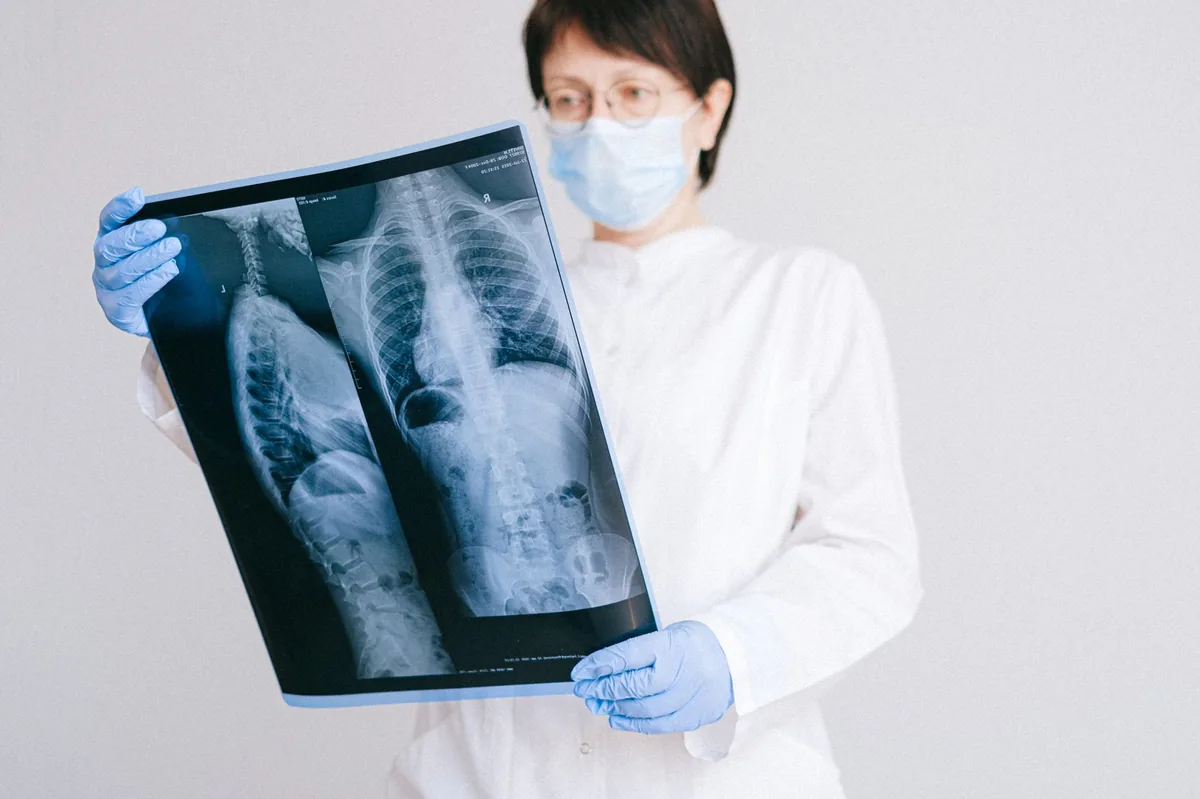
- Chest X‑ray (radiography): Reveals lung inflammation, nodules, or fluid accumulation.
- Polymerase chain reaction (PCR): Detects worm DNA in feces or bronchoalveolar lavage fluid, offering high specificity.
- Blood work: May show eosinophilia (high eosinophil count), a sign of parasitic infection, and occasionally anemia from chronic disease.
Veterinarians often start with the Baermann test because it’s inexpensive and non‑invasive, then follow up with imaging if the cough persists.
Treatment options
Medical treatment
Prescription antiparasitic drugs are the cornerstone of therapy. The most common medications, approved by the FDA and used worldwide, include:
- Moxidectin (often combined with imidacloprid in a spot‑on formulation).
- Milbemycin oxime (oral chewable tablets).
- Fenbendazole (broad‑spectrum dewormer given for several days).
These drugs target the larval and adult stages of the worms, clearing the infection in most dogs within 2‑4 weeks. Your vet will choose the product best suited to your dog’s weight, age, and overall health, and will schedule a follow‑up Baermann test to confirm eradication. Ask your vet about these options.
Supplements and supportive care
While medication does the heavy lifting, supportive care can ease inflammation and aid recovery:
- Omega‑3 fatty acids (EPA/DHA): Found in fish‑oil supplements, they have anti‑inflammatory properties that may reduce coughing.
- Probiotics: Maintaining gut health can help if the dog experiences mild diarrhea during treatment.
- Vitamin C or E: Antioxidants may support the immune response, but they are not a substitute for antiparasitic drugs.
Supplements should be introduced after discussing them with your vet, especially if your dog is on other medications.
Procedures or surgery
Most lungworm infections resolve with medication alone. In rare, severe cases where large numbers of adult worms cause airway blockage, bronchoscopy (a flexible tube with a camera) may be performed to remove obstructive material and obtain samples for PCR testing. The procedure is done under general anesthesia and usually requires a short hospital stay. Surgical removal is exceedingly uncommon and only considered when other treatments fail.
Diet and nutrition
Nutrition plays a subtle but meaningful role in helping a dog recover from a lungworm infection. The goal is to provide easily digestible, high‑quality protein while supporting the immune system and minimizing inflammation.
During treatment, many dogs experience reduced appetite. Offering warm, aromatic meals can entice them to eat. Soft, moist foods such as canned chicken, pumpkin puree, or a high‑quality senior wet diet are usually well tolerated. If your dog is on a prescription diet for another condition (e.g., renal disease), continue it unless your vet advises otherwise.
Foods rich in antioxidants—blueberries, carrots, and leafy greens—can be added in small amounts. However, avoid raw meat that may carry other parasites or bacteria, especially if your dog’s immune system is compromised.
| Do feed | Limit | Avoid |
|---|---|---|
| Cooked lean proteins (chicken, turkey), canned dog food, pumpkin, plain yogurt | Fatty treats, table scraps high in salt | Raw meat, raw bone, unpasteurized dairy |
| Omega‑3 fish oil supplement (vet‑approved) | Excessive supplements (over‑dosing) | Spicy or heavily seasoned foods |
| Fresh water at all times | — | Alcoholic or caffeinated beverages |
Transitioning back to a regular diet should be gradual—mix a small amount of the new food with the old, increasing the ratio over 3‑5 days. This helps avoid gastrointestinal upset.
Cost and prognosis
Financial considerations are a real part of any pet health decision. The cost of diagnosing lungworms varies:
- Baermann fecal test: $30‑$60 (often covered by pet insurance).
- Chest X‑ray: $100‑$250 depending on facility.
- PCR testing (if needed): $150‑$300.
Medication costs also differ by product and size of your dog:
- Moxidectin spot‑on (single dose for a medium‑sized dog): $25‑$45.
- Milbemycin oxime chewables (30‑day supply): $30‑$55.
- Fenbendazole (multiple‑day course): $15‑$35.
Overall, most owners spend between $150 and $500 for a full work‑up and treatment course. Many pet insurance plans cover at least a portion of the diagnostics and medication, but it’s wise to check your policy’s specifics.
When treated promptly, the prognosis is excellent—over 90 % of dogs recover fully within a month. Delayed treatment, especially in severe cases with secondary bacterial pneumonia, can lower the success rate and increase the risk of lasting lung damage.
Prevention and home care
Preventing lungworms is largely about breaking the life cycle before your dog can ingest an infected intermediate host.
- Monthly preventives: Broad‑spectrum products containing moxidectin or milbemycin (e.g., our preventive guide) protect against both heartworm and lungworm.
- Limit exposure: Keep dogs away from snail‑rich areas after rain, and discourage them from digging in damp soil.
- Environmental control: Use pet‑safe slug and snail repellents in gardens, and remove standing water where mollusks thrive.
- Routine testing: For dogs that spend time outdoors in endemic regions, a yearly Baermann test can catch early infections.
- Hygiene: Wash your hands after handling soil or garden tools, and rinse your dog’s paws after walks in wet environments.
For puppies, start preventive medication as early as 8 weeks of age, following the schedule recommended by the American Animal Hospital Association (AAHA). Consistency is key—missing a dose can leave a window for infection.
From our vet team: “If you catch the cough early and get the Baermann test done, most dogs bounce back in a few weeks. The biggest mistake owners make is waiting until the dog can’t breathe comfortably. Prompt treatment is usually painless and highly effective.”
Key takeaways
- Lungworms are treatable parasites that cause coughing, wheezing, and sometimes severe breathing trouble.
- Early diagnosis with a Baermann fecal test and chest X‑ray is essential for a quick recovery.
- Prescription antiparasitics such as moxidectin or milbemycin, combined with supportive care, clear most infections within a month.
- Prevent exposure by using monthly preventives, avoiding snail‑rich environments, and keeping your dog’s paws clean after outdoor play.
- Costs range from $150‑$500 for diagnosis and medication, and many insurance plans will cover part of the expense.
- If your dog shows severe labored breathing, blue gums, or blood in the cough, seek emergency veterinary care immediately.
Myth vs. fact
Myth: Lungworms are the same as heartworms and need the same treatment.
Fact: While both are nematodes, lungworms live in the airways and require different medications; heartworm preventives may not cover all lungworm species.
Myth: A single cough means the dog is fine.
Fact: Persistent coughing, especially if accompanied by wheezing or fever, often signals an underlying parasite or infection that warrants veterinary evaluation.
Myth: Raw diets protect dogs from parasites.
Fact: Raw meat can actually increase the risk of other parasitic infections, and does not prevent lungworm acquisition.
Frequently asked questions
What does a dog with lungworms look like?
A dog with lungworms typically shows a persistent dry or wet cough, occasional wheezing, and may seem a bit lethargic. In moderate cases you might notice a low‑grade fever and reduced appetite.
Can lungworms be cured in dogs?
Yes. With appropriate antiparasitic medication—most commonly moxidectin or milbemycin—most dogs clear the infection within 2‑4 weeks and recover fully.
How do dogs get lungworms?
Dogs become infected by ingesting snails, slugs, or earthworms that carry the worm larvae. Outdoor activities in damp, snail‑rich environments increase the risk.
Are lungworms contagious to humans?
Human infection is extremely rare. The species that affect dogs generally do not complete their life cycle in people, so transmission to humans is considered negligible.
What tests does a vet use to detect lungworms?
The primary test is the Baermann fecal technique, which isolates live larvae from fresh stool. Chest X‑rays and PCR testing may be added for confirmation or to assess lung damage.
How much does lungworm treatment cost?
Overall costs range from $150 to $500, covering diagnostics (Baermann test, X‑ray) and medication (moxidectin, milbemycin, or fenbendazole). Insurance may cover a portion of these expenses.
Ask the PuppaDogs community
Have a question this article didn’t fully answer? Want to compare notes with other dog owners who’ve been through this? Our community forum is moderated by experienced owners and vets — and answers tend to come fast. Ask in the PuppaDogs community →
References
- American Animal Hospital Association (AAHA) 2023 Parasite Control Guidelines.
- American Veterinary Medical Association (AVMA) – Heartworm and Lungworm Prevention Fact Sheet.
- Merck Veterinary Manual, “Lungworm Infections” chapter.
- World Small Animal Veterinary Association (WSAVA) – Recommendations for Canine Respiratory Parasites.
- European Society of Veterinary Parasitology – Epidemiology of Angiostrongylus vasorum.
- Cornell University College of Veterinary Medicine – Diagnostic Techniques for Canine Lungworms.
- UK Kennel Club – Breed Susceptibility to Respiratory Parasites.
- Veterinary Parasitology – Baermann Technique Overview (Journal of Veterinary Diagnostics, 2022).


