













Quick take: Lung lobe twisting (also called lung lobe torsion) is a sudden, life‑threatening emergency where a lung lobe twists on its own blood vessels, cutting off airflow and blood flow. Dogs usually show rapid breathing, coughing, and pale gums. Immediate veterinary care—often surgery—is needed for the best chance of recovery.
It’s 11 p.m., and you’ve just noticed your normally boisterous Golden Retriever flopping onto the floor, eyes wide, breathing shallow and fast. You glance at her gums and see a strange, almost white hue. The panic button on your phone lights up as you type “why won’t she breathe?” into a search engine. The answer you find is “lung lobe twisting,” but the details are blurry, the costs scary, and the next steps unclear.
We get it. One moment your dog is sprinting for a ball, the next she’s fighting for each breath. The good news is that with prompt veterinary care, many dogs bounce back to their playful selves. In this guide we’ll walk through exactly what lung lobe torsion is, why it happens, how to spot it, what the vet will do, what you can expect after surgery, and how to keep it from happening again.
Read on for a step‑by‑step look at the condition, the emergency signs, the diagnostic work‑up, treatment options, costs, diet tips for recovery, and practical home‑care advice. We’ve also linked to our community forum and helpful calculators so you can get answers fast.
What is lung lobe twisting in dogs?
Lung lobe twisting—officially called lung lobe torsion—is when one of the dog’s lung lobes (a distinct section of lung tissue) twists around its bronchus, pulmonary artery, and vein. This twist blocks both air and blood flow, causing the lobe to become congested, inflamed, and eventually die if not untwisted.
Dogs have five to six lung lobes: the right lung is divided into three or four lobes, and the left lung has two. Each lobe is attached to the chest wall by a thin membrane called the pleura. When a lobe twists, the pleura can’t keep the lobe in place, and the torsion occurs.
Lung lobe torsion is rare but serious. The American College of Veterinary Surgeons (ACVS) estimates it accounts for less than 0.1 % of all canine emergencies, yet it carries a high mortality rate if untreated.

What causes it?
Most cases of lung lobe torsion are spontaneous—meaning no obvious injury precedes the event. However, several risk factors increase the odds:
- Breed predisposition: Large, deep‑chested breeds such as Great Danes, German Shepherds, Bullmastiffs, Labrador Retrievers, and Boxers are over‑represented.
- Trauma: A blunt impact to the chest (e.g., a car accident or a hard fall) can dislodge a lobe.
- Congenital abnormalities: Some dogs are born with an extra membrane or a weak attachment of the lung lobe, making torsion easier.
- Age: Middle‑aged to senior dogs (6 years and older) are more frequently affected, likely because lung tissue loses elasticity over time.
- Previous thoracic surgery: Scarring can alter the way lobes sit in the chest cavity.
Signs and symptoms
Because the twisted lobe can’t exchange air, the dog’s body reacts quickly. Early signs are often subtle, but they progress rapidly.
| Stage | Typical signs |
|---|---|
| Mild | Brief cough, slight difficulty breathing, lethargy, decreased appetite. |
| Moderate | Rapid, shallow breathing (tachypnea), persistent cough, pale or bluish gums, abdominal effort to breathe. |
| Severe | Collapse, blue‑tinged tongue, unresponsive to stimuli, severe wheezing, shock signs (cold paws, weak pulse). |
These symptoms can look like pneumonia, heart disease, or a simple cough. The key differences are the sudden onset and the rapid worsening within minutes to hours.
When to call your vet
Call your regular vet today: If your dog shows a new, persistent cough, rapid breathing, or pale gums that develop over a few hours.
Go to an emergency animal hospital right now: If you notice any of the following—collapse, blue‑tinged tongue or gums, severe wheezing, or inability to rise—treat it as a life‑threatening emergency.
Remember, this article is for information only. If you’re ever unsure, err on the side of caution and seek veterinary care immediately.
How vets diagnose it
Diagnosing lung lobe torsion is a blend of history, physical exam, and imaging:
- Physical exam: The vet will listen for abnormal lung sounds (crackles, reduced breath sounds) and assess gum color.
- Thoracic radiographs (X‑rays): The classic sign is a “rounded” opacity with a “silhouette” of the twisted lobe, often with a shift of the mediastinum.
- Computed tomography (CT): Provides a 3‑D view, confirming the torsion and showing the exact lobe involved. CT is considered the gold standard when X‑rays are inconclusive.
- Ultrasound: In some cases, a focused thoracic ultrasound can reveal a fluid‑filled, non‑aerated lobe.
- Blood work: CBC and chemistry panels can show anemia, elevated white blood cells, or signs of organ stress, helping to gauge severity.
These tests guide the vet’s decision to stabilize the dog and move quickly to surgery.
Treatment options
Medical treatment
Before surgery, the vet will stabilize the dog with:
- Oxygen therapy (cage‑side oxygen or flow‑through masks) to improve oxygenation.
- Pain control using NSAIDs (e.g., carprofen) or opioid analgesics as needed.
- Broad‑spectrum antibiotics such as amoxicillin‑clavulanate to prevent secondary bacterial infection.
- Fluid therapy to maintain blood pressure and organ perfusion.
- Anticoagulants (e.g., low‑dose heparin) if there’s concern for clot formation in the twisted vessels.
All medication choices will be tailored by your vet based on weight, age, and overall health. Ask your vet about each option if you’re unsure.
Supplements and supportive care
While supplements can’t replace surgery, they may aid recovery:
- Omega‑3 fatty acids (EPA/DHA): Anti‑inflammatory properties that support lung tissue healing. Look for a high‑quality fish‑oil supplement approved for dogs.
- Vitamin E: An antioxidant that may reduce oxidative stress after surgery.
- Probiotics: Helpful if your dog receives antibiotics, as they maintain gut health.
These should be introduced after surgery and only under veterinary guidance. They are not a substitute for the primary treatments above.
Procedures or surgery
Because the twisted lobe quickly loses blood supply, surgery is the definitive cure. The two most common techniques are:
- Lobectomy (lung lobe removal): The surgeon removes the dead lobe entirely. This is the most common approach because untwisting a necrotic lobe can cause severe bleeding.
- Lobe detorsion with fixation: In very early cases where the lobe is still viable, the surgeon may untwist the lobe and suture it to the chest wall to prevent re‑twisting. This is rare and highly case‑dependent.
Both procedures are performed under general anesthesia, usually via a thoracotomy (opening the chest) or a minimally invasive thoracoscopy. Hospital stays range from 2 days (if uncomplicated) to 5 days for older dogs or those with additional health issues.
Diet and nutrition
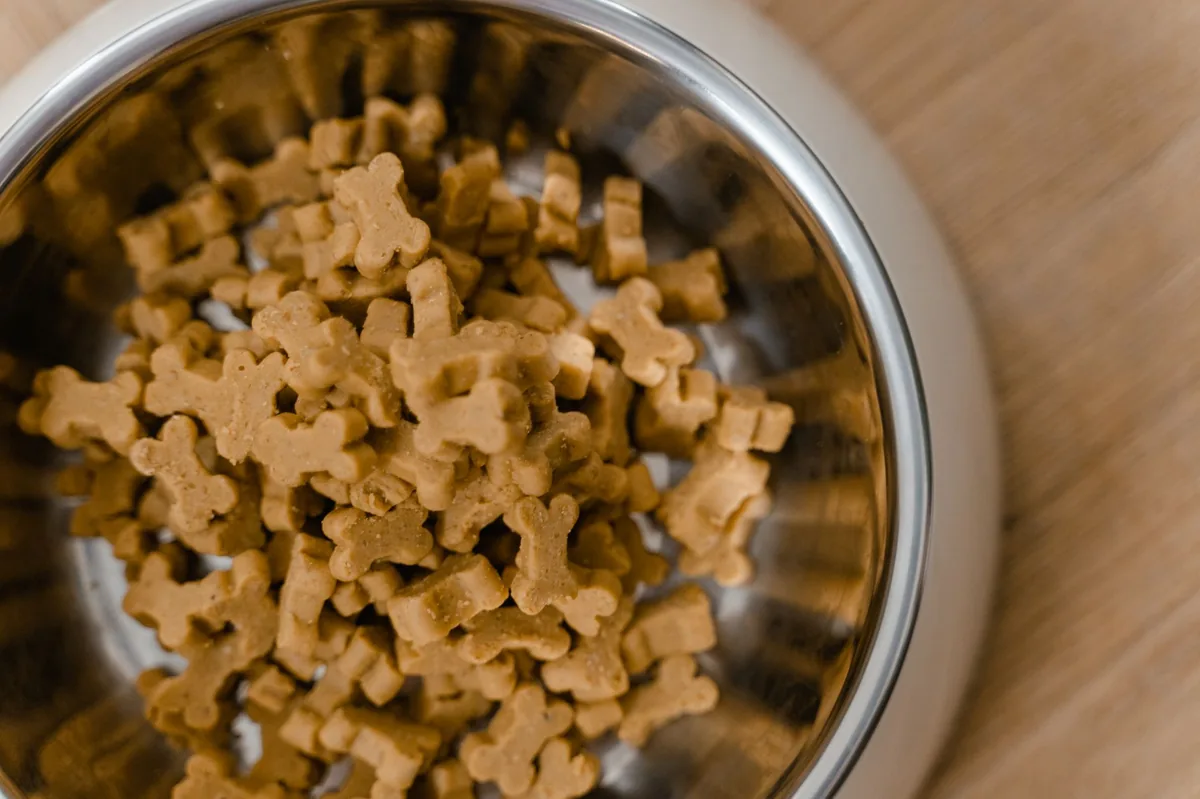
After lung lobe torsion surgery, your dog’s body needs extra calories, high‑quality protein, and easy‑to‑digest nutrients to heal the surgical site, rebuild lost blood cells, and maintain lung function. Here’s a practical guide to feeding during the recovery window (typically 2–4 weeks).
What to feed
- Highly digestible protein sources: Cooked chicken, turkey, or lean beef (skinless, boneless) mixed with a small amount of rice or sweet potato. These foods are gentle on the stomach and supply the amino acids needed for tissue repair.
- Prescription therapeutic diets (optional): If your dog has concurrent issues like chronic bronchitis or heart disease, a veterinary‑formulated diet such as a “respiratory support” or “low‑sodium” formula may be recommended. These diets are designed to be low in sodium and high in antioxidants.
- Omega‑3 supplements: A daily dose of fish‑oil (as advised by your vet) can reduce inflammation in the recovering lung tissue.
What to limit
- High‑fat treats or table scraps that can cause gastrointestinal upset or weight gain, which puts extra pressure on the lungs.
- Excessive sodium (e.g., processed meats, salty snacks) because it can promote fluid retention and aggravate any underlying heart strain.
- Raw bones that might splinter and cause additional trauma to the throat or digestive tract.
What to avoid
- Highly processed foods with artificial colors, flavors, or preservatives, as they can delay healing.
- Very rough or hard kibble that may be difficult to chew if your dog’s mouth is sore from intubation.
Feeding schedule
- Offer small, frequent meals (3–4 times daily) for the first 48 hours post‑surgery. This eases the digestive load and prevents nausea.
- Gradually transition back to the regular feeding routine over 5–7 days, watching for any signs of vomiting, diarrhea, or loss of appetite.
Transition tips
- Mix a tablespoon of the recovery diet with the regular kibble, increasing the proportion each day.
- Warm the food slightly (no more than body temperature) to enhance aroma and appetite.
- Ensure fresh water is always available; hydration supports mucous membrane health.
If your dog has a pre‑existing condition like chronic kidney disease, discuss specific nutrient adjustments with your vet. The goal is a balanced diet that supports lung healing without overloading the system.
Cost and prognosis
Financial considerations are part of any emergency, and lung lobe torsion can be pricey because of imaging, surgery, and intensive care.
| Region | Typical cost range (USD / GBP) | What’s included |
|---|---|---|
| United States | $4,000–$10,000 | X‑ray/CT, anesthesia, surgery (lobectomy), hospitalization, post‑op meds |
| United Kingdom | £3,000–£7,000 | Same as US, with NHS or private clinic pricing variations |
| Australia | AUD 5,000–9,000 | Imaging, surgery, 48‑hour monitoring, analgesics |
Insurance can cover a large portion of these expenses, especially if you have a comprehensive pet health plan that includes emergency surgery. Check your policy’s limits for “surgical procedures” and “hospitalization.”
Prognosis is generally good when surgery occurs within hours of symptom onset. Survival rates range from 70 % to 90 % according to the American College of Veterinary Surgeons. Factors that worsen outlook include delayed treatment, pre‑existing heart or lung disease, and advanced age.
Prevention and home care
Because many torsions are spontaneous, you can’t eliminate risk entirely, but you can reduce the odds and be ready to act fast:
- Protect against chest trauma: Use a properly fitted harness instead of a collar for large, active dogs, especially during high‑impact activities.
- Regular veterinary check‑ups: Annual exams can catch subtle lung or heart issues that might predispose a dog to torsion.
- Monitor breathing at home: A quick daily check of your dog’s breathing rate (normal is 10–30 breaths per minute at rest) can alert you to early changes.
- Weight management: Maintaining a healthy body condition reduces strain on the chest wall and lungs.
- Promptly address coughing: Even a mild, persistent cough deserves a vet visit; early treatment of underlying airway disease may lower torsion risk.
After surgery, follow your vet’s discharge instructions closely: keep your dog confined to a quiet area, limit stairs, and administer all prescribed meds on schedule. A gentle walk after the first 48 hours helps prevent lung atelectasis (collapse) without stressing the incision.
From our vet team: “If you ever hear the words ‘lung lobe torsion,’ take a breath and call your vet immediately. The surgery sounds scary, but it’s a targeted procedure that removes the dead tissue and gives your dog a real chance to recover. Most owners are surprised at how quickly dogs bounce back once the lung is repaired and proper nutrition is in place.”
Key takeaways
- Lung lobe twisting is a sudden, life‑threatening emergency that requires immediate veterinary attention.
- Rapid breathing, a persistent cough, and pale or bluish gums are the hallmark signs; act fast if they appear.
- Diagnosis relies on X‑rays or CT scans, and definitive treatment is surgical removal (lobectomy) in most cases.
- Post‑operative care includes oxygen support, pain control, a high‑quality protein diet, and gentle activity for 2–4 weeks.
- Costs vary widely (US $4‑10 K, UK £3‑7 K), but many pet insurance plans cover a large portion of the expense.
Myth vs. fact
Myth: Lung lobe torsion is always caused by a dog being hit or injured.
Fact: Most cases are spontaneous with no obvious trauma; breed and age are stronger risk factors.
Myth: Surgery is rarely successful and dogs rarely return to normal.
Fact: When treated promptly, survival rates are 70 %–90 %, and many dogs regain full activity levels within weeks.
Frequently asked questions
What are the early signs of lung lobe torsion in dogs?
Early signs include a sudden, dry cough, rapid shallow breathing, and a slight change in gum color. These symptoms can develop within minutes and may be mistaken for a mild respiratory infection.
Is lung lobe twisting life‑threatening for dogs?
Yes. Because the twisted lobe loses blood flow, the condition can cause severe hypoxia and shock within hours if not treated surgically.
How is lung lobe torsion diagnosed by veterinarians?
Vets start with a physical exam and chest X‑rays; if the X‑ray is inconclusive, a CT scan is the gold standard for confirming which lobe is twisted.
What surgical procedures are used to correct lung lobe torsion?
The most common surgery is a lobectomy, where the affected lobe is removed. In very early cases, surgeons may untwist the lobe and secure it to the chest wall, but this is rare.
What is the typical recovery time after lung lobe torsion surgery?
Most dogs stay in the hospital for 2–5 days, then need 2–4 weeks of restricted activity at home before returning to full exercise.
Which dog breeds are most at risk for lung lobe torsion?
Large, deep‑chested breeds such as Great Danes, German Shepherds, Bullmastiffs, Labrador Retrievers, and Boxers have the highest reported incidence.
Ask the PuppaDogs community
Have a question this article didn’t fully answer? Want to compare notes with other dog owners who’ve been through this? Our community forum is moderated by experienced owners and vets — and answers tend to come fast. Ask in the PuppaDogs community →
References
- American College of Veterinary Surgeons (ACVS). “Lung Lobe Torsion in Dogs.” 2023 clinical guidelines.
- American Animal Hospital Association (AAHA). “Emergency and Critical Care Standards.” 2022.
- Merck Veterinary Manual. “Pulmonary Torsion (Lung Lobe Torsion).” Updated 2023.
- American College of Veterinary Internal Medicine (ACVIM). “Thoracic Imaging in Small Animals.” 2022.
- Veterinary Partner (University of Minnesota). “Respiratory Emergencies in Dogs.” 2023.
- Pet Insurance Review. “Average Cost of Emergency Surgery for Dogs.” 2023.
- World Small Animal Veterinary Association (WSAVA). “Guidelines for Post‑Operative Care.” 2022.
- University of California, Davis Veterinary Medicine. “Nutrition for Post‑Surgical Recovery.” 2023.


