









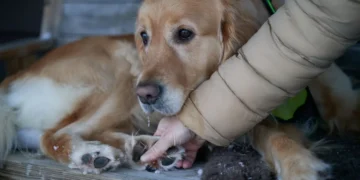






Quick take: Lyme disease in dogs is caused by the bacterium *Borrelia burgdorferi* transmitted by black‑legged ticks. Early signs include lameness, fever, and loss of appetite; most cases respond well to antibiotics, but prompt veterinary care is essential. Prevent ticks with effective repellents, regular checks, and consider vaccination in high‑risk areas.
It’s 9 p.m., you’re on the couch, and your usually spry Border Collie is curled up, refusing to chase the ball she usually loves. Her ears are perked, but you notice she’s favoring one hind leg and her gums look a little paler than usual. The thought “Lyme disease?” flashes through your mind, and the internet search begins. You’re not alone—many owners first hear the word “Lyme” from a vet or a friend, then wonder what it really means for their dog.
Below, we walk you through everything you need to know about Lyme disease in dogs: how the bug gets into your pet, what to watch for, how vets confirm it, treatment options, costs, and the best ways to keep ticks at bay. By the end you’ll feel empowered to act quickly and confidently.
Our guide follows the latest recommendations from the American Veterinary Medical Association (AVMA), the American Animal Hospital Association (AAHA), and the Merck Veterinary Manual. For personalized advice, always discuss your dog’s situation with your veterinarian.

What is Lyme disease in dogs?
Lyme disease is an infectious illness caused by the spiral‑shaped bacterium Borrelia burgdorferi. The bugs hitch a ride on the saliva of the black‑legged tick (Ixodes scapularis) and enter the dog’s bloodstream when the tick feeds for 36–48 hours. Once inside, the bacteria spread to joints, the heart, kidneys, and sometimes the nervous system.
In the United States, the disease is most common in the Northeast, Upper Midwest, and Pacific Northwest. The AVMA estimates that up to 30 % of ticks in these regions carry the bacteria, meaning many dogs are exposed each year. While any breed can contract Lyme disease, larger, active dogs that spend time in wooded or grassy areas are seen more often.
What causes it?
- Tick exposure: The primary cause is a bite from an infected black‑legged tick.
- Geographic risk: Living or traveling in endemic zones (e.g., Connecticut, Minnesota, Washington).
- Seasonality: Tick activity peaks in spring and early summer, but can extend into fall in milder climates.
- Breed and activity level: Working, hunting, or outdoor‑active breeds (e.g., Labrador Retrievers, German Shepherds) have higher exposure.
Signs and symptoms
Symptoms can appear weeks to months after a tick bite, and they often mimic other ailments. Below is a quick guide to what you might notice.
| Severity | Typical signs |
|---|---|
| Mild | Transient fever, loss of appetite, slight limp that improves after rest. |
| Moderate | Persistent lameness that shifts between legs, swollen joints, noticeable fatigue, pale gums. |
| Severe | Severe joint swelling, kidney dysfunction (increased thirst/urination), heart rhythm changes, neurological signs such as facial paralysis. |
Early signs are often subtle—a brief limp or a low‑grade fever. If left untreated, the infection can become chronic, leading to recurring joint inflammation or kidney disease.
When to call your vet
Call your vet today if you notice any of the following:
- Intermittent limping or joint swelling lasting more than 24 hours.
- Fever (temperature above 103 °F) or loss of appetite lasting more than a day.
- Pale gums, excessive panting, or unexplained lethargy.
Go to an emergency clinic right now if your dog shows any of these urgent signs:
- Sudden inability to walk or severe pain.
- Rapid breathing, fainting, or collapse.
- Signs of kidney failure (excessive drinking, urination, or swelling of the abdomen).
These recommendations are for guidance only; they do not replace professional veterinary care.
How vets diagnose it
Diagnosing Lyme disease involves a combination of history, physical exam, and laboratory testing.
- History and tick check: Your vet will ask where and when your dog spends time outdoors and will look for attached ticks.
- Blood tests:
- ELISA (enzyme‑linked immunosorbent assay): Screens for antibodies against *B. burgdorferi*. A positive result indicates exposure but not necessarily active infection.
- Western blot: Confirms ELISA results by identifying specific protein bands; helps differentiate recent infection from past exposure.
- PCR (polymerase chain reaction): Detects bacterial DNA in joint fluid or blood, useful for confirming active infection, especially in chronic cases.
- Joint fluid analysis: If arthritis is prominent, the vet may tap the joint to examine fluid for inflammation and run PCR on the sample.
Because antibodies can linger long after the bacteria are cleared, vets interpret test results alongside clinical signs.
Treatment options
Medical treatment
Antibiotics are the cornerstone of therapy. The most common regimens, recommended by AAHA, include:
- Doxycycline: A tetracycline antibiotic given twice daily for 4 weeks. It penetrates joint tissue well.
- Amoxicillin‑clavulanate: An alternative for dogs that cannot tolerate doxycycline, also administered for 4 weeks.
- Azithromycin: Occasionally used in combination with doxycycline for severe cases.
Ask your vet about these options; dosage will depend on your dog’s weight and health status. Anti‑inflammatory medications (e.g., NSAIDs) may be added to control joint swelling, but only under veterinary supervision because some NSAIDs can affect kidney function.
Supplements and supportive care
While supplements are not a cure, they can aid recovery:
- Omega‑3 fatty acids (EPA/DHA): Reduce joint inflammation and support skin health. Look for a high‑quality fish‑oil supplement.
- Glucosamine & chondroitin: May help maintain cartilage health in dogs with lingering arthritis.
- Probiotics: Support gut health, especially if your dog experiences antibiotic‑associated diarrhea.
These should be discussed with your vet to ensure they won’t interact with prescribed antibiotics.
Procedures or surgery
Most cases resolve with medication alone. In rare, chronic joint infections, a veterinarian might perform arthrocentesis (joint fluid removal) or, in extreme cases, surgical debridement of infected tissue. Recovery from such procedures can take several weeks and typically involves controlled activity and physiotherapy.
Diet and nutrition
While there is no specific “Lyme diet,” feeding a balanced, easily digestible diet helps the immune system and reduces strain on the kidneys, which can be affected in chronic infection.
Here’s what to focus on:
- High‑quality protein: Supports tissue repair. Choose foods with named meat sources (e.g., chicken, turkey) rather than meat meals.
- Moderate fat: Omega‑3‑rich fish or flaxseed oil can aid joint health.
- Limited phosphorus: If kidney involvement is noted, a lower‑phosphorus diet helps reduce further damage.
- Hydration: Fresh water should always be available; consider adding low‑sodium broth for dogs with reduced appetite.
Foods to avoid or limit:
| Do feed | Limit | Avoid |
|---|---|---|
| Lean meats, boiled vegetables, high‑quality kibble | Table scraps, high‑fat treats | Raw bones (risk of tick exposure), processed foods with excessive salt |
If your dog develops kidney issues, your vet may recommend a therapeutic renal diet (e.g., “renal‑support formula”) that is lower in protein and phosphorus while still providing essential nutrients. Transition gradually over 5‑7 days to avoid gastrointestinal upset.
Feeding schedule: Offer small, frequent meals (2–3 times daily) during the first week of antibiotic therapy to ease any stomach irritation. After recovery, return to your dog’s normal feeding routine.
Cost and prognosis
Financial considerations are part of the decision‑making process. Below are typical cost ranges in the United States and United Kingdom (prices vary by region and clinic).
| Service | US Estimate | UK Estimate |
|---|---|---|
| Initial exam & tick check | $45–$80 | £35–£60 |
| ELISA test | $70–$120 | £50–£90 |
| Western blot (if needed) | $120–$180 | £90–£150 |
| Antibiotic course (doxycycline) | $30–$70 | £25–£55 |
| Follow‑up visits (2–3) | $90–$150 total | £70–£120 total |
| Joint fluid analysis (optional) | $150–$250 | £120–£200 |
Most dogs respond well to a 4‑week antibiotic regimen, with a good prognosis—approximately 80‑90 % recover fully when treated early. Chronic cases involving kidney disease may have a guarded prognosis, but supportive care can still provide a comfortable quality of life.
Prevention and home care
Preventing tick bites is the most effective way to avoid Lyme disease.
- Tick preventatives: Spot‑on products (e.g., fipronil, selamectin) applied monthly, or oral medications containing afoxolaner or fluralaner. Choose a product approved by the USDA or EMA for your region.
- Tick‑checking routine: After walks in wooded or grassy areas, run your hands over your dog’s coat, paying special attention to ears, paws, and under the collar.
- Land management: Keep grass trimmed, remove leaf litter, and create a tick‑free zone around your home using wood chips or mulch.
- Vaccination: A licensed Lyme vaccine (e.g., Nobivac Lyme) is available in the US, Canada, and parts of Europe. The AAHA recommends it for dogs that regularly enter high‑risk areas. Discuss with your vet whether the vaccine is appropriate for your dog’s lifestyle.
For dogs that spend a lot of time outdoors, combine a vaccine with a monthly repellent for optimal protection. In low‑risk regions, diligent tick checks and repellents alone may be sufficient.
Vet’s note
From our vet team: Early detection makes a huge difference. If you notice a limp that comes and goes, schedule a vet visit within 24 hours—many owners think the problem will resolve on its own, but a simple blood test can confirm exposure before the bacteria cause joint damage. Remember, the same tick that carries Lyme can also transmit anaplasmosis and babesiosis, so a comprehensive test panel is often the safest route.
Key takeaways
- Lyme disease spreads through black‑legged tick bites; prompt tick checks can stop infection early.
- Early signs include intermittent limping, fever, and reduced appetite—watch for these after outdoor activities.
- Diagnosis relies on ELISA screening and confirmatory Western blot or PCR; your vet will match test results to clinical signs.
- Standard treatment is a 4‑week course of doxycycline or amoxicillin‑clavulanate, with anti‑inflammatories as needed.
- Vaccination and monthly tick preventatives are the best long‑term strategies, especially in endemic regions.
- Most dogs recover fully when treated early; costs vary but typically range from $300‑$600 for a complete work‑up and therapy.
Myth vs. fact
Myth: A single bite from a tick always leads to severe Lyme disease.
Fact: Not every tick bite transmits the bacteria, and many dogs develop only mild or no clinical signs. Early treatment prevents severe complications.
Myth: The Lyme vaccine is unsafe for all dogs.
Fact: The vaccine is safe for most dogs, though puppies under 8 weeks and dogs with certain immune disorders may be excluded. Your vet will assess suitability.
Myth: Home tick removal kits can cure Lyme disease.
Fact: Removing a tick promptly reduces transmission risk, but once bacteria are inside the body, antibiotics are required for cure.
Frequently asked questions
How do I know if my dog has Lyme disease?
Look for intermittent lameness, fever, and loss of appetite, especially after a tick‑prone walk; a vet’s blood test will confirm exposure.
What tests does a vet use to confirm Lyme disease in dogs?
Veterinarians typically start with an ELISA screen, followed by a Western blot for confirmation, and may use PCR on joint fluid if arthritis is severe.
Can a dog be cured of Lyme disease?
Yes—most dogs recover fully after a 4‑week antibiotic course when treatment begins early; chronic cases may need longer management.
Is the Lyme disease vaccine safe for all dogs?
The vaccine is safe for the majority of dogs over 8 weeks old, but puppies, very young puppies, or dogs with certain immune disorders should discuss risks with their vet.
How long does treatment for Lyme disease in dogs last?
Standard therapy lasts 4 weeks, though some dogs with lingering joint inflammation may need a longer anti‑inflammatory regimen.
What are the side effects of antibiotics for Lyme disease in dogs?
Common side effects include mild gastrointestinal upset (vomiting or diarrhea) and, rarely, loss of appetite; probiotic supplementation can help mitigate these effects.
Ask the PuppaDogs community
Have a question this article didn’t fully answer? Want to compare notes with other dog owners who’ve been through this? Our community forum is moderated by experienced owners and vets — and answers tend to come fast. Ask in the PuppaDogs community →
References
- American Veterinary Medical Association (AVMA). “Lyme Disease in Dogs.” AVMA Guidelines, 2023.
- American Animal Hospital Association (AAHA). “Tick‑Borne Diseases.” AAHA Clinical Practice Guidelines, 2022.
- Merck Veterinary Manual. “Lyme Disease.” Chapter on Bacterial Infections, 2021.
- Centers for Disease Control and Prevention (CDC). “Tick‑Borne Diseases of Dogs.” 2023.
- World Small Animal Veterinary Association (WSAVA). “Vaccination and Tick Prevention.” 2022.
- Veterinary Partner. “Diagnosing Lyme Disease in Dogs.” 2022.
- University of California, Davis Veterinary Medicine. “Canine Lyme Disease Treatment.” 2023.
- American College of Veterinary Internal Medicine (ACVIM). “Guidelines for Antimicrobial Use in Dogs.” 2022.


