














Quick take: Lupoid onychodystrophy in dogs is a chronic nail‑bed disease that causes thickened, ragged nails and painful inflammation. It’s not usually life‑threatening, but it can impair mobility and quality of life if left untreated. Early veterinary care, proper nail care, and targeted medical therapy can keep most dogs comfortable and active.
It’s 9 p.m., the house is quiet, and you notice your 7‑year‑old mixed‑breed Labrador dragging a paw across the living‑room rug. The nail looks unusually thick, with a yellowish, crumbly tip that seems to be pulling away from the nail bed. Your heart skips a beat as you wonder whether this is something you can fix at home or if it’s a sign of a deeper problem.
Many owners describe that exact moment—the first time a nail looks “different” and the worry that follows. Most of the time, the concern turns out to be lupoid onychodystrophy, a condition that can be managed with the right combination of veterinary care, nail hygiene, and supportive home measures.
In this guide we’ll explain what lupoid onychodystrophy is, how to recognize it, when you need immediate veterinary help, and what treatment, diet, and prevention strategies can keep your dog’s paws healthy. We’ll also cover cost expectations, breed predispositions, and the outlook for dogs diagnosed with this condition.
What is lupoid onychodystrophy in dogs?
Lupoid onychodystrophy (often abbreviated LOD) is a chronic inflammatory disorder of the nail matrix and nail bed. In plain language, the nail‑producing tissue becomes inflamed and over‑grows, leading to thick, brittle, and sometimes discolored claws. The condition is thought to be immune‑mediated, meaning the dog’s own immune system mistakenly attacks the nail structures.
While exact prevalence numbers are limited, the American College of Veterinary Dermatology (ACVD) notes that LOD accounts for a noticeable minority of chronic nail disorders seen in referral practices. It appears in dogs of any age but is most commonly diagnosed in middle‑aged to senior dogs.
What causes it?
The precise trigger for lupoid onychodystrophy remains unclear, but several factors are recognized as contributors:
- Immune‑mediated disease: The immune system may target the nail matrix, similar to how it can affect skin (e.g., lupus).
- Genetic predisposition: Certain breeds seem more prone, suggesting an inherited component.
- Secondary infections: Bacterial or fungal overgrowth can worsen inflammation and nail damage.
- Trauma or chronic irritation: Repeated mechanical stress on a nail can incite an abnormal healing response.
| Risk factor | How it contributes |
|---|---|
| Breed genetics | Inherited immune tendencies increase susceptibility. |
| Autoimmune background | Dogs with systemic lupus erythematosus (SLE) are more likely. |
| Chronic nail trauma | Repeated injury can trigger abnormal nail growth. |
| Secondary infection | Fungi or bacteria exacerbate inflammation. |
Signs and symptoms
Early LOD often masquerades as ordinary nail wear, but there are tell‑tale clues you can spot at home. Below is a progression chart to help you gauge severity.
| Stage | Typical signs |
|---|---|
| Mild | Subtle thickening, slight yellowing, occasional brittleness. |
| Moderate | Noticeable claw enlargement, crumbling tips, occasional pain when walking. |
| Severe | Extensive nail loss, ulcerated nail beds, marked lameness, secondary infection. |
Other common observations include:
- Irregular nail shape or “spoon‑shaped” tips.
- Redness or swelling around the nail base.
- Bleeding or discharge from the nail bed.
- Reluctance to run, jump, or climb stairs.
- Scratching or licking the affected paws more than usual.
When to call your vet
Call your vet today if you notice any of the following:
- Persistent nail thickening or discoloration lasting more than two weeks.
- Visible swelling, redness, or discharge around the nail.
- Signs of pain when your dog walks, climbs stairs, or when you touch the nail.
- Any sudden change in your dog’s activity level or appetite.
Go to an emergency veterinary hospital right now if you see:
- Severe bleeding that does not stop after applying gentle pressure.
- Sudden loss of a nail with exposed, raw tissue that looks infected (pus, foul odor).
- Rapid onset of lameness that prevents the dog from standing.
These red‑flag signs may require urgent pain control, antibiotics, or wound care. Remember, this article provides general information; it is not a substitute for professional veterinary evaluation.
How vets diagnose it
Diagnosing lupoid onychodystrophy involves a stepwise workup:
- History and physical exam: Your vet will ask about nail changes, pain, and any prior skin or joint issues.
- Nail clipping and inspection: The veterinarian may trim the affected nail to assess the underlying nail bed.
- Skin scrapings and fungal culture: To rule out secondary infections that can mimic or worsen LOD.
- Biopsy of the nail matrix: A small tissue sample examined under a microscope is the gold standard for confirming an immune‑mediated nail disorder.
- Blood work: CBC and chemistry panels help identify systemic autoimmune disease or infection that could be linked.
According to the AAHA (American Animal Hospital Association) guidelines, a definitive diagnosis often hinges on histopathology from the biopsy, especially when the presentation is ambiguous.
Treatment options
Medical treatment
Most dogs respond to a combination of anti‑inflammatory and immunosuppressive drugs. Commonly used classes include:
- Glucocorticoids: Prednisone or prednisolone are first‑line to reduce inflammation.
- Immunomodulators: Cyclosporine (Atopica) or mycophenolate mofetil can be added if steroids alone are insufficient.
- Topical therapy: Triamcinolone acetonide ointment applied to the nail bed may help localized inflammation.
- Antibiotics or antifungals: If secondary bacterial infection (e.g., Staphylococcus) or fungal overgrowth (e.g., Malassezia) is present, your vet may prescribe amoxicillin‑clavulanate or terbinafine.
All medication choices should be discussed with your veterinarian, who will tailor dosing based on your dog’s weight, overall health, and disease severity. Ask your vet about these options.
Supplements and supportive care
Adjunctive supplements can aid nail health and reduce inflammation:
- Omega‑3 fatty acids (EPA/DHA): Found in fish oil, they support skin and nail membrane health.
- Biotin: A B‑vitamin that may improve nail keratin strength, especially when dietary intake is marginal.
- Probiotics: Helpful if an underlying gut dysbiosis contributes to systemic inflammation.
These supplements are not a cure, but they can complement medical therapy and are generally safe when given at recommended levels.
Procedures or surgery
In severe or refractory cases, surgical options may be considered:
- Partial nail avulsion: Removal of the affected nail plate to allow healthier regrowth.
- Total digital amputation: Rare, reserved for unmanageable pain or recurrent infection.
- Laser therapy: Emerging use for reducing localized inflammation, though evidence is still limited.
Recovery from a nail‑removal procedure typically takes 4–6 weeks, during which the dog may need a protective bootie or soft paw cover. Costs vary widely; see the cost section below for estimates.
Diet and nutrition
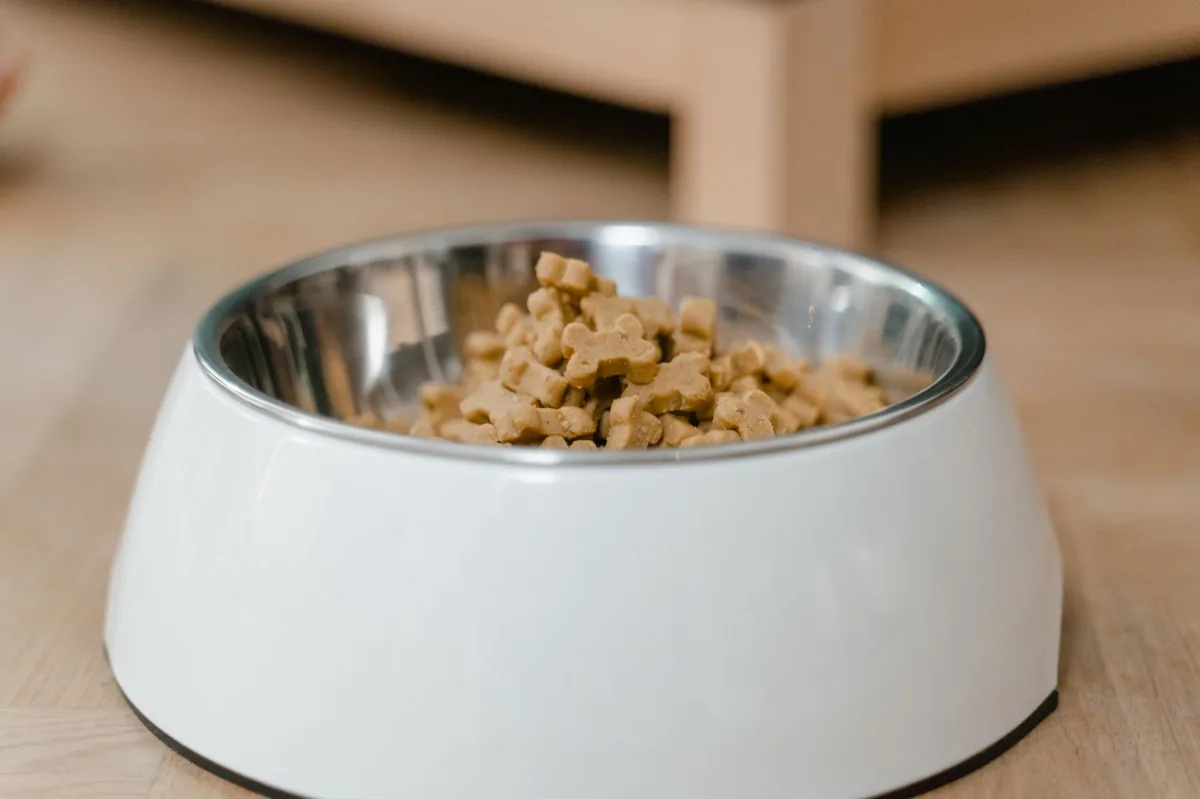
While no diet can cure lupoid onychodystrophy, nutrition plays a supportive role in skin and nail health. Providing high‑quality, balanced nutrition helps the body repair damaged nail matrices and reduces inflammation.
| Food category | What to feed | What to limit / avoid |
|---|---|---|
| Protein | Highly digestible animal proteins (chicken, turkey, fish) | Low‑quality filler proteins (by‑product meals) |
| Fats | Omega‑3 rich sources (salmon oil, flaxseed) | Excessive saturated fats |
| Vitamins & minerals | Biotin‑rich foods (egg yolk, liver) and zinc‑supplemented kibble | Excessive copper (may worsen inflammation) |
| Supplements | Fish‑oil capsules (EPA/DHA), biotin tablets as directed | Unregulated herbal blends without veterinary input |
Key feeding tips:
- Choose a complete, AAFCO‑approved diet: A balanced commercial kibble or wet food ensures all essential amino acids and micronutrients are present.
- Consider therapeutic diets: Some veterinary renal or skin‑support formulas contain added omega‑3s and antioxidants that may benefit nail health. Discuss options with your vet; we do not endorse a specific brand.
- Transition gradually: When switching foods, mix the new diet with the old over 7–10 days to avoid gastrointestinal upset.
- Hydration matters: Adequate water intake supports overall tissue health. Fresh water should be available at all times.
For dogs with concurrent skin disease, a diet formulated for dermatologic health (e.g., high in omega‑3s, low in allergens) can provide dual benefits. If your dog is a picky eater, try warm‑up the food or add a small amount of low‑salt broth to increase palatability.
Cost and prognosis
Financial considerations are an important part of any treatment plan. Below are typical cost ranges based on US and UK veterinary pricing, though actual fees vary by clinic, region, and severity.
| Service | US estimate | UK estimate |
|---|---|---|
| Initial exam + blood work | $150–$250 | £80–£130 |
| Biopsy (lab processing) | $200–$350 | £120–£200 |
| Glucocorticoid course (30 days) | $30–$60 | £20–£40 |
| Cyclosporine (30 days) | $150–$250 | £100–£180 |
| Surgical nail avulsion | $400–$800 | £250–£500 |
| Follow‑up visits (2‑3) | $100–$200 | £60–£120 |
Many pet insurance plans cover a portion of diagnostic workups and medication, especially if the condition is classified under “skin & coat” or “orthopedic” categories. Review your policy’s exclusions and speak with your insurer about pre‑authorization.
Prognosis is generally good when the disease is caught early and managed consistently. Most dogs regain normal nail growth within 3–6 months of therapy, though some may require lifelong maintenance to prevent recurrence. Severe cases that involve extensive nail loss or secondary infection may have a more guarded outlook and a longer recovery period.
Prevention and home care
While you can’t change genetics, you can reduce triggers that exacerbate lupoid onychodystrophy:
- Regular nail trimming: Keep nails short (no longer than the top of the toe pad) to minimize trauma.
- Gentle grooming tools: Use a rubber nail file or a fine‑grit grinder to smooth rough edges without causing heat buildup.
- Environmental control: Avoid rough surfaces (concrete, gravel) that can snag or break nails.
- Monitor for infection: Clean any minor cuts with a mild antiseptic solution and watch for redness or discharge.
- Routine veterinary check‑ups: Annual exams allow early detection of nail changes, especially in predisposed breeds.
For dogs with a known history of LOD, keep a health‑tracker calculator handy to log nail measurements and medication schedules. This can help you and your vet spot trends before the problem escalates.
From our vet team: “If you notice a single nail looking different, it’s worth a quick check‑up. Early intervention often means a short course of medication and a simple nail trim, rather than a more invasive procedure later. Consistency in nail care and a balanced diet are the everyday tools that keep many dogs comfortable.”
Key takeaways
- Lupoid onychodystrophy is an immune‑mediated nail disorder that causes thick, painful claws but is rarely life‑threatening.
- Early signs include subtle thickening, yellowing, and occasional pain; severe cases show ulcerated nail beds and infection.
- Veterinary diagnosis relies on nail biopsy, blood work, and ruling out secondary infections.
- Medical therapy (steroids, immunomodulators) and careful nail trimming are the mainstays of treatment; surgery is reserved for refractory cases.
- Balanced nutrition with omega‑3s and biotin supports nail health, while avoiding low‑quality fillers can reduce inflammation.
- Regular grooming, prompt veterinary visits, and monitoring can prevent recurrence and maintain mobility.
Myth vs. fact
Myth: Lupoid onychodystrophy always requires surgery.
Fact: Most dogs respond to medical therapy and nail trimming; surgery is only needed when medication fails or infection is severe.
Myth: The condition is contagious to other dogs.
Fact: LOD is not infectious; it stems from the dog’s own immune response, so other pets are not at risk.
Myth: Once a nail is damaged, it will never grow back properly.
Fact: With appropriate treatment, new healthy nail tissue can regenerate, though the process can take several months.
Frequently asked questions
What causes lupoid onychodystrophy in dogs?
Lupoid onychodystrophy is believed to be an autoimmune reaction where the dog’s immune system attacks the nail matrix, often triggered by genetic predisposition, chronic nail trauma, or secondary infections.
How can I tell if my dog has lupoid onychodystrophy?
Look for thickened, yellowed, or crumbling nails, especially if the dog shows pain when walking or seems reluctant to use the affected paw. A veterinary exam with a nail biopsy confirms the diagnosis.
Is surgery required for lupoid onychodystrophy?
Surgery is not the first line of treatment. Most cases improve with steroids, immunosuppressants, and regular nail care. Surgery is considered only for persistent, painful nails that do not respond to medication.
What medications are used to treat lupoid onychodystrophy?
Typical drugs include glucocorticoids such as prednisone, immunomodulators like cyclosporine, and topical steroids. If secondary infection is present, antibiotics or antifungals may be added.
Will lupoid onychodystrophy affect my dog’s mobility?
Severe nail pain can cause limping or reluctance to climb stairs, but with timely treatment most dogs regain normal movement. Ongoing nail trimming helps maintain comfort.
How long does recovery take after treatment for lupoid onychodystrophy?
Recovery varies; many dogs show improvement within 3–4 weeks of starting medication, while full nail regrowth can take 3–6 months. Surgical cases may need 4–6 weeks for wound healing before normal activity resumes.
Ask the PuppaDogs community
Have a question this article didn’t fully answer? Want to compare notes with other dog owners who’ve been through this? Our community forum is moderated by experienced owners and vets — and answers tend to come fast. Ask in the PuppaDogs community →
References
- American College of Veterinary Dermatology (ACVD) – Clinical guidelines for nail disorders in dogs.
- American Animal Hospital Association (AAHA) – 2023 Canine Dermatology Guidelines.
- Merck Veterinary Manual – “Onychodystrophy” entry.
- World Small Animal Veterinary Association (WSAVA) – Immunologic skin disease recommendations.
- American Veterinary Medical Association (AVMA) – Overview of autoimmune diseases in dogs.
- Cornell University College of Veterinary Medicine – “Canine Nail Disorders” article.
- UC Davis Veterinary Medicine – Nutritional support for dermatologic conditions.
- AAFP – Guidelines on the use of cyclosporine in canine patients.
