











Quick take: Luxating patella, or a knee dislocation, is when a dog’s kneecap slips out of its groove. Small‑breed dogs are most prone, and the condition ranges from a harmless “click” to a painful, unstable joint that may need surgery. Early detection, weight control, and appropriate therapy can keep most dogs comfortable and active.
It’s 9 p.m., the house is quiet, and your 7‑month‑old Miniature Schnauzer—normally a blur of energy—sits on the rug, favoring her right hind leg. You notice a soft “pop” as she lifts the paw, and her knee looks a little out of place. Your heart races; you’ve Googled “knee dislocation in dogs” and the results are overwhelming. You wonder: is this an emergency? Will she need surgery? What can you do tonight?
We understand that moment of uncertainty. Luxating patella in dogs (knee dislocation) is a common orthopedic problem, especially in small breeds. While some cases resolve with simple management, others progress to severe pain and arthritis. In this guide we’ll explain what luxating patella is, how to spot it, when to seek help, how vets diagnose and treat it, what it might cost, and how you can help prevent it.
Our vet team draws on the latest AAHA guidelines, the American College of Veterinary Surgeons (ACVS) recommendations, and the Merck Veterinary Manual to give you clear, actionable information.
What is luxating patella in dogs?
Luxating patella, also called a knee dislocation, occurs when the patella (kneecap) moves out of the trochlear groove on the femur. In a healthy joint, the patella slides smoothly as the leg bends and straightens, acting like a pulley that improves the mechanical advantage of the thigh muscles. When the groove is too shallow, the surrounding ligaments are lax, or the femur is malformed, the patella can slip outward—usually toward the inside (medial) of the leg.
The condition is graded I‑IV based on how far the patella moves and how often it does so (AAHA 2022). Grade I is a mild “click” that the dog can correct itself; Grade IV is a permanently dislocated patella that cannot be manually repositioned without surgery. Luxating patella is one of the most common orthopedic problems in dogs, affecting an estimated 5‑10 % of small‑breed dogs worldwide (Cornell Veterinary Medicine, 2023).
What causes it?
Several factors contribute to patellar luxation, often working together:
- Genetics: Breeds with a naturally shallow trochlear groove—such as Miniature and Toy Poodles, Chihuahuas, and Pomeranians—are predisposed (AKC Breed Data).
- Developmental abnormalities: Malformations of the femur or tibia, or a twisted growth plate, can misalign the joint.
- Trauma: A hard knock or fracture can damage the supporting ligaments or cartilage, leading to luxation.
- Obesity: Excess weight increases stress on the knee, accelerating ligament laxity and groove wear (AAHA Obesity Guidelines).
- Secondary causes: Conditions such as cranial cruciate ligament rupture or hip dysplasia can alter gait and predispose the patella to slip.
Signs and symptoms
Owners often notice changes in gait before a veterinarian confirms the diagnosis. Early signs can be subtle, while severe cases are unmistakable.
| Grade | Typical signs | Severity |
|---|---|---|
| I | Intermittent “click” or “pop” when the leg is bent; dog can correct the patella itself. | Mild |
| II | Occasional skipping or hopping; the patella may slip out but can be replaced manually. | Moderate |
| III | Frequent skipping, occasional inability to bear weight; manual replacement is difficult. | Severe |
| IV | Permanent outward position of the patella; dog avoids using the leg, shows pain, swelling, and may develop arthritis. | Very severe |
Common clues include:
- Sudden “pop” sound when the dog lifts the hind leg.
- Skipping, hopping, or an “abnormal” gait, especially on stairs or uneven surfaces.
- Swelling or warmth around the knee joint.
- Reluctance to run, jump, or climb.
- Visible “outward” position of the kneecap (often described as a “bowed” leg).
When to call your vet
Call your vet today if you notice any of the following:
- Intermittent clicking or occasional limp that persists for more than a few days.
- Swelling, warmth, or redness around the knee.
- Difficulty bearing weight on the affected leg.
Go to an emergency veterinary clinic right now if you see any sign of severe pain or sudden inability to move the leg, such as:
- Persistent outward position of the patella that cannot be manually corrected.
- Bleeding, a broken bone, or a visibly deformed knee.
- Your dog vocalizing or showing signs of acute distress when the leg is touched.
These red‑flag signs may indicate a fracture, severe luxation, or rapid onset of arthritis that needs urgent care.
This article is for informational purposes only and does not replace a hands‑on veterinary exam.
How vets diagnose it
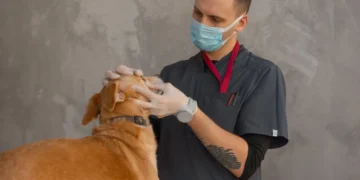
Diagnosis begins with a thorough history and physical exam. Your vet will watch your dog walk, trot, and climb stairs while gently palpating the knee.
- Physical exam: The veterinarian manipulates the patella to assess how easily it slides out of the groove and whether it can be replaced.
- Radiographs (X‑rays): Standard frontal and lateral views show the position of the patella, the depth of the trochlear groove, and any concurrent skeletal abnormalities. Grade III or IV luxations are usually evident on X‑ray (ACVS Imaging Guidelines).
- Advanced imaging: In complex cases, a CT scan or MRI may be used to evaluate the bone architecture and soft‑tissue structures, especially if surgery is being considered.
- Weight and body condition scoring: Your vet will assess obesity, a modifiable risk factor.
Treatment options
Medical treatment
Non‑surgical management aims to reduce pain, improve joint stability, and slow arthritis progression. Common approaches include:
- NSAIDs: Drugs such as carprofen or meloxicam reduce inflammation and pain. Your vet will choose the appropriate medication based on your dog’s health status (AAHA Pain Management Guidelines).
- Physical therapy (PT): Controlled range‑of‑motion exercises, hydrotherapy, and therapeutic laser can strengthen the quadriceps and improve joint tracking.
- Bracing: A custom‑fit patellar brace can keep the kneecap in place for Grade I‑II dogs, especially during activity.
- Weight management: A diet plan to achieve an optimal body condition score (BCS 4‑5/9) reduces stress on the knee.
Ask your vet about these options; they will tailor the plan to your dog’s grade and lifestyle.
Supplements and supportive care
While supplements cannot correct a structural defect, they can support joint health:
- Glucosamine/chondroitin: May improve cartilage synthesis and reduce mild osteoarthritis pain (Veterinary Orthopedic Society, 2021).
- Omega‑3 fatty acids (EPA/DHA): Anti‑inflammatory properties can help alleviate joint swelling. Fish‑oil supplements are a common recommendation.
- Vitamin C and antioxidant blends: May aid tissue repair, though evidence is modest.
These should be used as adjuncts to, not replacements for, the primary medical plan.
Procedures or surgery
Surgery is typically recommended for Grade III and IV luxations, or when conservative therapy fails to control pain. The most common procedures include:
- Trochlear deepening (trochleoplasty): The surgeon reshapes the groove to better accommodate the patella.
- Tibial tuberosity transposition: The attachment point of the patellar tendon is moved to improve alignment.
- Soft‑tissue stabilization: Tightening or reconstructing the medial and lateral retinacula (ligaments) to keep the patella centered.
These surgeries are usually performed under general anesthesia, often as an outpatient procedure. Recovery typically involves strict confinement for 4‑6 weeks, followed by graduated PT.
Diet and nutrition
Nutrition plays a supportive role in managing luxating patella, especially when weight control is needed and when joint health is a concern.
Foods to favor are those that provide high‑quality protein, controlled calories, and joint‑supporting nutrients. Look for kibble or wet foods formulated for small breeds with “lean‑muscle” or “joint health” claims, which often contain added glucosamine, chondroitin, and omega‑3s. If your dog is overweight, a calorie‑restricted diet from a reputable brand (AAFCO‑approved) can help you reach a healthy BCS.
Foods to limit or avoid include high‑fat treats, table scraps, and excessive carbohydrates that can contribute to weight gain. Bone‑in‑bone treats or large chew toys that encourage excessive chewing can also add hidden calories.
Some owners wonder whether a “raw” diet can prevent luxating patella. While raw diets provide natural protein and joint‑friendly cartilage, they do not correct the underlying anatomic defect. If you choose a raw or home‑prepared diet, ensure it’s balanced according to AAFCO standards and discuss it with your vet.
Prescription therapeutic diets are not required for patellar luxation, but if arthritis develops, a “joint‑support” therapeutic diet (e.g., those formulated for osteoarthritis) can be beneficial. These diets typically contain higher levels of omega‑3s, antioxidants, and limited sodium to reduce inflammation.
Feeding frequency should be consistent—most small‑breed dogs thrive on two meals per day. Splitting calories into smaller portions can help maintain steady blood glucose and avoid rapid weight gain.
When transitioning to a new diet, do it gradually over 7‑10 days: mix 25 % new food with 75 % old food, then increase the new portion by 25 % every few days. This reduces gastrointestinal upset and lets you monitor any changes in joint comfort.
| Category | Do feed | Limit | Avoid |
|---|---|---|---|
| Protein | High‑quality animal protein (chicken, turkey, fish) | Moderate‑fat treats | Excessive fatty cuts |
| Fats | Omega‑3 enriched oils | High‑calorie snacks | Fried foods |
| Carbohydrates | Complex grains or low‑glycemic kibble | Simple carbs (white rice) | Sugary treats |
| Joint supplements | Glucosamine/chondroitin‑added foods | None | Unregulated “herbal” blends |
Finally, always provide fresh water and consider a joint‑support chew (e.g., a fish‑oil chew) as an easy way to add omega‑3s without extra calories.
Cost and prognosis
Financial considerations often influence treatment decisions. Below is an approximate breakdown of typical expenses in the United States and the United Kingdom (prices vary by region and clinic):
| Item | US (USD) | UK (GBP) |
|---|---|---|
| Initial veterinary exam & X‑rays | $150‑$300 | £120‑£250 |
| Conservative management (NSAIDs, PT, brace) | $200‑$600 (6‑8 weeks) | £150‑£450 |
| Patellar luxation surgery (Grade III‑IV) | $1,500‑$3,500 | £1,200‑£2,800 |
| Post‑op rehabilitation (hydrotherapy, PT) | $400‑$1,000 | £300‑£800 |
| Follow‑up visits (incl. labs) | $100‑$250 per visit | £80‑£200 per visit |
Prognosis depends on grade and treatment choice. Dogs with Grade I‑II luxations often do well with weight control and PT, maintaining normal activity levels. Grade III‑IV dogs that undergo appropriate surgery have a 80‑90 % chance of returning to near‑normal function within 3‑6 months, according to ACVS outcome data. However, chronic arthritis can develop over time, especially if obesity persists.
Long‑term quality of life is usually excellent when pain is managed and the dog stays at a healthy weight. Regular re‑checks (every 6‑12 months) help catch any degenerative changes early.
Prevention and home care
Because many cases have a genetic component, you cannot eliminate the risk entirely, but you can reduce it:
- Maintain an ideal body condition: Keep your dog at a BCS of 4‑5/9. Use a calibrated food bowl and limit treats.
- Provide low‑impact exercise: Short, frequent walks on soft surfaces are gentler on the knees than high‑impact activities like jumping.
- Strengthen surrounding muscles: Simple PT exercises—such as “sit‑to‑stand” repetitions and controlled hill walks—help stabilize the patella.
- Use supportive bedding: Orthopedic dog beds reduce joint pressure during rest.
- Monitor for early signs: Check your dog’s gait weekly, especially after growth spurts in puppies.
- Regular veterinary check‑ups: Annual exams let the vet assess joint health and adjust weight‑management plans.
For owners of breeds with a known predisposition, consider discussing a breeding plan with a reputable breeder who screens for patellar luxation, although a definitive genetic test is not yet available (AVMA Genetics Resources).
From our vet team: “If you catch a Grade I or II luxation early and keep your dog at a healthy weight, many dogs never need surgery. Consistent, gentle physical therapy—often just a few minutes a day—can make a huge difference in joint stability.”
Key takeaways
- Luxating patella is a common knee problem in small breeds; it ranges from a harmless “click” (Grade I) to a painful, permanently dislocated joint (Grade IV).
- Early signs include a popping sound, intermittent limp, or occasional skipping; watch for swelling or persistent outward placement of the kneecap.
- Weight control, NSAIDs, and targeted physical therapy can manage Grade I‑II cases without surgery.
- Grade III‑IV luxations often require surgical deepening of the groove or tendon transposition; success rates are high when rehab is followed.
- Typical costs in the U.S. run $150‑$3,500 depending on diagnostics and surgery; prognosis is good when pain is controlled and the dog stays fit.
- Preventive steps—maintaining a healthy weight, low‑impact exercise, and regular joint checks—help keep your dog’s knees happy for life.
Myth vs. fact
Myth: “All dogs with a luxating patella will need surgery.” Fact: Many Grade I and II cases can be managed with weight control, NSAIDs, and physical therapy alone.
Myth: “A luxating patella is always painful.” Fact: Early grades may cause only a brief pop with no pain; discomfort usually increases as the grade advances.
Myth: “Diet alone can cure a luxating patella.” Fact: Nutrition supports overall joint health and weight management but cannot correct the anatomical defect.
Frequently asked questions
Can a luxating patella heal without surgery?
Yes—Grade I and II luxations often improve with conservative measures such as weight loss, NSAIDs, and regular physical therapy. Surgery is usually reserved for Grade III‑IV or cases that do not respond to medical management.
What does a grade III luxating patella look like on an X‑ray?
On a frontal X‑ray, a Grade III luxation shows the patella permanently displaced laterally or medially, unable to be repositioned manually, with a shallow trochlear groove and possible secondary signs of osteoarthritis.
How painful is a luxating patella for a dog?
Pain varies by grade. Dogs with Grade I may feel only a brief discomfort, while Grade III‑IV can cause chronic pain, limping, and reluctance to bear weight, especially after activity.
Is there a genetic test for luxating patella in dogs?
Currently, no definitive genetic test exists. However, breeders of predisposed breeds (e.g., Miniature Poodles, Chihuahuas) often screen breeding pairs for a history of patellar luxation to reduce incidence.
What post‑operative care is needed after knee surgery for dogs?
After surgery, your dog will need strict confinement for 4‑6 weeks, limited leash walks, and a gradual re‑introduction of activity guided by a veterinary rehabilitation specialist. Pain medication and joint supplements are typically prescribed during recovery.
Will my dog be able to run again after luxating patella treatment?
Most dogs return to normal or near‑normal activity within 3‑6 months after successful surgery, provided they follow the prescribed rehabilitation plan and maintain a healthy weight.
Ask the PuppaDogs community
Have a question this article didn’t fully answer? Want to compare notes with other dog owners who’ve been through this? Our community forum is moderated by experienced owners and vets — and answers tend to come fast. Ask in the PuppaDogs community →
References
- American Animal Hospital Association (AAHA). 2022 Canine Orthopedic Guidelines.
- American College of Veterinary Surgeons (ACVS). Patellar Luxation Surgical Recommendations, 2021.
- Merck Veterinary Manual. “Patellar Luxation” entry, 2023.
- Cornell University College of Veterinary Medicine. “Patellar Luxation in Small Breeds,” 2023.
- American Veterinary Medical Association (AVMA). Genetics Resources for Breeders, 2022.
- World Small Animal Veterinary Association (WSAVA). Pain Management in Dogs, 2022.
- Veterinary Orthopedic Society. Glucosamine/Chondroitin Efficacy Review, 2021.
- American Kennel Club (AKC). Breed Predisposition to Patellar Luxation, 2023.
- AAHA Obesity Guidelines, 2022.


