
















Quick take: Lupus in dogs is a rare, immune‑mediated disease that can affect skin, joints, kidneys, and other organs. Early signs are often subtle—fatigue, skin lesions, or joint stiffness—but prompt veterinary care, immunosuppressive medication, and a supportive diet can help many dogs live comfortable lives. Treatment costs vary, and lifelong monitoring is usually needed.
It’s 9 p.m., the living‑room lights are dim, and your usually‑spry Border Collie is curled up on the couch, eyes half‑closed, refusing her favorite squeaky toy. When you gently lift her paw, you notice a faint, reddish patch on the nose that you’ve never seen before. Your heart races as you wonder: could this be something serious?
You’re not alone. Many pet parents first notice lupus when a seemingly minor skin change or a sudden drop in energy turns into a series of puzzling vet visits. While lupus is uncommon, the uncertainty it brings can feel overwhelming.
In this guide we’ll explain what lupus in dogs actually is, the signs to watch for, how vets confirm the diagnosis, treatment options, expected costs, and practical steps you can take at home. By the end you’ll have a clear roadmap for managing this autoimmune condition with confidence.
What is lupus in dogs?
Lupus, medically known as systemic lupus erythematosus (SLE), is an autoimmune disease where the immune system mistakenly attacks the dog’s own tissues. In dogs, lupus can appear in three main forms:
- Systemic lupus erythematosus (SLE) – the classic, multi‑organ form that can involve the skin, joints, kidneys, heart, lungs, and blood cells.
- Cutaneous lupus erythematosus (CLE) – primarily affects the skin, often triggered by sunlight (photosensitivity).
- Discoid lupus erythematosus (DLE) – a localized, non‑scarring skin disease most often seen on the nose, ears, and lips.
Overall, lupus is rare, accounting for less than 0.1 % of all canine autoimmune diagnoses, according to the American College of Veterinary Internal Medicine (ACVIM). It can affect dogs of any age, but most cases are reported in young adult to middle‑aged dogs (3–7 years).

What causes lupus in dogs?
The exact trigger is still unknown, but several factors appear to increase risk:
| Factor | How it may contribute |
|---|---|
| Genetics | Breed predispositions suggest inherited immune‑regulation genes (e.g., Collies, Shetland Sheepdogs, German Shepherds). |
| Environmental triggers | UV light exposure can provoke cutaneous lesions; certain chemicals or drugs may act as triggers. |
| Infectious agents | Some viruses (e.g., canine parvovirus) and bacterial infections have been linked to immune dysregulation. |
| Hormonal influences | Female dogs are slightly over‑represented, hinting at a hormonal component. |
Most dogs develop lupus without a clear single cause; it’s likely a combination of genetic susceptibility and an environmental “spark.”
Signs and symptoms
Lupus can masquerade as many other conditions. Early signs are often vague, while later stages may involve serious organ damage.
| Stage | Typical signs |
|---|---|
| Mild | Fatigue, decreased appetite, small red patches on nose or ears, occasional joint stiffness. |
| Moderate | More pronounced skin lesions (scaly or ulcerated), noticeable lameness, pale gums, increased thirst. |
| Severe | Kidney failure (excessive urination, swelling), severe anemia, respiratory difficulty, uncontrolled fever. |
Common clues include:
- Red, crusty lesions on the nose, ears, or lips (especially after sun exposure).
- Swollen, painful joints that make the dog reluctant to jump or climb stairs.
- Pale or bluish gums indicating anemia.
- Increased drinking and urination if the kidneys are involved.
- General lethargy and weight loss despite a normal appetite.
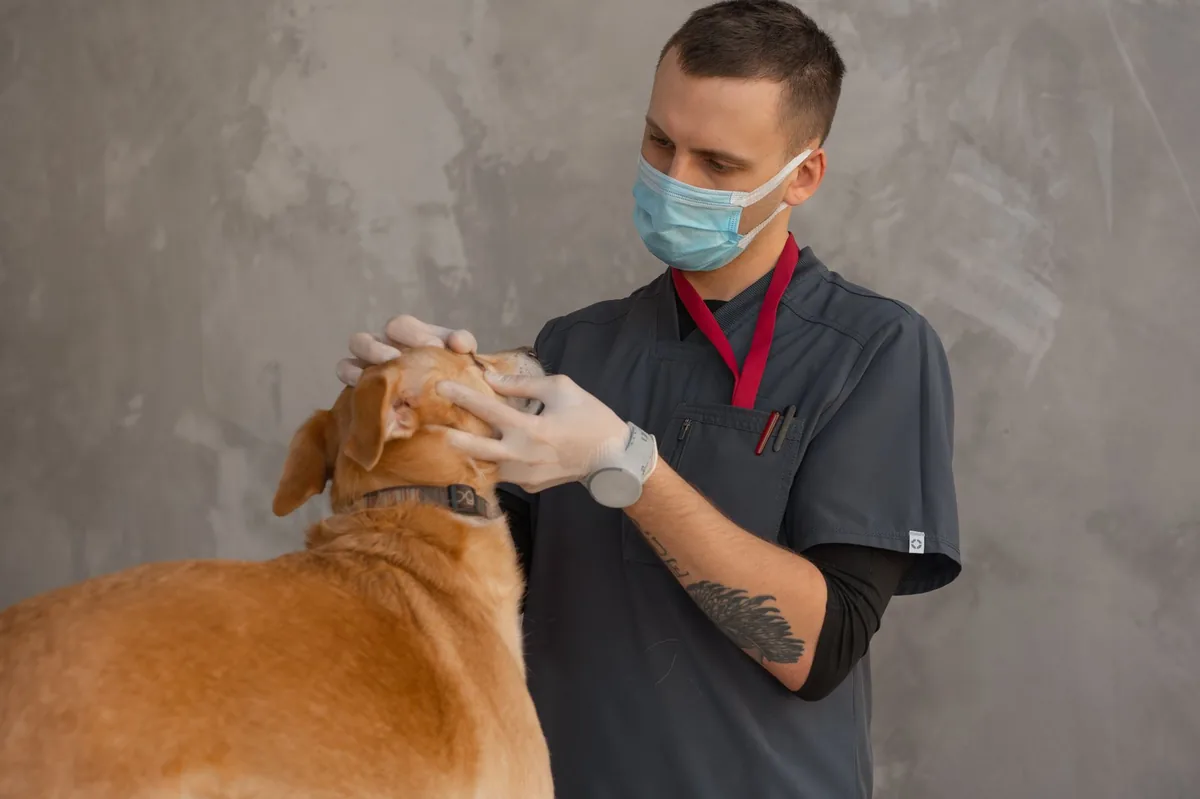
When to call your vet
Call your regular vet today if you notice any of the following:
- New or worsening skin lesions, especially on the nose or ears.
- Joint pain or stiffness that limits normal activity.
- Persistent pale gums or unexplained fatigue.
- Increased thirst, urination, or a sudden change in appetite.
Go to an emergency veterinary hospital right now if you see any of these urgent signs:
- Severe vomiting or diarrhea with blood.
- Sudden collapse, difficulty breathing, or seizures.
- Rapidly swelling limbs or abdomen (possible fluid buildup).
- Extreme weakness or inability to stand.
These symptoms can indicate organ failure that needs immediate care. This article is for information only and does not replace professional veterinary advice.
How vets diagnose lupus
Diagnosing lupus requires a combination of history, physical exam, and specialized tests. No single test confirms the disease, so vets use a systematic approach:
- History & physical exam: The vet will ask about symptom onset, sun exposure, diet, and any prior illnesses. A thorough skin and joint exam follows.
- Blood work: A complete blood count (CBC) can reveal anemia or low platelet counts. A chemistry panel checks kidney and liver function.
- ANA test (anti‑nuclear antibody): A positive ANA is a hallmark of SLE, though false positives occur. The test is performed by sending blood to a reference lab.
- Urinalysis: Detects protein or blood that signals kidney involvement.
- Skin or organ biopsy: In ambiguous cases, a small piece of skin or kidney tissue is examined under a microscope for immune‑complex deposition.
- Imaging: X‑rays or ultrasound may be used to assess joint erosion or kidney size.
Because lupus mimics other autoimmune or infectious diseases, the vet often rules out alternatives (e.g., immune‑mediated hemolytic anemia, tick‑borne diseases) before confirming SLE.
Treatment options
Medical treatment
Immunosuppression is the cornerstone of lupus therapy. Common drug classes include:
- Glucocorticoids (e.g., prednisone) – quickly reduce inflammation; most dogs start on a moderate dose.
- Cyclosporine – a calcineurin inhibitor used for long‑term control, especially when steroids alone aren’t enough.
- Azathioprine or mycophenolate mofetil – alternative immunosuppressants for dogs that don’t tolerate cyclosporine.
- NSAIDs – for pain relief when joint involvement is mild; always used under veterinary supervision.
- Antibiotics – prescribed if secondary bacterial infections develop on skin lesions.
Every medication regimen is customized. Ask your vet about the benefits and potential side effects of each option.
Supplements and supportive care
Adjunctive supplements can help manage inflammation and support organ health:
- Omega‑3 fatty acids (EPA/DHA) – shown to reduce skin inflammation and joint pain; high‑quality fish‑oil capsules are preferred.
- Vitamin E – an antioxidant that may aid skin healing.
- Probiotics – support gut health, especially when steroids affect the gastrointestinal tract.
- Milk thistle (silymarin) – may protect the liver if long‑term steroids are needed.
Supplements should be discussed with your vet to avoid interactions.
Procedures or surgery
Procedural interventions are rare but may be needed for organ damage:
- Renal dialysis – considered in severe kidney failure; usually a short‑term bridge to medical management.
- Splenectomy – occasionally performed if the spleen is severely compromised by immune complexes.
These procedures are costly (dialysis can exceed $5,000 USD per session) and require specialized facilities, so they are only pursued when other options fail.
Diet and nutrition
Nutrition plays a supportive role in controlling lupus flare‑ups and protecting affected organs. While no single “lupus diet” exists, the following principles are widely recommended by the AAHA and veterinary nutritionists:
- High‑quality, highly digestible protein – helps maintain muscle mass, especially if the kidneys are stressed.
- Moderate fat, enriched with omega‑3 – reduces systemic inflammation without overloading the pancreas.
- Low‑sodium, low‑phosphorus – beneficial for dogs with kidney involvement.
- Limited simple carbohydrates – helps avoid blood‑sugar spikes that can worsen immune activity.
- Prescription renal diet – if kidney disease is present, a therapeutic renal formula (e.g., Hill’s k/d, Royal Canin Renal) can be introduced gradually.
When transitioning foods, use a 7‑day gradual mix: 75 % old food + 25 % new, then 50/50, then 25 % old + 75 % new, finally 100 % new. This reduces gastrointestinal upset and lets you monitor any new reactions.
| Category | Do feed | Limit | Avoid |
|---|---|---|---|
| Protein | Lean chicken, turkey, white‑fish, cottage cheese | Moderate‑fat meats | High‑fat cuts, organ meats |
| Fats | Fish oil, flaxseed oil | Excessive animal fat | Fried foods, butter |
| Carbohydrates | Cooked sweet potato, pumpkin | White rice in large amounts | Processed treats with added sugars |
| Supplements | Omega‑3 capsules (EPA/DHA) | Vitamin E (if already on a supplement) | Raw bone broth (risk of bacterial contamination) |
Hydration is also key. Fresh water should be available at all times, and wet food can help increase fluid intake, especially for dogs with kidney disease.
Many owners find that a consistent feeding schedule—same time and portion each day—helps reduce stress, which can otherwise trigger immune flare‑ups. For dogs on steroids, a small snack before medication can mitigate stomach irritation.

Cost and prognosis
Because lupus is a chronic, often relapsing condition, costs can add up over a dog’s lifetime. Below are typical expense ranges, based on data from the American Veterinary Medical Association (AVMA) and UK Veterinary Association (UKVA):
| Expense | United States (USD) | United Kingdom (GBP) |
|---|---|---|
| Initial diagnostics (CBC, chemistry, ANA, urinalysis, biopsy) | $800–$1,500 | £600–£1,200 |
| Initial immunosuppressive therapy (first 2 months) | $300–$600 | £250–£500 |
| Monthly medication maintenance | $50–$150 | £40–£120 |
| Specialty diet (prescription renal or anti‑inflammatory) | $30–$80 per bag | £25–£70 per bag |
| Emergency ER visit (if needed) | $500–$2,000 | £400–£1,500 |
Pet insurance can offset many of these costs, especially if coverage includes “chronic illness” or “immunosuppressive therapy.” However, pre‑existing conditions are often excluded, so contacting your insurer early is advisable.
Prognosis varies widely. Approximately 60–70 % of dogs respond well to immunosuppressive drugs and enjoy several years of good quality of life (Merck Veterinary Manual). Dogs with severe kidney involvement have a poorer outlook, with median survival of 12–18 months if untreated. Early detection and consistent treatment dramatically improve outcomes.
Prevention and home care
While you can’t prevent a genetic predisposition, you can reduce flare‑up triggers:
- Limit UV exposure: For dogs with cutaneous lupus, avoid prolonged sunbathing. Use dog‑safe sunscreen (e.g., zinc‑oxide based) on exposed skin during summer walks.
- Stress management: Maintain a predictable routine, provide safe chew toys, and avoid sudden changes in environment.
- Regular veterinary check‑ups: Blood work every 2–3 months helps monitor organ function and adjust medication dosages.
- Vaccination safety: Follow AAHA vaccination guidelines; most vaccines are safe, but discuss any concerns with your vet.
- Watch for infections: Promptly treat skin infections or ear infections, as secondary bacteria can worsen immune activation.
At home, keep a simple symptom diary: note any new skin changes, appetite shifts, or joint stiffness. This record helps your vet spot trends and tweak treatment before a flare becomes severe.
From our vet team: “Lupus is a marathon, not a sprint. The moment you see a new skin spot or a change in your dog’s energy, reach out early. Early intervention paired with a balanced diet and consistent medication often turns a scary diagnosis into a manageable chronic condition.”
Key takeaways
- Lupus is a rare autoimmune disease that can affect skin, joints, kidneys, and blood cells.
- Early signs include fatigue, pale gums, and reddish facial lesions—check your dog’s nose regularly.
- Diagnosis relies on blood work, ANA testing, and sometimes a skin or organ biopsy.
- Standard treatment uses glucocorticoids plus a second immunosuppressant; lifelong monitoring is typical.
- Supportive nutrition—high‑quality protein, omega‑3s, and low‑sodium foods—helps control inflammation and protect kidneys.
- Costs vary; pet insurance and regular check‑ups can keep expenses manageable while improving prognosis.
Myth vs. fact
Myth: Lupus can be cured with a single course of steroids.
Fact: Lupus is a chronic autoimmune disease; most dogs require long‑term immunosuppression, though many achieve remission.
Myth: Only purebred dogs get lupus.
Fact: While some breeds have higher risk, mixed‑breed dogs can develop lupus too.
Myth: A dog with lupus will always have visible skin lesions.
Fact: Systemic lupus often presents without skin signs; internal organ involvement can be the primary issue.
Frequently asked questions
What symptoms should I look for if I suspect my dog has lupus?
Early clues include fatigue, loss of appetite, pale gums, and reddish or crusty lesions on the nose, ears, or lips; joint stiffness and increased thirst are also common.
How does a vet confirm a lupus diagnosis in a dog?
The vet combines a physical exam with blood work (CBC, chemistry), an ANA test for autoantibodies, urinalysis, and sometimes a skin or organ biopsy to rule out other diseases.
What are the most common treatments for lupus in dogs?
Glucocorticoids such as prednisone are the first line, often paired with a second immunosuppressant like cyclosporine, azathioprine, or mycophenolate. NSAIDs, antibiotics for secondary infections, and omega‑3 supplements support overall health.
Will my dog need lifelong medication for lupus?
Most dogs require ongoing immunosuppressive therapy, but dosage can be tapered over time if the disease stays in remission; regular blood monitoring guides adjustments.
Can diet help control lupus symptoms in dogs?
Yes. A diet rich in high‑quality protein, low in sodium, and supplemented with omega‑3 fatty acids can reduce inflammation and protect kidneys, especially when flare‑ups occur.
How much should I expect to spend on lupus care for my dog?
Initial diagnostics often cost $800–$1,500 USD, while monthly medication and specialty diet can range from $80–$250 USD. Emergency care or advanced procedures may add several hundred to a few thousand dollars.
Ask the PuppaDogs community
Have a question this article didn’t fully answer? Want to compare notes with other dog owners who’ve been through this? Our community forum is moderated by experienced owners and vets — and answers tend to come fast. Ask in the PuppaDogs community →
References
- American College of Veterinary Internal Medicine (ACVIM). “Systemic Lupus Erythematosus in Dogs.” 2023.
- American Animal Hospital Association (AAHA). “Guidelines for the Management of Autoimmune Diseases.” 2022.
- Merck Veterinary Manual. “Lupus Erythematosus, Canine.” Updated 2024.
- World Small Animal Veterinary Association (WSAVA). “Autoimmune Disorders: Diagnostic Approach.” 2021.
- American Veterinary Medical Association (AVMA). “Pet Insurance and Chronic Illness Coverage.” 2023.
- UC Davis School of Veterinary Medicine. “Nutritional Management of Autoimmune Disease in Dogs.” 2022.
- Veterinary Partner (Cornell). “Anti‑Nuclear Antibody Testing.” 2023.
- British Veterinary Association (BVA). “Cost of Veterinary Care for Chronic Conditions.” 2022.


