

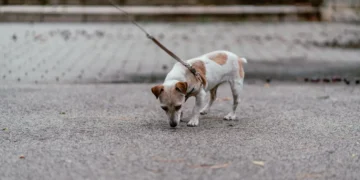




Quick take: Pointers are high‑drive, intelligent sporting dogs that thrive on purpose‑driven work. They’re moderately challenging for first‑time owners but excel when you channel their natural point‑and‑retrieve instincts into structured activities. The single training priority that matters most is building reliable off‑lead focus so they can safely chase game without losing you.
It was a crisp autumn morning when a new Pointer puppy, “Scout,” bounded into the family yard, nose twitching, and instantly locked onto a tossed ball. Within seconds he was sprinting, nose to the ground, and proudly presenting the ball at his owner’s feet—only to dart off again the moment a squirrel darted past. The owner’s excitement turned to frustration as Scout’s “game” instincts overrode basic recall. This is the classic Pointer paradox: incredible drive paired with a need for crystal‑clear, purpose‑based training.
Pointers belong to the AK C Sporting Group, are large‑sized, and possess a very‑high‑drive profile focused on scent, point, and retrieve. Because they were bred to locate and indicate game for hunters, they need activities that give them a job and keep their minds sharp. In this guide we’ll walk through what makes Pointers learn the way they do, the essential foundations every Pointer needs, age‑by‑age milestones, and a curated list of ten training activities that satisfy their instincts while fitting a variety of lifestyles.
Whether you’re raising a puppy, managing a teenage “adolescent regression” phase, or looking to compete in field trials, the activities below will give you a roadmap to a happy, reliable Pointer. For breed‑specific health and nutrition details, see our Pointer profile and Pointer nutrition guide.
Understanding your Pointer’s training profile
Pointers are best described by their biddability (willingness to work) paired with a strong streak of independence. They’re not “stubborn” – they simply prioritize the scent or movement that captures their attention. Working‑line Pointers often display sharper focus and higher stamina than show‑line lines, but both share the same core drives.
- Primary drives: scent, point (prey), retrieve. Food and game are powerful motivators.
- Sensitivity: moderate. They tolerate firm corrections when paired with clear, positive markers, but harsh aversive methods can trigger anxiety or loss of focus.
- Focus span & mental stamina: High when engaged in a specific task; can be short if the task is vague or unrewarding.
- Best motivators: high‑value treats, game (bird or ball), and enthusiastic praise. Many Pointers love a fast‑flying disc as much as a treat.
- Critical socialization window: 3–16 weeks. Early exposure to varied sounds, people, and wildlife prevents fear‑based reactivity, especially to gunfire and moving objects.
- Common owner mistakes: allowing the dog to “play” the game without structure, neglecting impulse‑control work, and failing to transition from toy play to real‑world field cues.
Foundational training every Pointer needs
- House training: Most large‑breed puppies grasp potty routines within 8–12 weeks, but consistent schedule and cueing are essential.
- Name recognition + eye contact: Use a high‑value treat and a clear marker word; practice several short sessions daily.
- Sit / down / stay / come: Teach using luring and shaping; keep sessions under five minutes to match their attention span.
- Loose‑leash walking: Pointers love to pull toward scents; a front‑clip harness paired with marker training helps teach “heel” without choking.
- Recall: Build reliability with high‑value game rewards and gradual distance increases; never use recall as a “punishment” cue.
- Crate training + settle: Introduce the crate as a safe den, using a comfy mat and treat‑pouch; practice “settle” on cue.
- Handling tolerance: Daily gentle handling of paws, ears, and mouth prevents fear during vet visits and grooming.
- Alone‑time / separation tolerance: Start with brief departures, using a “stay” cue and rewarding calm behavior.
Age‑by‑age training milestones
| Age | Skill priority | Realistic timeline for Pointers |
|---|---|---|
| 8‑12 weeks | Socialization sprint, name + eye contact, potty basics | Daily short sessions; full house‑training by 12 weeks |
| 3‑6 months | Impulse‑control basics, loose‑leash, recall foundation | Consistent leash work; reliable recall in low‑distraction areas |
| 6‑12 months | Adolescent regression management, generalizing commands | Proofing sit/stay with distractions; begin point training |
| 1‑2 years | Formal obedience, sport foundations (field, agility) | Structured point‑and‑retrieve drills; basic agility course |
| 2+ years | Advanced sport work, real‑world proofing | Field trial preparation, advanced agility or rally obedience |
10 training activities for the Pointer
| Activity | Best‑suited from age | Time commitment | Difficulty for this breed | Gear budget |
|---|---|---|---|---|
| Basic obedience foundation | 8 weeks | 10‑15 min daily | Low | Low |
| Loose‑leash walking | 12 weeks | 15‑20 min 3×/wk | Medium | Low‑Medium |
| Recall reliability | 3 months | 10‑12 min daily | Medium | Low |
| Place & settle training | 3 months | 5‑10 min daily | Low | Low |
| Impulse‑control games | 4 months | 5‑10 min daily | Low‑Medium | Low |
| Pointing & fieldwork basics | 6 months | 20‑30 min 2×/wk | Medium‑High | Medium |
| Retrieve training (land & water) | 6 months | 15‑20 min 2×/wk | Medium | Medium |
| Scent / nose work | 8 months | 10‑15 min 2×/wk | Medium | Low‑Medium |
| Agility (basic course) | 1 year | 30‑45 min 1‑2×/wk | High | Medium‑High |
| Canicross (running partner) | 1 year | 30‑60 min 2‑3×/wk | Medium‑High | Medium |
Basic obedience foundation
What it is: Core commands—sit, down, stay, come—form the language you’ll use for every later activity. For a Pointer, these cues become the safety net that lets you redirect a high‑drive dog from a sudden scent burst.
Why it suits Pointers: Their natural “work‑first” mentality means they’ll eagerly respond when a cue is tied to a clear reward. By teaching obedience early, you give them a reliable way to pause and listen, which is crucial when they’re out in the field.
Skill / age / space / gear requirements: Begin at 8 weeks with short 3‑minute sessions in a low‑distraction indoor space. You only need a handful of high‑value treats, a clicker or marker word, and a quiet room. Use a short leash only for “come” practice.
Timeline to real competency: Most Pointers will reliably sit and down by 10 weeks, stay for 5‑10 seconds by 12 weeks, and respond to “come” in a controlled environment by 14 weeks. Full “stay” with distance and duration takes 8‑12 weeks of consistent practice.
Common pitfalls: Skipping the “capture” phase—where you first let the dog discover the behavior on its own—leads to confusion. Also, using low‑value treats can cause the dog to lose interest once the novelty fades. Keep sessions brief, end on a success, and always reward with something the Pointer truly loves (e.g., a small piece of chicken or a quick game of fetch).
Loose‑leash walking
What it is: Teaching a Pointer to walk beside you without pulling, using a front‑clip harness and marker‑based reinforcement. The goal is a calm “heel” that lets you guide the dog’s nose rather than the dog leading yours.
Why it suits Pointers: Their scent‑driven curiosity makes them natural pullers. By teaching a “walk beside” cue, you channel that curiosity into purposeful investigation alongside you, which is essential for safe field work.
Skill / age / space / gear requirements: Start at 12 weeks with a well‑fitting front‑clip harness, a 6‑ft leash, and a small treat pouch. Practice in a quiet backyard before progressing to a calm sidewalk.
Timeline to real competency: Expect 2‑3 weeks of daily 5‑minute leash walks before the dog reliably walks beside you for short distances. Full “heel” with turns and distractions typically takes 8‑10 weeks.
Common pitfalls: Relying on a choke or prong collar to stop pulling. These tools can cause fear and do not teach the dog what to do instead. Instead, use “stop‑and‑go” shaping: when the dog pulls, stop walking, wait for a loose leash, mark, and reward.
Recall reliability
What it is: A strong “come” cue that brings the dog back from any distance, even when a scent or game is present. Recall is built on a high‑value reward and a clear marker.
Why it suits Pointers: In the field, a Pointer may be tempted to chase a bird. A reliable recall ensures you can call them off safely, preventing lost dogs or accidents.
Skill / age / space / gear requirements: Begin at 3 months on a long line (20‑30 ft). Use a high‑value treat (e.g., shredded cheese) and a distinct marker word (“here”). Practice in a fenced area, gradually increasing distance.
Timeline to real competency: Most Pointers will respond reliably in a low‑distraction yard within 4 weeks. Adding mild distractions (other dogs, toys) adds another 4‑6 weeks. Off‑lead reliability in a field setting can take 3‑6 months of progressive exposure.
Common pitfalls: Using “recall” as a punishment cue after the dog has done something undesirable. This erodes trust and reduces response rates. Always pair the recall with a rewarding outcome, even if you must briefly stop the unwanted behavior first.
Place & settle training
What it is: Teaching the dog to go to a designated mat or spot and stay relaxed until released. This “place” cue is invaluable for field work, hunting blinds, and veterinary exams.
Why it suits Pointers: The breed’s focus on a specific task translates well to a “stay” on a mat while you set up a shot or load equipment.
Skill / age / space / gear requirements: Start at 3 months with a small mat or blanket. Use a marker word (“place”) and a high‑value treat. Practice in a quiet room, then add mild distractions.
Timeline to real competency: Dogs typically learn to go to the mat within 2‑3 weeks. Adding a “settle” cue (e.g., “relax”) takes another 2‑4 weeks. Full duration of 5‑10 minutes with occasional distractions is achievable by 6 months.
Common pitfalls: Forgetting to release the dog after a successful stay, which can cause frustration. Always use a clear release word (“okay”) and reward the calm behavior immediately.
Impulse‑control games
What it is: Structured games like “wait,” “leave it,” and “stay” that teach the dog to pause before acting. These games strengthen self‑control, a key skill for a dog that lives for the chase.
Why it suits Pointers: Their high prey drive can lead to impulsive lunges at wildlife. Impulse‑control work gives them a mental brake, making them safer partners in the field.
Skill / age / space / gear requirements: Introduce at 4 months using a clicker or marker word, a treat pouch, and a small indoor area. Begin with “wait” at the door, then progress to “leave it” with tempting objects.
Timeline to real competency: Basic “wait” can be mastered in 1‑2 weeks. “Leave it” often requires 3‑4 weeks of daily short sessions. Generalizing to outdoor distractions may take an additional 4‑6 weeks.
Common pitfalls: Using the game as a punishment (“no, you can’t have it”) rather than a learning opportunity. Keep the tone upbeat and always finish with a reward for the correct response.
Pointing & fieldwork basics
What it is: Introducing the classic “point” behavior—standing still, nose low, and indicating a hidden scent source. This activity mimics the real hunting job Pointers were bred for.
Why it suits Pointers: Their innate prey drive and keen nose make them natural bird dogs. Structured point training satisfies that drive while teaching compliance.
Skill / age / space / gear requirements: Begin at 6 months with a quiet field or large fenced area. Use a “point” marker (a click or word) and a small reward (a piece of chicken). You’ll need a long line, a scent source (e.g., a hidden bird call toy), and a basic “stay” cue.
Timeline to real competency: Most Pointers will exhibit a natural “hold” stance within 2‑3 weeks of exposure. Teaching a consistent point on cue and maintaining it for 10‑15 seconds usually takes 6‑8 weeks of regular practice.
Common pitfalls: Allowing the dog to chase the scent before establishing a solid “point” cue. This reinforces the chase rather than the hold. Always reward the pause, not the pursuit, and keep the scent source low to the ground.
Retrieve training (land & water)
What it is: Teaching the dog to fetch and deliver a downed game bird or a thrown toy, both on land and in water. Retrieval is a core component of the Pointer’s hunting repertoire.
Why it suits Pointers: Their retrieving instinct is strong, especially in lines bred for water work. Structured retrieve training channels that drive into a reliable skill.
Skill / age / space / gear requirements: Start at 6 months with a soft fetch toy in a fenced yard. For water work, introduce a shallow pool or safe lake, using a floating retrieve toy. Use a high‑value treat and a “bring it” marker.
Timeline to real competency: Land retrieve basics (fetch and drop) are often solid by 8 weeks of consistent play. Water retrieve takes an additional 4‑6 weeks as the dog becomes comfortable with swimming and retrieving from a wet surface.
Common pitfalls: Over‑excitement leading to “grab‑and‑run” without a “drop” cue. Always teach “drop” before adding distance, and use a “release” command to ensure the dog brings the item back to you.
Scent / nose work (basic detection)
What it is: Simple detection games where the Pointer searches for a hidden treat or scent article. This activity sharpens their nose and provides mental enrichment.
Why it suits Pointers: Their scenting ability is second to none among sporting breeds. Nose work gives them a purpose when hunting isn’t possible.
Skill / age / space / gear requirements: Introduce at 8 months in a quiet room. Use a scent container (e.g., a small tin) and a few high‑value treats. A clicker or marker word helps signal a successful find.
Timeline to real competency: Basic “find it” games can be learned in 2‑3 weeks. Adding variations (different containers, increased distance) takes another 4‑6 weeks. Transitioning to formal nose‑work trials may require 3‑4 months of progressive training.
Common pitfalls: Relying on visual cues (seeing the treat) rather than scent. Ensure the dog is truly using its nose by covering the treat with a light cloth and gradually increasing the difficulty.
Agility (basic course)
What it is: A timed obstacle course that includes jumps, tunnels, weave poles, and contact equipment. Agility builds confidence, coordination, and focus.
Why it suits Pointers: Their athleticism, speed, and eagerness to please translate well to the fast‑paced demands of agility. It also provides a structured outlet for excess energy.
Skill / age / space / gear requirements: Begin at 1 year, once the dog’s joints are mature enough for jumps. Use a beginner‑level agility set (plastic jumps, tunnel, weave poles) and a clicker. Practice on a flat, safe surface—grass or a rubberized agility mat.
Timeline to real competency: Basic obstacle navigation (jump, tunnel) can be achieved within 4‑6 weeks. Full course sequencing, including weave poles, typically requires 8‑12 weeks of consistent practice.
Common pitfalls: Rushing the dog into high jumps before joint maturity, which can cause injury. Keep jumps low initially, and always warm up with easy obstacles before attempting a full course.
Canicross (running partner)
What it is: A sport where the dog is tethered to the runner via a specialized harness and bungee line, allowing the dog to pull while you jog.
Why it suits Pointers: Their high endurance and love for chase make them excellent running partners. Canicross gives them a purposeful outlet for their drive while strengthening the human‑dog bond.
Skill / age / space / gear requirements: Start at 1 year, after the dog’s growth plates have closed. Required gear includes a front‑clip running harness, a bungee leash (4‑6 ft), and a waist belt for the runner. Begin on a flat, soft surface like a trail or track.
Timeline to real competency: After a few introductory runs (2‑3 sessions), most Pointers will run calmly beside you. Building up distance and speed safely takes 4‑6 weeks, depending on fitness levels.
Common pitfalls: Allowing the dog to pull too hard without conditioning, which can lead to joint strain. Start with short, easy runs and gradually increase distance, always monitoring the dog’s gait for signs of fatigue.
Training styles that work best for the Pointer
Positive‑reinforcement (operant conditioning) is the gold standard for Pointers, aligning with AVSAB’s (2021) position that humane, reward‑based methods produce reliable, stress‑free learning. Clicker training—pairing a distinct sound with a marker—helps shape precise behaviors like “point” and “retrieve.”
Balanced trainers who use mild corrective tools (e.g., a front‑clip harness) can be appropriate when a Pointer’s pull is overwhelming, but aversive methods such as prong collars, e‑collars, or choke chains carry documented risks of learned helplessness and increased anxiety (IAABC, 2022). If you consider a corrective tool, consult a CPDT‑KA or KPA‑CTP professional to ensure it’s used as a temporary bridge, not a primary strategy.
Common training challenges specific to the Pointer
- Over‑excitement at scent triggers: Pointers can become fixated on a scent, ignoring recall. Solution: practice “recall” with high‑value game rewards and gradually increase scent distractions.
- Adolescent regression (6‑12 months): Suddenly ignoring previously learned cues. Solution: return to basics with short, frequent sessions and increase the value of rewards.
- Pulling on leash: Natural drive to chase scents leads to strong pulling. Solution: use a front‑clip harness, “stop‑and‑go” shaping, and reinforce “heel” with treats.
- Resource guarding of game toys: Guarding retrieved items. Solution: teach “drop” and “give” using a high‑value exchange, practicing with multiple toys.
- Fear of water: Some Pointers are hesitant to retrieve from water. Solution: gradual desensitization using shallow, calm water and rewarding any paddle attempts.
When to hire a professional trainer
Consider professional help if you notice any of the following: persistent aggression toward other dogs or people, resource guarding that escalates, severe separation anxiety, or a failure to make progress after 4‑6 weeks of consistent home training. Look for credentials such as CPDT‑KA (Certification Council for Professional Dog Trainers), KPA‑CTP (Karen Pryor Academy Certified Training Partner), or IAABC membership. Avoid trainers who emphasize “dominance,” “alpha rolls,” or who default to aversive tools without offering positive‑reinforcement alternatives.
Gear checklist for Pointer training
| Item | Purpose | Budget vs. quality trade‑off |
|---|---|---|
| Front‑clip harness | Control pulling without choking | Mid‑range options offer durability; low‑cost may lack proper fit. |
| Long line (20‑30 ft) | Recall practice & safety | Nylon vs. braided – braided lasts longer. |
| Treat pouch | Hand‑free high‑value rewards | Simple fabric pouch is cheap; insulated pouch keeps treats fresh. |
| Clicker or marker word | Precise behavior marking | Clicker cost negligible; marker word is free. |
| High‑value training treats | Motivation for high‑drive tasks | Commercial soft treats vs. homemade chicken bits. |
| Place mat | “Place” and settle training | Basic rubber mat is inexpensive; padded mat adds comfort. |
| Crate (appropriate size) | Den comfort & travel safety | Wire crate cheap; plastic crate more portable. |
| Agility set (jumps, tunnel, weave poles) | Sport training | Entry‑level plastic kits are budget‑friendly; steel kits last longer. |
| Canicross harness & bungee line | Running partner sport | Specialized harness ensures safety; cheap harnesses may lack padding. |
From our team: The secret to a happy Pointer is simple—give them a job, keep training sessions short and rewarding, and always finish on a positive note. When you harness that natural drive, the dog’s focus and reliability soar.
Key takeaways
- Pointers are high‑drive sporting dogs; channeling their scent and retrieve instincts is essential.
- Foundational obedience, loose‑leash walking, and reliable recall form the safety net for all advanced work.
- Start training early, but respect the breed’s physical maturity—avoid high‑impact jumps until after 12 months.
- Positive‑reinforcement methods are the most effective and humane for this breed.
- Professional help is advisable for aggression, severe anxiety, or when pursuing competitive sport work.
Myth vs. fact
Myth: Pointers are impossible to train off‑lead because they’ll always chase scents.
Fact: With consistent recall training and high‑value rewards, most Pointers become reliable off‑lead partners, especially when the recall cue is linked to a game reward they love.
Myth: Pointers are “only for hunters” and can’t thrive in a family home.
Fact: While their instincts are hunting‑oriented, Pointers excel as family companions when given structured activities and mental enrichment.
Frequently asked questions
Is the Pointer hard to train?
In short, no. Pointers are moderately challenging; they learn quickly when training taps into their scent and retrieve drives, but they require consistent focus work to manage their high energy.
When should I start training a Pointer puppy?
Begin basic name recognition and socialization at 8 weeks, and introduce simple obedience cues by 10 weeks. More advanced work like point training can start around 6 months once the puppy’s joints are mature enough.
What is the best training method for a Pointer?
Positive‑reinforcement with clicker or marker training works best. Pair cues with high‑value treats or game, and keep sessions short (5‑10 minutes) to match their attention span.
How do I properly socialize a Pointer?
Expose your puppy to a variety of people, dogs, sounds, and moving objects (including gunfire playback) during the 3‑16 week window. Use treats and praise to create positive associations.
How long does it take to train a Pointer to be reliable?
Basic obedience can be solid by 4 months, while reliable recall and off‑lead focus typically develop by 8‑12 months with consistent practice. Advanced sport skills require additional months of dedicated training.
Ask the PuppaDogs community
Training a Pointer and hitting a wall? Our community forum is moderated by experienced owners, trainers, and vets — a good place to hear what actually worked for other households with a Pointer just like yours. Ask in the PuppaDogs community →
References
- AVSAB — Position Statement on Humane Dog Training (2021).
- IAABC — “Positive Reinforcement and Its Effects on Canine Learning” (2022).
- CCPDT — CPDT‑KA Task Analysis (2020).
- Karen Pryor Academy — Foundations of Clicker Training (2021).
- AKC — Pointer Sport Rules (2023).
- Merck Veterinary Manual — Behavior Chapter (2022).
- American Veterinary Society of Animal Behavior — Guidelines for Puppy Socialization (2020).

