






Quick take: Stabyhouns are medium‑sized, moderate‑to‑high activity dogs that thrive on a balanced, protein‑rich diet with joint‑supporting nutrients. Aim for 1.5–2.0 cups of a high‑quality adult kibble (≈ 350 kcal per cup) split into two meals, and adjust calories as they age or if they’re a working dog.
Imagine a Stabyhoun named “Bram” sitting patiently by the kitchen island while his owner scoops a measured portion of kibble into his bowl. Bram’s ears flop forward, his nose twitches at the aroma, and within minutes he’s happily munching away—only to finish the bowl a few minutes later, looking for a second serving. This scene plays out in many Stabyhoun homes: a healthy appetite, a love of work, and a tendency to “finish the food” quickly.
Because Stabyhouns sit between a sturdy spaniel and a versatile working dog, their nutritional needs sit somewhere in the middle of the spectrum. They need enough protein to support lean muscle, joint‑friendly minerals for a long, active life, and a moderate calorie density to prevent unwanted weight gain. In this guide we’ll walk through life‑stage feeding, breed‑specific health concerns, realistic portion sizes, and the pros and cons of each food type so you can feed your Stabyhoun with confidence.
Our team has consulted the latest AAFCO nutrient profiles, the WSAVA Global Nutrition Guidelines, and ACVIM consensus statements while reviewing breed‑specific data from the Stabyhoun Club of America. You’ll find tables you can bookmark, practical tips for everyday feeding, and clear warnings about common pitfalls. Let’s get started.
Why Stabyhoun nutrition is different
Stabyhouns are classified as a medium‑size breed, typically weighing 45–65 lb (20–30 kg) and living 12–14 years. Their activity profile ranges from moderate to high, especially when they work as hunters, search‑and‑rescue dogs, or family companions who love a good hike. This combination creates three nutritional focal points:
- Calorie ceiling: Even though they’re not as large as a Labrador, a Stabyhoun can easily exceed its energy needs if the diet is too energy‑dense.
- Joint health: Hip and elbow dysplasia are the most common orthopedic concerns, so calcium, phosphorus, and omega‑3 fatty acids must be balanced.
- Eye health: Progressive retinal atrophy (PRA) runs in some lines, making antioxidants and taurine especially relevant.
Beyond these, Stabyhouns have a dense double coat that benefits from omega‑3s for skin health, and their floppy ears make them prone to otitis externa, which can be exacerbated by excess dietary fats that foster bacterial growth. Understanding these nuances helps you choose a diet that supports a long, healthy life.
Nutritional needs at each life stage
Puppy (0–12 months)
Growing Stabyhoun puppies need a higher energy intake to support rapid skeletal and muscular development. The resting energy requirement (RER) is calculated as 70 × (body weight in kg)^0.75. For puppies, we multiply RER by a factor of 3.0–3.5 (the MER factor) to account for growth and activity.
Key targets:
- Protein: 22–25 % of calories (minimum 22 % on dry‑matter basis) to provide essential amino acids.
- Fat: 12–16 % of calories for energy and skin health.
- Calcium : phosphorus ratio: 1.2 : 1 to 1.4 : 1 to protect growth plates.
- Meal frequency: 3–4 meals per day, spaced evenly.
Adult (1–7 years)
Most Stabyhouns settle into a maintenance phase by 12–18 months. The MER factor drops to 1.4–1.6 for a moderately active adult, or 1.2–1.4 for a more sedentary companion.
Key targets:
- Protein: 18–20 % of calories (minimum AAFCO adult requirement) but many active adults do well at 25–30 %.
- Fat: 10–14 % of calories; omega‑3s (EPA/DHA) at 0.2 %–0.4 % for joint and coat support.
- Calcium : phosphorus: 1.0 : 1 to 1.2 : 1.
- Meal frequency: 2 meals per day, with the larger portion in the morning.
Senior (7+ years)
Senior Stabyhouns often experience a slight dip in basal metabolism. The MER factor typically sits at 1.2×, and protein quality becomes more important than sheer quantity. Joint‑supporting nutrients (glucosamine, chondroitin, MSM) and antioxidants (vitamins C & E, beta‑carotene) should be emphasized.
Key targets:
- Protein: 18–22 % of calories, emphasizing highly digestible sources.
- Fat: 8–12 % of calories; omega‑3s remain essential.
- Calcium : phosphorus: 1.0 : 1 to 1.2 : 1.
- Meal frequency: 2 small meals or 1 larger meal with a late‑day snack to maintain muscle mass.
Age × Weight × Daily Calories × Daily Protein Requirement
| Age | Weight (lb / kg) | Daily calories (kcal) | Daily protein target (g) | Meals per day |
|---|---|---|---|---|
| 2 months | 8 lb / 3.6 kg | 260 | 35 g (≈ 22 % kcal) | 4 |
| 4 months | 15 lb / 6.8 kg | 380 | 50 g (≈ 22 % kcal) | 3‑4 |
| 6 months | 25 lb / 11.3 kg | 530 | 70 g (≈ 22 % kcal) | 3 |
| 9 months | 35 lb / 15.9 kg | 660 | 85 g (≈ 22 % kcal) | 3 |
| 12 months | 45 lb / 20.4 kg | 780 | 100 g (≈ 22 % kcal) | 2‑3 |
| 2 years | 55 lb / 25 kg | 860 | 110 g (≈ 20 % kcal) | 2 |
| Adult (3–7 yr) | 55–65 lb / 25–30 kg | 900‑1,050 | 115‑130 g (≈ 20‑22 % kcal) | 2 |
| Senior (8+ yr) | 55 lb / 25 kg | 800 | 105 g (≈ 20 % kcal) | 2 |
These numbers use the standard MER factors mentioned above and assume a diet with 4 kcal per gram of protein. Adjust up or down by 10 % if your Stabyhoun is exceptionally active or has a lower activity level.
Breed‑specific health considerations that shape feeding
Hip Dysplasia
What it is: A developmental disorder where the hip joint socket is shallow, leading to arthritis over time.
Why Stabyhouns are predisposed: Their medium‑size, active build and occasional rapid growth spurts increase the risk.
Dietary lever: Maintain a calcium : phosphorus ratio of 1.2 : 1 to 1.4 : 1 in growing puppies; for adults, keep it at 1.0 : 1 to 1.2 : 1. Omega‑3 fatty acids (EPA/DHA) at 0.3 %–0.5 % of diet help reduce inflammation.
Signs to watch: Reluctance to jump, “bunny hopping,” or a stiff gait after exercise.
Screening: Veterinary radiographs of the hips (PennHIP or OFA) at 12 months and again at 18 months.
Therapeutic diet? Not always required, but diets formulated for joint health (e.g., with glucosamine, chondroitin) can be beneficial under veterinary guidance.
Elbow Dysplasia
What it is: Malformation of the elbow joint that can lead to early arthritis.
Why Stabyhouns are predisposed: Their active nature and conformation make the elbows vulnerable.
Dietary lever: Same calcium : phosphorus ratio as for hips. Supplementary omega‑3s and controlled body condition (avoid obesity) reduce stress on the joint.
Signs to watch: Lameness after running, “skipping” gait, or swelling around the elbow.
Screening: Elbow radiographs at 12–18 months.
Therapeutic diet? Joint‑support formulas with added glucosamine and MSM are often recommended.
Progressive Retinal Atrophy (PRA)
What it is: A group of inherited retinal degenerations that lead to blindness.
Why Stabyhouns are predisposed: Certain lines carry the PRA gene; while not all dogs develop it, the risk is notable.
Dietary lever: Antioxidant‑rich diets (vitamin C ≥ 500 mg/kg, vitamin E ≥ 30 IU/kg, beta‑carotene) support retinal health. Taurine (≥ 0.1 % of diet) and L‑carnitine can aid photoreceptor function.
Signs to watch: Night blindness progressing to total vision loss.
Screening: Genetic testing (available through breed clubs) and regular ophthalmic exams.
Therapeutic diet? No specific prescription diet, but a balanced diet with strong antioxidant support is advised.
Otitis Externa (Ear Infections)
What it is: Inflammation and infection of the external ear canal.
Why Stabyhouns are predisposed: Their long, floppy ears create a warm, moist environment.
Dietary lever: Keep dietary fat moderate (10–14 % of calories) to avoid excess oil secretion. Adding omega‑3s can reduce inflammation.
Signs to watch: Odor, head shaking, scratching at the ears.
Screening: Routine ear exams during annual wellness visits.
Therapeutic diet? Not usually needed, but a diet low in allergens (e.g., novel protein) can help if a food allergy contributes.
Allergic Dermatitis
What it is: Skin inflammation caused by food or environmental allergens.
Why Stabyhouns are predisposed: Their dense coat and active lifestyle expose them to potential irritants.
Dietary lever: Identify and eliminate common allergens (e.g., beef, dairy) using a novel protein or hydrolyzed diet. Omega‑3s (EPA/DHA) at 0.3 %–0.5 % can improve skin barrier function.
Signs to watch: Itchy, red patches, especially on ears, paws, and belly.
Screening: Elimination diet trial for 8–12 weeks under veterinary supervision.
Therapeutic diet? Hydrolyzed protein diets are often prescribed for confirmed food‑related dermatitis.
Macronutrient blueprint for Stabyhoun
| Life stage | Protein % (DM) | Fat % (DM) | Carbohydrate % (DM) | Fiber % (DM) | Moisture % (DM) |
|---|---|---|---|---|---|
| Puppy | 22–25 | 12–16 | 45–55 | 3–5 | 10–12 |
| Adult | 25–30 | 10–14 | 40–50 | 3–5 | 10–12 |
| Senior | 20–24 | 8–12 | 45–55 | 4–6 | 10–12 |
These percentages are on a dry‑matter basis (DM), which removes water to give a true comparison between foods. For most commercial kibbles, the moisture content is around 10 % and for canned foods about 70 %.
Protein: how much Stabyhoun needs and where to get it
Stabyhouns benefit from high‑quality protein sources that are easy to digest. The daily protein target ranges from 100 g for a 55‑lb adult to 130 g for a very active 65‑lb dog. Quality matters more than sheer quantity—look for named meat (e.g., “chicken meal”) as the first ingredient.
Dog‑safe protein sources
| Source | Protein per 100 g | Typical serving | Notes for Stabyhoun |
|---|---|---|---|
| Chicken breast (cooked, skinless) | 31 g | 100 g (≈ 3.5 oz) | Lean, low‑fat; good for weight control. |
| Turkey thigh (cooked, skinless) | 28 g | 100 g | Higher fat; useful for active dogs. |
| Lean beef (ground, 90 % lean) | 26 g | 100 g | Rich in iron; monitor for excess fat. |
| Salmon (cooked) | 25 g | 85 g (½ fillet) | Omega‑3 source; great for coat and joint health. |
| Sardines (canned in water) | 25 g | 80 g (½ can) | High omega‑3; watch sodium. |
| Egg (large, cooked) | 13 g | 1 egg | Complete amino acid profile; add‑in for seniors. |
| Cottage cheese (low‑fat) | 11 g | ½ cup | Calcium source; keep portion small to avoid lactose. |
| Greek yogurt (plain, unsweetened) | 10 g | ½ cup | Probiotic benefits; avoid flavored varieties. |
| Beef liver (cooked) | 27 g | 50 g | High copper – limit for dogs with copper‑storage concerns (not typical for Stabyhoun). |
| Lentils (cooked) | 9 g | ½ cup | Plant protein; moderate purine – ok unless dog has urate issues. |
| Quinoa (cooked) | 4 g | ½ cup | Gluten‑free carb; good for sensitive stomachs. |
| Tofu (firm) | 8 g | ½ cup | Complete protein; low‑fat. |
| Peanut butter (xylitol‑free) | 25 g | 1 Tbsp | High fat—use sparingly for training treats. |
How to add protein practically: If your adult Stabyhoun is losing muscle mass, mix a half‑cup of cooked chicken breast into his kibble 2–3 times per week. For a working dog, add a ¼‑cup of salmon (cooked) once daily. Always subtract the added calories from the kibble portion to keep total intake stable.
When to be cautious: Dogs with confirmed kidney disease should follow a vet‑prescribed protein level, and large‑breed puppies need a balanced calcium‑phosphorus ratio—excess protein can accelerate growth‑plate closure.
Key micronutrients and supplements
- Omega‑3 EPA/DHA: 0.3 %–0.5 % of diet for coat, skin, and joint health. Sources include fish oil, salmon, and sardines.
- Glucosamine, chondroitin, MSM: Beneficial for hip and elbow dysplasia; typical supplement dose is 500 mg glucosamine per 10 kg body weight daily.
- Taurine/L‑carnitine: While not a classic breed issue, supporting cardiac health is prudent; aim for ≥ 0.1 % taurine in the diet.
- Antioxidants (vitamins C & E, beta‑carotene): 500 mg/kg vitamin C and 30 IU/kg vitamin E help mitigate oxidative stress linked to PRA.
- Zinc: 100 mg/kg for skin integrity; avoid excess copper which can interfere with zinc absorption.
- Probiotics: Strains such as Lactobacillus acidophilus support gut health, especially in dogs with recurrent otitis.
- Prebiotic fiber (e.g., beet pulp): 2–4 % of diet aids stool quality and can help with mild colitis.
Always discuss any supplement addition with your veterinarian, especially if your Stabyhoun is on medication or has a chronic condition.
Best food types for Stabyhoun
Dry kibble
Dry kibble is the most convenient and often the most nutritionally complete option. Look for an AAFCO statement for “Adult Maintenance” or “All Life Stages,” a named meat as the first ingredient, and a calcium : phosphorus ratio near 1.2 : 1. For joint‑prone Stabyhouns, choose formulas that list omega‑3s and glucosamine on the label.
Wet/canned food
Wet food adds moisture, which can be helpful for dogs that drink less water or have urinary‑tract concerns. Choose products with at least 70 % meat content and minimal fillers. Wet foods can be mixed with kibble for palatability or fed alone for senior dogs with dental issues.
Fresh/human‑grade
Fresh, human‑grade meals (often sold as “fresh‑freeze” or “ready‑to‑serve”) can provide high‑quality protein and fewer processing by‑products. They’re more expensive and require careful portion control. Ensure the product meets AAFCO nutrient profiles or supplement with a veterinary‑approved vitamin/mineral mix.
Raw/BARF
The American Veterinary Medical Association (AVMA) warns about bacterial contamination risks, especially in households with immunocompromised individuals. If you choose raw, use a reputable source, freeze‑thaw to reduce pathogens, and supplement with calcium, vitamin D, and omega‑3s to avoid nutritional gaps.
Home‑cooked
Home‑cooked diets can be tailored to specific health needs, but balancing them is complex. The Merck Veterinary Manual stresses the need for a veterinary nutritionist or a validated calculator like BalanceIT to meet AAFCO requirements. Never feed a “home‑cooked” plan without professional oversight.
Prescription/therapeutic diets
When a Stabyhoun is diagnosed with hip dysplasia, PRA‑related retinal degeneration, or a food‑allergy dermatitis, a prescription diet may be warranted. These diets are formulated to meet specific nutrient ratios (e.g., reduced calcium for joint health, hydrolyzed protein for allergies) and should be used under veterinary supervision.
How much to feed Stabyhoun: portion and schedule guide
| Weight (lb / kg) | Life stage | Calories per day | Approx. cups of 350 kcal/cup kibble | Meals per day |
|---|---|---|---|---|
| 45 lb / 20 kg | Adult | 780 kcal | 2.2 cups | 2 |
| 55 lb / 25 kg | Adult | 860 kcal | 2.5 cups | 2 |
| 65 lb / 30 kg | Adult | 940 kcal | 2.7 cups | 2 |
| 45 lb / 20 kg | Senior | 720 kcal | 2.0 cups | 2 |
| 55 lb / 25 kg | Senior | 800 kcal | 2.3 cups | 2 |
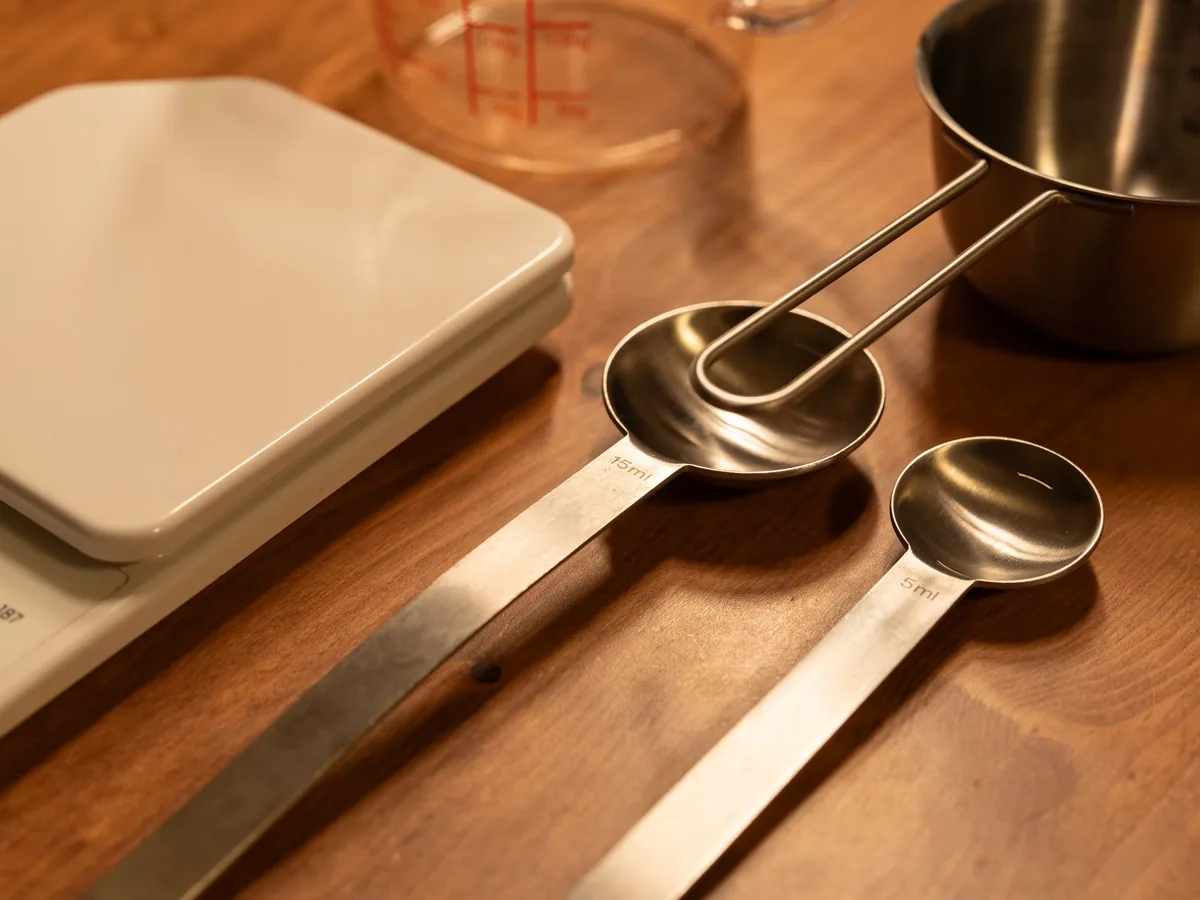
For puppies, feed 3–4 times daily using the “Age × Weight” table above. Adjust portions if your dog is unusually active (increase by 10–15 %) or tends to gain weight (decrease by 10 %).
Foods and ingredients to avoid
| Category | Avoid / Limit | Safe / Moderate |
|---|---|---|
| High‑fat treats | Cooked bacon, pork fat, fried foods | Lean jerky, low‑fat commercial treats |
| High‑copper foods | Liver, shellfish (e.g., shrimp) | Chicken, turkey, lean beef |
| High‑purine foods | Organ meats (kidney, liver) in excess | Small amounts of lean meat, fish |
| Grain‑free legume‑heavy diets | Formulations where peas, lentils, or chickpeas are the top 3 ingredients | Grain‑inclusive diets with named meat first |
| Human toxic foods | Chocolate, grapes, raisins, onions, garlic, xylitol | Cooked carrots, green beans, apples (no seeds) |
Even “healthy” foods can become problematic if over‑fed. Keep treats to <10 % of total calories and always monitor your dog’s body condition score.
Common feeding mistakes with Stabyhoun
- Feeding a “one‑size‑fits‑all” adult kibble without accounting for the breed’s joint‑health needs.
- Free‑feeding (leaving food out all day) which leads to overeating, especially in dogs that love to graze.
- Skipping meals during hot weather; Stabyhouns can lose weight quickly if intake drops.
- Using high‑fat table scraps as a “treat” after a hunt; excess fat can trigger pancreatitis.
- Neglecting to transition gradually when switching foods, causing gastrointestinal upset.
Weight management for Stabyhoun
| Ideal weight range | Common overweight range | BCS target |
|---|---|---|
| 45–65 lb (20–30 kg) | 70–80 lb (32–36 kg) | 4–5 on 9‑point scale |
Assess body condition by feeling the ribs: you should feel a thin layer of fat covering them. If the waist isn’t visible from above, the dog is likely overweight. A safe weight‑loss plan reduces calories by 10 % and adds a daily walk. Prescription weight‑management diets (e.g., “low‑calorie, high‑protein”) are an option under veterinary guidance.
Special situations
- Pregnancy & lactation: Energy needs increase by 30 %–50 % during late gestation and by 2 × maintenance during lactation. Add a high‑quality protein source (e.g., boiled chicken) and ensure calcium : phosphorus stays around 1.2 : 1.
- Working or sporting Stabyhoun: For dogs that hunt or compete, boost calories by 15 %–20 % and include a fast‑acting carbohydrate source (e.g., cooked sweet potato) before activity.
- Senior with chronic disease: Adjust protein and phosphorus based on the condition (e.g., lower phosphorus for kidney disease). Omega‑3s become even more important for arthritis.
- Picky eaters: Warm the kibble slightly, add a splash of low‑sodium broth, or mix in a spoonful of plain Greek yogurt to improve palatability without adding excess calories.
Cost of feeding Stabyhoun
| Food type | Monthly cost (US) | Monthly cost (UK) | Notes |
|---|---|---|---|
| Budget kibble (≈ 350 kcal/cup) | $45‑$60 | £35‑£45 | Meets AAFCO; watch ingredient quality. |
| Premium kibble (≈ 400 kcal/cup, named meat first) | $80‑$110 | £65‑£95 | Higher protein, added joint‑support nutrients. |
| Fresh/human‑grade meals | $150‑$250 | £120‑£200 | Convenient, often pre‑balanced; watch for price spikes. |
| Prescription therapeutic diet | $120‑$180 | £100‑£150 | Vet‑recommended for specific health issues. |
Cost varies with brand, ingredient sourcing, and regional pricing. Feeding a Stabyhoun a balanced kibble is the most cost‑effective way to meet nutritional needs, while premium or fresh options can be layered in for performance or health‑specific goals.
Transitioning to a new food
| Day | Proportion New Food | Proportion Old Food |
|---|---|---|
| 1‑2 | 25 % | 75 % |
| 3‑4 | 50 % | 50 % |
| 5‑6 | 75 % | 25 % |
| 7‑8 | 100 % | 0 % |
Watch for loose stools, vomiting, or a change in appetite. If gastrointestinal signs persist beyond 48 hours, slow the transition and consider a bland diet (boiled chicken and rice) for a few days before resuming the schedule.
From our vet team: “Stabyhouns thrive on a diet that balances lean protein with joint‑supporting omega‑3s. If you notice any change in gait or vision, bring the diet discussion into the vet visit—often a tweak in fatty‑acid balance or an antioxidant boost can make a noticeable difference.”
Key takeaways
- Stabyhouns need 25–30 % protein (adult) and moderate fat (10–14 %) to support their active, medium‑size build.
- Joint health is a priority—maintain calcium : phosphorus around 1.2 : 1 in puppies and include omega‑3s for inflammation control.
- Watch for breed‑linked conditions: hip/elbow dysplasia, PRA, ear infections, and allergies; diet can help mitigate these.
- Measure portions using the age‑weight calorie table and adjust for activity level or senior metabolism.
- Transition foods slowly and monitor for GI upset; always involve your vet when addressing a health condition.
Myth vs. fact
Myth: “A grain‑free diet is automatically better for a Stabyhoun because it’s more “natural.”
Fact: The FDA’s ongoing investigation links some legume‑heavy grain‑free foods to dilated cardiomyopathy (DCM). For Stabyhouns, a balanced diet with named meat first and moderate whole grains is a safer, evidence‑backed choice.
Myth: “High‑protein diets will damage a senior Stabyhoun’s kidneys.”
Fact: In healthy kidneys, protein quality, not quantity, is key. Only dogs with diagnosed renal disease need protein restriction, and that should be prescribed by a veterinarian.
Frequently asked questions
What is the best food type for a Stabyhoun?
For most owners, a high‑quality dry kibble that meets AAFCO adult maintenance standards, lists a named meat first, and includes added omega‑3s and glucosamine offers balanced nutrition and convenience.
How much should I feed my adult Stabyhoun?
Typically 2.0–2.7 cups of a 350 kcal/cup kibble per day, depending on weight (45–65 lb) and activity level; adjust up for working dogs or down for less active seniors.
Can a Stabyhoun eat raw food safely?
Raw diets can be safe if sourced from reputable suppliers, frozen to reduce pathogens, and supplemented to meet calcium, vitamin D, and omega‑3 needs; however, the AVMA cautions about bacterial risks, especially around vulnerable household members.
How do I know if my Stabyhoun is getting enough joint support?
Check the ingredient list for added glucosamine, chondroitin, or MSM, and ensure the diet provides at least 0.3 %–0.5 % EPA/DHA. A healthy BCS (4–5/9) and smooth gait after exercise are good signs.
When should I switch my Stabyhoun to senior food?
Most Stabyhouns transition to senior formulas around 7 years of age, or earlier if the vet notes a decline in activity, weight gain, or joint issues.
Is it okay to give my Stabyhoun peanut butter as a treat?
Yes, as long as it’s xylitol‑free and given in moderation (no more than 1 Tbsp per day) because of its high fat content.
Ask the PuppaDogs community
Feeding a Stabyhoun and want to compare notes with other owners? Our community forum is moderated by experienced owners, trainers, and vets — a good place to hear what actually works in real households like yours. Ask in the PuppaDogs community →
References
- AAFCO — 2024 Dog Food Nutrient Profiles for Adult Maintenance and Growth.
- WSAVA Global Nutrition Committee — Global Nutrition Guidelines for Dogs, 2023.
- NRC — Nutrient Requirements of Dogs and Cats (2006).
- ACVIM Consensus Statement — Diet‑Associated Dilated Cardiomyopathy, 2022.
- FDA — Investigation into Grain‑Free Dog Foods and DCM, ongoing 2024.
- Merck Veterinary Manual — Nutritional Requirements of Dogs, 2022 edition.
- American Veterinary Medical Association (AVMA) — Raw Food Feeding Risks, 2023.
- Stabyhoun Club of America — Breed Health Survey, 2022.
- Our Experts — Veterinary Nutrition Review, PuppaDogs editorial board, 2024.
- PuppaDogs Calculators — Energy Requirement Calculator, accessed 2024.


