

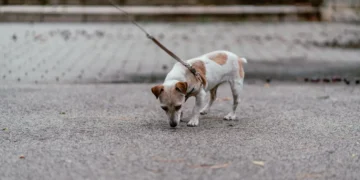




Quick take: Degeneration of the cerebellum is a progressive neurological disorder that impairs coordination and balance. Early signs include wobble‑type gait, head tremors, and difficulty climbing stairs. Diagnosis relies on a neurological exam, MRI, and sometimes genetic testing; treatment focuses on supportive care, physiotherapy, and tailored nutrition. The condition is usually not curable, but many dogs maintain a good quality of life with proper management.
It’s 11 p.m., and you’ve just watched your usually spry Border Collie stumble over the kitchen rug, then pause, stare at the bowl, and finally give up on the treat you just tossed. The wobble in her walk feels new, and the quiet whine in the back of your mind says “something’s off.” You scroll through articles, hoping for a quick fix, but the terminology—cerebellar degeneration, ataxia— feels overwhelming.
First, breathe. You’re not alone; many owners notice a subtle loss of coordination before the vet’s office even comes up on the calendar. In this guide we’ll explain what cerebellar degeneration is, why it happens, what to watch for, how vets confirm the diagnosis, and what you can do at home to keep your companion comfortable. We’ll also cover costs, diet tips, and prevention strategies so you can feel prepared for the road ahead.
What is degeneration of the cerebellum of the brain in dogs?
Degeneration of the cerebellum—often called cerebellar degeneration or cerebellar ataxia—is a loss of nerve cells (neurons) and supporting tissue in the cerebellum, the part of the brain that fine‑tunes movement and balance. When these cells deteriorate, signals that keep a dog’s gait smooth become erratic, leading to a “wobbly” walk, tremors, and difficulty with precise movements.
The condition can be inherited, acquired, or idiopathic (unknown cause). It is relatively uncommon, affecting an estimated 0.2–0.5 % of the canine population, but certain breeds carry a higher genetic risk. Because the cerebellum does not regenerate, the disease is considered progressive, meaning symptoms usually worsen over months to years.
What causes it?
Underlying causes fall into three broad categories: genetic, metabolic/toxic, and secondary to other neurological diseases.
| Category | Typical Causes |
|---|---|
| Genetic | Inherited mutations (e.g., CASK, SLC1A2) in breeds such as the Weimaraner, English Springer Spaniel, and Australian Shepherd. |
| Metabolic/Toxic | Chronic exposure to lead, thiamine deficiency, or severe hypoglycemia. |
| Secondary | Inflammatory disease (e.g., granulomatous meningoencephalitis), neoplasia, or severe head trauma. |
The AAHA notes that inherited cerebellar degeneration accounts for the majority of cases in pure‑bred puppies, while acquired forms are more common in older dogs with systemic illness.
Signs and symptoms
Dogs with cerebellar degeneration often present with a spectrum of signs that progress from mild to severe. Early clues can be subtle, so paying attention to changes in coordination is key.
| Severity | Typical Signs |
|---|---|
| Mild | Wobbly gait on uneven surfaces, head bobbing, occasional stumbling. |
| Moderate | Persistent ataxic gait, difficulty climbing stairs or jumping onto furniture, tremors of the head and neck, exaggerated “drunken” movement. |
| Severe | Frequent falls, inability to stand without support, dysphagia (difficulty swallowing), loss of balance when turning, possible seizures if secondary disease is present. |
In many cases owners first notice a “clumsy” dog that seems to misjudge distances or knocks over objects. As the disease advances, the dog may become reluctant to exercise, and owners may observe a change in appetite or weight loss due to difficulty chewing.

When to call your vet
Call your regular vet today if you notice any of the following:
- New, persistent wobble or unsteady gait.
- Head bobbing, tremors, or difficulty navigating stairs.
- Changes in appetite or difficulty chewing.
Go to an emergency veterinary hospital right now if your dog:
- Falls and cannot get up on its own.
- Shows signs of severe dysphagia, choking, or aspiration.
- Develops sudden seizures, loss of consciousness, or severe vomiting.
These guidelines are for information only and do not replace a hands‑on veterinary exam.
How vets diagnose it
Diagnosis begins with a thorough history and neurological exam. The vet will assess gait, reflexes, cranial nerve function, and coordination (the “heel‑to‑shin” test). Persistent ataxia without other neurological deficits points toward cerebellar involvement.
Advanced imaging—most commonly magnetic resonance imaging (MRI)—allows visualization of cerebellar tissue loss, cystic changes, or tumors. MRI is considered the gold standard; the AAHA recommends it when the clinical picture is ambiguous.
For breeds with known inherited mutations, genetic testing (via blood or cheek swab) can confirm a hereditary form. The test looks for specific DNA variants documented by the Orthopedic Foundation for Animals (OFA) and the Canine Health Information Center (CHIC).
Additional labs (CBC, chemistry panel, vitamin B1 levels) help rule out metabolic or toxic causes, while cerebrospinal fluid analysis may be performed if an inflammatory disease is suspected.
Treatment options
Medical treatment
There is no cure, but medications can reduce secondary complications. Common drug classes include:
- Anti‑inflammatory agents (e.g., carprofen, meloxicam) to manage discomfort.
- Anticonvulsants (e.g., phenobarbital, levetiracetam) if seizures develop.
- Supplements such as vitamin B1 (thiamine) for dogs with suspected thiamine deficiency, though this is rare in pure cerebellar degeneration.
Ask your vet about these options; dosing will be tailored to your dog’s weight and disease stage.
Supplements and supportive care
Evidence suggests that omega‑3 fatty acids (EPA/DHA) can help dampen neuro‑inflammation and support overall brain health. A daily supplement of a high‑quality fish‑oil product—approximately 20 mg EPA per kilogram of body weight—is a common recommendation (per the WSAVA Nutrition Guidelines).
Probiotic blends may improve gut health, which indirectly supports the immune system, especially if the dog is on long‑term antibiotics. However, supplements are adjuncts; they do not halt cerebellar cell loss.
Procedures or surgery
In rare cases where a structural lesion (e.g., a tumor compressing the cerebellum) is identified, surgical removal or radiation therapy may be pursued. Recovery from cerebellar surgery can take 4–6 weeks and typically costs between $5,000 and $12,000 in the United States, according to veterinary specialty centers.

Diet and nutrition
While no diet can reverse cerebellar degeneration, nutrition can influence overall neurological health and help maintain body condition when mobility declines.
Key principles:
- High‑quality, highly digestible protein reduces the metabolic load on the liver and provides essential amino acids for muscle maintenance.
- Omega‑3 fatty acids (EPA/DHA) support neuronal membranes and may lessen inflammation.
- Antioxidant‑rich foods (blueberries, pumpkin) provide vitamin E and C, which protect cells from oxidative stress.
- Maintain a stable caloric intake to avoid rapid weight gain, which can exacerbate balance problems.
Prescription therapeutic diets formulated for neuro‑support (e.g., “neurological support” formulas) often contain enhanced omega‑3 and antioxidants. Choose a brand that meets AAFCO nutrient profiles; you do not need a specific brand to be effective.
| Food category | Do feed | Limit | Avoid |
|---|---|---|---|
| Protein sources | Cooked lean chicken, turkey, or fish | Raw meat with high fat | Processed meats with additives |
| Fats | Fish oil supplement, flaxseed oil | Excessive butter or oil | Trans‑fat rich treats |
| Carbohydrates | Cooked sweet potato, pumpkin | High‑glycemic kibble | Simple sugars (e.g., honey, fruit juice) |
| Supplements | Omega‑3 capsules (EPA/DHA), antioxidant blend | Excessive vitamin A | Unregulated herbal extracts |
When transitioning to a new diet, do it gradually over 7–10 days: mix 25 % new food with 75 % old, then increase the new portion each few days. This helps avoid gastrointestinal upset, which can be especially problematic for dogs already struggling with coordination.
For a complete nutrient analysis or to calculate a personalized calorie goal, try our dog nutrition calculator. Adjust feeding frequency to smaller, more frequent meals if your dog has trouble swallowing large portions.
Cost and prognosis
Costs vary widely based on geography, the extent of diagnostics, and treatment choices.
| Item | US estimate | UK estimate |
|---|---|---|
| Initial veterinary exam | $80–$150 | £60–£120 |
| MRI of the brain | $1,000–$2,500 | £800–£1,600 |
| Genetic test (breed‑specific) | $150–$300 | £120–£250 |
| Medication (monthly) | $30–$150 | £25–£110 |
| Physical therapy/rehab (per session) | $50–$120 | £40–£100 |
| Long‑term care (annual) | $500–$1,200 | £400–£950 |
Prognosis depends on the underlying cause. Inherited cerebellar degeneration typically progresses over 1–3 years, with most dogs maintaining a decent quality of life when supported with physiotherapy and a balanced diet. Acquired forms tied to metabolic or inflammatory disease may stabilize if the primary issue is treated.
The American College of Veterinary Internal Medicine (ACVIM) notes that early intervention—particularly physiotherapy—can slow functional decline and improve mobility scores by up to 30 % in some studies.
Prevention and home care
Because many cases are genetic, the most effective prevention is responsible breeding. Breeders should:
- Screen breeding dogs with available genetic tests for known cerebellar degeneration mutations.
- Avoid breeding dogs that have produced affected offspring.
- Maintain detailed health records and share them with breed clubs.
For owners of at‑risk breeds, regular veterinary wellness exams (at least annually) allow early detection of subtle gait changes. Home care tips include:
- Provide non‑slippery flooring or rugs to reduce falls.
- Use ramps or steps to help the dog access favorite spots without jumping.
- Engage in short, daily physiotherapy exercises—such as sit‑to‑stand repetitions, balance board work, and gentle leash walks on even surfaces.
- Monitor weight closely; a healthy body condition reduces strain on the musculoskeletal system.
Our Dog Questions Answered page offers printable handouts for at‑home exercises and a checklist for safe home environments.
From our vet team: “Seeing a dog wobble can be heartbreaking, but remember that supportive care—especially structured physiotherapy and a diet rich in omega‑3s—can make a huge difference in daily comfort. Keep a symptom diary, stay in close contact with your vet, and never hesitate to ask for a referral to a veterinary neurologist if the progression feels rapid.”
Key takeaways
- Cerebellar degeneration causes progressive loss of coordination; early signs are subtle wobble and head bobbing.
- Diagnosis relies on a neurological exam, MRI, and sometimes breed‑specific genetic testing.
- There is no cure, but anti‑inflammatory meds, omega‑3 supplements, and regular physiotherapy can maintain quality of life.
- Responsible breeding and genetic screening are the best ways to prevent inherited forms.
- Expect diagnostic costs of $1,000‑$2,500 for MRI and ongoing care of $500‑$1,200 per year.
- Feed a highly digestible protein diet with added fish oil and antioxidants, and avoid slippery flooring to reduce falls.
Myth vs. fact
Myth: Cerebellar degeneration can be cured with a special diet.
Fact: No diet can reverse neuronal loss, but a balanced diet with omega‑3s supports overall brain health and can ease symptoms.
Myth: All dogs with ataxia have cerebellar degeneration.
Fact: Ataxia can stem from many sources, including spinal cord injury, inner‑ear disease, or toxic exposure; a full workup is needed for an accurate diagnosis.
Myth: If a dog looks fine most of the day, the disease isn’t serious.
Fact: Cerebellar degeneration is progressive; early intervention slows decline, even if the dog appears fine on good days.
Frequently asked questions
What causes cerebellar degeneration in dogs?
Most commonly it’s an inherited genetic mutation in certain breeds; other causes include metabolic deficiencies, toxins, or secondary disease such as inflammation or tumors.
What are the early signs of cerebellar degeneration?
Early signs include a wobbly gait on uneven surfaces, head bobbing, occasional stumbling, and difficulty navigating stairs or jumping onto furniture.
Can cerebellar degeneration be reversed in dogs?
Unfortunately, the loss of cerebellar neurons is irreversible, but supportive care—medications, physiotherapy, and nutrition—can improve comfort and slow functional decline.
How is cerebellar degeneration diagnosed?
Diagnosis starts with a detailed neurological exam, followed by MRI to visualize cerebellar tissue loss, and may include breed‑specific genetic testing to confirm an inherited form.
What is the prognosis for dogs with cerebellar degeneration?
Prognosis varies: inherited forms typically progress over 1–3 years, while acquired forms may stabilize if the underlying cause is treated. Most dogs maintain a reasonable quality of life with proper management.
Are certain breeds more at risk for cerebellar degeneration?
Yes. Breeds with documented genetic mutations include Weimaraner, English Springer Spaniel, Australian Shepherd, and several herding breeds. Genetic testing is recommended for these lines.
Ask the PuppaDogs community
Have a question this article didn’t fully answer? Want to compare notes with other dog owners who’ve been through this? Our community forum is moderated by experienced owners and vets — and answers tend to come fast. Ask in the PuppaDogs community →
References
- American Animal Hospital Association (AAHA) 2023 Guidelines for Neurologic Examination in Dogs.
- American College of Veterinary Internal Medicine (ACVIM) Consensus Statement on Canine Cerebellar Degeneration, 2022.
- World Small Animal Veterinary Association (WSAVA) Nutrition Guidelines for Dogs, 2021.
- Merck Veterinary Manual, “Cerebellar Degeneration” chapter, 2020.
- Orthopedic Foundation for Animals (OFA) Genetic Testing Database – Cerebellar Degeneration Mutations.
- Canine Health Information Center (CHIC) Breed-Specific Genetic Screening Recommendations, 2023.
- American Veterinary Medical Association (AVMA) Veterinary Neurology Resources, 2022.
- University of California, Davis Veterinary Medicine, “Canine Ataxia” clinical overview, 2021.


