

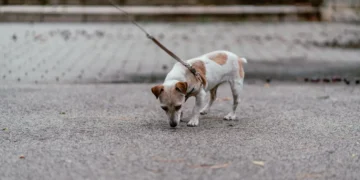





Quick take: Immune‑mediated pneumonia is a non‑infectious lung inflammation caused by an overactive immune system. It often shows up as coughing, rapid breathing, and lethargy, and it can be life‑threatening if not treated promptly. Diagnosis hinges on ruling out infection, and treatment usually involves steroids plus supportive care. Early veterinary attention gives the best chance of recovery.
It’s 11 p.m., the house is quiet, and your 7‑year‑old mixed‑breed Labrador, Bella, isn’t greeting you at the door. Instead, she lies on her side, eyes half‑closed, and you notice her gums look a little paler than usual. A faint, hacking cough drifts from the living room. Your mind races through the list of possibilities you’ve seen on late‑night searches—“bacterial pneumonia?” “heart disease?” “maybe just a cold?” You grab your phone, but before you start scrolling, you take a deep breath. You’re not alone; many owners face this exact moment, and the key is recognizing the signs and getting help fast.
Immune‑mediated pneumonia (sometimes called immune‑driven or overactive‑immune response pneumonia) is a form of lung inflammation that occurs when the dog’s own immune system attacks the lung tissue. Unlike bacterial, viral, or fungal pneumonia, there’s no infectious agent to treat. Instead, the inflammation is driven by an autoimmune cascade that can be triggered by underlying autoimmune disease, certain drugs, or even post‑surgical stress.
In this article we’ll explain what immune‑mediated pneumonia is, why it happens, how to spot it, when to call your vet, how vets confirm the diagnosis, treatment options, diet tips for recovery, expected costs, and ways to reduce the risk in the future. We’ll also share breed predispositions, prognosis factors, and practical home‑care advice so you can feel confident navigating this scary situation.
What is immune‑mediated pneumonia?
Immune‑mediated pneumonia is a type of non‑infectious pneumonia where the dog’s immune system mistakenly targets the lungs, causing inflammation, fluid buildup, and impaired gas exchange. The condition is also called immune‑driven pneumonia or overactive‑immune response pneumonia. While bacterial pneumonia involves bacteria multiplying in the lungs, immune‑mediated pneumonia has no pathogen; the damage comes from immune cells and cytokines that inflame the airway walls.
According to the American College of Veterinary Internal Medicine (ACVIM), immune‑mediated lung disease accounts for roughly 5–10 % of all canine pneumonia cases seen in referral hospitals, making it relatively uncommon but not rare. It can affect dogs of any age, but middle‑aged to senior dogs with an existing autoimmune disease (like immune‑mediated hemolytic anemia) are seen more often.
What causes immune‑mediated pneumonia?
The exact trigger is often unknown, but several risk factors have been identified:
- Underlying autoimmune disorders: Dogs with immune‑mediated hemolytic anemia (IMHA), immune‑mediated thrombocytopenia (ITP), or systemic lupus erythematosus are at higher risk.
- Drug‑induced reactions: Certain antibiotics (e.g., sulfonamides), non‑steroidal anti‑inflammatory drugs (NSAIDs), and vaccines can occasionally provoke an exaggerated immune response.
- Post‑surgical stress: After major surgeries—especially thoracic or abdominal procedures—the immune system can become dysregulated, leading to lung inflammation.
- Genetic predisposition: Some breeds, notably the German Shepherd, Vizsla, and Nova Scotia Duck Tolling Retriever, appear more prone, likely due to breed‑specific immune system quirks.
- Environmental triggers: Chronic exposure to smoke, dust, or mold can prime the lungs and tip the immune balance toward inflammation.
Signs and symptoms
Immune‑mediated pneumonia often mimics infectious pneumonia, but there are clues that help owners differentiate early from severe disease. Below is a quick guide:
| Severity | Typical signs | Owner observations |
|---|---|---|
| Mild | Occasional dry cough, slight increase in breathing rate | Dog seems a bit less enthusiastic on walks; cough is only heard at night |
| Moderate | Persistent cough, rapid shallow breathing, mild lethargy, pale gums | Dog rests more, may have a “wet” cough, appears less playful |
| Severe | Labored breathing, cyanotic (bluish) gums or tongue, collapse, fever | Dog struggles to stand, may vomit, shows obvious distress |
Other red‑flag signs include a sudden loss of appetite, vomiting, or a notable increase in heart rate. If you notice any of these, especially in combination, it’s time to act.

When to call your vet
Call your vet today (non‑emergency) if you notice any of the following:
- Persistent cough lasting more than 24 hours
- Rapid breathing (more than 30 breaths per minute at rest)
- Lethargy or reduced appetite for a full day
- Pale or bluish gums
Go to an emergency veterinary hospital right now if any of these appear:
- Labored or noisy breathing (wheezing, gurgling)
- Blue or gray discoloration of gums, tongue, or skin
- Collapse, inability to stand, or seizures
- Sudden severe vomiting or diarrhea with signs of shock
These guidelines are for information only and do not replace a hands‑on veterinary exam. If you’re ever unsure, err on the side of caution and seek professional help.
How vets diagnose immune‑mediated pneumonia
Diagnosing immune‑mediated pneumonia is a process of elimination. Vets typically follow these steps:
- History and physical exam: The vet asks about recent surgeries, medications, vaccination dates, and any known autoimmune disease. A thorough lung auscultation (listening with a stethoscope) can reveal crackles or wheezes.
- Blood work: A complete blood count (CBC) and serum chemistry panel help rule out infection (elevated white blood cells) and assess organ function. Positive auto‑antibodies or a history of IMHA may support an immune cause.
- Thoracic radiographs (X‑rays): X‑rays show the pattern of lung infiltrates. In immune‑mediated cases, infiltrates are often diffuse and bilateral, whereas bacterial pneumonia may appear more localized.
- Bronchoalveolar lavage (BAL): A thin tube is passed into the airway to collect fluid. Cytology (cell analysis) can identify inflammatory cells without bacteria. If cultures are negative and inflammation is high, immune‑mediated pneumonia is suspected.
- Advanced imaging (CT scan): In complex cases, a CT provides a detailed view of lung tissue and helps differentiate from other interstitial lung diseases.
By combining these tests and excluding infectious agents, the veterinarian can confidently label the condition as immune‑mediated.
Treatment options
Medical treatment
The cornerstone of therapy is immunosuppression. The most common drugs include:
- Glucocorticoids (e.g., prednisone, prednisolone): These steroids rapidly dampen inflammation. Your vet will tailor the dose to your dog’s weight and severity.
- Secondary immunosuppressants: Drugs such as azathioprine, cyclosporine, or mycophenolate mofetil are added when steroids alone aren’t enough or to allow steroid tapering.
- Antibiotics: Even though the pneumonia isn’t infectious, many vets give a broad‑spectrum antibiotic (e.g., amoxicillin‑clavulanate) as a precaution until cultures rule out bacterial involvement.
Ask your vet about these options and how they fit your dog’s specific case. The treatment plan often starts with high‑dose steroids, then gradually reduces over weeks to months while monitoring lung function.
Supplements and supportive care
Adjunct therapies can help reduce inflammation and support recovery:
- Omega‑3 fatty acids (EPA/DHA): Found in fish‑oil supplements, they have anti‑inflammatory properties and are safe for most dogs.
- Vitamin C: Antioxidant support may aid immune regulation; discuss dosing with your vet.
- Probiotics: Maintaining gut health can indirectly support the immune system, especially when steroids are used.
These supplements are not a replacement for prescription medication, but they can complement the primary therapy.
Procedures or surgery
In rare cases where the lung inflammation leads to fluid accumulation (pleural effusion) or severe airway obstruction, a veterinarian may need to perform thoracocentesis (fluid removal) or bronchoscopy to clear debris. These procedures are typically done under sedation and have a recovery period of 1–2 weeks. Costs can range from $300 USD for thoracocentesis to $2,500 USD for a full bronchoscopy with BAL, depending on location and facility.

Diet and nutrition
Nutrition plays a crucial role in supporting a recovering lung and managing the side effects of steroids. While there is no “prescription diet” labeled specifically for immune‑mediated pneumonia, the following guidelines help optimize healing:
| Category | What to feed | What to limit / avoid |
|---|---|---|
| High‑quality protein | Cooked chicken, turkey, or lean beef; commercial diets meeting AAFCO adult maintenance | Low‑protein “renal” formulas unless kidney disease is present |
| Highly digestible carbs | Sweet potato, pumpkin, white rice (if tolerated) | Heavy grains, fillers, or excessive fat |
| Anti‑inflammatory fats | Fish oil supplement (EPA/DHA 300–600 mg per day for a 20 lb dog) | Fried foods, butter, or excessive animal fats |
| Hydration | Fresh water at all times; low‑sodium broth for added calories | Salty snacks, excessive cheese |
Key points for feeding during recovery:
- Small, frequent meals: 3–4 meals per day reduce the workload on the digestive system and keep energy levels steady.
- Warmed food: Slightly warming meals can enhance aroma, encouraging a dog with a reduced appetite to eat.
- Transition slowly: If you switch to a new brand, mix 25 % new with 75 % old for the first 2 days, then increase the new portion gradually.
- Watch for steroid side effects: Steroids can increase thirst and appetite, so monitor weight and adjust portions accordingly.
For dogs with concurrent autoimmune disease, a diet low in inflammatory triggers (e.g., grain‑free, limited‑ingredient) may be beneficial, but always discuss with your vet before making major changes.
Cost and prognosis
Financial considerations are a real part of any veterinary plan. Below are typical cost ranges in the United States and United Kingdom (prices are estimates and can vary by clinic, region, and severity):
| Service | US estimate | UK estimate |
|---|---|---|
| Initial exam & basic bloodwork | $150–$250 | £80–£130 |
| Thoracic radiographs (2‑view) | $200–$350 | £120–£200 |
| Bronchoalveolar lavage (BAL) with cytology | $500–$900 | £300–£550 |
| Steroid therapy (first month) | $30–$80 | £20–£50 |
| Secondary immunosuppressant (e.g., cyclosporine) – 3 months | $150–$350 | £100–£250 |
| Hospitalization (if needed, 2 days) | $600–$1,200 | £400–£800 |
Overall, the total cost for a straightforward case averages $1,500–$3,000 (≈£1,000–£2,200). Cases requiring intensive care or prolonged immunosuppression can exceed $5,000.
Prognosis depends on several factors:
- Age: Younger dogs (< 6 years) generally recover faster.
- Breed: Breeds with known predisposition (German Shepherd, Vizsla) may have a slightly guarded outlook.
- Underlying disease: Dogs with concurrent autoimmune disorders often need longer treatment but can still achieve good quality of life.
- Timeliness of treatment: Early intervention dramatically improves survival—studies from the Merck Veterinary Manual suggest a 70–85 % survival rate when steroids start within 48 hours of symptom onset.
Prevention and home care
While you can’t completely eliminate the risk of an overactive immune response, you can reduce triggers:
- Vaccination timing: Discuss with your vet the best schedule for dogs with known autoimmune disease; some protocols recommend spacing vaccines further apart.
- Avoid unnecessary antibiotics: Use antibiotics only when a bacterial infection is confirmed.
- Minimize smoke exposure: Second‑hand smoke from cigarettes or wood‑burning stoves can irritate lungs.
- Regular wellness exams: Early detection of autoimmune markers (e.g., CBC changes) enables pre‑emptive management.
- Post‑surgical monitoring: After major surgery, keep an eye on breathing patterns and report any cough to your vet within 24–48 hours.
During recovery, keep your dog’s environment calm and well‑ventilated. Use a humidifier if the air is dry, and limit strenuous activity for at least 2 weeks. Gentle short walks are fine once your vet clears you, but avoid high‑energy play until coughing subsides.
From our vet team: “Immune‑mediated pneumonia can feel overwhelming, but remember that steroids work quickly to turn down the inflammatory fire. Most dogs respond within a few days, and with proper supportive care, they bounce back to their normal selves. Keep the lines of communication open with your veterinarian—any change in breathing, appetite, or energy should be reported right away.”
Key takeaways
- Immune‑mediated pneumonia is a non‑infectious lung inflammation caused by an overactive immune system.
- Watch for cough, rapid breathing, pale gums, and lethargy; seek veterinary care promptly.
- Diagnosis relies on ruling out infection with X‑rays, blood work, and bronchoalveolar lavage.
- Treatment centers on steroids and, when needed, secondary immunosuppressants; antibiotics may be added as a precaution.
- Supportive nutrition—high‑quality protein, omega‑3 fats, and frequent small meals—helps recovery.
- Early treatment leads to a good prognosis; costs vary but typically range from $1,500–$3,000 for uncomplicated cases.
Myth vs. fact
Myth: Immune‑mediated pneumonia is always caused by a bacterial infection.
Fact: It is a non‑infectious condition where the immune system attacks lung tissue; antibiotics are only used as a precaution.
Myth: Steroids are dangerous and should be avoided.
Fact: When prescribed correctly, steroids are the most effective way to control inflammation and are standard care for this condition.
Myth: Only senior dogs get immune‑mediated pneumonia.
Fact: While older dogs are more common, the disease can appear in any age, especially if an autoimmune disorder is present.
Frequently asked questions
What are the signs of immune‑mediated pneumonia in dogs?
Typical signs include a persistent dry or wet cough, rapid shallow breathing, pale or bluish gums, lethargy, and a reduced appetite. Early signs may be subtle, so any new respiratory symptom warrants a vet call.
Can a dog survive immune‑mediated pneumonia without medication?
Survival without treatment is rare because the inflammation can quickly impair oxygen exchange. Steroids and supportive care are essential for most dogs to recover.
How is immune‑mediated pneumonia diagnosed in dogs?
Veterinarians use a combination of physical exam, blood work, thoracic X‑rays, and bronchoalveolar lavage (BAL). The key is ruling out bacterial, viral, or fungal infections before confirming an immune‑mediated cause.
What medications are used to treat overactive immune response pneumonia in dogs?
First‑line therapy is a glucocorticoid such as prednisone or prednisolone. Secondary immunosuppressants like azathioprine or cyclosporine may be added, and a broad‑spectrum antibiotic is often prescribed until infection is ruled out.
Is immune‑mediated pneumonia more common in certain dog breeds?
Yes. German Shepherds, Vizslas, and Nova Scotia Duck Tolling Retrievers are reported more frequently, likely due to breed‑specific immune system traits. However, any breed can develop the condition.
What is the typical recovery time for a dog with immune‑mediated pneumonia?
Most dogs show improvement within 5–7 days of starting steroids, but full recovery can take 4–6 weeks. Ongoing monitoring and gradual tapering of medications are essential to prevent relapse.
Ask the PuppaDogs community
Have a question this article didn’t fully answer? Want to compare notes with other dog owners who’ve been through this? Our community forum is moderated by experienced owners and vets — and answers tend to come fast. Ask in the PuppaDogs community →
References
- American College of Veterinary Internal Medicine (ACVIM). “Immune‑Mediated Lung Disease in Dogs.” 2023 clinical guidelines.
- Merck Veterinary Manual. “Pneumonia, Immune‑Mediated.” Updated 2024.
- American Animal Hospital Association (AAHA). “Guidelines for the Diagnosis and Management of Canine Pneumonia.” 2022.
- World Small Animal Veterinary Association (WSAVA). “Nutrition Recommendations for Dogs with Inflammatory Conditions.” 2021.
- University of California, Davis Veterinary Medicine. “Bronchoalveolar Lavage in Dogs: Technique and Interpretation.” 2022.
- American Kennel Club (AKC). “Breed Predispositions for Autoimmune Diseases.” 2023.
- Veterinary Clinics of North America: Small Animal Practice. “Steroid Therapy in Canine Autoimmune Disorders.” 2020.
- American Veterinary Medical Association (AVMA). “When to Seek Emergency Veterinary Care.” 2024.
