













Quick take: Nasal tumors are the most common cancer of the nose in dogs, often showing up as a persistent nosebleed or facial swelling. Early detection, imaging, and a biopsy are essential for a proper diagnosis, and treatment usually involves radiation, surgery, or a combination. Survival varies widely, but many dogs enjoy a good quality of life with proper care and nutrition.
It’s 10 p.m., and you notice your 8‑year‑old German Shepherd, Max, sniffling more than usual, his nose crusted with dried blood. He’s not his usual self‑confident self; he pauses before his usual dash to the front door. You Google “nose bleed dog” and a flood of scary headlines appears. Your heart races, but you’re not alone—this moment is all too familiar for many dog owners.
We understand that a possible cancer diagnosis feels overwhelming. The good news is that nasal tumors, while serious, are treatable, and early intervention can make a big difference in your dog’s comfort and outlook. In this guide we’ll explain what nasal tumors are, why they happen, how to spot them, what your vet will do to confirm the diagnosis, and the range of treatment options—including costs, nutrition, and home‑care tips.
Read on to learn the signs to watch for, the steps to take tonight, and how to support Max (or any dog) through diagnosis and treatment.
What is nasal tumors in dogs?
Nasal tumors are abnormal growths that develop within the nasal cavity or the surrounding bones. The most common type is an adenocarcinoma, a glandular cancer that arises from the lining of the nose. Other types include squamous cell carcinoma, osteosarcoma, and malignant melanoma. While any breed can develop a nasal tumor, they are considered a type of “nasal cancer,” which accounts for roughly 1–2 % of all canine cancers according to the American Veterinary Medical Association (AVMA).
These tumors grow locally, often invading the nasal passages, sinuses, and sometimes the eyes or brain. Because the nose is a highly vascular area, bleeding and facial swelling are frequent early signs. The disease is typically diagnosed in middle‑aged to senior dogs, with a median age of about 9 years.
What causes it?
The exact cause of nasal tumors is still under investigation, but several risk factors increase the likelihood:
- Breed predisposition: Certain breeds—especially the English Bulldog, German Shepherd, Labrador Retriever, and Boxer—show higher incidence rates (American Kennel Club data).
- Age: Dogs over 7 years old are at greater risk, likely due to cumulative cellular damage.
- Environmental exposure: Long‑term exposure to tobacco smoke, industrial chemicals, or heavy dust (e.g., in farms) may contribute, similar to human nasal cancers.
- Genetic factors: Ongoing research by the UC Davis Veterinary Cancer Center suggests hereditary components in some breeds.
Signs and symptoms
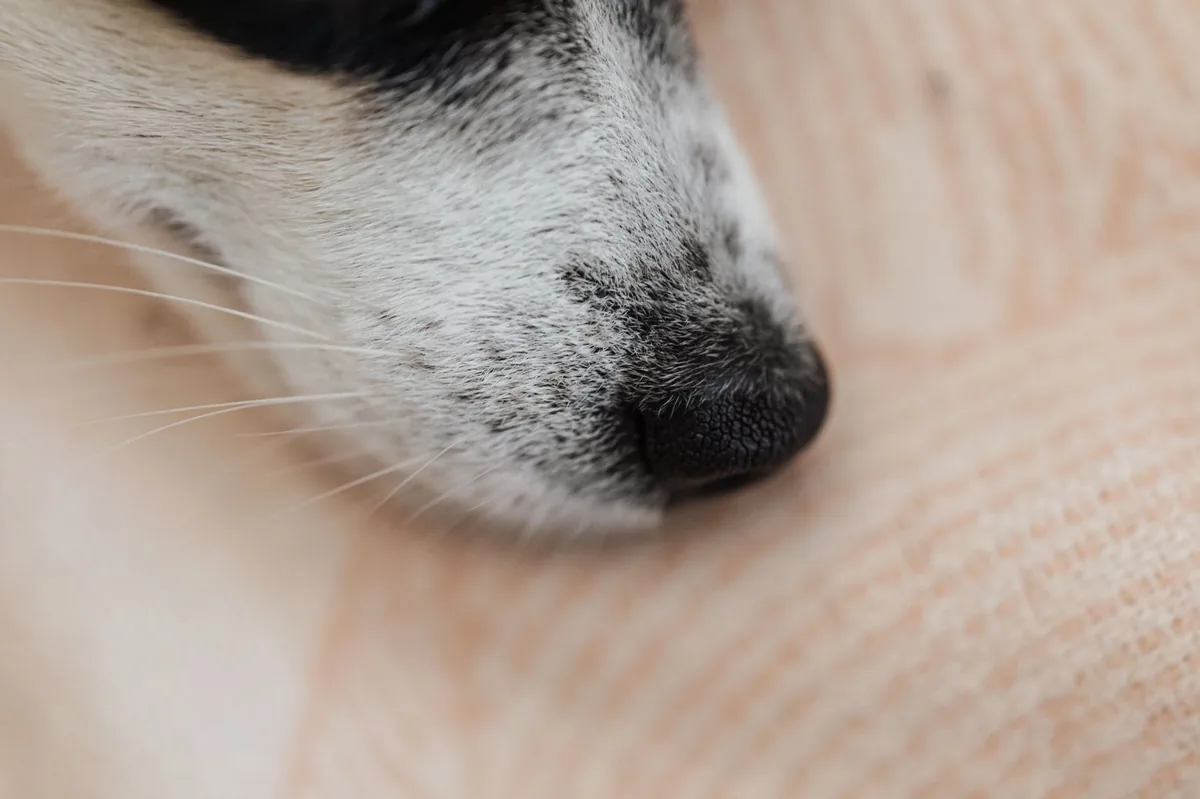
Early signs are often subtle and can be mistaken for a sinus infection or allergies. Below is a quick guide to help you differentiate the progression:
| Stage | Typical signs |
|---|---|
| Mild | Occasional sneezing, slight nasal discharge (clear or mildly bloody), mild facial “swelling” on one side. |
| Moderate | Frequent nosebleeds, unilateral nasal discharge that turns dark red, visible facial asymmetry, reduced appetite. |
| Severe | Persistent bleeding, facial deformity, difficulty breathing through the nose, eye discharge or “wet” eye, lethargy, weight loss. |
Because these signs overlap with chronic rhinitis, sinus infections, or dental disease, definitive diagnosis requires veterinary imaging and tissue sampling.
When to call your vet
Call your vet today if you notice any of the following:
- Repeated sneezing or nasal discharge lasting more than a week.
- Occasional nosebleeds or crusty nasal secretions.
- Facial asymmetry or mild swelling.
Go to an emergency veterinary hospital right now if you see:
- Continuous bleeding that won’t stop after a few minutes.
- Severe facial collapse, inability to breathe, or sudden neurological signs (e.g., circling, head tilt).
These red‑flag signs warrant immediate attention to control bleeding and stabilize your dog.
This article is for informational purposes only and does not replace a hands‑on examination by a licensed veterinarian.
How vets diagnose it
Diagnosis follows a stepwise approach:
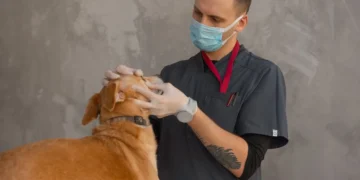
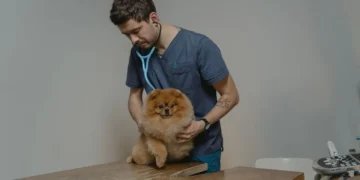
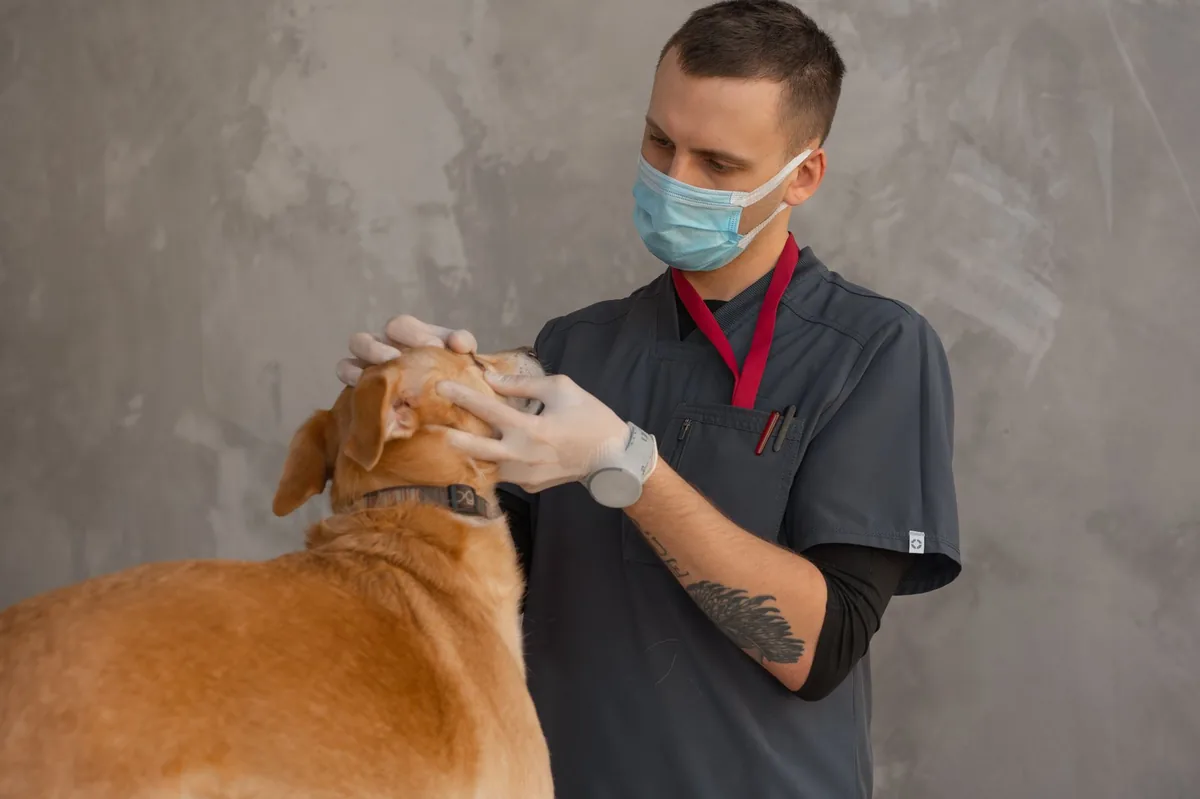
- History and physical exam: The vet checks for nasal discharge, facial swelling, eye involvement, and checks the gums for anemia.
- Imaging: A skull radiograph (X‑ray) can reveal a mass, but a computed tomography (CT) scan provides detailed 3‑D views of bone invasion and helps with treatment planning (AAHA imaging guidelines).
- Biopsy: The definitive test. Either a fine‑needle aspirate (FNA) or a small tissue sample taken via endoscopy is examined by a pathologist to confirm cancer type.
- Staging: Once confirmed, the vet may perform a chest X‑ray or abdominal ultrasound to see if the cancer has spread (metastasized) to lungs or other organs.
These tests together give a clear picture of the tumor’s size, location, and whether it’s localized or advanced, guiding treatment choices.
Treatment options
Medical treatment
Medical management often includes:
- Radiation therapy: Fractionated external beam radiation, the gold standard for many nasal tumors, can shrink the mass and relieve symptoms. It is usually delivered in 10‑20 sessions.
- Chemotherapy: Drugs such as carboplatin or doxorubicin may be used when the tumor is aggressive or has spread. These are adjuncts to radiation.
- Immunotherapy: Emerging treatments like canine melanoma vaccine or oncolytic virus therapy are being studied; ask your vet about clinical trial eligibility.
Ask your vet about these options; they’ll tailor the protocol to your dog’s size, tumor type, and overall health.
Supplements and supportive care
While supplements cannot cure a nasal tumor, they can help maintain strength and support recovery:
- Omega‑3 fatty acids (EPA/DHA): Anti‑inflammatory benefits may improve appetite and skin health.
- Probiotics: Helpful if your dog experiences gastrointestinal upset from chemotherapy.
- Vitamin C and E: Antioxidants are sometimes recommended, but discuss with your vet before adding them.
These should be given as part of a comprehensive plan and never replace prescribed medications.
Procedures or surgery
Surgical removal (rhinotomy) is an option for small, well‑localized tumors, especially in the frontal sinus. The procedure involves opening the nasal cavity, excising the mass, and reconstructing the area. Recovery typically takes 2–3 weeks, and the cost can range from $2,500 to $5,000 (US) or £1,800–£3,500 (UK). Radiation alone often yields better long‑term control than surgery for most nasal cancers.
Diet and nutrition
Nutrition plays a supportive role during treatment and recovery. While no single diet can cure a nasal tumor, feeding a balanced, highly digestible diet helps maintain body condition and immune function.
What to feed:
- High‑quality protein: Choose foods with real meat as the first ingredient; lean chicken, turkey, or fish provide essential amino acids without excess fat.
- Moderate fat: Fat supplies calories, but keep it at 12–15 % of the diet to avoid unnecessary weight gain.
- Added omega‑3s: Commercial therapeutic diets (e.g., “Veterinary Prescription Diet – Oncology”) often include EPA/DHA, which can help reduce inflammation.
- Easy‑to‑digest carbs: Rice, sweet potato, or pumpkin are gentle on the stomach and provide energy.
What to limit or avoid:
- Highly processed kibble with artificial preservatives; these can be harder to digest during chemotherapy.
- Excessive sodium, as some dogs develop secondary kidney stress.
- Raw bones that could cause gastrointestinal irritation or infection during a weakened immune state.
If your dog is experiencing nosebleeds or facial swelling, soft foods (e.g., canned or soaked kibble) are easier to eat. Small, frequent meals can help maintain calorie intake when appetite is low.
Prescription “oncology” diets are formulated to meet the higher protein and calorie needs of cancer patients while providing antioxidants. Your vet may recommend a brand such as Hill’s Prescription Diet k/d or Royal Canin Veterinary Diet Cancer, but any choice should meet AAFCO nutrient standards.
Transitioning to a new diet should be gradual—mix 25 % new food with 75 % old food for a few days, then increase the new ratio. This helps avoid gastrointestinal upset.
Hydration is equally important. Encourage water intake with fresh bowls, low‑salt broth, or a water fountain. Dehydration can worsen side effects from radiation or chemotherapy.
Overall, aim for a diet that keeps your dog at a healthy body condition score (BCS 4‑6/9) throughout treatment. Regular weight checks with your vet will guide any adjustments.

Cost and prognosis
Financial considerations are a real part of cancer care. Below is an approximate cost breakdown (US / UK) for a typical multimodal approach:
| Service | US estimate | UK estimate |
|---|---|---|
| Initial exam & blood work | $150–$300 | £80–£150 |
| Skull X‑ray | $100–$200 | £60–£120 |
| CT scan | $800–$1,200 | £600–£1,000 |
| Biopsy (endoscopic) | $400–$600 | £300–£500 |
| Radiation therapy (full course) | $3,000–$7,000 | £2,500–£5,500 |
| Surgery (if indicated) | $2,500–$5,000 | £1,800–£3,500 |
| Chemotherapy (several cycles) | $1,500–$3,000 | £1,000–£2,500 |
Prognosis varies with tumor type, size, and whether it has spread. For localized adenocarcinoma treated with radiation, median survival is 12–18 months, with many dogs enjoying a good quality of life. Advanced disease or metastasis shortens survival to 4–6 months on average. Your vet will discuss realistic expectations based on staging results.
Insurance can offset a portion of these costs; check policies for oncology coverage. For families on a tighter budget, palliative care—pain management, anti‑inflammatory meds, and nutrition—remains a compassionate option.
Prevention and home care
While you can’t eliminate all risk, certain habits may reduce the chance of nasal tumors:
- Keep your dog away from second‑hand smoke and dusty environments.
- Regular dental care and routine veterinary exams help catch early nasal changes.
- Consider a low‑risk lifestyle for breeds with higher predisposition—balanced diet, weight control, and moderate exercise.
After treatment, home care focuses on comfort:
- Maintain a calm, low‑stress environment; avoid strong scents that can irritate the nasal passages.
- Monitor for recurrence: new nosebleeds, swelling, or changes in breathing should prompt a vet call.
- Schedule follow‑up imaging (usually CT) every 3–6 months as recommended by your oncologist.
- Continue the therapeutic diet and any prescribed supplements.
- Gentle leash walks and mental enrichment keep your dog happy without overexertion.
From our vet team: “If your dog is diagnosed with a nasal tumor, remember that the disease is often treatable, and many dogs live comfortably for months to years after therapy. Stay proactive with nutrition, follow‑up exams, and never hesitate to ask about pain‑relief options. Your vet is your partner in keeping Max breathing easy and tail‑wagging.”
Key takeaways
- Persistent nosebleeds, facial swelling, or chronic sneezing merit a prompt veterinary exam.
- Diagnosis relies on imaging (CT) and a tissue biopsy to confirm cancer type.
- Radiation therapy is the most effective first‑line treatment; surgery is reserved for select cases.
- Nutrition—high‑quality protein, omega‑3s, and easy‑to‑digest foods—supports recovery and quality of life.
- Costs can be high, but many insurers cover part of oncology care; discuss payment plans early.
- Regular follow‑up appointments and monitoring at home are essential for early detection of recurrence.
Myth vs. fact
Myth: All nasal tumors are fatal within weeks.
Fact: With appropriate radiation or combined therapy, many dogs live a year or more with good quality of life.
Myth: Surgery alone can cure most nasal cancers.
Fact: Because tumors often infiltrate bone, radiation provides better local control; surgery is usually adjunctive.
Myth: A dog with a nasal tumor can’t eat solid food.
Fact: Most dogs tolerate softened kibble or wet food; dietary adjustments are for comfort, not restriction.
Frequently asked questions
What are the common symptoms of nasal tumors in dogs?
Typical signs include recurring nosebleeds, unilateral nasal discharge, facial swelling, difficulty breathing through the nose, and occasional eye discharge. Early changes may be subtle, so any persistent nasal issue deserves a vet check.
How do veterinarians confirm a nasal tumor diagnosis?
Vets use imaging—first plain X‑rays, then a CT scan—for detailed views, followed by an endoscopic or needle biopsy to examine the cells under a microscope. This combination confirms the presence and type of tumor.
What treatment options are available for canine nasal cancer?
The mainstays are radiation therapy, surgical removal (when feasible), chemotherapy, and emerging immunotherapies. Palliative care with pain meds and supportive nutrition is also an option for advanced cases.
Is surgery alone enough to treat a dog’s nasal tumor?
Usually not. Surgery can remove a localized mass, but many tumors invade bone and surrounding tissue. Radiation provides better local control and is often recommended either before or after surgery.
How much does treatment for a nasal tumor typically cost?
Overall costs range from $5,000 to $12,000 in the United States, depending on diagnostics, radiation sessions, and any adjunct chemotherapy. In the UK, similar care runs about £3,500–£9,000. Insurance and payment plans can help manage expenses.
Can a dog live a normal life after nasal tumor treatment?
Many dogs return to a good quality of life after radiation or combined therapy, especially if the tumor was caught early and did not spread. Regular follow‑ups and a supportive diet are key to maintaining health.
Ask the PuppaDogs community
Have a question this article didn’t fully answer? Want to compare notes with other dog owners who’ve been through this? Our community forum is moderated by experienced owners and vets — and answers tend to come fast. Ask in the PuppaDogs community →
References
- American Veterinary Medical Association (AVMA). “Canine Cancer Overview.” 2023.
- American Animal Hospital Association (AAHA). “Guidelines for Diagnostic Imaging in Small Animals.” 2022.
- Merck Veterinary Manual. “Nasal Tumors in Dogs.” Updated 2023.
- Cornell University College of Veterinary Medicine. “Canine Nasal Adenocarcinoma.” 2022.
- UC Davis Veterinary Cancer Center. “Risk Factors for Canine Nasal Cancer.” 2021.
- World Small Animal Veterinary Association (WSAVA). “Nutrition for Dogs with Cancer.” 2022.
- American College of Veterinary Internal Medicine (ACVIM). “Radiation Therapy Protocols for Canine Nasal Tumors.” 2023.
- Royal Canin Veterinary Diet. “Oncology Nutrition Guidelines.” 2023.
- Hill’s Prescription Diet. “Canine Oncology Diet Overview.” 2022.
- American Kennel Club (AKC). “Breed Predispositions to Cancer.” 2022.


