









Quick take: Nasal polyps are non‑cancerous growths inside a dog’s nose that can cause sneezing, nasal discharge, and sometimes nosebleeds. Most dogs respond well to medical therapy or a simple surgical removal, and with proper after‑care they can return to normal breathing within weeks. Early detection, prompt veterinary care, and a supportive diet give the best chance for a full recovery.
It’s 9 p.m., you’re scrolling through endless pet forums, and your usually boisterous Border Collie is sitting on the couch, eyes half‑closed, and her nose looks a little pinker than usual. A faint “sniff‑sniff” is followed by a soft sneeze, then a tiny trickle of clear discharge. Your heart skips a beat – could this be a tumor? Could it be something less scary?
We get it. A sudden change in a dog’s breathing or nose can feel like a crisis, especially when you’re alone with a Googling habit. The good news is that nasal polyps, while uncommon, are usually benign and very treatable. In this article we’ll explain exactly what nasal polyps are, how to spot them, what your vet will do to confirm the diagnosis, and the full range of medical and surgical options – plus costs, diet tips, and prevention ideas.
Read on to learn the signs to watch for, when you need to call the vet right away, and how to help your dog breathe easy again.
What is nasal polyps in dogs?
Nasal polyps are soft, inflammatory tissue growths that develop on the lining of a dog’s nasal passages or sinuses. Think of them as tiny, spongy “cushions” that form when the nasal mucosa (the moist lining inside the nose) becomes chronically irritated. They’re not cancerous, but they can block airflow and cause irritation, leading to sneezing, nasal discharge, or occasional nosebleeds.
Polyps are relatively rare, accounting for roughly 5‑10 % of all nasal masses seen in dogs, according to the American College of Veterinary Internal Medicine (ACVIM). They most often appear in middle‑aged to senior dogs, but any breed can be affected.
What causes it?
The exact trigger isn’t always clear, but several factors are known to increase the risk of developing nasal polyps:
- Chronic inflammation: Ongoing nasal infections, allergic rhinitis, or persistent irritants (dust, smoke, pollen) can stimulate the mucosa to overgrow.
- Allergies: Dogs with atopic dermatitis or known environmental allergies are more likely to develop polyps.
- Breed predisposition: Certain breeds – especially English Bulldogs, Pugs, and Boston Terriers – have a higher reported incidence, possibly due to their short skulls and narrowed nasal passages.
- Immune system quirks: An abnormal immune response can cause the tissue to proliferate.
Signs and symptoms
Because polyps grow inside the nose, the first clues are usually respiratory rather than facial. Below is a quick guide to what you might notice, from mild to severe.
| Severity | Typical signs |
|---|---|
| Mild | Occasional sneezing, intermittent clear nasal discharge, slight facial “pawing” |
| Moderate | Frequent sneezing, thicker yellow‑green discharge, occasional nosebleed, reduced enthusiasm for walks |
| Severe | Persistent nasal obstruction, loud whistling or “snorting” sounds, chronic nosebleeds, weight loss, difficulty eating |
Other red‑flag signs that may accompany polyps include:
- Reduced sense of smell (your dog may seem less interested in treats)
- Facial swelling or a visible mass in the nostril
- Persistent coughing or gagging
When to call your vet
Call your regular vet today if you notice any of the following:
- More than two sneezes in a row, especially if accompanied by discharge.
- Occasional nosebleeds that stop on their own within a minute.
- Changes in appetite or mild facial rubbing.
Go to an emergency veterinary hospital right now if you see:
- Continuous bleeding that won’t stop after a few minutes.
- Severe nasal obstruction that makes it hard for your dog to breathe.
- Signs of distress such as rapid panting, pale gums, or collapse.
These guidelines are for information only and do not replace a hands‑on veterinary exam.
How vets diagnose it
Diagnosing nasal polyps involves a step‑wise workup that combines history, physical exam, and imaging:
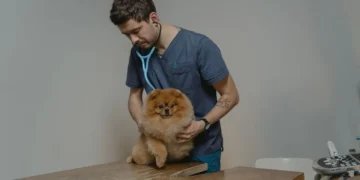
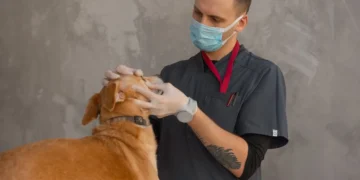
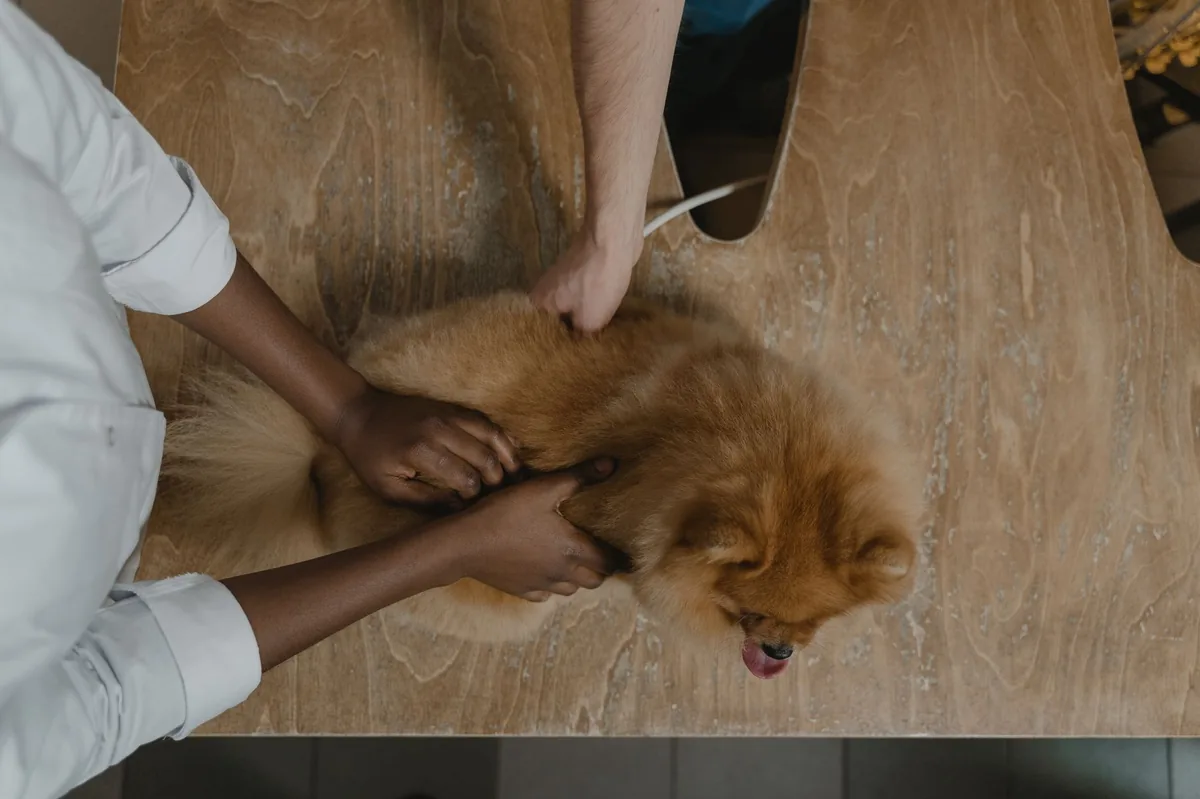
- Physical exam: The vet will examine the nostrils with a bright otoscope or endoscope, looking for pinkish, smooth masses.
- Radiographs (X‑rays): Helpful for spotting larger polyps or ruling out bony involvement.
- CT scan: Provides a detailed view of the nasal cavity and sinuses, allowing the vet to differentiate a polyp from a tumor.
- Endoscopic biopsy: A tiny sample of the tissue is taken through a flexible tube and examined under a microscope to confirm it’s a polyp and not a malignant tumor.
The American Veterinary Medical Association (AVMA) recommends using CT imaging when the initial exam is inconclusive, as it improves diagnostic accuracy by up to 90 %.
Treatment options
Medical treatment
Most dogs respond to anti‑inflammatory and immune‑modulating medications. Common drug classes include:
- Corticosteroids: Prednisone or dexamethasone reduce swelling. Your vet will tailor the dose to your dog’s weight and severity.
- Antibiotics: If a secondary bacterial infection is present, drugs such as amoxicillin‑clavulanic acid are often prescribed.
- Antihistamines: Cetirizine or chlorpheniramine can help if allergies are a driving factor.
- Immunosuppressants: In refractory cases, drugs like cyclosporine may be used under close supervision.
Ask your vet about these options; they’ll decide which regimen fits your dog’s condition best.
Supplements and supportive care
Adjunct supplements can aid recovery and keep the nasal lining healthy:
- Omega‑3 fatty acids (EPA/DHA): Reduce inflammation and support immune health. A high‑quality fish‑oil capsule (500‑1000 mg per day) is typical, but ask your vet for a brand that meets AAFCO standards.
- Probiotics: Maintaining gut health can indirectly benefit the immune system; look for products with Lactobacillus and Bifidobacterium strains.
- Vitamin C: In low doses (30‑60 mg) it may provide antioxidant support, but it’s not a replacement for prescription meds.
Procedures or surgery
When medical therapy fails or the polyp blocks the airway, surgical removal is the gold standard. The most common technique is endoscopic polypectomy, where a tiny camera and forceps are inserted through the nostril to excise the growth.
- Procedure: Performed under general anesthesia, takes 30‑60 minutes, and usually requires a short hospital stay.
- Recovery: Dogs are typically home‑bound for 3‑5 days. Keep the environment calm, limit vigorous play, and monitor for any post‑op bleeding.
- Cost: In the United States the total bill (including anesthesia, imaging, and the procedure) ranges from $1,200 to $2,500; in the United Kingdom it’s roughly £800‑£1,500. Prices vary by clinic and geographic region.
Diet and nutrition
While there is no “cure‑by‑food” for nasal polyps, a balanced diet can reduce inflammation and support the immune system, making medical therapy more effective. Here’s how to feed a dog recovering from a polyp diagnosis.
- Choose highly digestible protein: Foods with real meat as the first ingredient and limited fillers (corn, wheat) are easier on the nasal and respiratory mucosa. Look for AAFCO‑approved adult formulas that list “highly digestible protein” on the label.
- Increase omega‑3 content: As noted above, EPA/DHA help dampen inflammation. Many therapeutic diets, such as those labeled “anti‑inflammatory,” already contain added fish oil.
- Limit sodium: Excess salt can promote swelling of nasal tissues. Avoid treats that are heavily salted or “human‑grade” snacks like jerky.
- Hydration matters: Adequate water intake keeps mucous membranes moist. If your dog is reluctant to drink, add a splash of low‑sodium broth to the water bowl.
- Avoid allergens: If your vet suspects an environmental allergy, try a limited‑ingredient diet for 4‑6 weeks to see if symptoms improve.
| Food category | Do feed | Limit / Avoid |
|---|---|---|
| Commercial dry kibble | High‑quality, grain‑free or limited‑ingredient formulas | Those high in corn, wheat, or artificial preservatives |
| Wet/canned food | Protein‑rich, low‑sodium options | Highly processed “meat‑flavored” meals with added salt |
| Home‑cooked meals | Lean meats, cooked vegetables, rice or sweet potato | Raw bones or excessive dairy (can trigger allergies) |
| Supplements | Fish‑oil capsules (EPA/DHA), probiotic powders | Over‑the‑counter herbal blends without veterinary oversight |
Transition to any new diet gradually over 5‑7 days to avoid gastrointestinal upset. Mix a small amount of the new food with the current diet, slowly increasing the proportion. If your dog has a pre‑existing condition such as kidney disease, discuss therapeutic diets (e.g., renal‑support formulas) with your vet; they are safe to use alongside polyp treatment.
For a quick calorie calculator to ensure your dog maintains a healthy weight during recovery, try our dog calorie calculator. Maintaining an optimal body condition score (BCS 4‑5/9) helps the immune system function at its best.
Cost and prognosis
Below is a rough breakdown of typical expenses (US and UK) for a dog diagnosed with nasal polyps. Prices vary by practice, geographic location, and whether additional diagnostics (e.g., CT) are needed.
| Service | US (USD) | UK (GBP) |
|---|---|---|
| Initial veterinary exam | $80‑$150 | £60‑£120 |
| Blood work & basic labs | $100‑$200 | £80‑£150 |
| CT scan (if needed) | $500‑$1,200 | £400‑£900 |
| Endoscopic biopsy | $300‑$600 | £250‑£500 |
| Medical therapy (30‑day course) | $150‑$300 | £120‑£250 |
| Surgical removal (endoscopic) | $1,200‑$2,500 | £800‑£1,500 |
Prognosis is generally excellent. The American College of Veterinary Surgeons (ACVS) reports a success rate of 85‑95 % for endoscopic polypectomy, meaning most dogs regain normal breathing and have a low chance of recurrence when follow‑up care is maintained.
Long‑term outlook depends on the underlying cause. If allergies drive the polyps, ongoing management may be needed, but most dogs live a full, active life after successful treatment.
Prevention and home care
Preventing nasal polyps centers on reducing chronic nasal irritation and managing allergies:
- Air quality: Use HEPA filters, avoid smoking indoors, and limit exposure to strong fragrances or dust.
- Regular parasite control: Tick‑borne infections can cause chronic rhinitis; keep preventive medication up to date (e.g., our parasite guide).
- Allergy testing: If your dog shows frequent sneezing or itching, ask your vet about serum or intradermal allergy testing.
- Routine check‑ups: Annual wellness exams give the vet a chance to spot early nasal changes before they become problematic.
- Weight management: Maintaining a healthy weight reduces overall inflammation and supports immune function.
At home, keep a simple nasal care routine: gently wipe your dog’s nose with a damp cloth once a day to remove crusts, and monitor for any new discharge or bleeding. If you notice changes, note the date, severity, and any recent environmental changes (new cleaning product, seasonal pollen spikes) – this information helps the vet pinpoint triggers.
From our vet team: “Nasal polyps often look scary on a CT scan, but they’re usually benign and respond well to steroids or a quick endoscopic removal. The key is to act early, keep your dog’s environment clean, and follow the post‑op instructions closely. Most owners see a dramatic improvement within a week, and the dog’s quality of life returns to normal.”
Key takeaways
- Nasal polyps are non‑cancerous growths that cause sneezing, discharge, and sometimes nosebleeds.
- Early signs include frequent sneezing and clear discharge; severe blockage or continuous bleeding warrants an emergency visit.
- Diagnosis relies on endoscopic examination, imaging (X‑ray or CT), and biopsy to rule out tumors.
- Medical therapy (corticosteroids, antibiotics, antihistamines) works for many dogs; surgery offers a >85 % cure rate when needed.
- Supportive nutrition—high‑quality protein, omega‑3s, and low‑salt foods—helps reduce inflammation and speeds recovery.
- Maintain good air quality, control allergies, and schedule regular wellness exams to lower the risk of recurrence.
Myth vs. fact
Myth: Nasal polyps are always cancerous.
Fact: Polyps are benign, non‑malignant growths; only a biopsy can confirm they’re not a tumor.
Myth: Surgery is the only way to treat polyps.
Fact: Many dogs improve with steroids and anti‑inflammatory meds; surgery is reserved for refractory or obstructive cases.
Myth: Once removed, polyps never come back.
Fact: Recurrence can happen, especially if the underlying allergy isn’t managed.
Frequently asked questions
What causes nasal polyps in dogs?
Chronic nasal inflammation, allergies, and certain breeds (especially brachycephalic dogs) are the most common contributors.
How can I tell if my dog has nasal polyps?
Look for frequent sneezing, persistent nasal discharge, or occasional nosebleeds; a veterinary endoscopic exam is needed for a definitive diagnosis.
Are nasal polyps painful for dogs?
Polyps themselves are usually not painful, but the associated inflammation can cause discomfort and irritation, leading to sneezing and rubbing.
What is the success rate of surgery for nasal polyps in dogs?
Endoscopic removal has an 85‑95 % success rate, with most dogs regaining normal breathing within weeks.
Can nasal polyps recur after treatment?
Yes, especially if the underlying cause (like allergies) isn’t addressed; regular follow‑ups help catch any early regrowth.
Is there a link between allergies and nasal polyps in dogs?
Allergic rhinitis is a significant risk factor; managing environmental allergens often reduces polyp formation.
Ask the PuppaDogs community
Have a question this article didn’t fully answer? Want to compare notes with other dog owners who’ve been through this? Our community forum is moderated by experienced owners and vets — and answers tend to come fast. Ask in the PuppaDogs community →
References
- American College of Veterinary Internal Medicine (ACVIM). “Nasal Polyps in Dogs.” 2023 clinical guidelines.
- American Veterinary Medical Association (AVMA). “Diagnostic Imaging for Nasal Disease.” 2022.
- Merck Veterinary Manual. “Nasal Polyps” chapter, 2021 edition.
- AAHA. “Canine Allergic Dermatitis and Respiratory Allergies.” 2023.
- World Small Animal Veterinary Association (WSAVA). “Guidelines for Endoscopic Surgery in Dogs.” 2022.
- American College of Veterinary Surgeons (ACVS). “Success Rates of Endoscopic Polypectomy.” 2021.


