





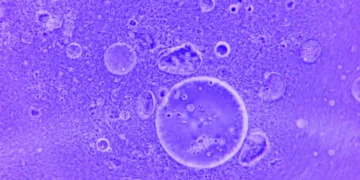

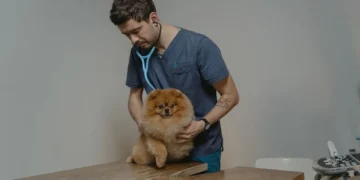
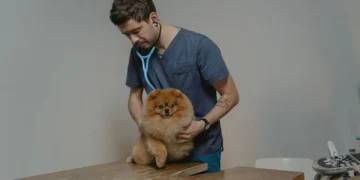
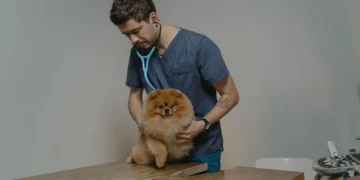






Quick take: Ovarian tumors in dogs are growths on the ovary that can be benign or malignant. They often cause subtle signs like a swollen abdomen or changes in heat cycles, but can become life‑threatening if cancer spreads. Early veterinary evaluation, imaging, and surgical removal give the best chance for a good outcome, while spaying eliminates the risk.
It’s 11 p.m. and your 8‑year‑old mixed‑breed companion, Bella, is unusually quiet on the couch. Her belly feels a little firm, and you notice a faint, sweet scent that isn’t her usual “wet‑dog” smell. You’ve Googled “swollen belly in a female dog” and the top result mentions ovarian tumors. Your heart races. Is this something you can manage at home, or does Bella need to be rushed to the vet?
We understand how terrifying the unknown can feel. Ovarian tumors are rare but serious, and the key to a better prognosis is spotting the signs early and getting prompt veterinary care. In this article we’ll explain exactly what ovarian tumors are, how they differ from harmless cysts, what to look for, how vets diagnose and treat them, the cost you might expect, and how to help Bella recover at home.
By the end you’ll know when to call your vet, what questions to ask, and how to support your dog’s nutrition and comfort during recovery. Let’s dive in.
What is ovarian tumors in dogs?
Ovarian tumors are abnormal growths that develop on a female dog’s ovaries. They fall into two broad categories:
- Benign (non‑cancerous) tumors – such as granulosa cell tumors or luteomas. These rarely spread but can still cause hormonal imbalances.
- Malignant (cancerous) tumors – most commonly ovarian carcinoma or sarcoma. These have the ability to invade nearby tissues and metastasize (spread) to the lungs, liver, or lymph nodes.
Overall, ovarian tumors represent less than 1 % of all canine neoplasms, according to the American College of Veterinary Surgeons (ACVS). They are most often diagnosed in middle‑aged to senior dogs, typically between 7 and 12 years of age.
What causes it?
The exact cause of ovarian tumors remains unclear, but several risk factors have been identified:
| Risk factor | Details |
|---|---|
| Age | Incidence rises sharply after 7 years. |
| Breed predisposition | German Shepherds, Golden Retrievers, and Boxers show slightly higher rates (AKC data). |
| Hormonal environment | Intact (unspayed) females have a longer exposure to ovarian hormones, which may promote tumor growth. |
| Genetic mutations | Research from UC Davis suggests mutations in TP53 and KRAS genes in some malignant cases. |
| Environmental factors | No definitive link, but chronic exposure to certain chemicals is under investigation (AAHA). |
Signs and symptoms
Because ovarian tumors grow inside the abdomen, early signs can be subtle. Below is a progression guide to help you recognize when something is amiss.
| Stage | Typical signs |
|---|---|
| Mild | Reduced appetite, slight abdominal distension, occasional vaginal discharge outside of heat. |
| Moderate | Noticeable belly swelling, frequent or irregular heat cycles, lethargy, mild anemia (pale gums). |
| Severe | Rapid abdominal enlargement, pain on palpation, vomiting, weight loss despite appetite, difficulty breathing if fluid accumulates. |
Other clues include a “milk‑like” vaginal discharge, which can signal a hormone‑producing tumor, and a sudden change in behavior such as hiding or reluctance to move.
When to call your vet
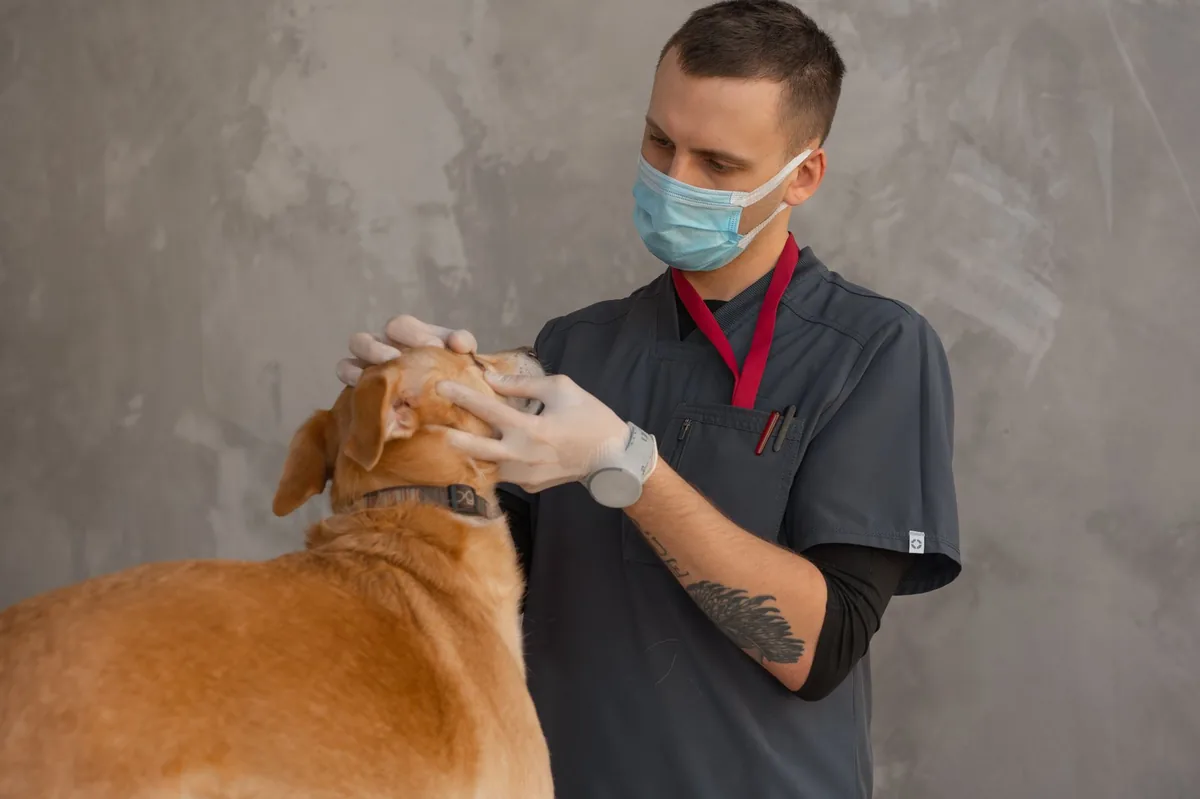
Call your regular vet today if you notice any of the moderate signs above—especially unexplained abdominal swelling, changes in heat cycles, or pale gums.
Go to an emergency veterinary hospital right now if your dog shows any severe signs: sudden collapse, severe pain when you touch the belly, vomiting blood, or labored breathing.
These guidelines are for information only and do not replace professional veterinary care. If you’re ever in doubt, err on the side of caution and call your vet.
How vets diagnose it
Diagnosing an ovarian tumor involves a step‑wise workup:
- History & physical exam – The vet will ask about heat cycles, appetite, and any vaginal discharge, then palpate the abdomen for masses.
- Blood work – A CBC and chemistry panel can reveal anemia, elevated liver enzymes, or hormonal changes (e.g., increased estrogen).
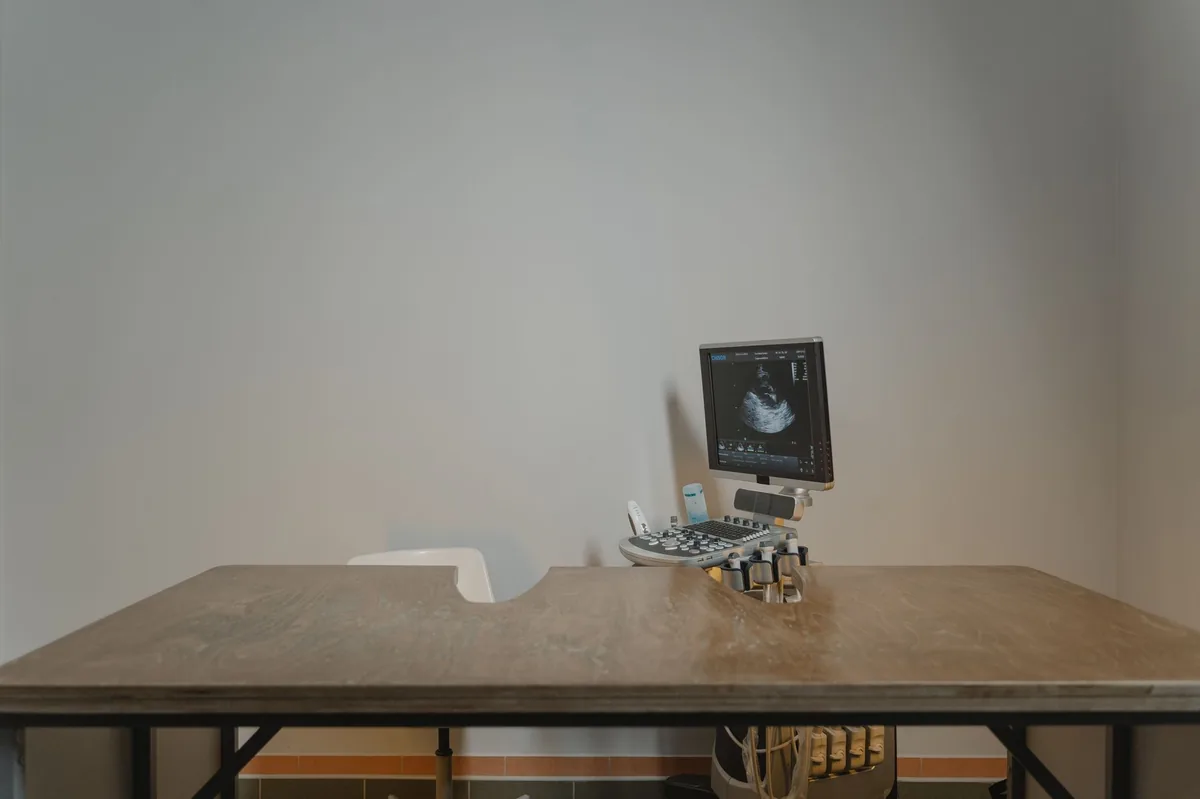
- Imaging – Abdominal ultrasound is the first‑line tool; it can show the size, shape, and vascularity of the ovarian mass. In ambiguous cases, CT or MRI provides more detail.
- Fine‑needle aspiration (FNA) or core biopsy – Under ultrasound guidance, a sample is taken for cytology or histopathology to determine if the tumor is benign or malignant.
- Staging diagnostics – If cancer is confirmed, chest X‑rays and possibly a CT scan assess metastasis.
Each test builds a clearer picture, allowing the veterinary team to recommend the most appropriate treatment plan.
Treatment options
Medical treatment
When surgery is possible, it remains the cornerstone of therapy. However, adjunct medical options may be recommended:
- Immunosuppressive chemotherapy – Drugs such as carboplatin or doxorubicin are often used for malignant ovarian carcinoma. Your vet will tailor the protocol to weight and health status.
- Targeted therapy – In select cases, tyrosine‑kinase inhibitors (e.g., toceranib) have shown promise, especially when metastasis is present.
- Pain management – NSAIDs like carprofen or meloxicam help control inflammation and discomfort. Ask your vet about the best option for your dog.
Supplements and supportive care
While supplements can’t cure a tumor, they support recovery and immune function:
- Omega‑3 fatty acids (EPA/DHA) – Help reduce inflammation and may improve appetite. Look for a high‑quality fish oil supplement.
- Probiotics – Maintain gut health, especially if your dog is on antibiotics or chemotherapy.
- Vitamin C and E – Antioxidant support is sometimes recommended, but discuss dosing with your vet.
Procedures or surgery
**Ovariohysterectomy (OVH)** – Removal of the affected ovary(s) and, often, the uterus. Minimally invasive (laparoscopic) techniques are available at specialty centers, though open surgery is more common.
**Recovery** – Hospital stay is usually 1–2 days for uncomplicated cases. Full activity restriction for 10–14 days is typical, followed by a gradual return to normal walks.
| Procedure | Typical cost (US) | Typical cost (UK) |
|---|---|---|
| OVH (laparoscopic) | $2,500–$4,000 | £1,800–£2,800 |
| Standard OVH | $1,800–$2,800 | £1,200–£2,000 |
| Chemotherapy (single protocol) | $1,200–$2,500 | £900–£1,800 |
Diet and nutrition
Nutrition plays a pivotal role in healing after ovarian tumor surgery and during any adjunct therapy. Here’s a practical guide you can start using today.
- High‑quality protein – Aim for digestible sources such as cooked chicken, turkey, or a commercial senior formula with >25 % protein. Protein supports tissue repair and maintains muscle mass.
- Moderate fat – 12–15 % fat provides energy without overloading the liver. If your dog is on chemotherapy, a slightly higher fat level (up to 20 %) can help combat appetite loss.
- Complex carbs – Sweet potatoes, pumpkin, or rice are gentle on the stomach and supply steady glucose.
- Limited sodium – Reduce salt to prevent fluid retention, especially if your dog develops ascites (abdominal fluid).
- Hydration – Fresh water should be available at all times. Adding low‑sodium broth can encourage drinking.
Prescription therapeutic diets aren’t required for every case, but if your dog shows liver involvement, a “renal‑support” or “hepatic‑support” diet (e.g., a low‑protein, omega‑3 enriched formula) can be beneficial. Always transition new foods over 3–5 days to avoid gastrointestinal upset.
| Food category | Do feed | Limit | Avoid |
|---|---|---|---|
| Protein | Cooked chicken, turkey, lean beef | High‑fat meats | Raw bones (risk of perforation) |
| Carbs | Sweet potato, pumpkin, white rice | Heavy grains | Highly processed snacks |
| Fats | Fish oil, modest animal fat | Excessive oil | Fried foods |
| Supplements | Omega‑3, probiotic capsule | Excessive vitamins | Unverified herbal extracts |
Feed smaller, more frequent meals (3–4 times daily) for the first week after surgery. This helps prevent nausea and keeps energy levels stable.
Cost and prognosis
Financial planning can feel overwhelming, but knowing typical expenses helps you prepare.
| Item | US estimate | UK estimate |
|---|---|---|
| Initial consult & blood work | $150–$250 | £100–£180 |
| Abdominal ultrasound | $300–$500 | £200–£350 |
| Biopsy & pathology | $200–$400 | £150–£300 |
| Surgical removal (OVH) | $1,800–$4,000 | £1,200–£2,800 |
| Chemotherapy (full protocol) | $1,200–$2,500 | £900–£1,800 |
| Post‑operative meds & supplements | $100–$250 | £70–£180 |
Prognosis hinges on tumor type and stage:
- Benign tumors – Surgical removal often curative; most dogs return to normal life within weeks.
- Localized malignant tumors – Survival times average 12–18 months with surgery plus chemotherapy, according to the ACVS.
- Metastatic disease – Median survival drops to 3–6 months, but palliative care can maintain quality of life.
Early detection and prompt OVH dramatically improve outcomes, especially in dogs under 10 years old.
Prevention and home care
Because ovarian tumors arise from ovarian tissue, the single most effective preventive measure is spaying before the first heat cycle. The American Veterinary Medical Association (AVMA) recommends elective spay by 6 months of age for most breeds.
If your dog is already intact, regular veterinary check‑ups (at least annually) with a focused abdominal exam can catch tumors sooner. Keep an eye on any changes in heat patterns, appetite, or abdominal size.
Home care after surgery includes:
- Restricting activity to short leash walks for 10–14 days.
- Monitoring incision for redness, swelling, or discharge.
- Providing a quiet, comfortable resting area away from drafts.
- Offering fresh water and the balanced meals described above.
- Following up with your vet 7–10 days post‑op for suture removal or wound check.
For dogs undergoing chemotherapy, watch for appetite loss, vomiting, or low white‑blood‑cell counts. Your vet may prescribe anti‑nausea medication or adjust the treatment schedule.
Vet’s note
From our vet team: “When an ovarian tumor is suspected, we prioritize imaging and a quick surgical plan. Even if the mass turns out to be benign, the ovary’s removal eliminates the risk of future hormonal disruption. Owners who keep a close eye on heat cycles and abdominal changes often catch problems before they spread, making surgery far less complex and recovery smoother.”
Key takeaways
- Ovarian tumors can be benign or malignant; early detection improves survival.
- Watch for abdominal swelling, irregular heat cycles, and pale gums as warning signs.
- Prompt veterinary evaluation—including ultrasound and biopsy—is essential.
- Surgical removal (OVH) is the primary treatment; chemotherapy is added for malignant cases.
- Spaying before the first heat cycle effectively prevents ovarian tumors.
- Post‑operative nutrition should focus on high‑quality protein, moderate fat, and easy‑digestible carbs.
Myth vs. fact
Myth: Ovarian cysts and ovarian tumors are the same thing.
Fact: Cysts are fluid‑filled sacs that are usually harmless, while tumors are solid growths that can be benign or malignant. Only a biopsy can definitively differentiate them.
Myth: If a dog is spayed, she’ll never develop an ovarian tumor.
Fact: Spaying removes the ovaries entirely, eliminating the risk of ovarian tumors. However, spayed dogs can still develop other reproductive‑tract cancers, such as uterine or mammary tumors.
Myth: Chemotherapy cures ovarian cancer in dogs.
Fact: Chemotherapy can extend life and reduce tumor size, but cure rates are low for advanced disease. Surgery remains the cornerstone of curative intent.
Frequently asked questions
What symptoms indicate an ovarian tumor in a dog?
The most common signs are a swollen or firm abdomen, irregular or prolonged heat cycles, reduced appetite, and pale gums. Severe cases may present with vomiting, difficulty breathing, or sudden collapse.
How do vets confirm an ovarian tumor in a dog?
Diagnosis starts with a physical exam and blood work, followed by abdominal ultrasound. If a mass is seen, a fine‑needle aspiration or core biopsy provides cellular detail to determine if the growth is benign or malignant.
What are the treatment options for ovarian tumors in dogs?
Surgery (ovariohysterectomy) is the mainstay. For malignant tumors, chemotherapy agents like carboplatin or doxorubicin are added. Palliative care—including pain management and nutritional support—helps when the disease is advanced.
Is ovarian cancer in dogs curable?
Early‑stage malignant tumors that are completely removed surgically can lead to survival of 12–18 months, and some dogs live longer with adjuvant chemotherapy. Curability depends on tumor type, stage, and overall health.
How much does ovarian tumor surgery cost for a dog?
In the United States, surgical removal typically costs between $1,800 and $4,000, depending on whether a laparoscopic approach is used and the clinic’s fees. Additional expenses include diagnostics, anesthesia, and post‑operative meds.
Can spaying a dog prevent ovarian tumors?
Yes. Spaying removes the ovaries, eliminating the possibility of ovarian tumors entirely. The AVMA recommends elective spay before the first heat cycle for most breeds.
Ask the PuppaDogs community
Have a question this article didn’t fully answer? Want to compare notes with other dog owners who’ve been through this? Our community forum is moderated by experienced owners and vets — and answers tend to come fast. Ask in the PuppaDogs community →
References
- American College of Veterinary Surgeons (ACVS). “Guidelines for Ovarian Tumor Management in Dogs,” 2022.
- American Veterinary Medical Association (AVMA). “Spay/Neuter Recommendations,” 2023.
- American Animal Hospital Association (AAHA). “Canine Oncology Standards,” 2021.
- Merck Veterinary Manual. “Ovarian Tumors” chapter, 2024 edition.
- UC Davis Veterinary Medicine. “Molecular Pathways in Canine Ovarian Carcinoma,” 2023.
- American Kennel Club (AKC). “Breed Health Survey: Ovarian Cancer Incidence,” 2022.
- World Small Animal Veterinary Association (WSAVA). “Chemotherapy Protocols for Canine Ovarian Carcinoma,” 2023.
- Plumb’s Veterinary Drug Handbook. “Carboplatin and Doxorubicin Dosing Guidelines,” 2022.


